


Victorian Bone China
These pieces of victorian bone china bring together nineteenth-century craftsmanship and delicate table ceramics.
Victorian Bone China
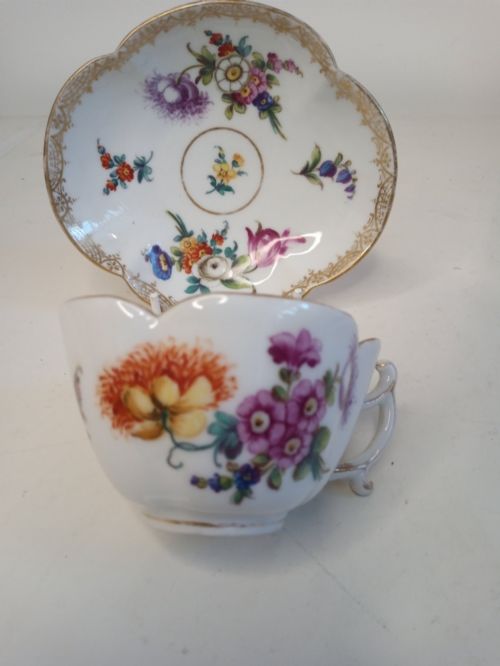
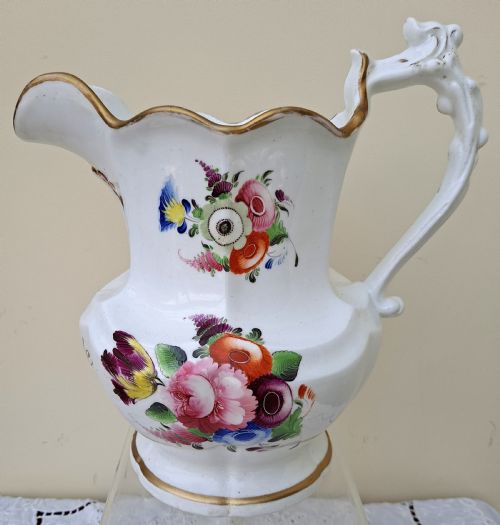
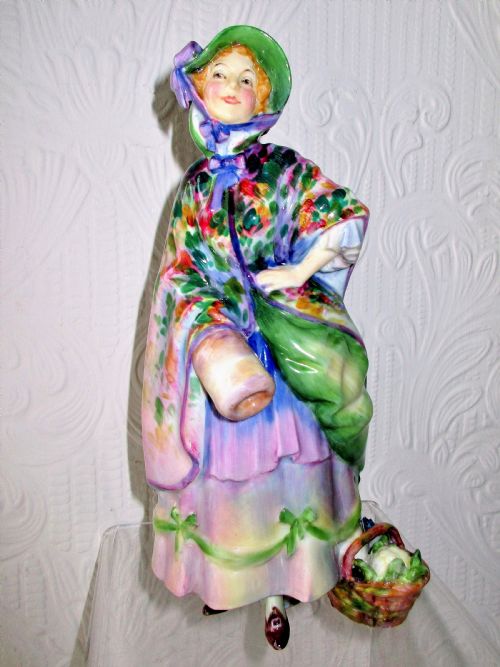
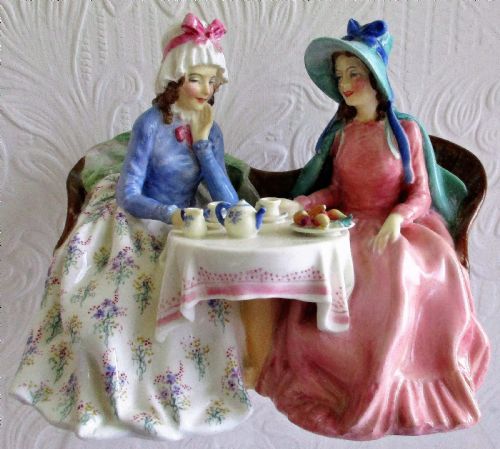
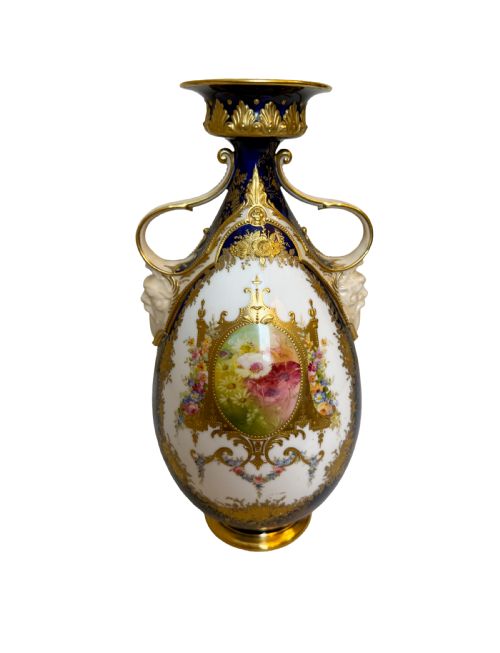
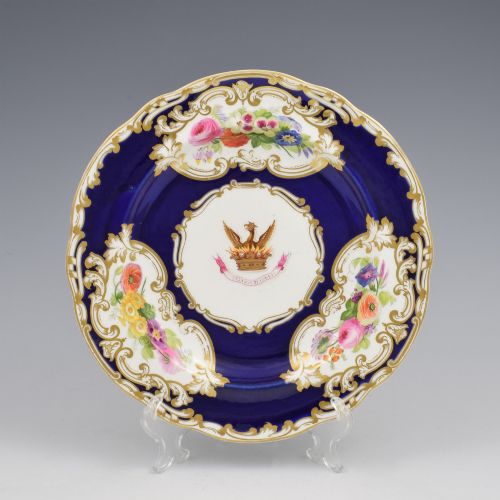
When you search for victorian bone china, you encounter a variety of ceramics ranging from tea services and dessert plates to decorative vases and figurines. The items on this page primarily span the nineteenth century and the Victorian era, showcasing forms designed for both display and formal dining.
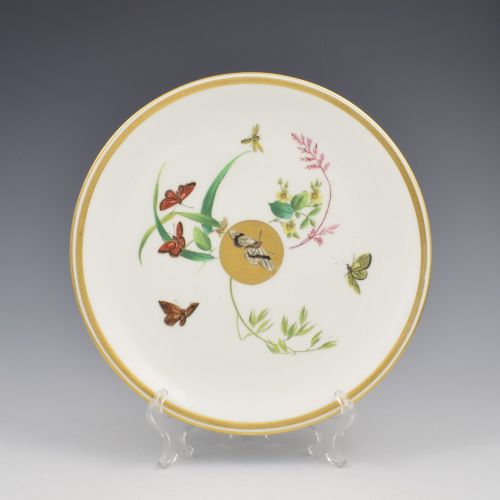
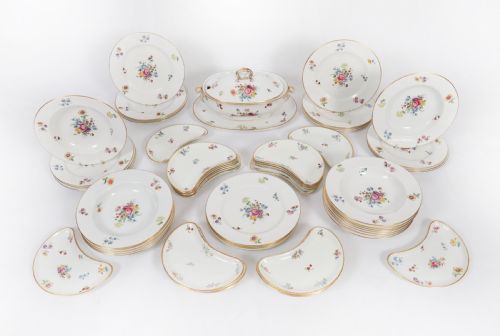
You are most likely to meet cabinet plates, teacups and saucers, and multi-piece tea or dessert services originating from prominent English potteries. These wares often display distinct stylistic shifts from mid-century rococo revivals to later aesthetic movement and Imari patterns.
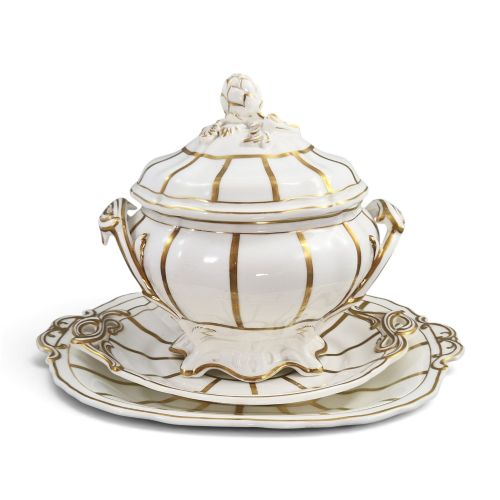
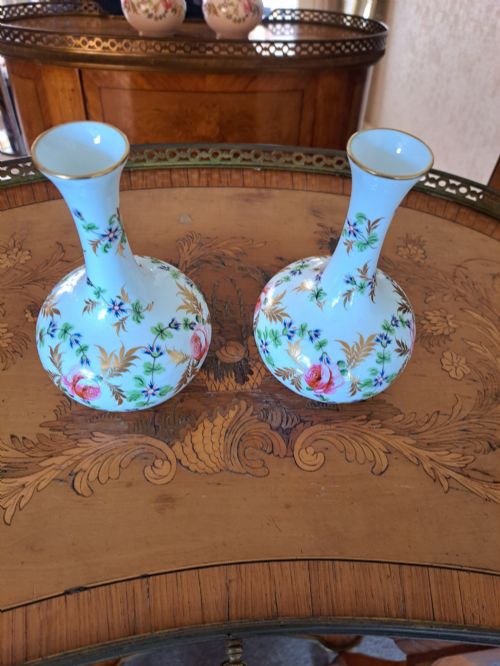
The practical function of these ceramics matches their decorative ambition, including sauce tureens, cream stands, and comports alongside purely ornamental bud vases and urns. Each piece reflects the domestic routines and decorative tastes of the period.
Qualities of Distinction
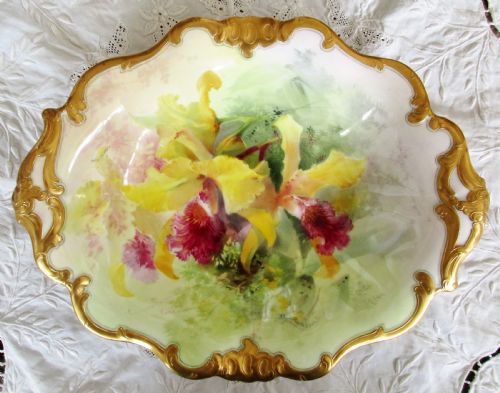
The standard of a piece rests heavily on the precision of the hand-painted decoration, the crispness of moulded details like basketweave textures, and the complexity of the pattern. Wares featuring named botanical or topographical scenes by known artists sit comfortably above standard commercial production.
The completeness and uniformity of matching services, along with the subtlety of gilt application and enamel preservation, dictate the standing of individual items. Potteries that employed specialist painters and distinct decorative schemes produced pieces with greater visual depth and refinement.
Materials recorded across the inventory include bone china, porcelain, enamel, gold leaf, and gilt.
Royal Crown Derby·Royal Doulton·Royal Worcester·Coalport·Minton·Davenport·Copeland·Wileman Foley Shelley
The Victorian Bone China Glossary
- Bone China
- A type of soft-paste porcelain incorporating animal bone ash that produces a strong, translucent ceramic body. This material allows for thinner walls and finer forms than standard earthenware.
- Gilding
- The application of gold leaf or gold paint to ceramic surfaces for decorative borders and highlights. It is often found burnished to a bright finish or left matte.
- Imari
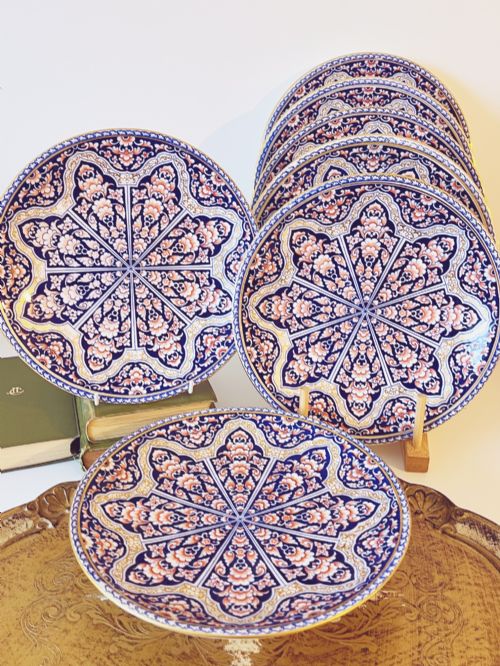
- A decorative style inspired by Japanese export wares featuring iron red, underglaze blue, and gold. Victorian potteries frequently reinterpreted this palette on domestic table services.
- Pate-sur-pate
- A ceramic technique where layers of liquid porcelain slip are built up to create a low relief cameo effect. The design stands out against a contrasting coloured clay ground.
- Tazza
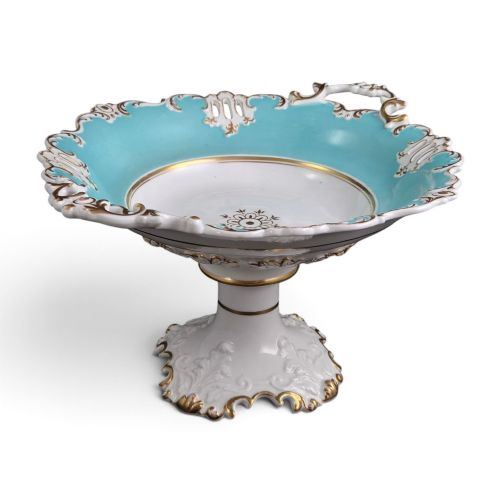
- An elevated shallow bowl or plate supported by a central foot, typically used for serving fruit or desserts. These pieces formed part of larger nineteenth-century dining services.
Victorian Bone China: Frequently Asked Questions
What is victorian bone china?
These pieces comprise nineteenth-century ceramic tableware and decorative objects produced by English potteries using bone ash in the clay body. They encompass everything from functional teacups to large dinner services and ornamental vases.
The category reflects the evolving decorative styles of the era, moving from ornate rococo revival designs toward aesthetic movement and Imari patterns as the century progressed.
How were tea services used?
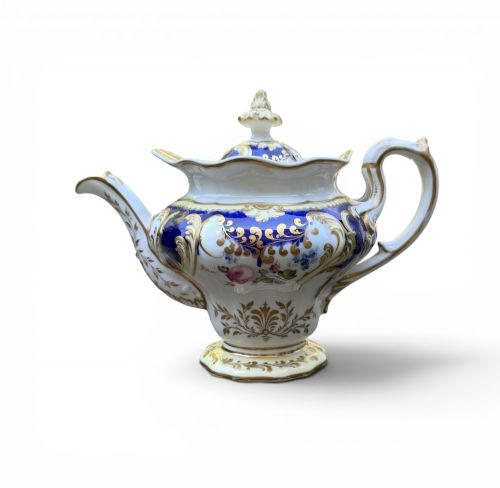
Tea services played a central role in formal domestic hospitality, used for serving afternoon tea to family and guests. They typically included cups, saucers, teapots, and side plates designed for social rituals.
The inclusion of cream tureens, sugar bowls, and matching comports indicates the structured nature of nineteenth-century dining and entertaining habits.
How do I identify the maker?
Makers are generally identified through backstamps, impressed marks, and pattern numbers located on the underside of the ceramic base. These marks often include factory ciphers or registry diamonds that indicate the year of design or production.
Stylistic signatures, such as specific floral painting styles or unique shape names like Newcastle, also help attribute pieces to potteries like Minton or Royal Worcester.