


Victorian Blue Transferware Plate
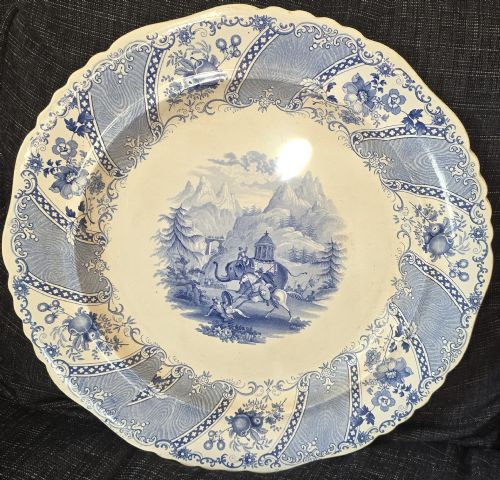
A victorian blue transferware plate brings rich monochrome scenes to the table, using printed blue designs on ceramic surfaces.
Victorian Blue Transferware Plate
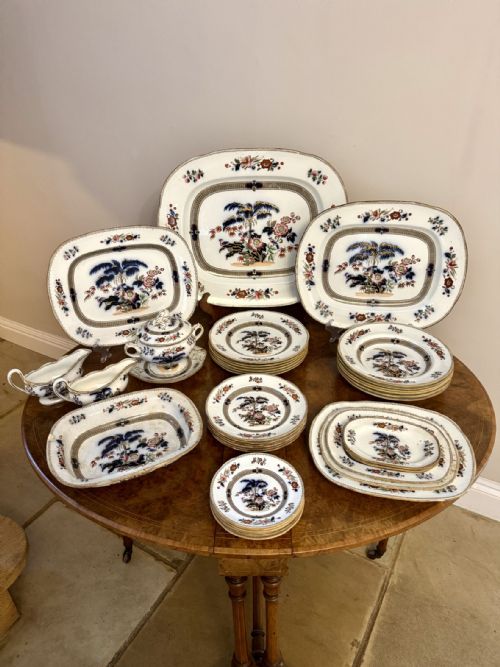
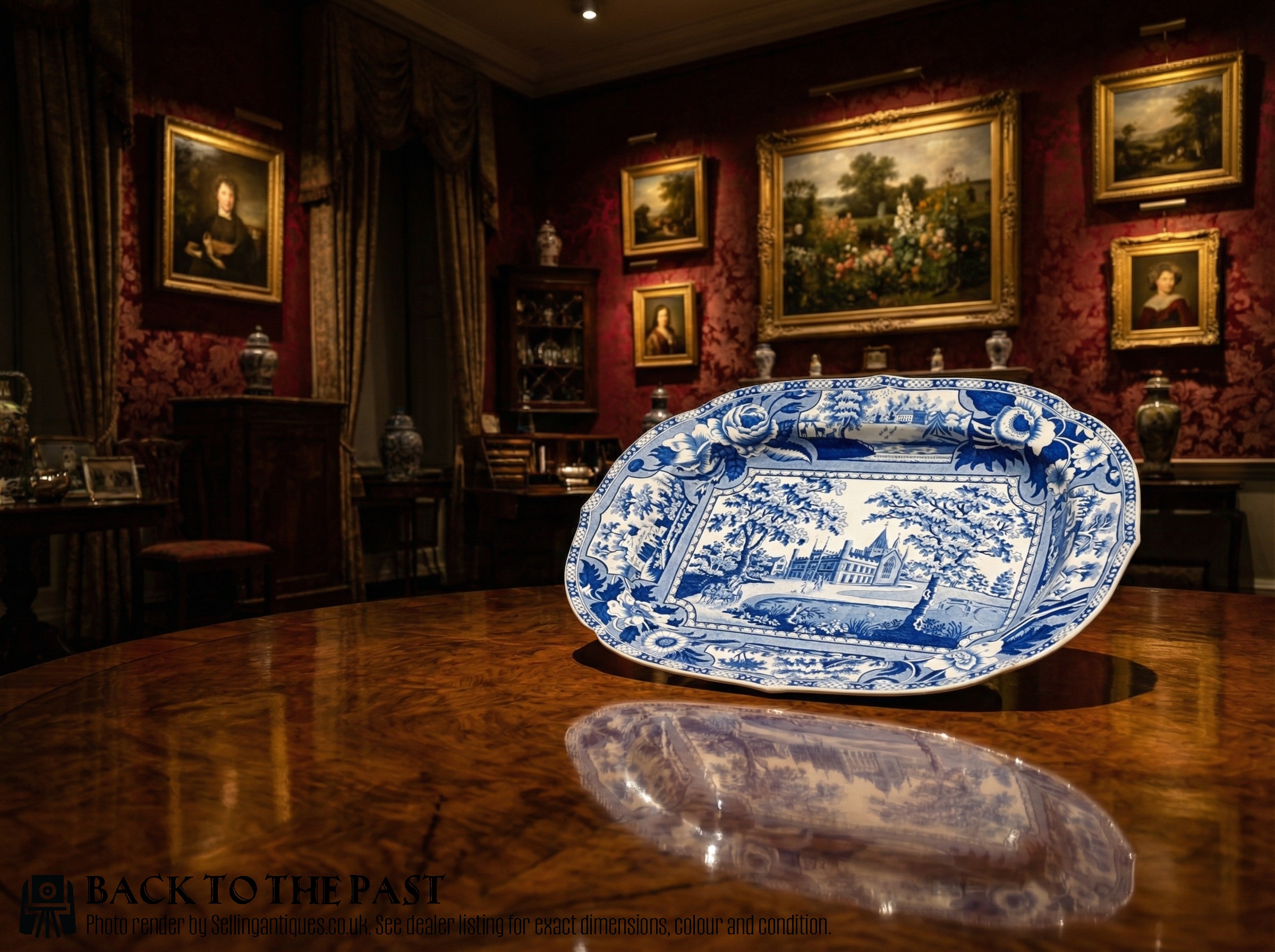
A victorian blue transferware plate covers a wide range of domestic tableware produced across the nineteenth century, including dinner plates, side dishes, and large serving platters. Most examples you encounter span from the early Victorian decades through to the eighteen-eighties, often featuring familiar scenes like the Willow pattern or botanical studies.
The objects vary from simple earthenware tea and dessert plates to heavier ironstone meat platters and large chargers designed for substantial dining tables. Makers across Staffordshire and other English potteries produced these pieces in vast quantities, applying blue transfer printing to create durable tableware for everyday households.
What Varies in Quality
The clarity and registration of the printed blue design separate standard utilitarian wares from superior artistic productions. Finer plates display sharp lines and deep cobalt tones without blurring or smudging where the paper tissue met the curved ceramic edge.
The body of the ceramic also dictates quality, with heavy ironstone and improved stone china offering greater resilience than softer earthenware bodies. Well-potted plates maintain a balanced weight and even glaze coverage across both the face and the reverse.
The documented pieces span the nineteenth century, including Georgian transition periods, early Victorian services, and late Victorian decorative chargers.
The Victorian Blue Transferware Plate Glossary
- Transferware
- Pottery decorated by printing a design from an engraved copper plate onto paper, which was then transferred onto the unglazed ceramic body. This method revolutionised the ceramic industry by speeding up production.
- Ironstone
- A durable type of heavy earthenware patented in the nineteenth century to imitate Chinese porcelain. It resists chipping and staining far better than standard soft-paste earthenware.
- Charger
- A large decorative plate or platter used historically for ceremonial service or as a base beneath other dishes. These large pieces often display the most ambitious pictorial transfer prints.
- Biscuit
- Fired unglazed pottery that is porous and ready to absorb colour or glaze. This stage precedes the final gloss firing in the kiln.
Victorian Blue Transferware Plate: Frequently Asked Questions
How do I date my plate?
Examine the style of the transfer print, the shape of the ceramic body, and any registration marks or maker stamps stamped into the reverse. Staffordshire potteries frequently changed their ironstone formulations and pattern names over the decades.
Comparing the border motifs against known nineteenth-century pattern books often narrows down the production year to a specific decade or reign.
Can I use these plates daily?
Most nineteenth-century earthenware and ironstone plates are robust enough for careful everyday dining, provided they are washed by hand. Avoid dishwashers and harsh modern detergents to protect the historic glaze and prevent crazing.
Older earthenware bodies can absorb moisture over time if left soaking in water, so dry them thoroughly after washing.
What is the Willow pattern?
The Willow pattern is a classic blue and white transfer design depicting a Chinese landscape story featuring figures, a bridge, a pagoda, and birds. It became the most prolific pattern produced by English potteries during the Victorian era.
Different factories added their own subtle variations to the border and minor details while keeping the central narrative intact.
Why are some plates stamped ironstone?
Potters used the term ironstone to describe a dense, hard-wearing ceramic mixture containing slag of iron or stone materials. This invention met the Victorian demand for durable, heavy dinnerware that withstood frequent kitchen use.
Plates bearing ironstone marks generally feel heavier and sound more resonant when tapped than standard earthenware.