

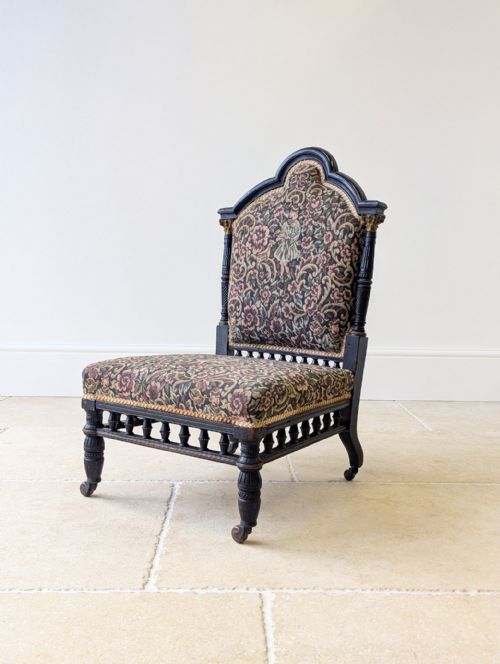
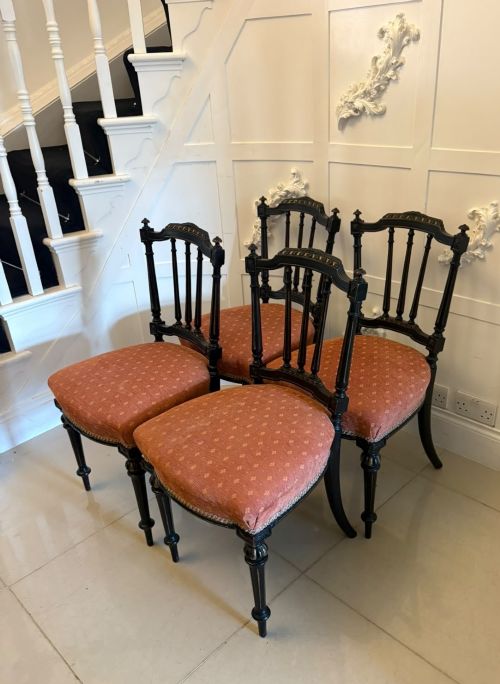
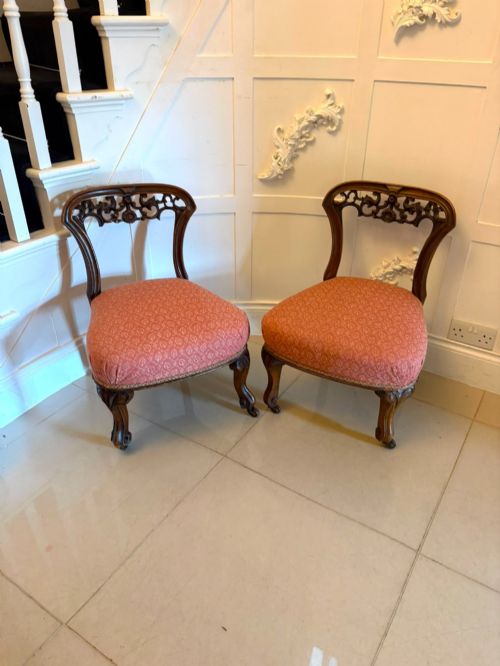
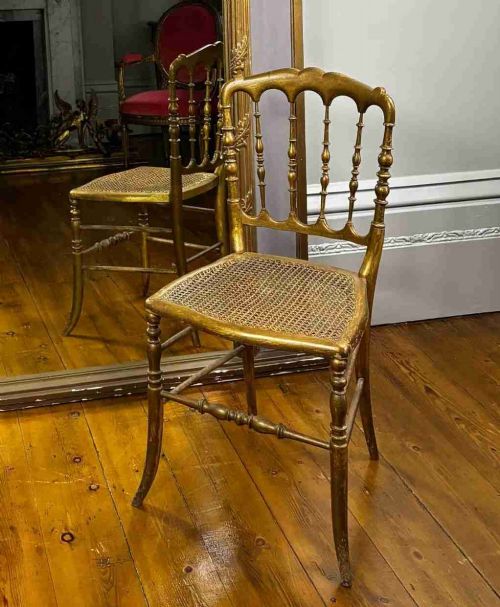
Victorian Bedroom Side Chairs
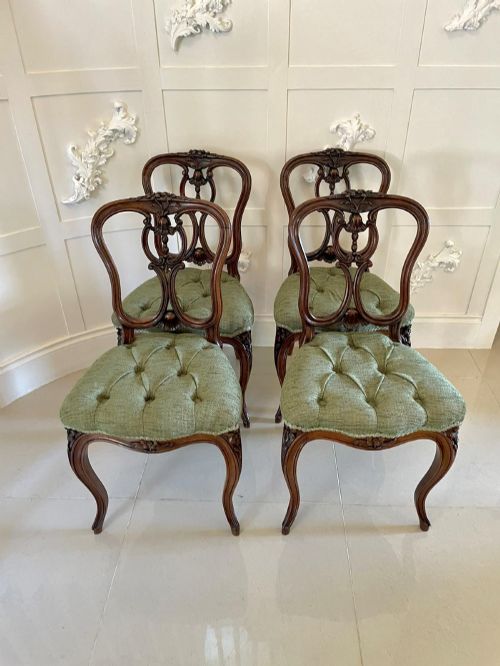
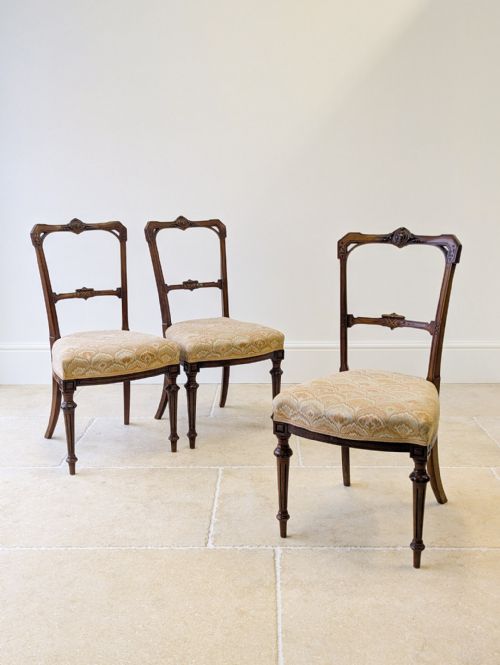
These Victorian bedroom side chairs bring intimate scale and carved detail to a room, offering low seats and upright backs made for private quarters.
Victorian Bedroom Side Chairs
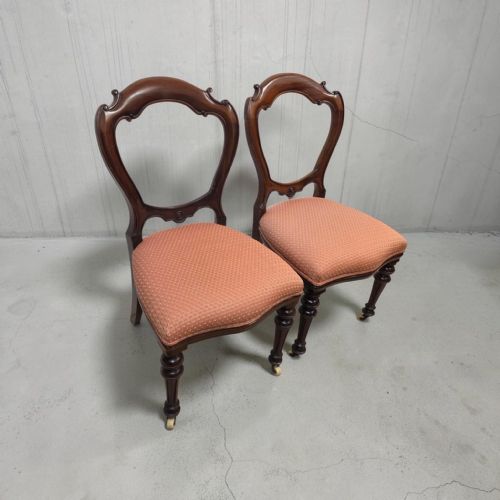
Victorian bedroom side chairs are compact seating forms produced during the nineteenth century, designed specifically for dressing rooms and private chambers. The most common examples on this page are walnut or mahogany side chairs featuring low seats and decorative carved backs.
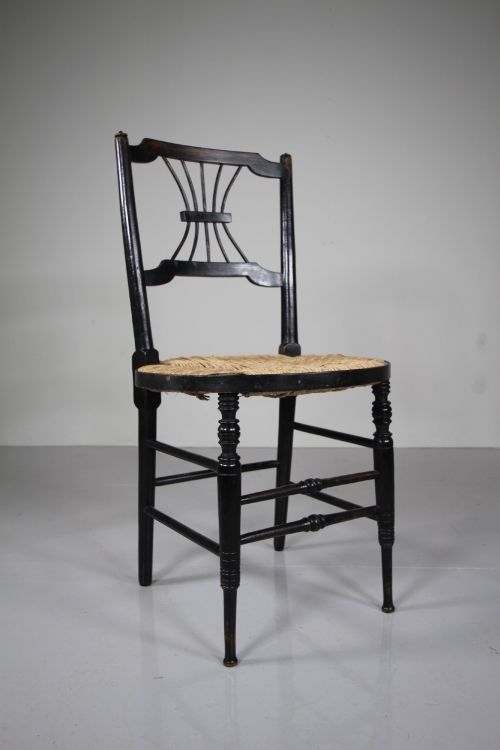
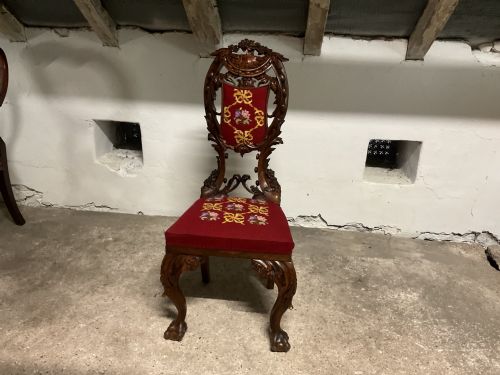
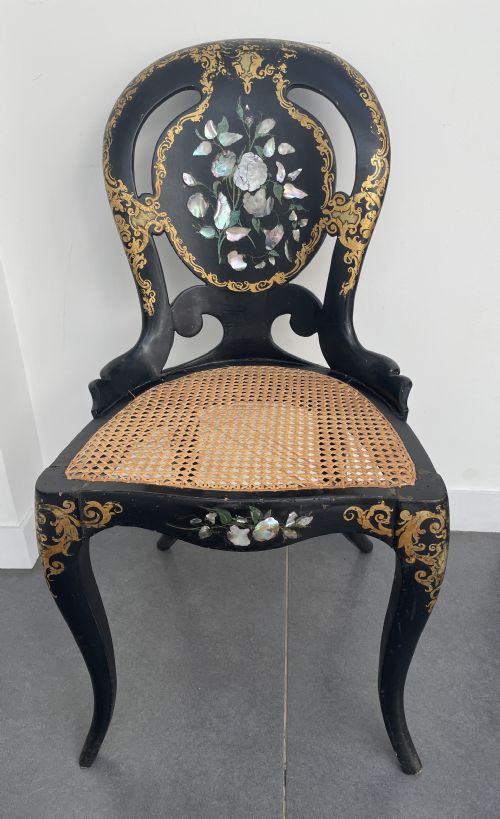
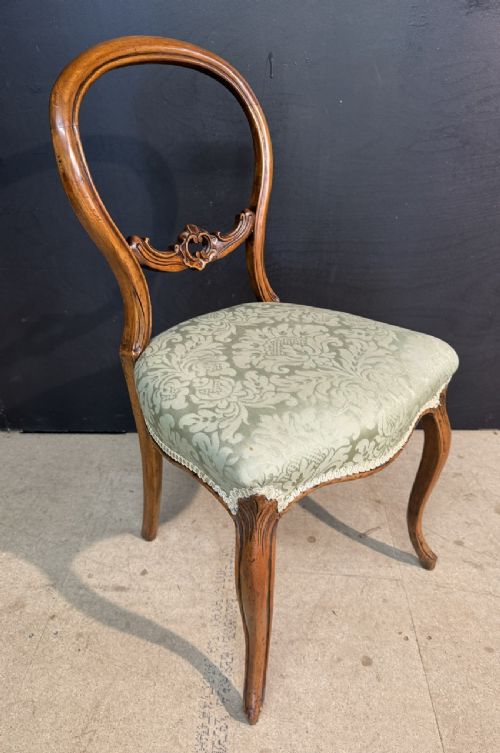
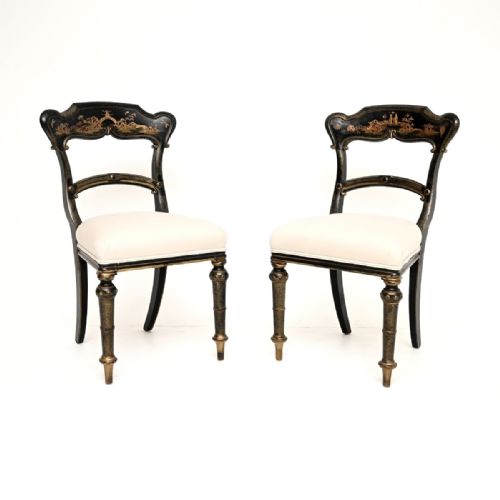
Makers of the period also utilised rosewood, ebonised wood, and cane to construct these smaller chairs. Styles range from simple balloon backs to elaborate Aesthetic Movement and Rococo Revival designs.
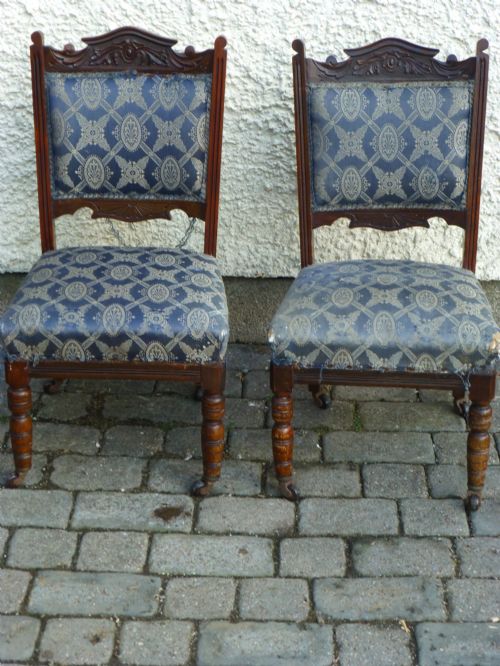
Unlike larger parlour or dining seats, these pieces prioritise lower proportions and intimate comfort. They function well today as occasional seating in bedrooms or studies.
Materials and Construction
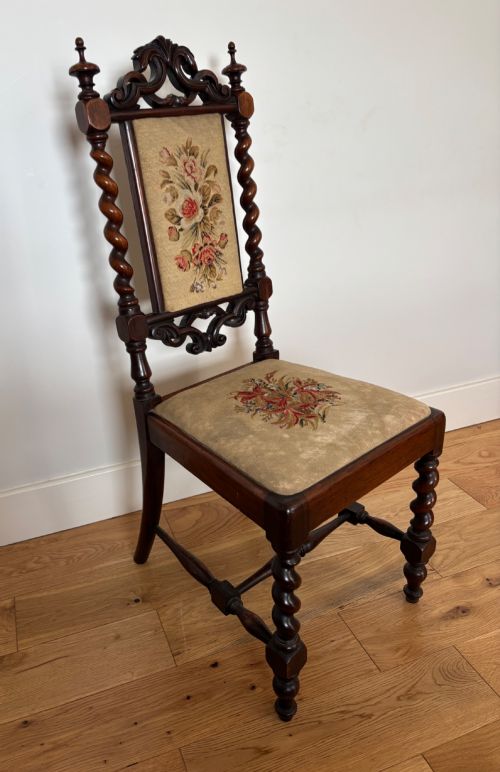
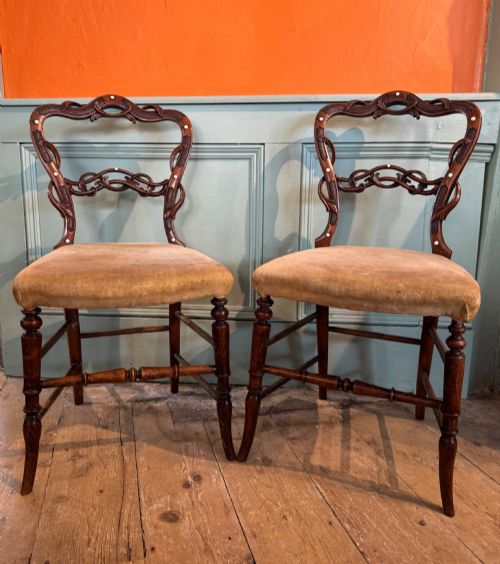
Cabinet makers built these chairs using solid timbers such as walnut, mahogany, and rosewood, often shaping the wood through steam or hand carving. Frames frequently incorporate sophisticated joinery to support slender cabriole legs or bobbin-turned frames.
Upholstery methods involved traditional stuffing over webbed bases, covered in period fabrics like velvet, tapestry, or silk. Detail work included mother of pearl inlay, gilding, and ebonising to suit changing tastes across the decades.
The listings span from 1850 to 1900, incorporating walnut, mahogany, rosewood, and ebonised wood across Victorian and Aesthetic Movement styles.
Judging Quality
The standard of carving determines much of the distinction between ordinary and superior pieces. Crisp, deep relief work on walnut or rosewood frames indicates skilled hand execution rather than mechanical shaping.
Timber selection and structural integrity also separate grades. Well-figured mahogany, dense walnut, and tight frame joints ensure longevity and retain the original proportion intended by the maker.
William Morris·Rossetti·Howard and Sons
The Victorian Bedroom Side Chairs Glossary
- Balloon Back
- A rounded, oval-shaped chair back resembling a balloon. This form became extremely popular in the mid nineteenth century for parlour and bedroom seating.
- Cabriole Leg
- A furniture leg that curves out and then in, resembling the leg of an animal. It typically terminates in a scroll or simple pad foot.
- Ebonised
- Wood stained or painted black to imitate expensive ebony. This finish was heavily favored during the Aesthetic Movement.
- Bergere
- An enclosed upholstered armchair with wooden frames and cane panelling. It provides a lighter appearance than fully upholstered seats.
- Papier-mâché
- A composite material made from paper pulp and binder, pressed in moulds and lacquered. It offered a sturdy base for inlaid pearl and painting.
Victorian Bedroom Side Chairs: Frequently Asked Questions
What distinguishes bedroom chairs from dining chairs?
Bedroom chairs generally feature lower seats and lighter frames intended for dressing rooms rather than dining tables.
They often incorporate more decorative carving or low backs suited to private spaces.
How do I identify a Victorian piece?
Victorian pieces display characteristic nineteenth century timber choices like walnut and mahogany alongside revival styles.
Construction methods typically involve traditional hand joinery and period upholstery foundations.
Are these chairs comfortable to use daily?
Most feature upright posture and lower seats designed for dressing rather than lounging for long periods.
Modern comfort depends on the internal webbing and padding condition beneath the upholstery.
What woods were commonly used?
Walnut and mahogany appear most frequently across these listings, alongside rosewood and ebonised finishes.
Some lighter examples utilise bamboo, fruitwood, or papier-mâché.