
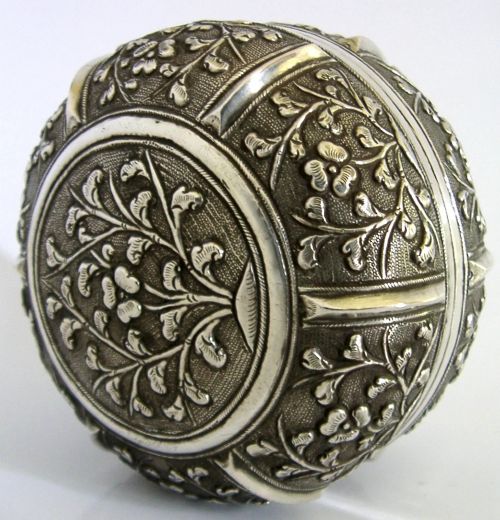


Victorian Asian Antiques
Victorian asian antiques bring together nineteenth-century British taste and eastern craftsmanship, offering everything from bronze temple vessels to lacquered cabinets.
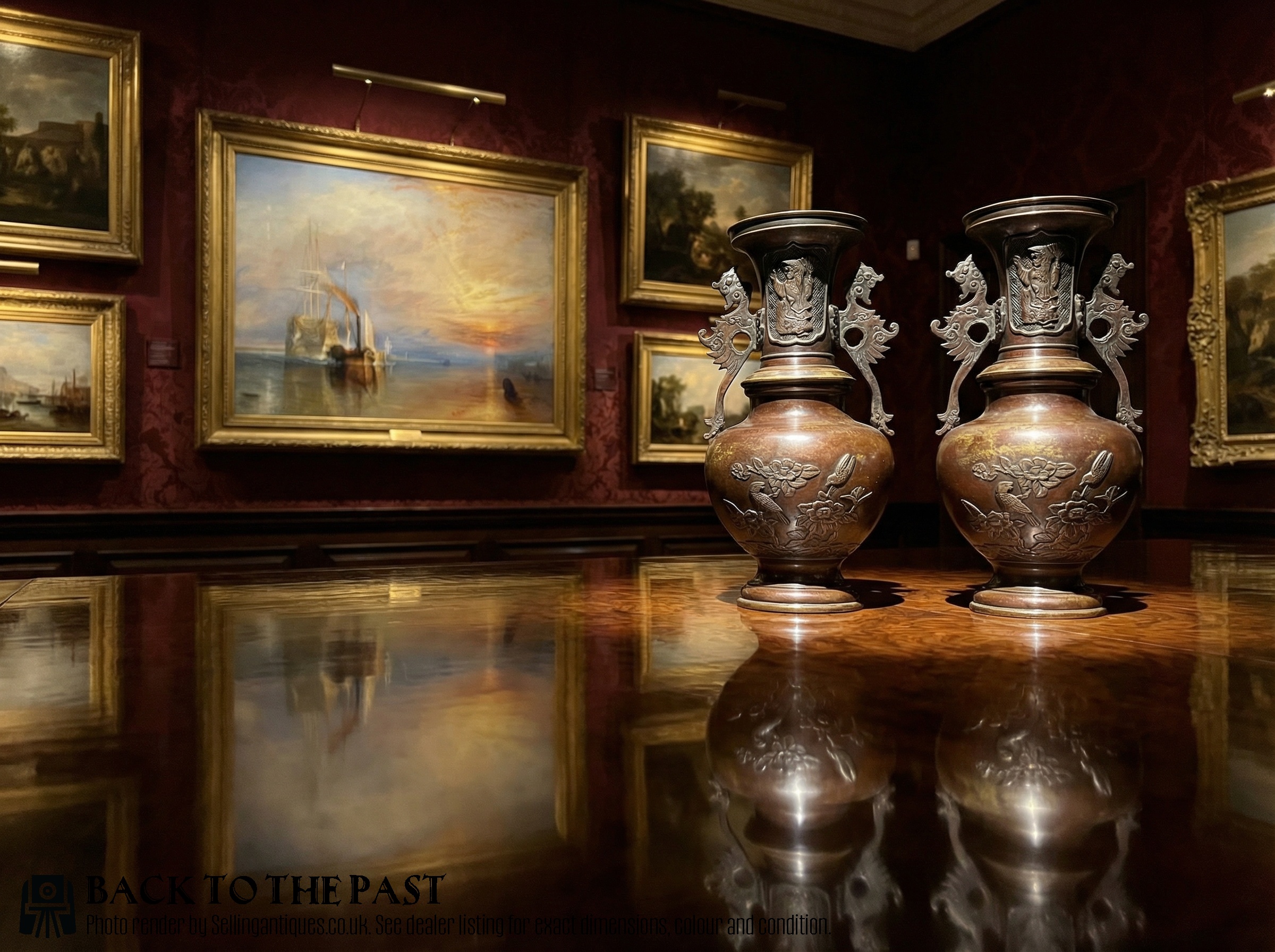
Victorian Asian Antiques
Victorian asian antiques combine nineteenth-century British collecting habits with decorative arts from Japan, China, Burma, and the wider East. Buyers search for these pieces to introduce distinct cultural narratives and rich textures into domestic interiors.
Many objects reflect the cross-cultural exchange of the nineteenth century, where European demand shaped eastern production. Practical items such as side tables, jardiniere planters, and table lamps sit alongside ceremonial figures and woodblock prints.
How they were made
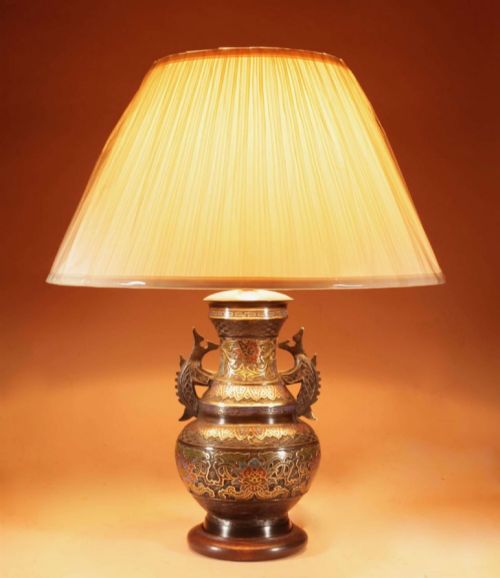
Bronze and brass casting formed the backbone of many metalwork pieces, often finished with champlevé enamel or detailed surface engraving. Hardwoods such as rosewood and elm provided structural integrity for furniture, cabinets, and plant stands.
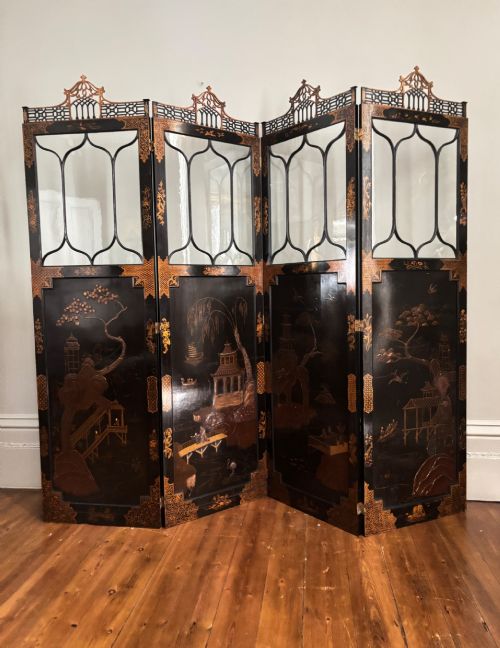
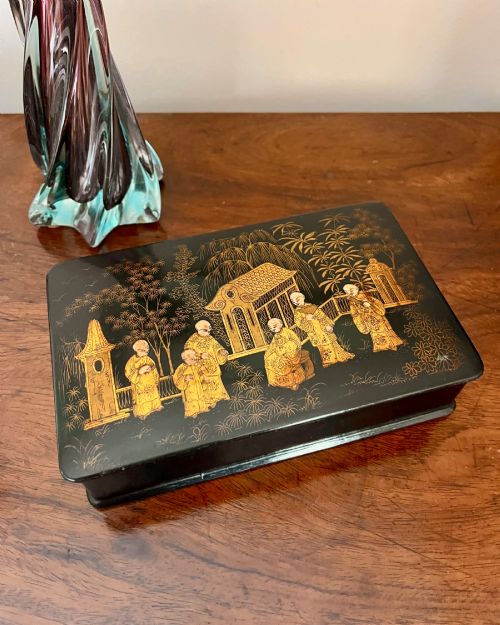
Lacquering techniques utilised natural tree saps built up in thin layers to create deep, glossy finishes on boxes and screens. Textiles relied on traditional weaving methods, seen in wool carpets and hand-embroidered suzani hangings.
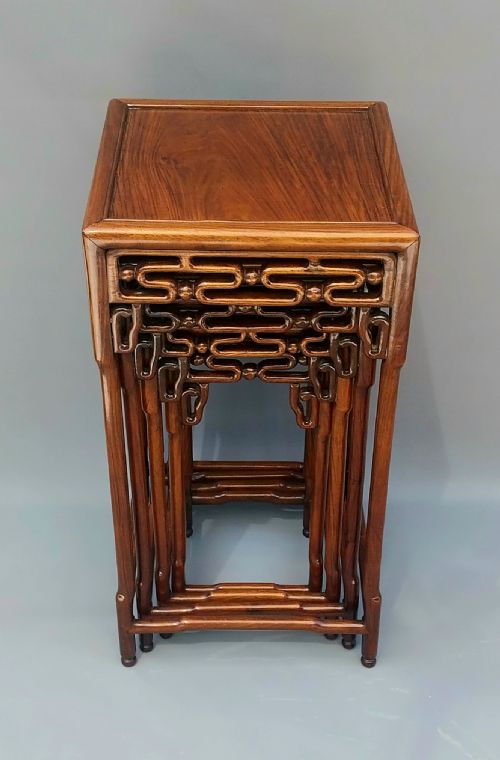
The inventory spans diverse functional forms, recording items from large temple chairs and nesting tables to walking stick swords.
What varies in quality
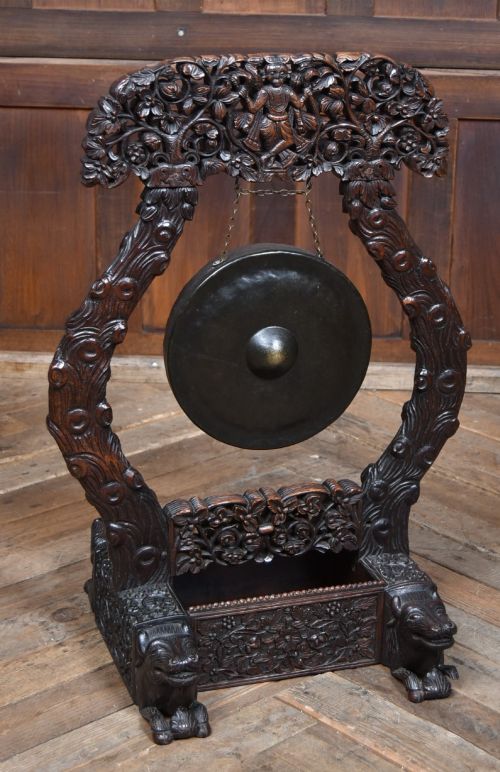
Quality rests heavily on the depth of hand-carving in hardwoods and the precision of detail in metalwork decoration. Superior examples demonstrate rigorous control in enamel application and balanced proportions across large furniture items.
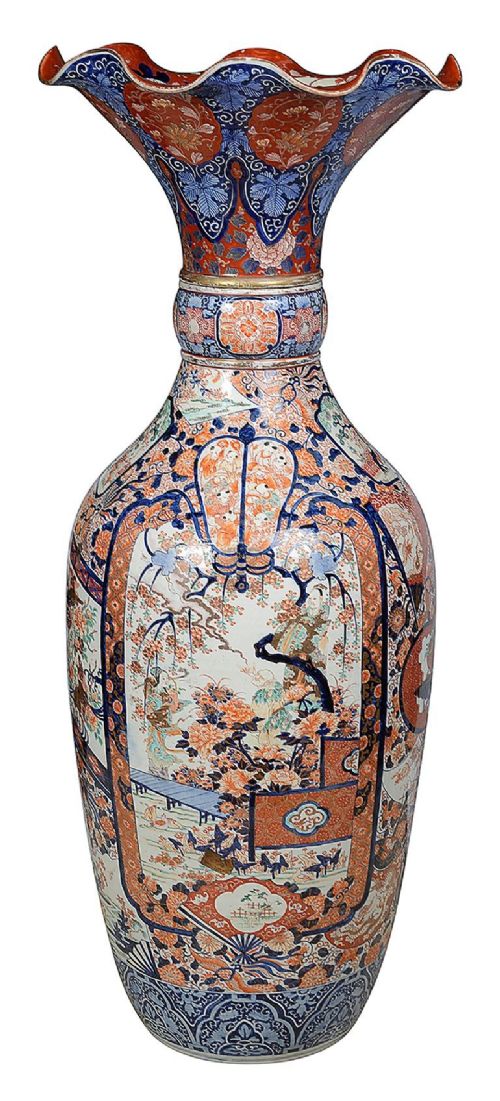
The distinction between standard decorative items and high-end collector pieces depends on the finesse of individual brushwork on porcelain and the integrity of original surface finishes.
The Victorian Asian Antiques Glossary
- Meiji Period
- The era in Japanese history spanning from 1868 to 1912, characterised by a surge in decorative arts produced for western export. This period yielded much of the intricate bronze and Satsuma pottery found in nineteenth-century collections.
- Chinoiserie
- European interpretation and imitation of Chinese and East Asian artistic traditions, popular in furniture and decorative schemes. Artisans applied these whimsical motifs to cabinets, boxes, and screens.
- Jardiniere
- A decorative ceramic, brass, or bronze bowl designed to hold plants or flowers. These vessels often served as prominent interior focal points in Victorian reception rooms.
- Satsuma
- A type of Japanese earthenware featuring a pale, ivory-glazed crackle surface decorated with elaborate polychrome enamels and gilding. These ceramics were widely exhibited at international expositions.
- Hongmu
- A dense, dark tropical hardwood used by Chinese craftsmen to produce fine furniture and display stands. The term translates literally to red wood and denotes high structural strength.
Victorian Asian Antiques: Frequently Asked Questions
What defines Victorian asian antiques?
These pieces represent nineteenth-century British acquisitions and imports from eastern markets, blending local Victorian domestic utility with distinct Asian craftsmanship.
They encompass a diverse range of decorative and functional objects, from bronze ritual vessels to lacquered storage boxes.
How were bronze vessels used?
Many bronze items served ceremonial or decorative functions within eastern temples and households before entering the Victorian market.
In British homes, these vessels often found new life as ornamental display pieces, umbrella stands, or converted lamp bases.
How do I identify Meiji period metalwork?
Meiji period metalwork typically displays exceptional casting skill, utilising bronze, brass, and applied champlevé enamel to depict natural or mythological scenes.
Items from this era frequently arrived in Britain during the late nineteenth century following the opening of Japanese trade ports.
Where do Chinoiserie cabinets fit in?
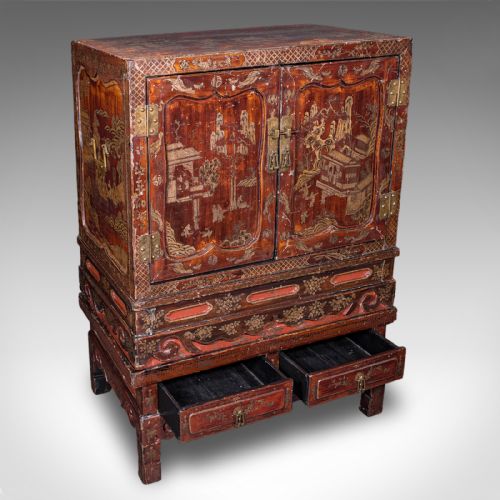
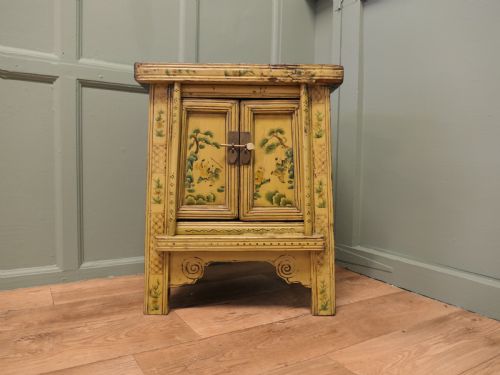
Chinoiserie cabinets reflect the European fascination with eastern aesthetics, combining domestic furniture forms with hand-painted lacquer decoration.
These storage pieces brought exotic visual narratives into nineteenth-century parlours and drawing rooms.
How do I care for lacquered boxes?
Lacquered surfaces require stable indoor humidity levels and protection from direct sunlight to prevent drying and cracking.
Gentle dusting with a soft, dry cloth is sufficient to maintain the glossy finish without chemical polishes.