
Upholstered Wing Armchair
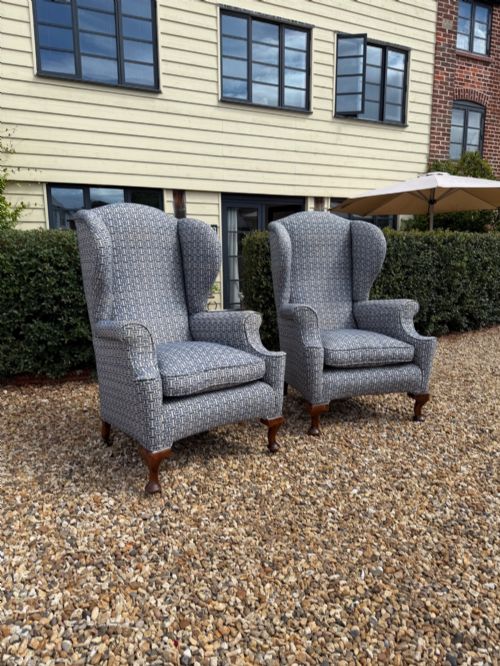
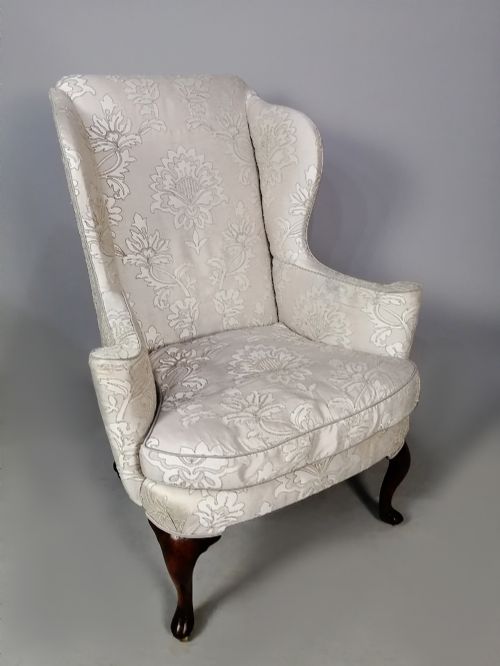
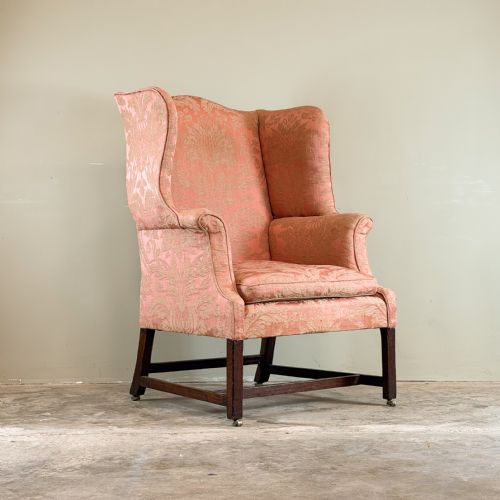
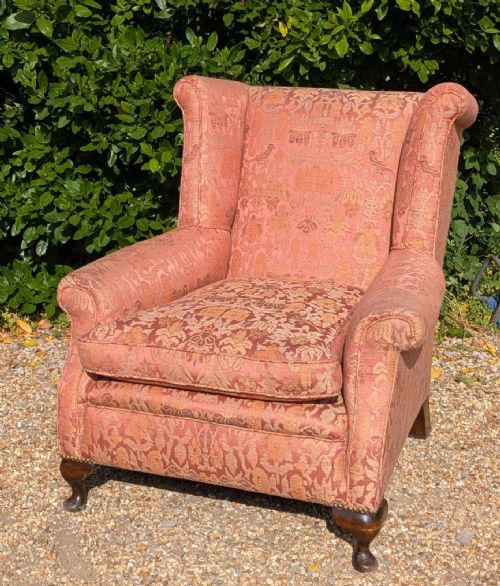
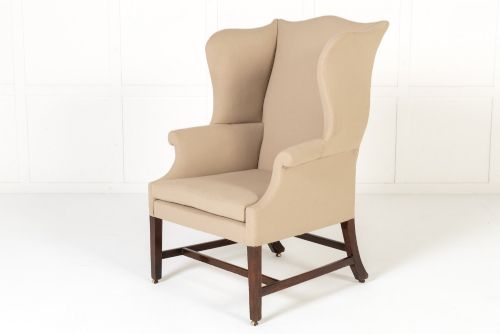
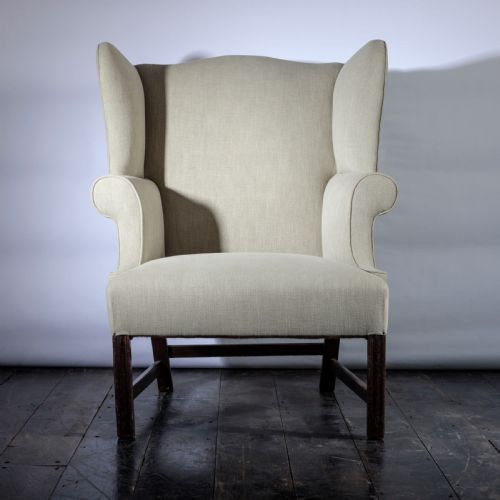
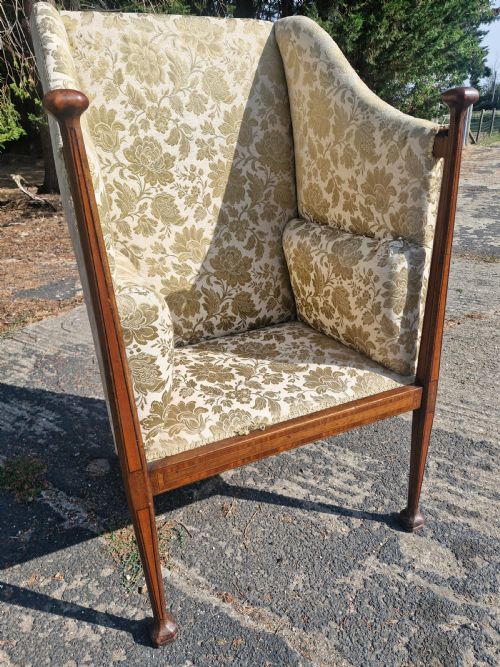
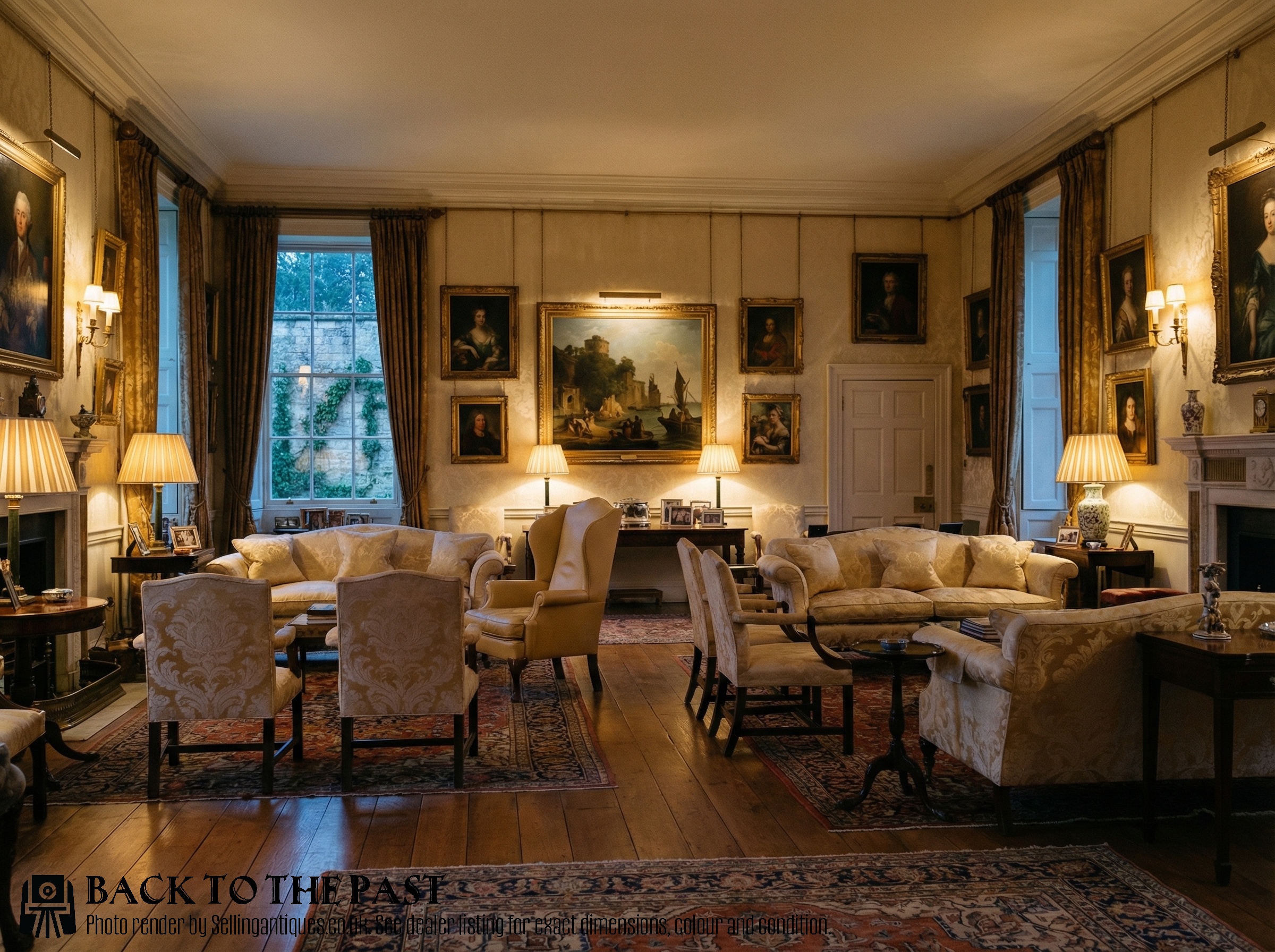
An upholstered wing armchair provides high-backed draught protection with distinct side panels, combining solid timber framing with deep textile padding for fireside comfort.
How they were made
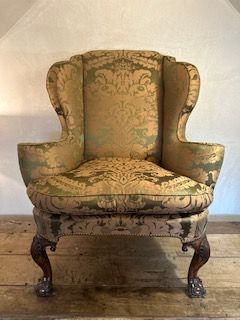
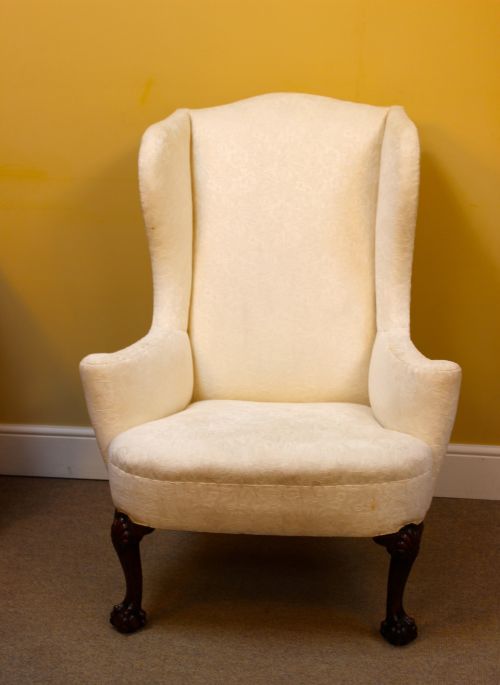
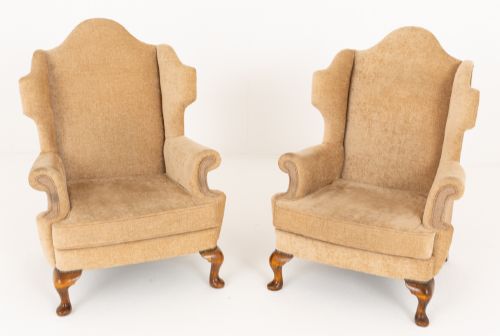
The underlying structure relies on native hardwoods such as mahogany, walnut, and oak, providing a rigid skeleton for the heavy padding. Wood frames often display carved details on the legs, including ball and claw feet.
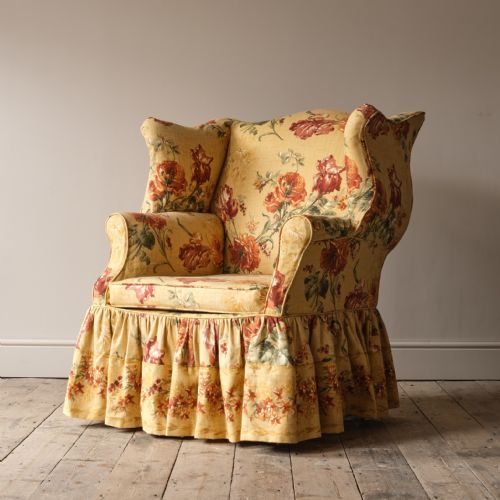
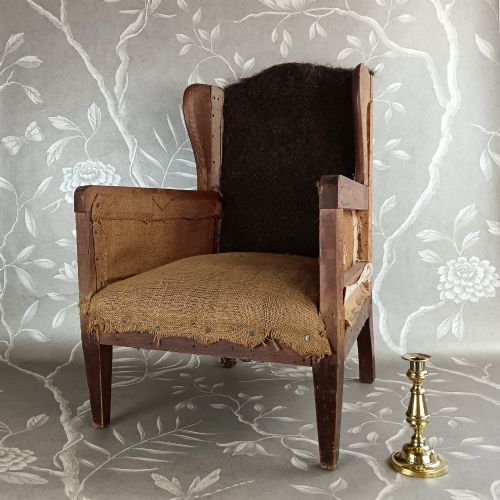
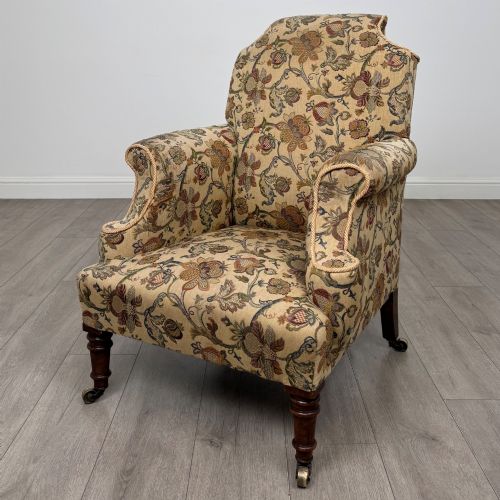
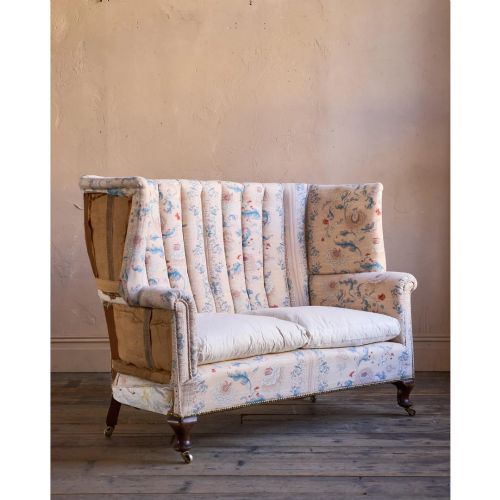
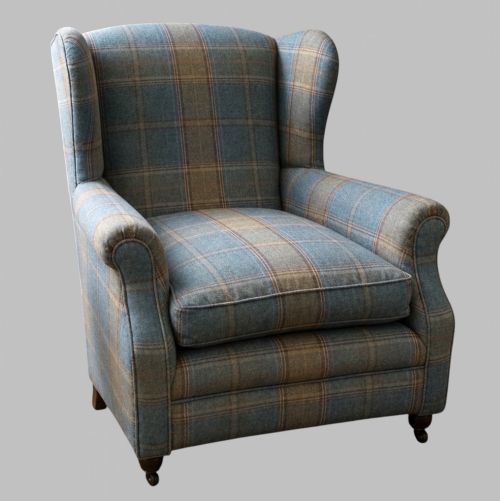
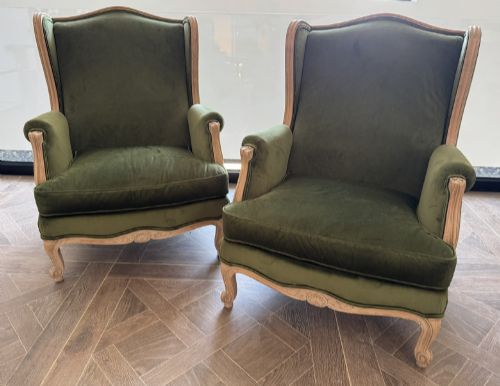
Traditional upholstery techniques utilise stuffed fillings covered in a vast array of textiles, ranging from leather and velvet to wool plaid and modern calico. Brass tacks frequently secure the outer edges of the fabric to the wooden rails.
What varies in quality
The distinction between ordinary and superior pieces rests upon the integrity of the timber frame and the depth of the original proportions. Finer examples retain their substantial scale and well-defined wing contours without structural compromise.
Craftsmanship shows in the precision of the joinery and the grace of the carved elements, such as cabriole legs. The harmony between the internal stuffing and the exterior textile finish also dictates the overall standard.
Upholstered Wing Armchair Retail Price Guide 2026
Typical asking prices for upholstered wing armchair among the pieces listed under this phrase on Sellingantiques today, from the lower quarter to the upper quarter. They describe what is for sale here now, not the wider market.
Compact child-sized wing armchairs prove that miniature draught protection was serious business for historic toddlers.
Howard And Sons·Whytock & Reid
The Upholstered Wing Armchair Glossary
- Wingback
- A chair design featuring projecting side panels attached to the arms or back to block cold air. This configuration became prominent in domestic interiors during the eighteenth century.
- Cabriole leg
- A furniture leg that curves outward in a convex arc and tapers inward in a concave arc, frequently ending in a pad or ball and claw foot. It is a defining characteristic of Georgian and revival seating.
- Barrel back
- A semicircular chair design where the upholstered back and arms form a single continuous, curving enclosure. This style offers enhanced enclosure compared to standard flat-backed chairs.
- Ball and claw
- A foot motif carved to resemble a bird's talon clutching a spherical ball. This detail appears frequently on eighteenth-century and Edwardian mahogany frames.
- Chenille
- A fuzzy, tufted fabric utilising yarn designed to resemble a caterpillar, often chosen for upholstery. It provides a tactile, textured surface to heavy nineteenth-century armchairs.
Upholstered Wing Armchair: Frequently Asked Questions
What is the purpose of the wings?
The side panels were originally engineered to trap heat from a hearth while blocking cold draughts in large, poorly heated rooms.
Over time, they evolved into a decorative feature that also offered privacy and acoustic dampening for readers.
How do I identify a Georgian piece?
Authentic pieces from this period typically feature dense mahogany or walnut frames with restrained, elegant carvings on the legs and stretchers.
Construction methods rely on traditional joinery techniques without modern metal fasteners, often showing considerable weight and age in the wood.
Can I use these chairs daily?
Many examples are structurally robust enough for regular sitting, provided the internal webbing and padding have been properly maintained or restored.
Library and fireside variants were built precisely for extended daily use, though delicate antique textiles may require careful treatment.
What is a barrel back chair?
A barrel back incorporates a rounded, curving upper section where the backrest flows directly into the armrests without sharp angles.
This enclosed shape creates a cocoon-like seat that maximises protection against ambient room draughts.