

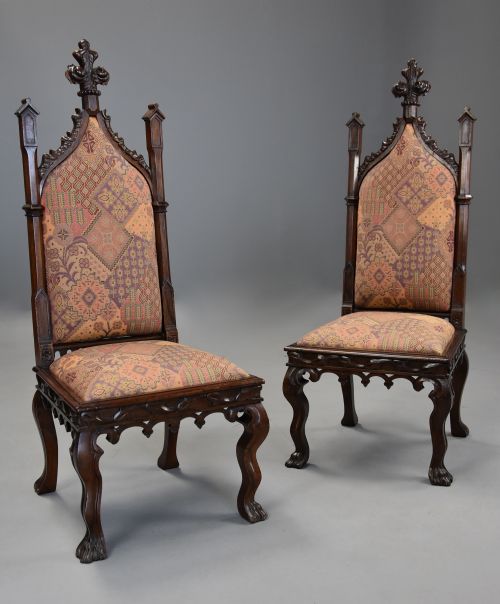
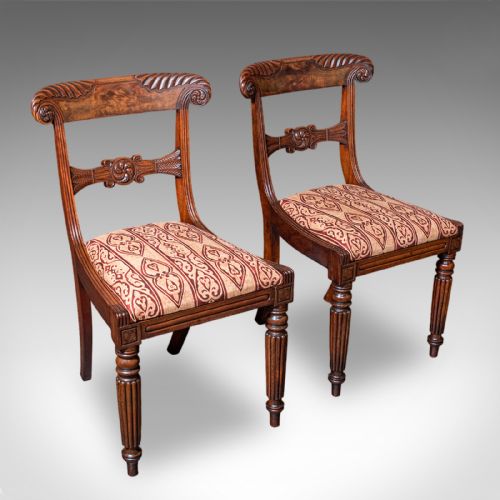
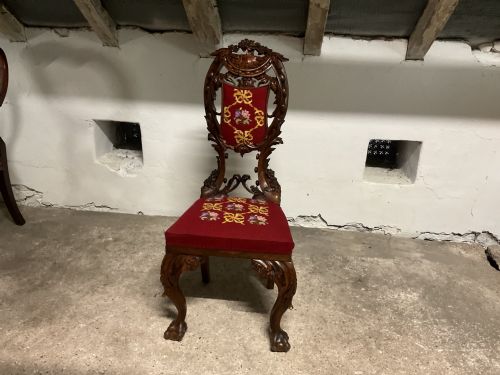
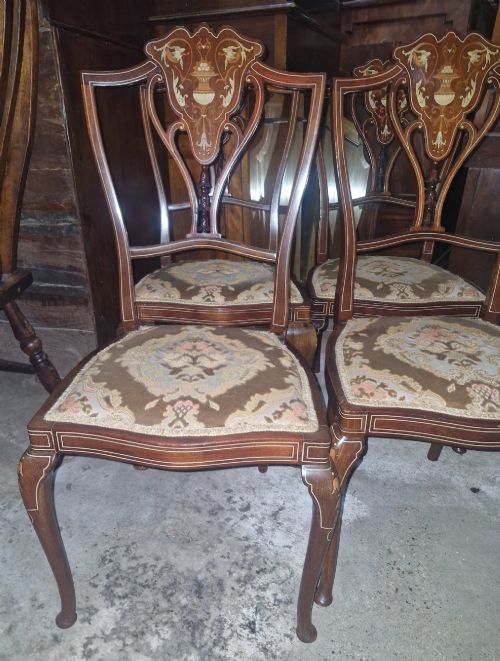
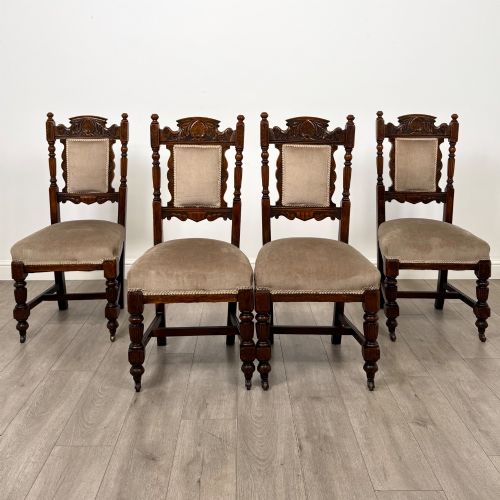
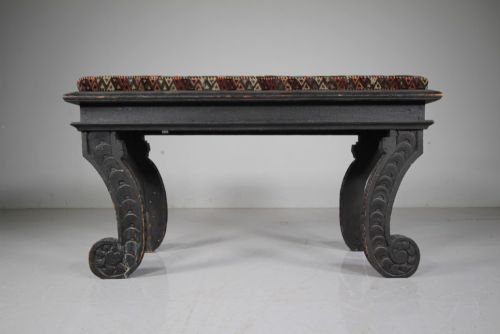
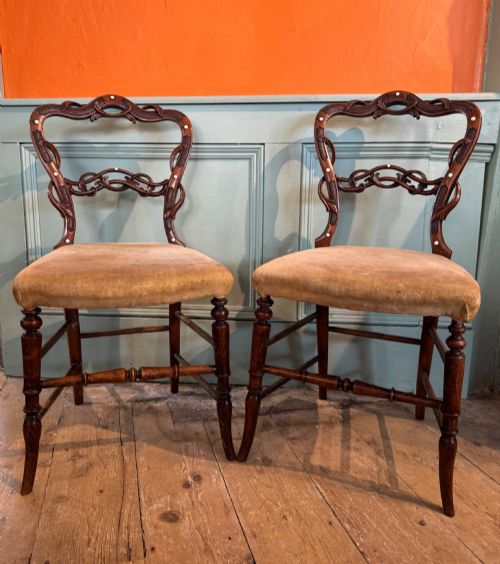
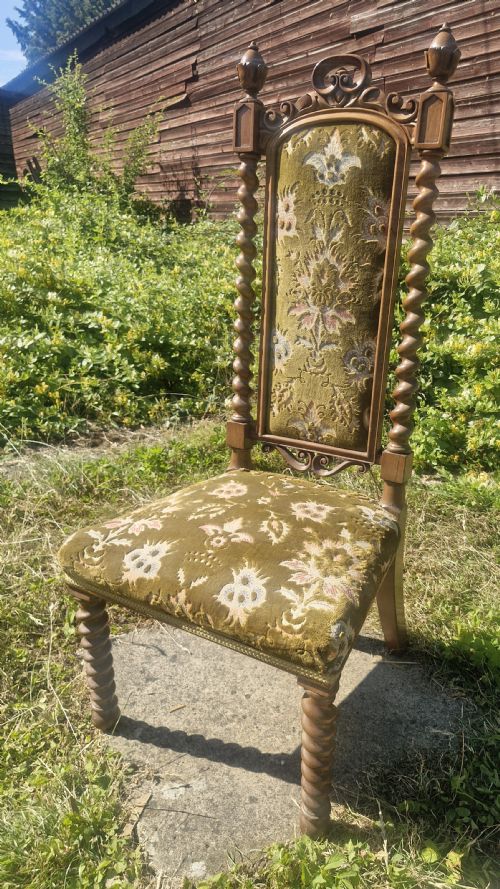
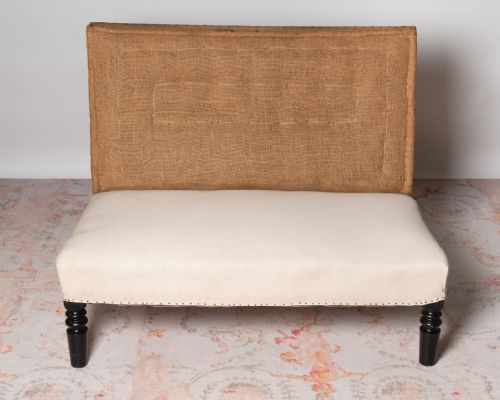
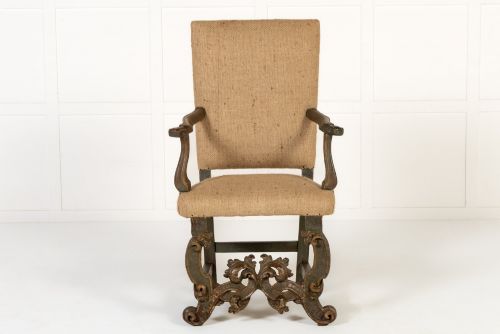
Upholstered Hall Seat
When you need an upholstered hall seat, you are looking at practical entrance furniture built in mahogany, oak and walnut across several centuries.
Upholstered Hall Seat
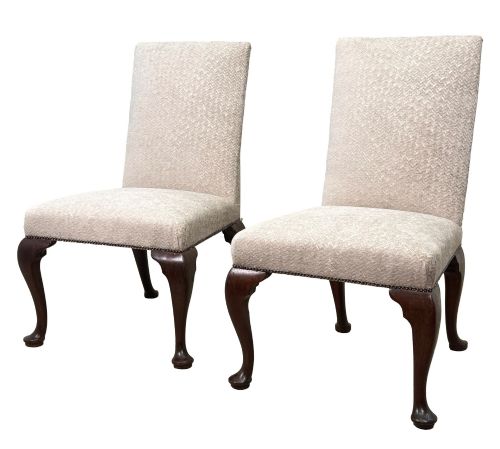
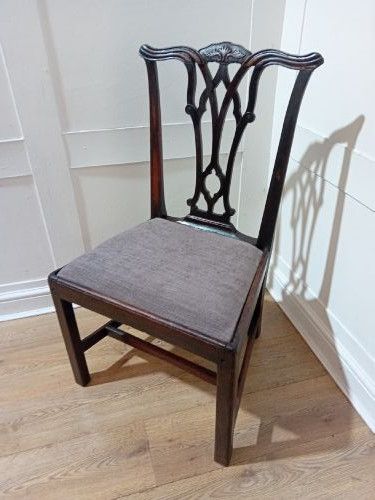
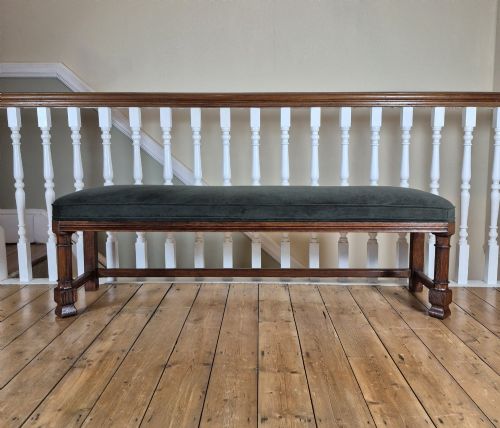
An upholstered hall seat serves as practical entrance furniture, providing a place to sit while removing boots or waiting in a reception space. When searching for an upholstered hall seat, you encounter forms ranging from single side chairs and benches to window seats and settles.
The pieces appearing here span multiple eras, including Georgian, Victorian, Edwardian and Regency periods. You will regularly find mahogany, oak and walnut examples alongside walnut benches and side chairs originating from various workshops.
How They Were Made
Cabinetmakers utilised hardwoods such as mahogany, oak, rosewood and walnut for the structural frames, often incorporating carved details, scroll backs or inlaid satinwood. Wood framing provides the essential rigidity required for everyday seating in hallways and reception rooms.
Textiles, leather, fabric and tapestry provide the surface cushioning, secured to wood bases with brass tacks or hidden fixings. Makers combined traditional joinery with upholstery techniques to create functional entrance furniture.
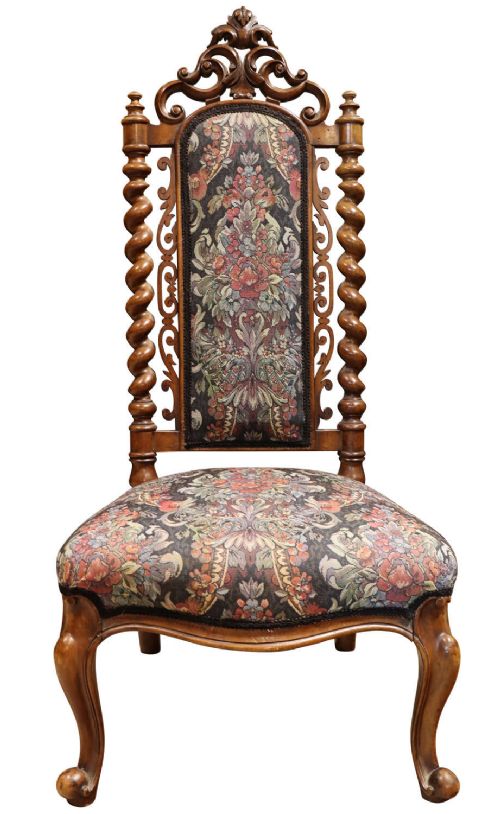
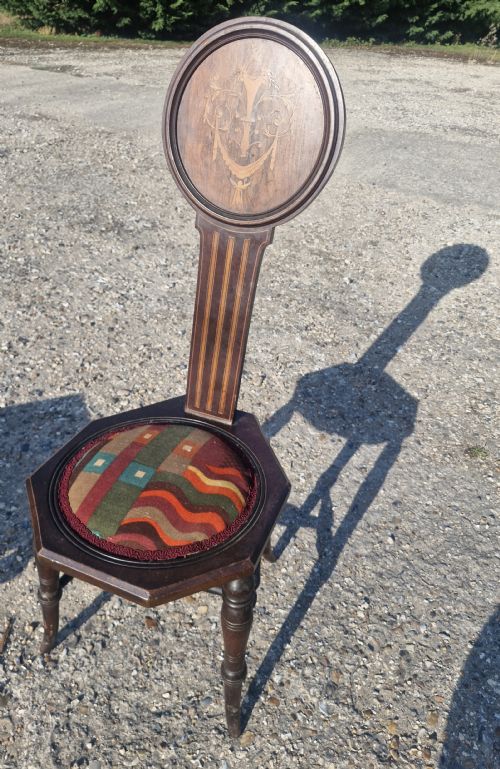
One inquisitive Edwardian spinning chair waits patiently among the benches, ready for a yarn.
What Varies in Quality
The refinement of the timber carving and the selection of figured woods separate standard examples from finer pieces. Superior items display crisp mouldings, carefully matched veneers and robust frame construction.
The integrity of the original structure and the quality of the upholstery materials determine the overall execution. Pieces retaining their early or period textiles alongside sound wooden frames command greater appreciation among collectors.
Charles Tozer·W.A. Willcocks·Gillows of Lancaster·Waring & Gillow
The Upholstered Hall Seat Glossary
- Settle
- A wooden bench with high back and solid arms, designed to block draughts in entrance halls. These sturdy seats often incorporated storage beneath the hinged lid.
- Window Seat
- A narrow bench or stool specifically proportioned to sit within a bay or window recess. They frequently appear with upholstered tops and scroll-carved wooden ends.
- Side Chair
- An upright chair without arms designed to stand against a wall when not in use around a table. These form a large proportion of the seating found in hallways.
- Gothic Revival
- A design style drawing inspiration from medieval architecture, seen in pointed arches and tracery. Pieces in this manner often utilise heavy oak or walnut.
Upholstered Hall Seat: Frequently Asked Questions
Where should I place an upholstered hall seat?
These pieces suit entrance halls, boot rooms and wide corridors where a sturdy seat is useful for putting on shoes. They also function well in reception rooms and large bedrooms beneath windows.
Position the seat away from direct heat sources and strong sunlight to protect the wooden frame and textile upholstery from fading or drying out over time.
How do I care for the wood and fabric?
Dust wooden frames regularly with a soft, dry cloth and nourish the timber periodically with appropriate wax. Avoid using modern chemical polishes that can build up and dull the finish.
Vacuum upholstered surfaces gently using a low suction attachment to remove surface dirt. Consult a professional conservator for deeper cleaning of antique textiles and leather.
Are these seats comfortable for daily use?
Most antique entrance seating is firmer than modern upholstered furniture because period makers used traditional stuffing materials like horsehair and wool. They provide upright support rather than deep lounging comfort.
Consider how the seat height and depth match your household needs if you plan to use it frequently for daily boot removal.
How can I tell the period of a hall seat?
Examine the wood species, construction methods and decorative styles to determine the era of manufacture. Georgian pieces often display mahogany with classical carved details, while Victorian items frequently feature heavier rosewood or oak with Gothic or Rococo revival motifs.
Look for tool marks, screw types and general wear patterns on the underside of the frame, which help reveal the age of the construction.