



Classical Carved Bench
A classical carved bench brings architectural presence into a room, offering enduring seating shaped by neoclassical design.
Classical Carved Bench
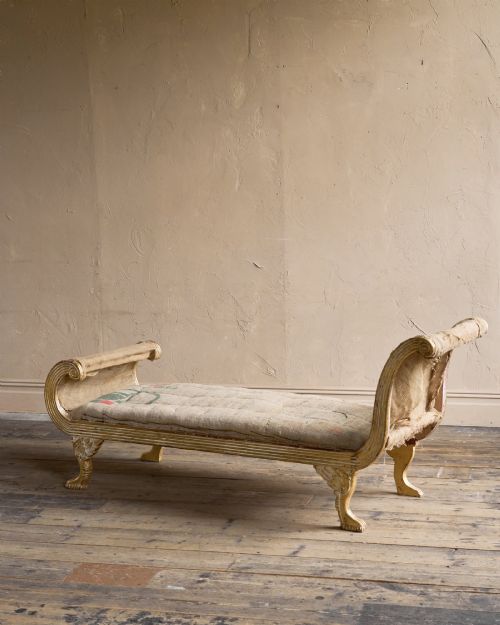
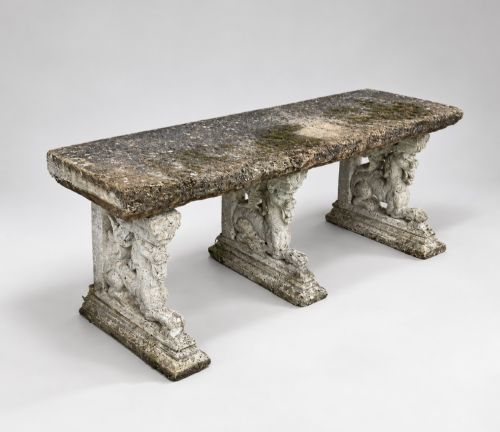
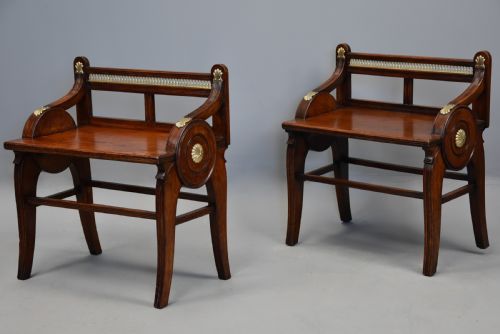
When you search for a classical carved bench, you encounter a selection spanning the Regency, Victorian, and Edwardian eras, predominantly built as window seats, hall benches, and X-frame curule stools. These pieces draw heavily on historical forms, utilising mahogany, oak, and giltwood frames shaped by neoclassical and Regency design influences.
The assortment on this page leans toward smaller seating forms like footstools and window seats alongside larger sofas and settees. Mahogany and oak examples dominate the listings, often paired with traditional upholstery fabrics such as damask or cane panels.
Origins stretch across British workshops and Italian makers, displaying styles from Grand Regency to Italian Neoclassical and Louis XVI. Each piece reflects the enduring appeal of classical ornamentation adapted for domestic use across the nineteenth and early twentieth centuries.
Materials and construction methods
Makers of the period relied on dense hardwoods like mahogany and oak to provide a sturdy structural skeleton capable of supporting intricate hand-carved details. Giltwood and gesso finishes appear on Italian pieces, creating a bright metallic surface layer over carved wooden cores.
Upholstery techniques involved traditional stuffing secured beneath fabric coverings such as patterned damask, needlework, or woven cane seats. Brass mountings and inlay work were frequently added to accent the wooden frames of hall benches and settees.
Classical Carved Bench Retail Price Guide 2026
Typical asking prices for classical carved bench among the pieces listed under this phrase on Sellingantiques today, from the lower quarter to the upper quarter. They describe what is for sale here now, not the wider market.
Materials appearing across the current selection include mahogany, oak, brass, giltwood, gesso, cane, and various upholstery fabrics.
Distinctions in craftsmanship
The standard of carving defines the upper tier of these pieces, showing crisp, deep relief work in the mahogany or oak rather than shallow stamping. Joints built with traditional joinery methods rather than modern metal fasteners indicate superior workshop execution.
The integrity of the original frame structure and the quality of applied surface treatments, from gilding to polished wood grain, set finer examples apart. Pieces that retain period upholstery elements or high-grade secondary materials like brass mounts represent a more refined level of production.
James Shoolbred & Co.·Miles & Edwards
The Classical Carved Bench Glossary
- Curule stool
- An ancient Roman magistrate seat form revived during the neoclassical periods, featuring crossed legs that form an X-shape. These stools often incorporate upholstered seats and carved wooden framing.
- Window seat
- A long, narrow bench traditionally designed to fit within a window recess, often featuring scroll ends or low arms. They provide compact seating while maintaining open sightlines in a room.
- Gesso
- A plaster-like mixture applied to wooden frames as a smooth base for subsequent gilding or painting. It allows intricate low-relief ornamentation to be modelled directly onto the surface.
- Damask
- A reversible figured fabric traditionally woven on a jacquard loom, frequently utilised for period upholstery. Its pattern is formed through contrasting weaves that catch the light differently.
- X-frame
- A structural support design utilising two diagonal members crossing in the centre to form an X. This classical configuration provides both stability and decorative geometry to stools and benches.
Classical Carved Bench: Frequently Asked Questions
Where should I place a classical carved bench?
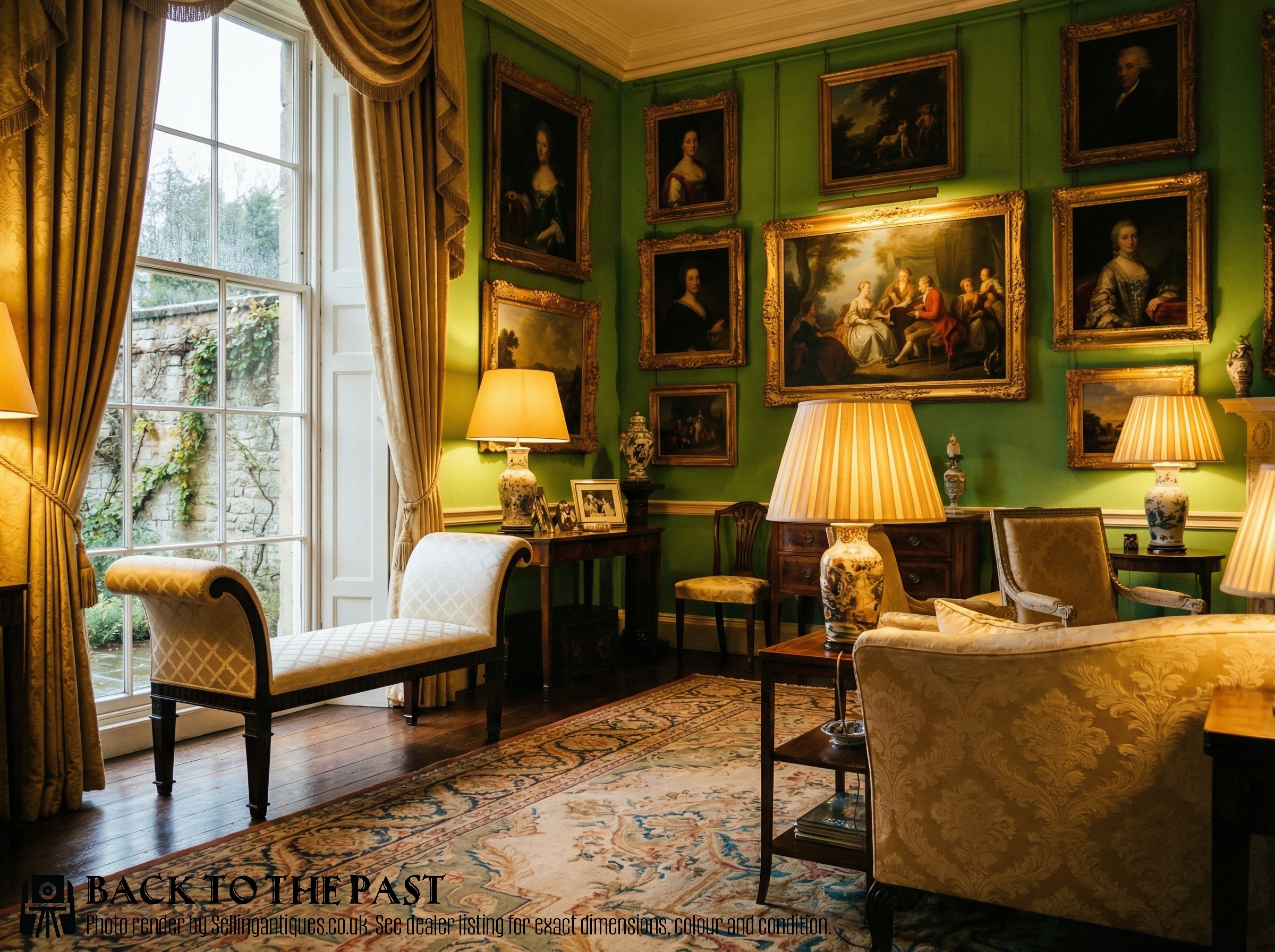
These benches suit narrow entryways, hallways, or positioned beneath bay windows where their low profiles avoid blocking natural light. They also function well at the foot of a bed or as supplementary seating in a living room.
Their architectural silhouettes and carved wooden frames allow them to anchor empty wall spaces or complement existing antique furniture groupings without overwhelming the room.
How do I identify a Regency period bench?
Regency pieces often display clean classical lines influenced by ancient Greek and Roman designs, frequently executed in dark mahogany with bold scroll ends or X-frame structures. Look for restrained classical carving motifs rather than heavy Victorian ornamentation.
The proportions tend to be architectural and balanced, sometimes incorporating brass mounts or reeded legs that reflect the aesthetic of the early nineteenth century.
What is the difference between a hall bench and a window seat?
Hall benches are typically constructed from sturdy woods like oak, designed to stand against entranceway walls with solid backs or open panel work. They provide robust seating intended for high-traffic areas.
Window seats are generally lower and more decorative, featuring scroll ends or upholstered tops tailored for relaxation rather than heavy utility in a passage.
How do I care for antique wood and gilt furniture?
Keep wooden frames away from direct sunlight and sudden temperature changes to prevent the timber from drying out or splitting. Dust regularly with a soft, dry cloth without applying modern chemical sprays.
Giltwood and gesso surfaces require particular care, as moisture and abrasive cleaners can damage the delicate metallic finish.