
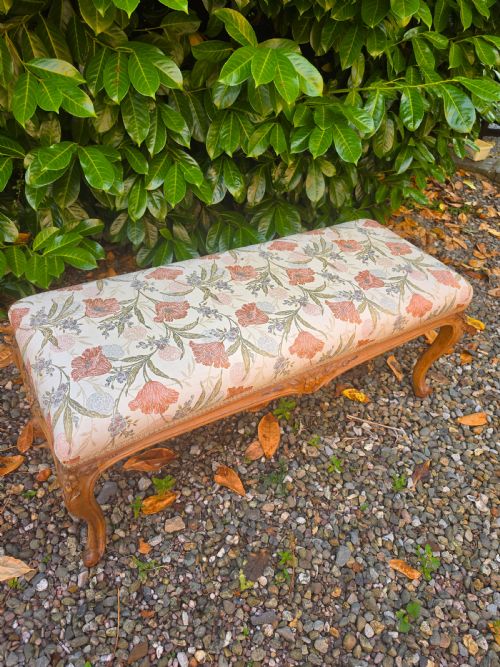
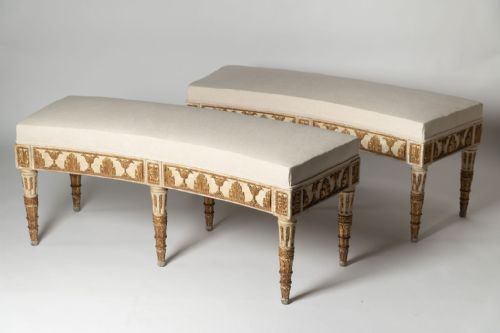
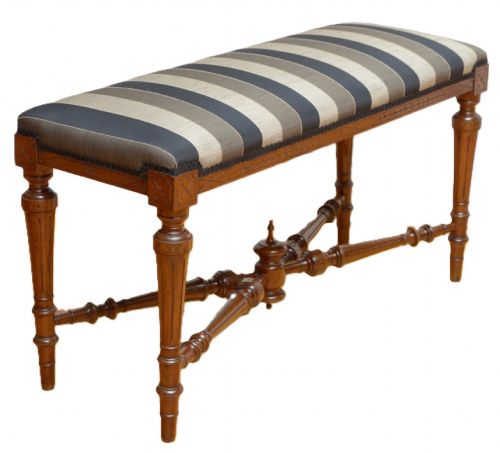

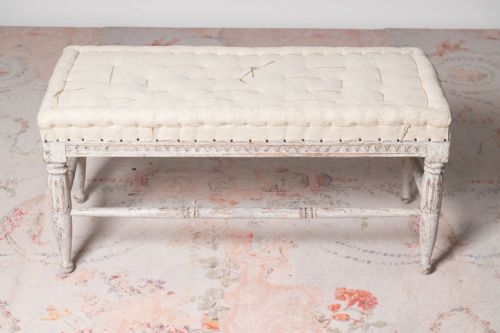
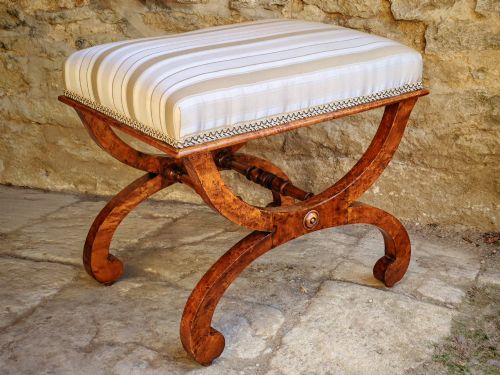


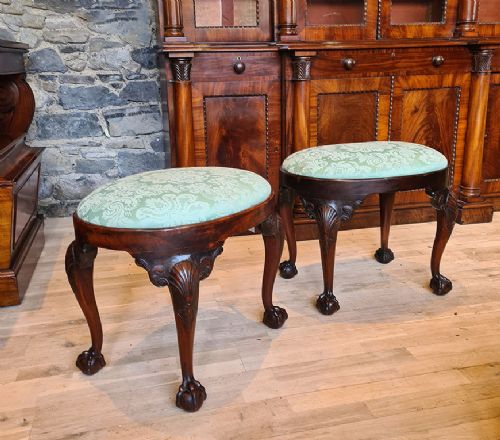


Padded Window Seat
These padded window seat pieces offer low-profile seating beneath sills, built from hardwoods and textiles across multiple historic periods.
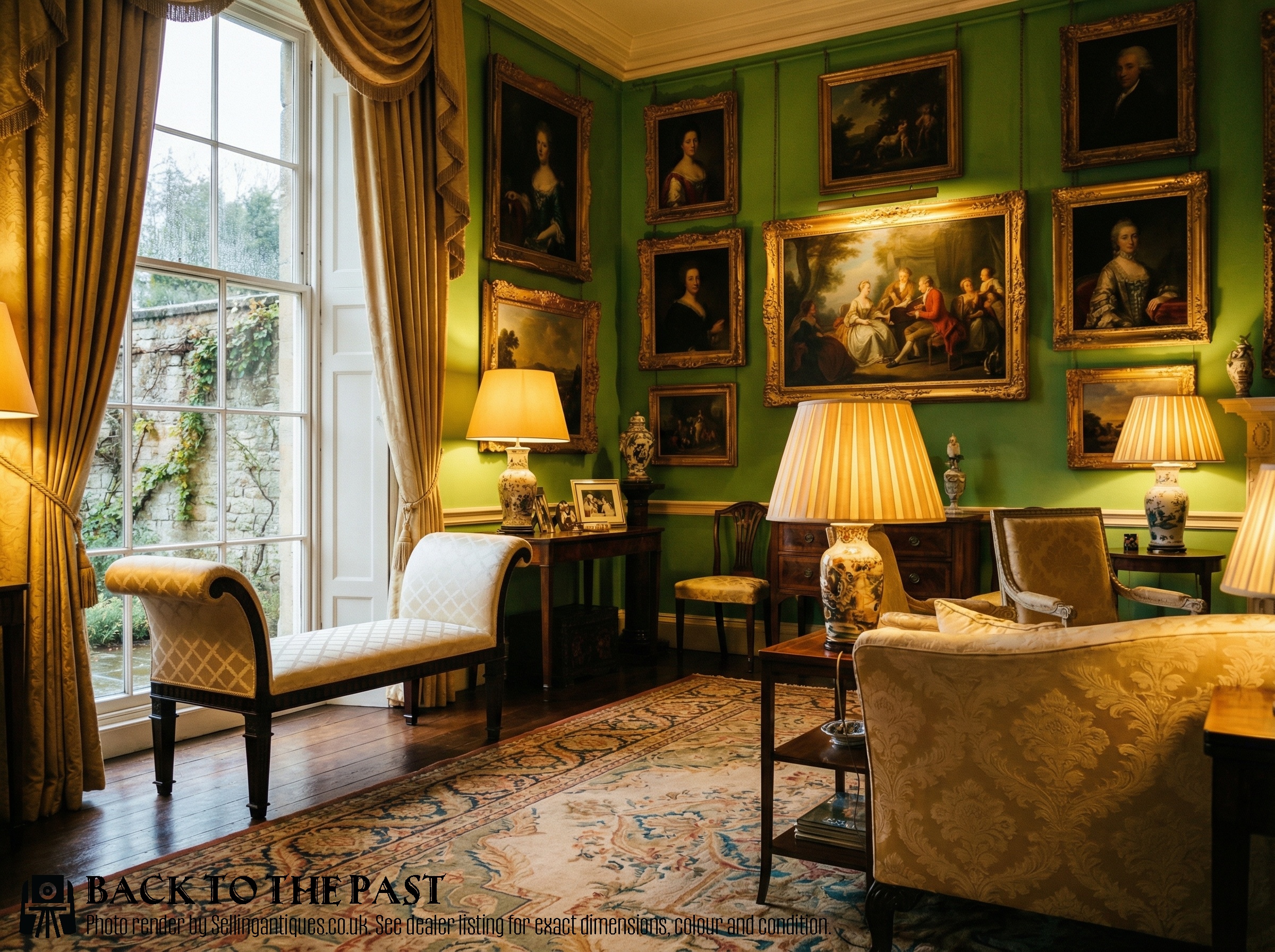
Padded Window Seat
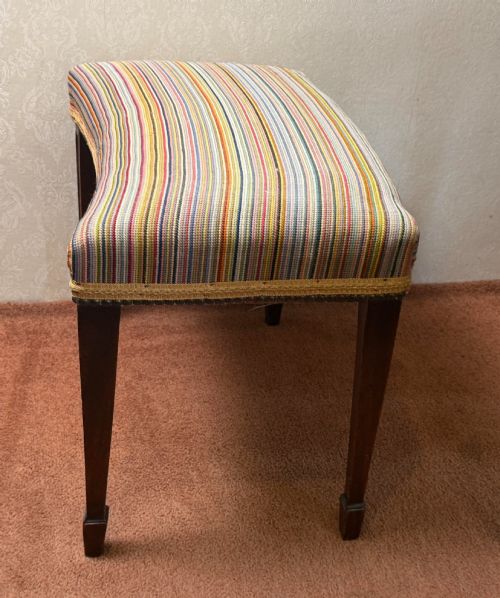
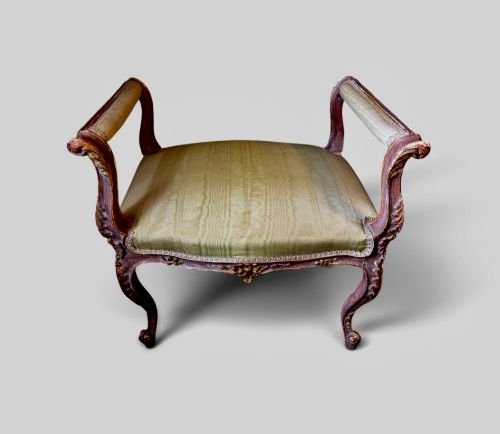
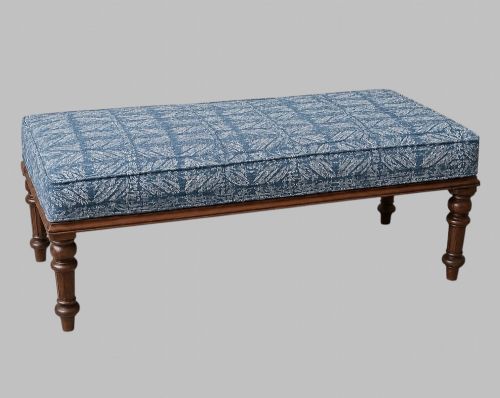
A padded window seat provides low-slung seating designed to fit beneath a room's fenestration, appearing in forms such as benches, duet stools, and ottomans. The listings show examples spanning the eighteenth, nineteenth, and early twentieth centuries, drawing on styles from Regency and Edwardian to Rococo Revival and Gothic.
Buyers meet variations built from mahogany, walnut, oak, and rosewood, carrying upholstery fabrics that range from plain linen to patterned velvet. Many pieces function equally well at the foot of a bed or along a hallway as they do below a glass pane.
Materials and construction
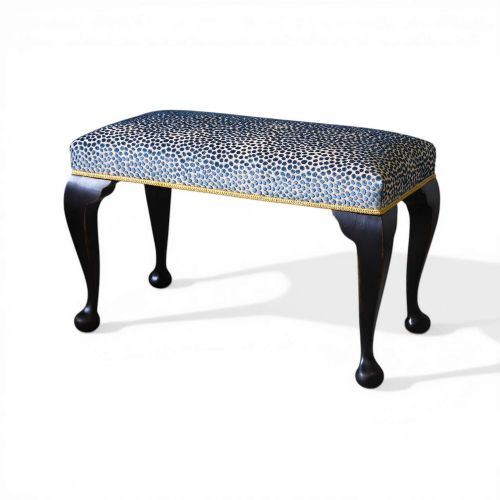
Makers shaped these frames from solid timbers including mahogany, walnut, oak, and ebonised woods, often carving cabriole, fluted, or square tapering legs. Some examples employ giltwood or painted finishes over the wooden structure.
The upper portion relies on textile upholstery, incorporating materials such as velvet, damask, and woven linen fabrics secured over padded internal foundations. Structural variations include hinged tops for storage and X-framed supports.
The material record on this page spans walnut, mahogany, oak, rosewood, and giltwood frames paired with textile and velvet upholstery.
Distinctions in quality
Quality rests in the precision of the timber carving and the architectural balance of the frame, where restrained lines and well-proportioned legs distinguish finer workshop output. Secondary woods and joinery methods reveal the care taken in concealed areas.
The integrity of the upholstery execution and the choice of textile cover also set examples apart. Period-appropriate fabrics and traditional stuffing methods elevate the finished piece.
The Padded Window Seat Glossary
- Duet stool
- A wider stool or bench designed to seat two people simultaneously, frequently found at piano tables or bedroom ends.
- Ebonised
- Wood finished with a dark stain or polish to imitate the appearance of expensive ebony timber.
- Cabriole leg
- A furniture leg that curves outward at the knee and inward at the ankle, ending in a pad or claw foot.
- X-frame
- A structural base formed by intersecting diagonal cross-members that support the seat above.
- Giltwood
- Timber coated with a thin layer of gold leaf or gold paint for decorative effect.
Padded Window Seat: Frequently Asked Questions
Where should a padded window seat go?
These low seats suit placement directly beneath a window bay, where their height allows occupants to sit without obstructing the view. They also function effectively at the foot of a bed or along a narrow hallway.
Their compact footprint makes them adaptable for extra seating in sitting rooms and bedrooms without overwhelming the floor space.
How do I identify a Victorian window seat?
Victorian examples frequently utilise dark hardwoods like walnut and mahogany, often featuring heavier carving, buttoned upholstery, or turned legs. The styles of this era lean toward revivalist forms such as Rococo or Gothic.
Proportions tend to be robust, and many carry hinged lids or double-seat formats designed for shared use.
What is a duet stool?
A duet stool is an elongated seat built to accommodate two individuals side by side. They appear frequently in nineteenth-century forms and were often placed in music rooms.
Many versions include internal storage accessed by lifting a hinged upholstered lid.
Can I use modern fabric on an antique frame?
Upholstery on antique seats is frequently renewed to suit contemporary interiors while preserving the wooden frame beneath. Using textile selections from makers like Robert Kime or Liberty maintains a sympathetic aesthetic.
The choice of covering material depends entirely on personal taste and the room's decorative scheme.