
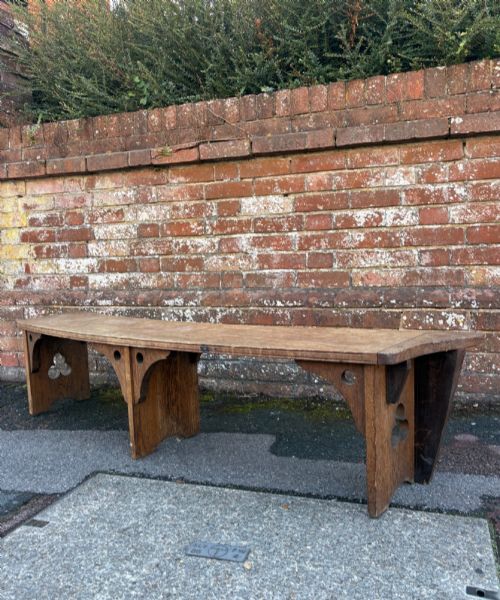
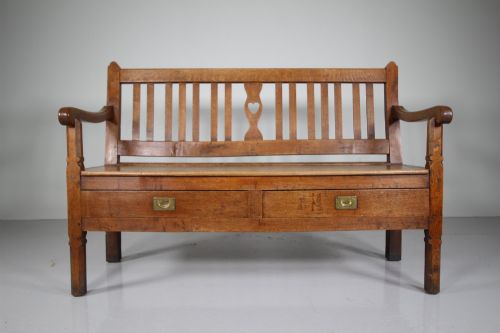
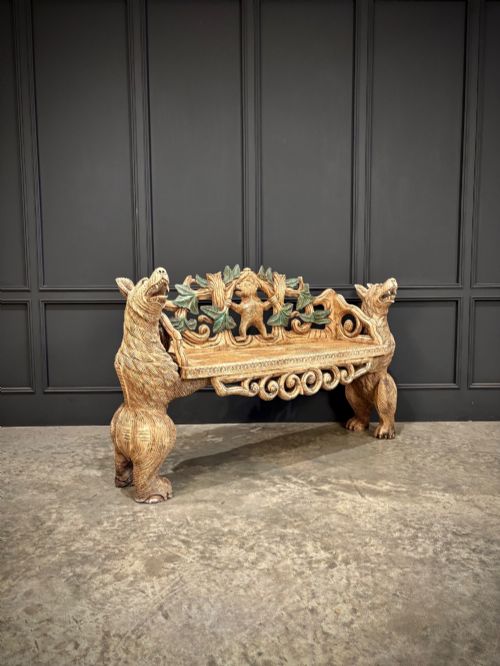

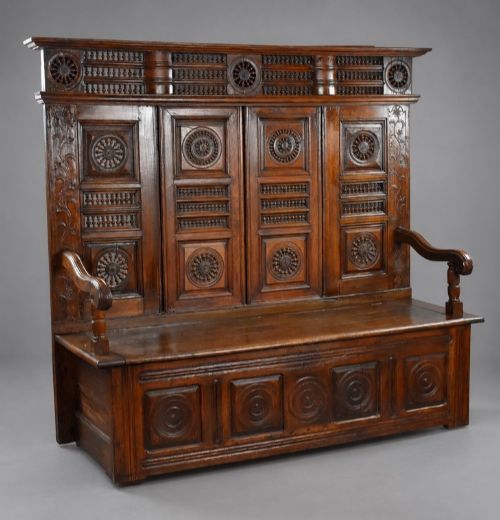
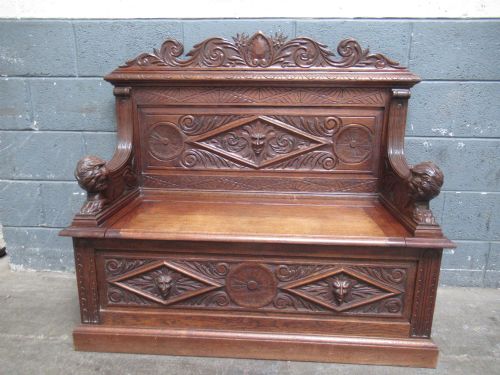
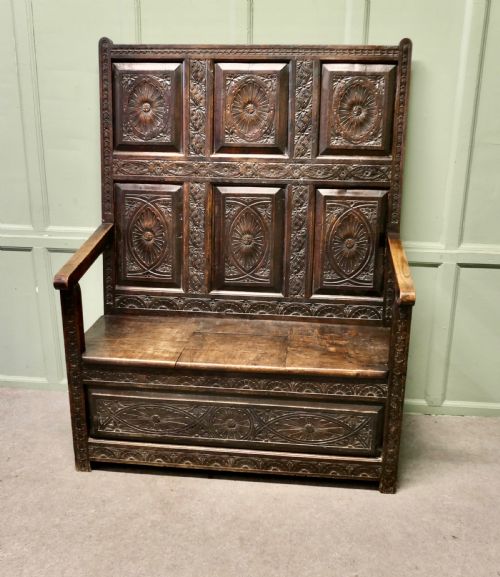
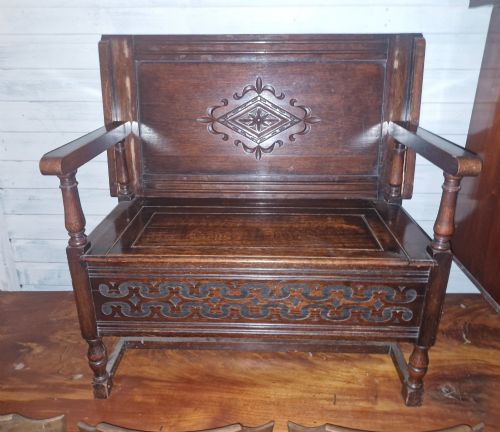
Carved Hall Bench
A carved hall bench greets visitors with solid timber presence, offering a practical seat and storage space in the entranceway.
Carved Hall Bench
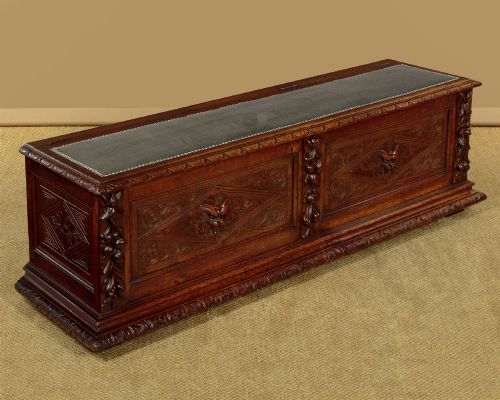
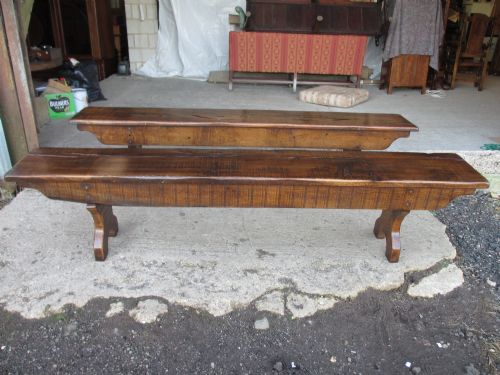
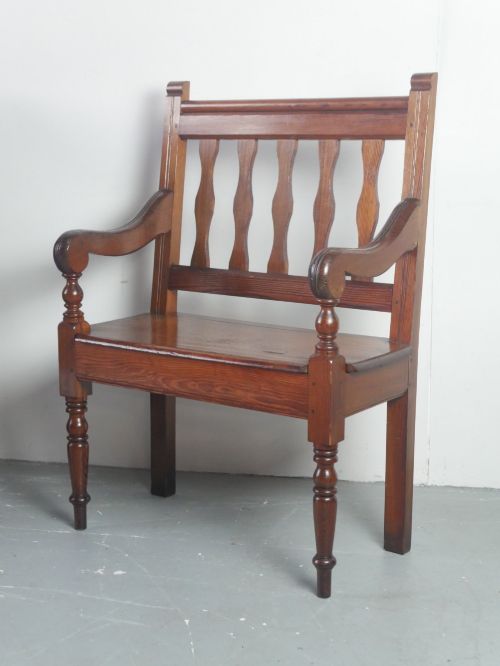
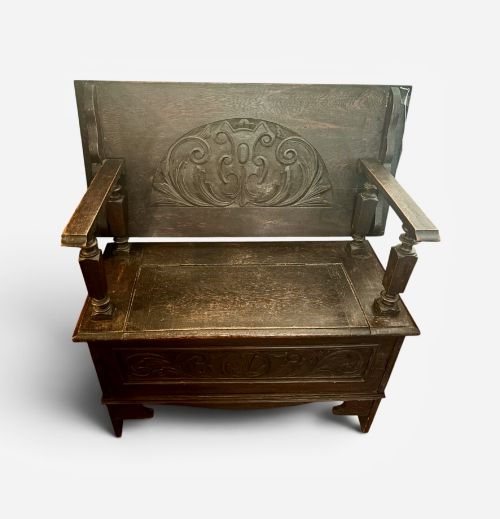
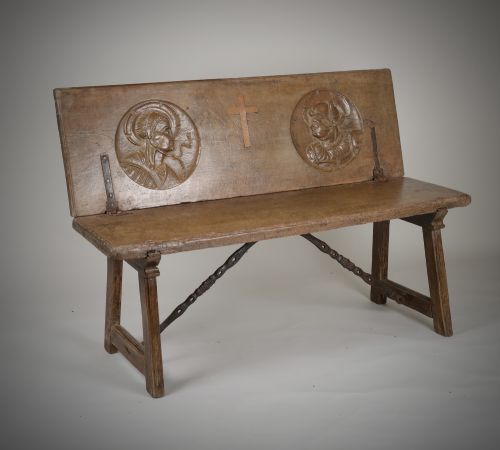
A carved hall bench serves as functional entryway furniture designed for seating and occasional storage within a hallway or vestibule. The form encompasses traditional settles, box benches, monk's benches with fold-over tops, and window seats originating from various periods.
Most examples encountered here are constructed from solid oak and date from the Victorian era through the early twentieth century. These pieces frequently display revivalist decoration, including Gothic, Jacobean, and Arts and Crafts motifs.
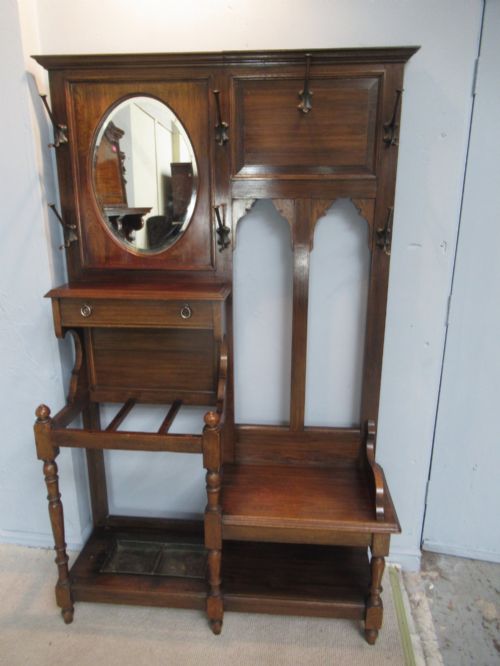
Alternative iterations include mahogany window seats, walnut cassapancas, and occasional painted pine or hardwood variants from the eighteenth and nineteenth centuries. Makers often integrated practical elements such as stick stands, coat hooks, or lift-up lids for utility.
Distinctions in construction and design
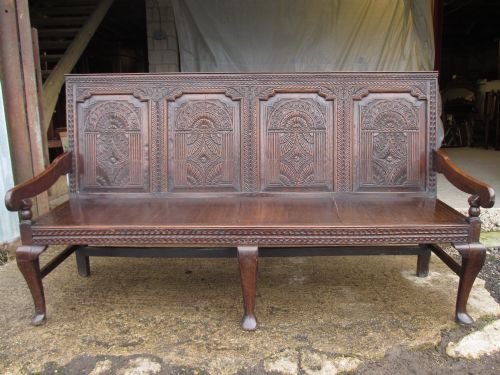
Quality rests in the weight of the timber, the depth and crispness of the hand carving, and the integrity of the original joints. Superior examples exhibit dense, figured oak or cabinet-grade mahogany with robust architectural proportions rather than thin, applied ornamentation.
The sophistication of the hardware, such as brass mountings and original strap hinges, signals higher workshop standards. Pieces bearing attribution to established makers or retail houses display greater refinement in overall design and finish.
Carved Hall Bench Retail Price Guide 2026
Typical asking prices for carved hall bench among the pieces listed under this phrase on Sellingantiques today, from the lower quarter to the upper quarter. They describe what is for sale here now, not the wider market.
Listings feature oak predominantly, alongside mahogany, walnut, and painted pine across Victorian, Edwardian, and eighteenth-century periods.
GIllows·Jas Shoolbred·James Shoolbred & Co.·Liberty & Co.
The Carved Hall Bench Glossary
- Settle
- A wooden bench with a high back, solid arms, and often a storage box beneath the seat. This form provided draught protection in older hallways.
- Monk's bench
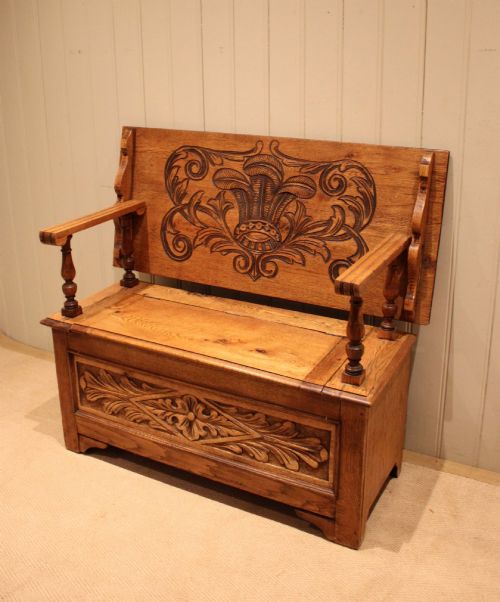
- A versatile seat featuring a hinged back that folds down flat over the armrests to form a table. This dual-purpose furniture suited compact domestic spaces.
- Cassapanca
- An Italian chest-bench featuring a panelled back, armrests, and a large storage compartment forming the base. These large seats often display carved walnut construction.
- Trefoil
- A three-lobed decorative ornament resembling clover leaves, frequently pierced or carved into Gothic revival woodwork. This shape appeared often on Arts and Crafts furniture supports.
- Green Man
- A sculptural architectural motif representing a human face surrounded by or disgorging foliage. This symbol of rebirth appears frequently on late nineteenth-century carved woodwork.
Carved Hall Bench: Frequently Asked Questions
How do I use a hall bench today?
A carved hall bench provides a practical seat for putting on shoes while offering hidden storage beneath the lid for scarves and umbrellas. Placing one in an entryway establishes an immediate focal point that combines historic character with everyday utility.
Taller versions featuring integrated coat hooks or umbrella stands serve as complete cloakroom furniture. Smaller monk's benches adapt well to tight corridors or landings where surface space is limited.
What is a monk's bench?
A monk's bench is a convertible piece of furniture featuring a backrest that pivots or folds down to create a small table surface. The base typically incorporates a box seat with a lift-up lid for storage.
Victorian and Edwardian cabinetmakers revived this form using solid oak and heavy carved panels. The dual-function design made them popular for hallways and smaller reception rooms.
How do I date a carved oak bench?
Dating relies on examining the construction methods, tool marks, timber selection, and decorative styles used in the piece. Eighteenth-century examples typically show hand-riven boards and pegged frame construction with simpler panel mouldings.
Nineteenth and twentieth-century revivals often feature machine-sawn timber combined with deeper, more eclectic relief carving such as Gothic tracery or Green Man masks. Maker stamps and brass hardware labels also help narrow the timeline.