




Scrolled Upholstered Bench
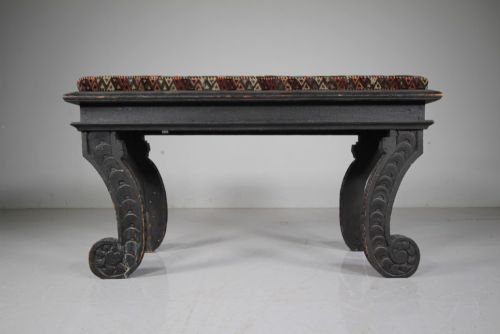
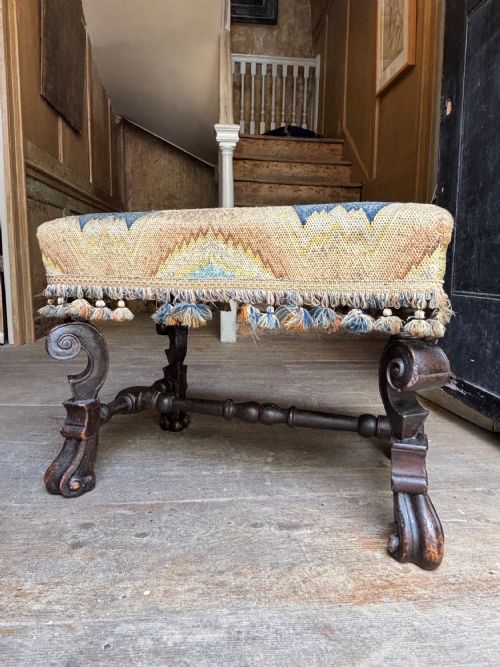
A scrolled upholstered bench brings sculptural curves and deep seating comfort to a room, drawing on centuries of classic cabinet-making.
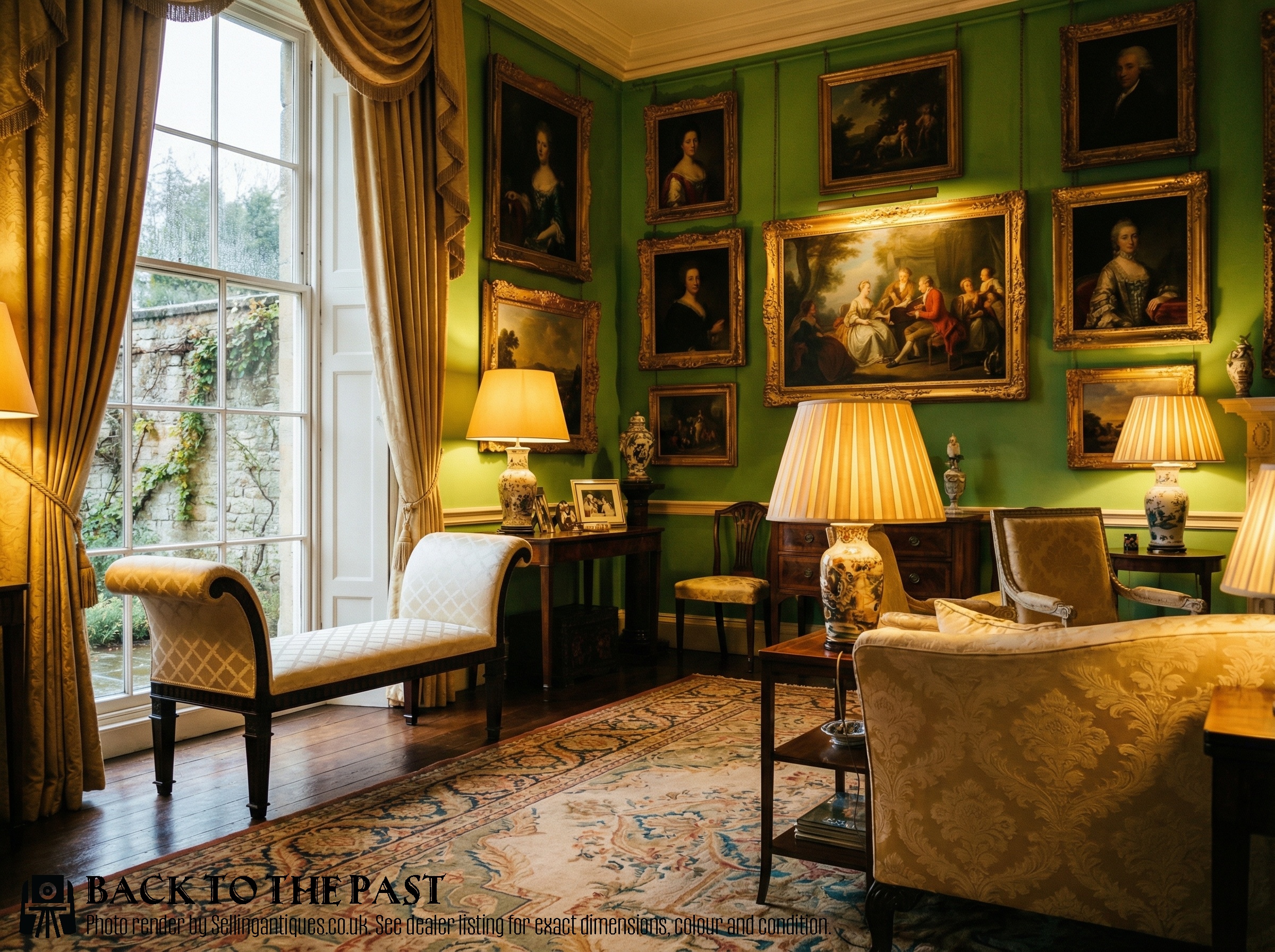
Scrolled Upholstered Bench
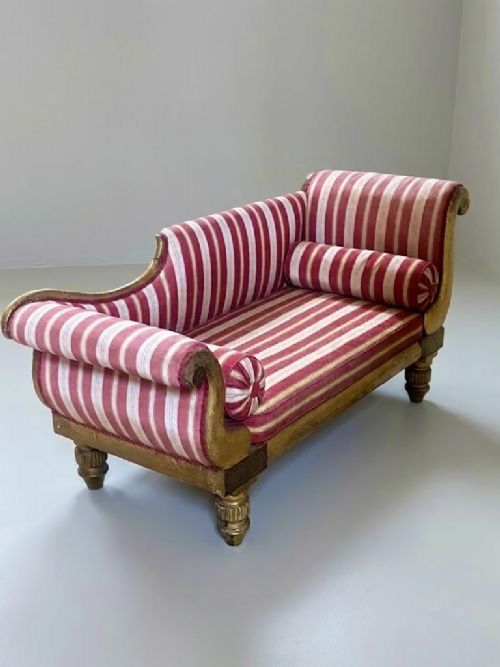
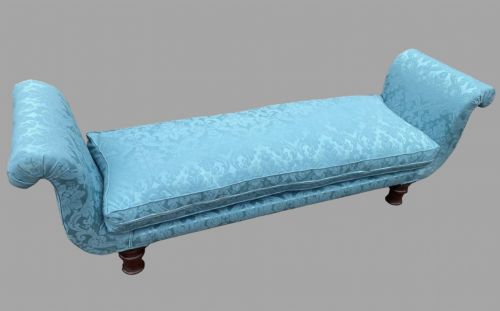
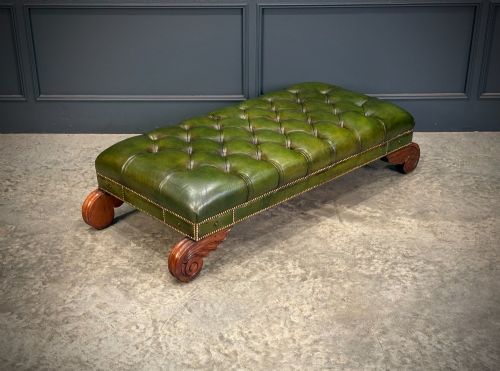
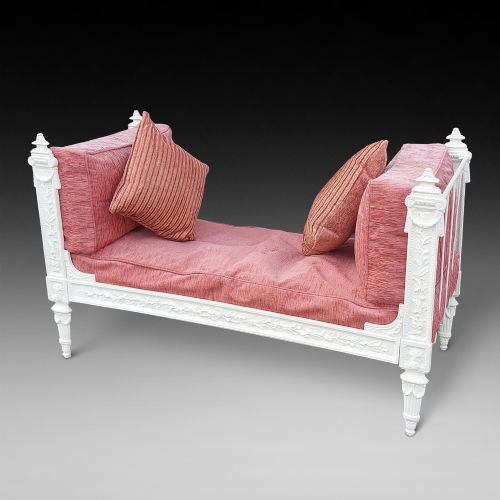
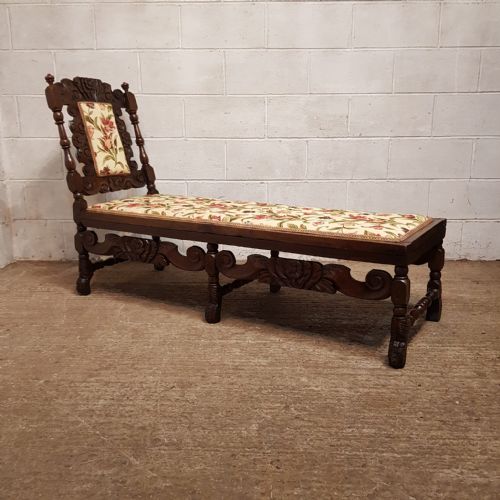
A scrolled upholstered bench encompasses a variety of long seating forms, including window seats, daybeds, settees, and X-frame stools originating from the seventeenth century through to the Edwardian era. These pieces draw heavily on Regency, Victorian, and French design traditions, combining structural wood frames with textile upholstery.
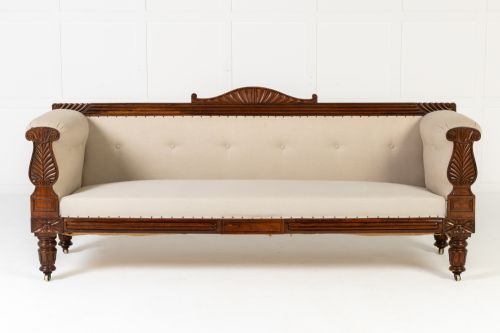
The version most commonly met on this page is the nineteenth-century mahogany or rosewood window seat and scroll-end sofa, often featuring carved details or cabriole legs. Such pieces serve well in hallways, at the foot of a bed, or beneath large windows.
Makers and designers from periods like the Regency and William IV favoured sweeping scroll arms and dual-ended configurations that echo classical antiquity. These forms balance architectural presence with practical seating capacity.
Materials and Construction
Frames are constructed from dense hardwoods such as mahogany, walnut, rosewood, and oak, alongside painted pine and cast iron, providing a rigid structural skeleton. Skilled joiners utilised mortise and tenon joints to secure the heavy timber frames.
Upholstery relies on traditional textiles including silk, velvet, damask, leather, and tapestry, secured over webbing and stuffing to create resilient seating surfaces. Brass accents and giltwood highlights frequently complement the polished wood bodies.
Listings span eight distinct periods, from the seventeenth century through to the early twentieth century, with the nineteenth century dominating the selection.
Craftsmanship and Proportion
Quality rests in the crispness of the timber carving and the architectural proportion of the scrollwork. Finer examples display hand-carved ornamentation integrated into the solid mahogany or rosewood frame rather than applied surface decoration.
The integrity of the structural joinery dictates longevity, with superior pieces retaining tight joints and substantial timber weight. The choice of covering textile, whether antique silk or patterned damask, reflects the original status of the commission.
The Scrolled Upholstered Bench Glossary
- X-frame stool
- A seat supported by intersecting diagonal legs forming an X shape, often associated with Neoclassical and Carolean revivals. This ancient form provides notable structural strength.
- Daybed
- A long seating unit designed for reclining, combining elements of a chair and a bed. They often feature a single scrolled end or dual raised ends.
- Window seat
- A bench sized specifically to fit within a window recess, typically upholstered and low to the ground. These originated to provide comfortable viewing positions.
- Giltwood
- Timber coated with a thin layer of gold leaf or gesso finish. It was utilised extensively in French and Regency decorative schemes.
- Scroll end
- A sweeping, curved wooden terminal resembling a rolled scroll, characteristic of nineteenth-century sofa and daybed designs. It frames the upholstered body.
Scrolled Upholstered Bench: Frequently Asked Questions
Where should I place a scrolled bench?
These benches suit long hallways, wide landings, or the foot of a bed where their linear forms balance the room. Window seats fit naturally beneath sills to create quiet reading spots.
Their decorative scrollwork and upholstered surfaces also allow them to anchor open spaces as standalone accent seating.
How do I identify a Regency piece?
Regency items typically display classical restraint, dark mahogany or rosewood timbers, and distinctive scrolled woodwork. Brass inlay and sabre or cabriole legs frequently appear on pieces from this era.
The overall silhouette draws inspiration from ancient Greek and Roman furniture designs.
What is the difference between a daybed and a settee?
A daybed is built primarily for reclining, featuring one or two raised ends and a long upholstered deck. A settee is proportioned for upright sitting with a defined backrest and arm supports.
Both forms utilise scrolled woodwork, but daybeds prioritize a continuous resting surface.
How should I care for antique upholstery?
Protect delicate textiles like silk and velvet from direct sunlight to prevent fading and fibre degradation. Regular gentle vacuuming with a soft brush attachment removes dust without abrading the weave.
Leather surfaces benefit from occasional conditioning to maintain suppleness across the decades.