



Underglaze Cobalt Ceramic Platter
An underglaze cobalt ceramic platter brings deep blue pigment and durable porcelain or earthenware to a table or wall, valued for its striking contrast and historical depth.

Underglaze Cobalt Ceramic Platter
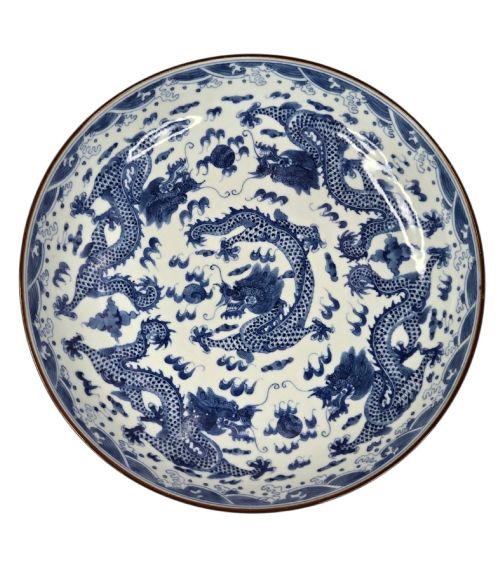
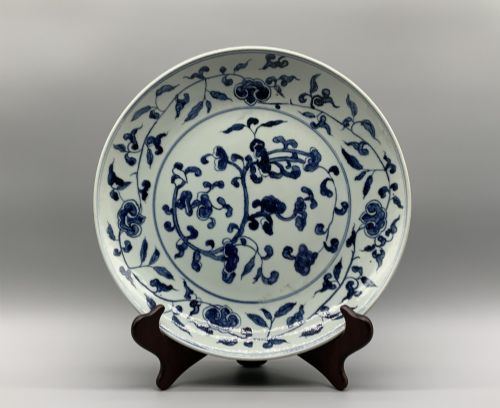
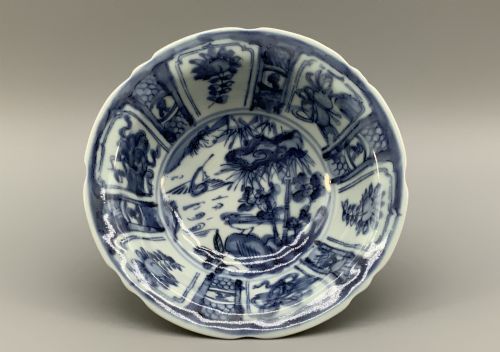
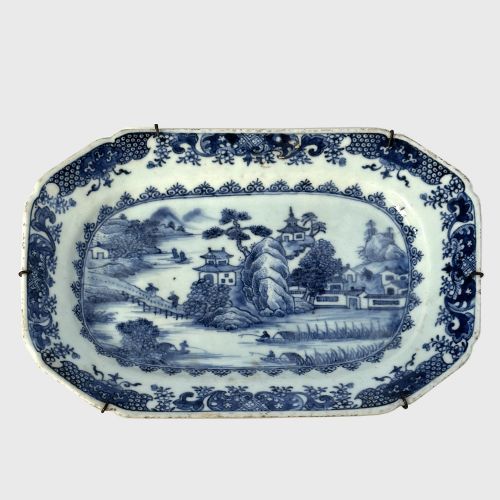
An underglaze cobalt ceramic platter spans several centuries of production, originating from Chinese Export workshops, Japanese kilns, and English factories. A buyer searching for an underglaze cobalt ceramic platter encounters large chargers, deep bowls, and meat platters produced during periods such as the Kangxi era, the Qing Dynasty, the Georgian era, and the Victorian period.
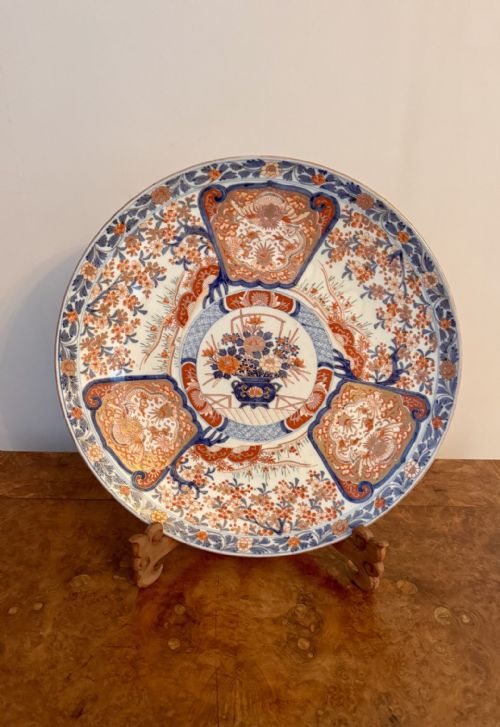
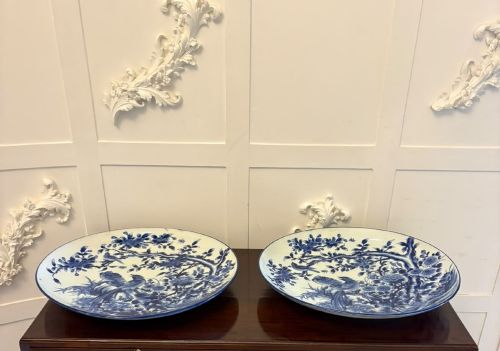
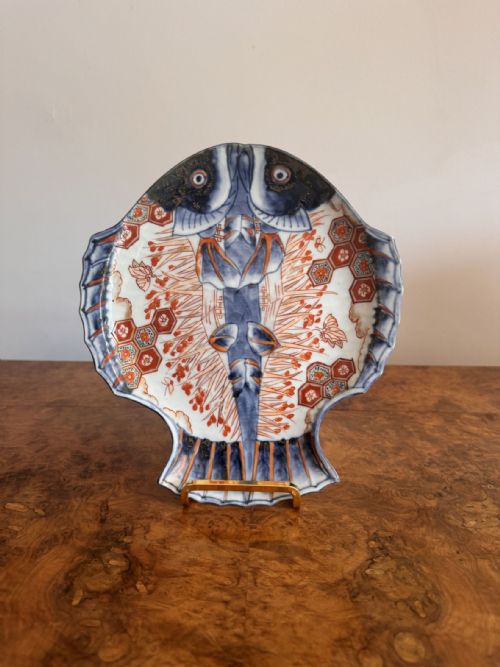
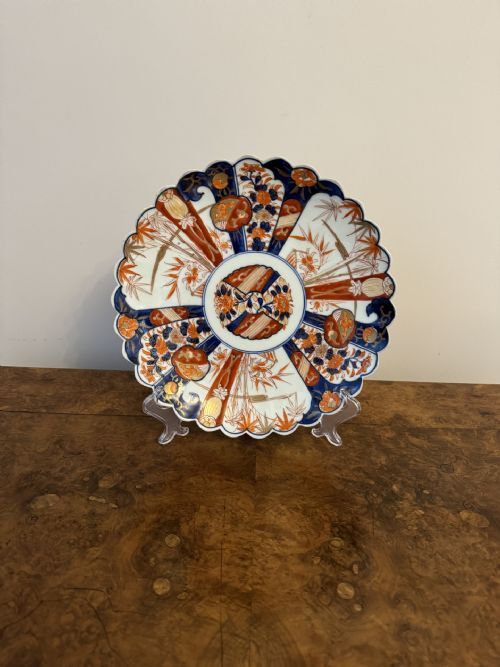
The English examples lean toward transfer-printed earthenware from Staffordshire potteries, while the Asian pieces showcase hand-painted porcelain from the Arita and Kangxi traditions. Scalloped edges, barbed rims, and fish or floral shapes appear frequently among the Japanese Imari and Chinese blue and white listings on this page.
These items served functional dining roles as meat platters, bread stands, and serving chargers, yet their robust ceramic bodies also allowed them to function as decorative wall plates. The survival of such platters across multiple centuries reflects both the stability of high-firing kilns and the enduring appeal of blue and white ornamentation.
Materials and technique
Makers shaped these objects using dense porcelain clay or porous earthenware, applying mineral cobalt pigment directly onto the unfired body before glazing. This cobalt pigment withstands high kiln temperatures, fusing permanently beneath a transparent glaze to produce a brilliant blue tone that cannot flake or rub off.
Potters often incorporated mould-pressed forms or carved details such as lobed rims and fluted edges prior to the painting process. Once fired, certain pieces received supplementary enamel highlights or gilding over the glaze, adding secondary layers of red and gold to the established blue underglaze design.
Underglaze Cobalt Ceramic Platter Retail Price Guide 2026
Typical asking prices for underglaze cobalt ceramic platter among the pieces listed under this phrase on Sellingantiques today, from the lower quarter to the upper quarter. They describe what is for sale here now, not the wider market.
Listings feature porcelain and earthenware bodies decorated with cobalt pigment, spanning the 17th century to the Edwardian era.
Assessing the execution
The skill of the brushwork distinguishes superior examples from standard production pieces, separating hurried factory output from controlled, fluid painting. Finer items exhibit crisp cobalt lines with varied tonal shading, whereas lesser examples display blurred pigment bleed or stiff, mechanical repetition in the floral and animal motifs.
The purity of the white ground beneath the glaze and the smoothness of the finished surface further indicate the grade of the ceramic body. Pieces that maintain a clean, unblemished glaze without heavy firing kiln-grit show greater technical accomplishment by the original potter.
John Rogers and Son
The Underglaze Cobalt Ceramic Platter Glossary
- Underglaze
- Pigment applied to a ceramic body before the glaze is applied and fired. This technique protects the blue decoration beneath a glassy surface for centuries.
- Cobalt
- A mineral oxide used to achieve deep blue colouration on ceramics. It remains stable at the extreme temperatures required to fire porcelain.
- Imari
- A style of Japanese porcelain featuring underglaze blue combined with iron red and gold. Originating in Arita, these wares gained massive popularity in European trade.
- Charger
- A large decorative or serving plate meant for formal dining tables or display. They measure significantly wider than standard dinner plates.
- Transfer printing
- A method of applying intricate designs to earthenware using a paper template inked with pigment. This innovation sped up production in English factories during the Georgian and Victorian eras.
Underglaze Cobalt Ceramic Platter: Frequently Asked Questions
How do I date a blue and white platter?
Dating relies on examining the potting technique, foot rim construction, and stylistic clues within the blue painted motifs. Chinese pieces often carry reign marks or stylistic traits specific to the Kangxi period.
English earthenware platters show distinct transfer print patterns and maker marks associated with nineteenth-century Staffordshire potteries. Comparing the ceramic body type from porcelain to softer earthenware narrows down the origin considerably.
Were these platters used for dining?
Many large chargers and meat platters served practical functions at grand dining tables for presenting joints of meat or bread. Their durable ceramic construction and fired glaze made them hygienic and resistant to heavy daily use.
Over time, homeowners transitioned larger chargers into purely decorative wall hangings or cabinet display pieces. The robust nature of underglaze cobalt ensured the designs remained vibrant despite active service.
How should I display a heavy antique charger?
Displaying a heavy ceramic charger requires a secure, well-anchored wall bracket designed specifically to support the weight of thick porcelain or earthenware. Ensuring the base rests firmly prevents accidental slips during cleaning or environmental vibrations.
Positioning the piece away from direct, harsh sunlight protects any overglaze enamels or gilding from fading over the years. Adequate spacing lets the cobalt design stand out cleanly against neutral wall colours.