

Underglaze Blue Plate
An underglaze blue plate carries pigment beneath the protective glass layer, offering enduring clarity across centuries of global ceramic tradition.

Underglaze Blue Plate
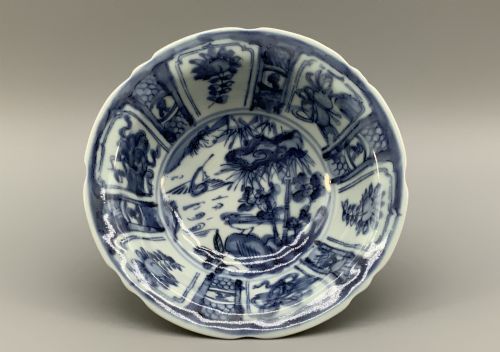
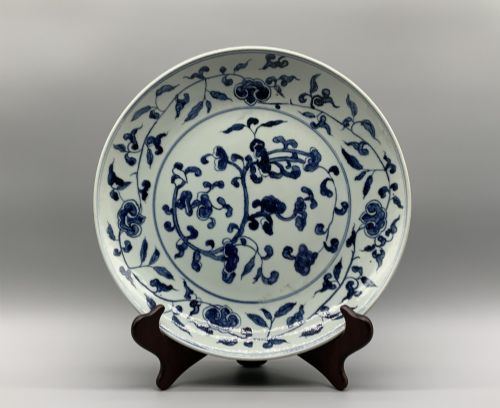
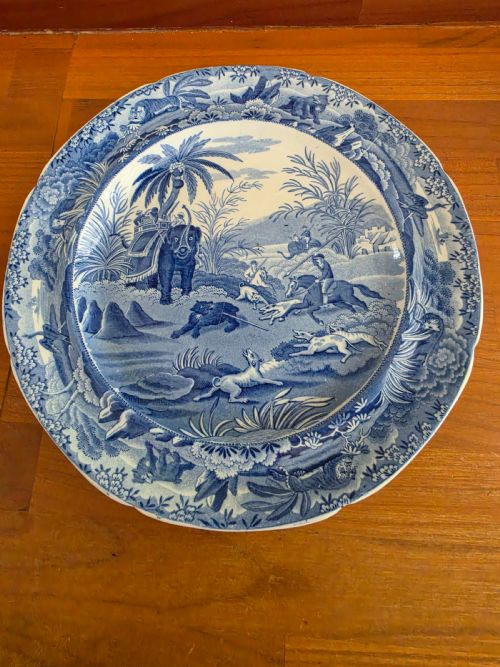
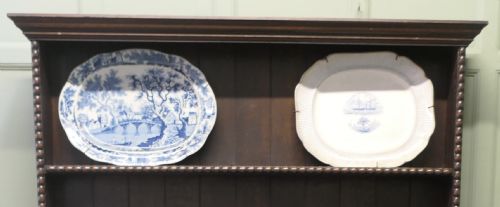
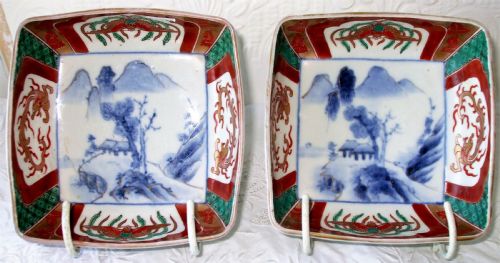
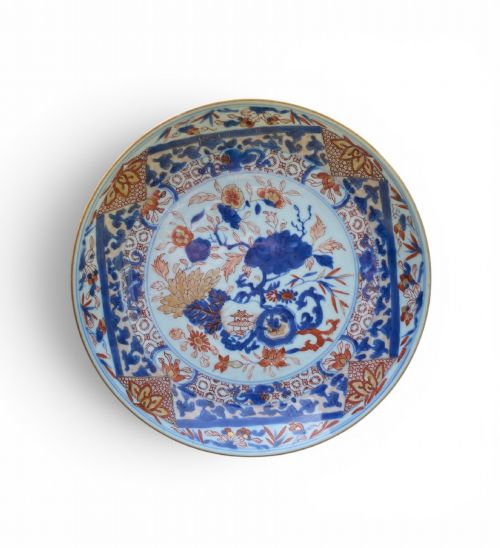
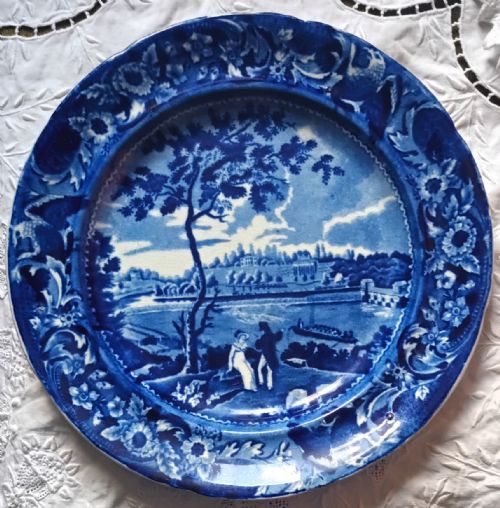
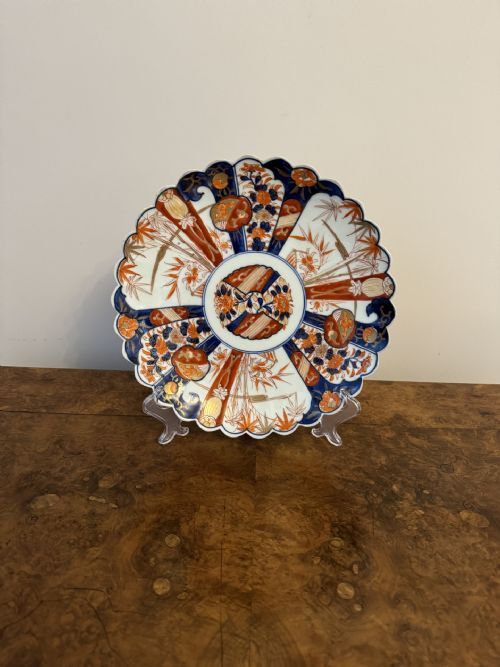
When searching for an underglaze blue plate, collectors encounter a diverse range of forms spanning Chinese export pieces, English transferware, and Japanese Imari wares. These items serve primarily as decorative dishes, chargers, and serving platters intended for display or formal dining.
The selection on this page relies heavily on Asian and European ceramic traditions from the eighteenth and nineteenth centuries. Japanese Meiji period examples and Kangxi period Chinese chargers appear alongside Georgian and Victorian English porcelain and earthenware.
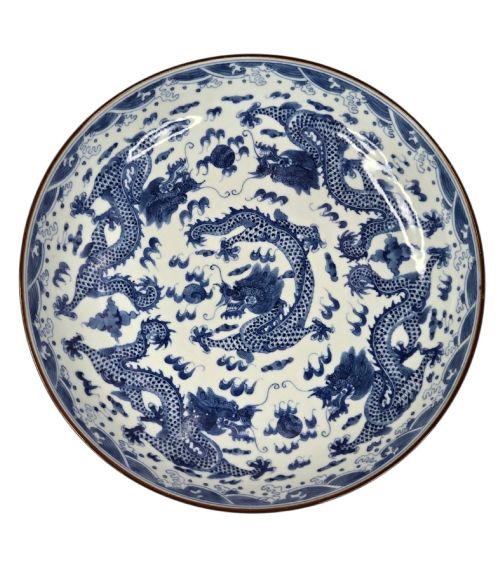
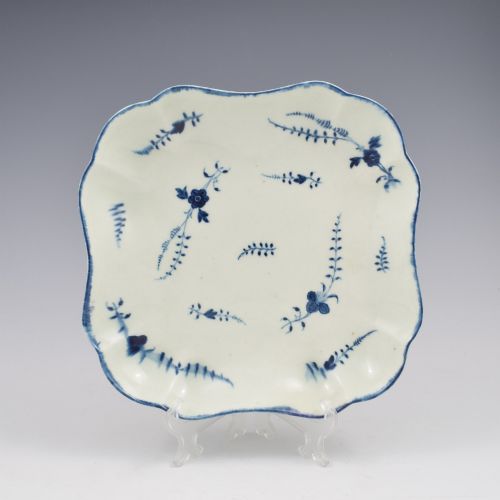
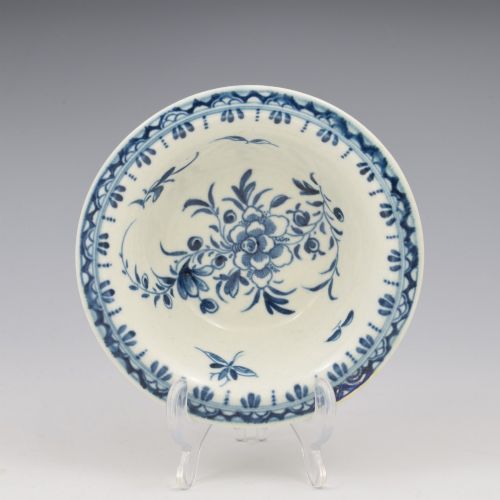
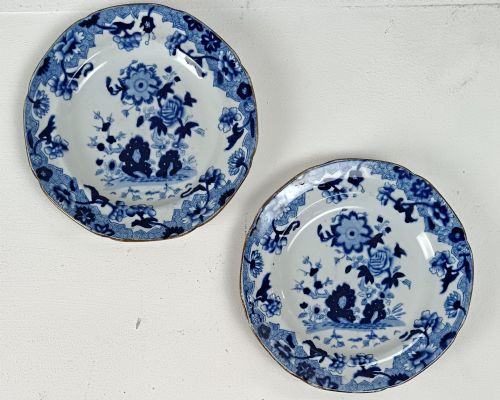
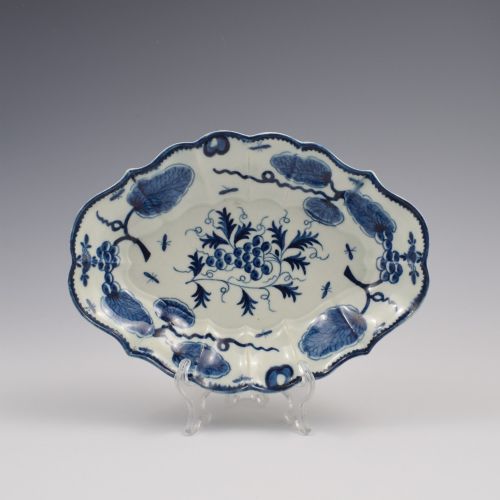
Buyers will find everything from small scalloped dishes to large chargers decorated with cobalt pigments, floral sprays, dragons, and landscape scenes. Each piece demonstrates the enduring appeal of blue and white ornamentation applied directly to ceramic bodies.
How they were made
Potters applied cobalt-based pigments directly onto shaped ceramic, porcelain, or earthenware bodies before coating the entire piece in a clear glaze and firing it at high temperatures. This underglaze technique bonded the blue decoration permanently beneath the glassy surface.
Makers utilised soft-paste porcelain, hard-paste porcelain, and refined stone bodies, occasionally embellishing select areas with gold leaf or enamel highlights over the primary glaze. Transfer printing emerged during the Georgian period to apply complex pictorial scenes onto English earthenware plates.
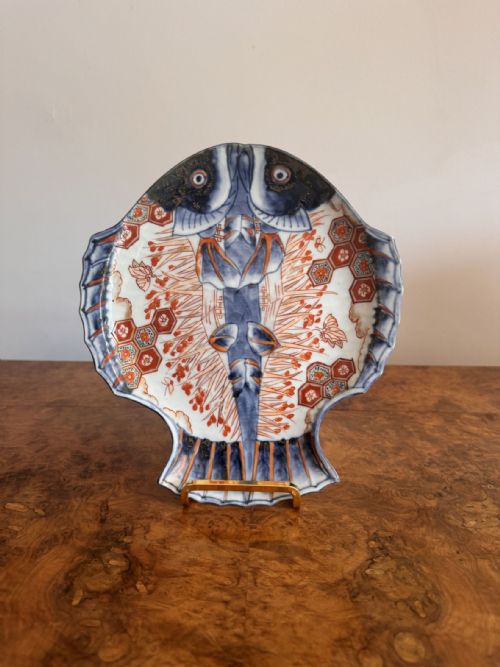
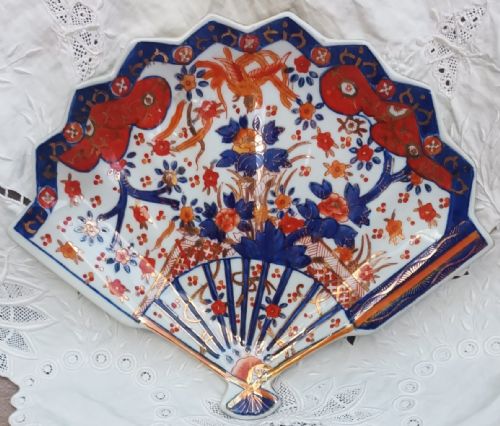
Some plates abandon standard circular geometry entirely, taking the lively form of swimming fish or scalloped leaves.
What varies in quality
Quality depends upon the clarity and depth of the cobalt pigment and the precision of the brushwork or transfer printing. Pieces with sharp outlines and well-defined pictorial motifs demonstrate superior control during the painting and firing stages.
The fineness of the ceramic body and the smoothness of the glaze separate standard utility wares from exceptional decorative plates and chargers. Potteries achieved higher standards through careful preparation of materials and precise kiln temperature management.
Spode·Stubbs
The Underglaze Blue Plate Glossary
- Underglaze
- A decoration applied to ceramic ware before the glaze is applied and fired. This method protects the pigment beneath a glassy layer.
- Cobalt Glaze
- A deep blue colouring oxide used extensively beneath the glaze on Asian and European ceramics. It withstands the intense heat required for porcelain firing without losing its hue.
- Soft-paste Porcelain
- A ceramic composition made from white clay mixed with ground glass and other materials. It fires at lower temperatures than hard-paste porcelain and shows a warm tone through the glaze.
- Imari
- A style of Japanese export porcelain decorated in underglaze blue, iron red, and gold. It gained widespread popularity in Europe during the seventeenth and eighteenth centuries.
- Charger
- A large decorative plate or platter used traditionally for formal service or display on sideboards. These pieces measure larger than standard dining plates.
Underglaze Blue Plate: Frequently Asked Questions
How should I clean an antique plate?
Wash these ceramic pieces gently by hand using lukewarm water and mild soap. Avoid soaking them or using abrasive scourers that might damage the historic glaze or any added gold leaf.
Dry the item thoroughly with a soft cloth before returning it to display. Modern dishwashers subject antique pastes to excessive thermal shock and harsh detergents.
Can I use these plates for dining?
While these items were originally functional tableware, centuries of age make most collectors treat them as decorative objects. Using them for serving food risks scratching the glaze or wearing down delicate ceramic edges.
Display them securely on plate stands or wall mounts to appreciate their historical artistry safely. Proper display preserves the condition of both the body and the underglaze decoration.
How do I date an antique plate?
Examine the foot rim, the weight of the ceramic body, and the characteristics of the glaze under natural light. Stylistic motifs like Kangxi dragons or Georgian transfer scenes offer strong clues regarding the period of manufacture.
Maker marks stamped or painted on the underside provide definitive evidence when recorded in reference literature. Comparing the potting technique with known examples helps narrow down the decade.
What caused the blue colour variations?
The shade of blue depends on the purity of the cobalt oxide used and the exact temperature inside the kiln during firing. Chinese miners and European chemists processed the raw minerals differently across various centuries.
Variations in kiln atmospheres also altered how the pigment settled beneath the clear glaze. These chemical differences give each period its own distinct visual character.