


Underglaze Blue Ceramic Vase
When you search for an underglaze blue ceramic vase, you are looking for vessels decorated with cobalt applied straight to the clay before the transparent glaze goes on.

Underglaze Blue Ceramic Vase
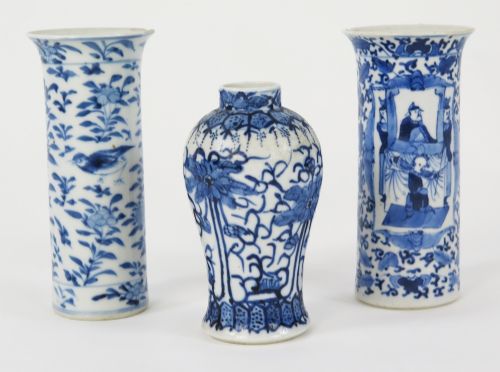
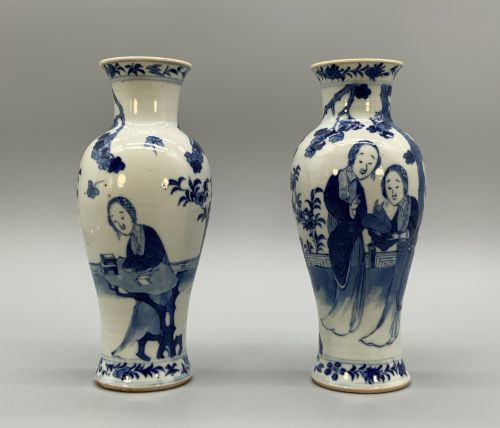
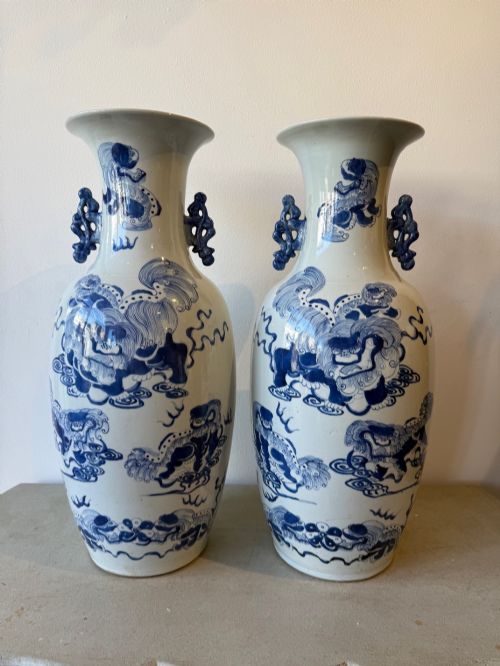
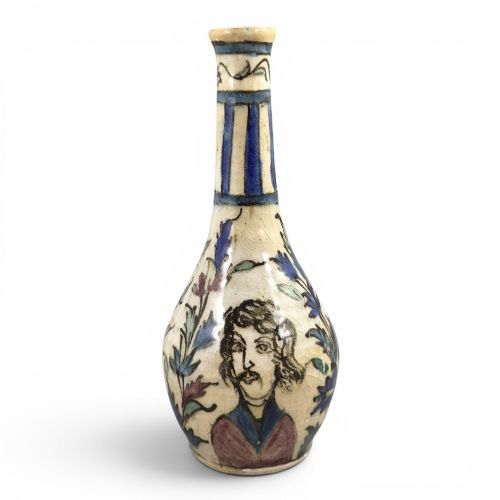
An underglaze blue ceramic vase is a vessel formed from porcelain, pottery or ceramic, then painted with cobalt pigment underneath a clear glaze. The pieces available span multiple centuries, originating predominantly from Chinese and Japanese kilns alongside Persian workshops.
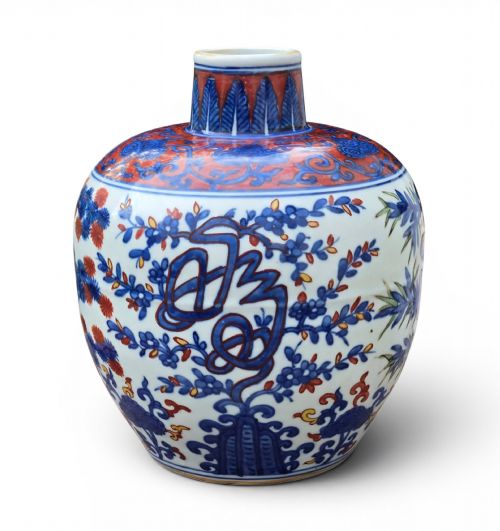
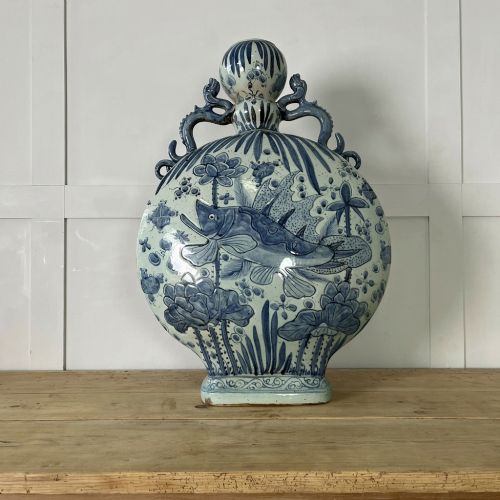
The forms vary widely from garlic-mouth and double-gourd shapes to moon flasks, baluster vases and ginger jars. Buyers encounter pieces from the Ming and Qing dynasties as well as the Japanese Meiji period and Edo era.
Many items carry historical reign marks or period styling, reflecting traditions that stretch from the seventeenth century through to the early twentieth century. These vessels serve both as decorative display pieces and as functional containers for plants or lamps.

How They Were Made
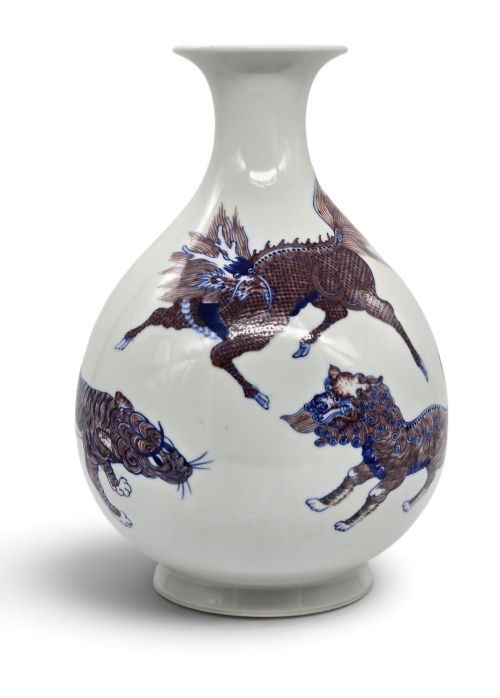
Makers shaped porcelain or ceramic bodies by hand or on the wheel, using high-firing kilns to vitrify the clay. Cobalt pigment was applied directly to the unglazed surface to create the signature blue decoration, sometimes accompanied by copper-red or iron-red enamel highlights.
A glossy transparent glaze was applied over the painted design before the single- or multi-stage firing process fused the pigment into the ceramic body. This technique protected the underglaze painting from wear and produced the characteristic deep blue lustre beneath the glassy surface.
Underglaze Blue Ceramic Vase Retail Price Guide 2026
Typical asking prices for underglaze blue ceramic vase among the pieces listed under this phrase on Sellingantiques today, from the lower quarter to the upper quarter. They describe what is for sale here now, not the wider market.
The inventory includes diverse forms such as moon flasks, ginger jars, brush pots, wine bottles and double-gourd vases.
What Varies in Quality
The refinement of the cobalt pigment and the crispness of the brushwork determine the visual depth of the design. Master painters achieved subtle tonal gradations and sharp outlines that separate exceptional pieces from simpler utilitarian items.
The purity of the porcelain body and the stability of the vessel shape during high-temperature firing dictate structural integrity. Superior examples display balanced proportions, clean foot rings and precise application of glazes without major distortion.
Makuzu Kozan·Fukagawa·Hirado
The Underglaze Blue Ceramic Vase Glossary
- Underglaze
- Pigment applied to a ceramic piece before it receives its final glaze and goes into the kiln. This method ensures the decoration remains permanently sealed beneath the glassy surface.
- Cobalt Pigment
- The metallic oxide compound used to produce the deep blue colour on traditional ceramics. It withstands extremely high kiln temperatures without burning away.
- Meiping
- A traditional tall-shouldered vase shape with a narrow neck, originally designed for holding plum branches. The profile tapers gracefully towards a small base.
- Double-Gourd
- A vessel form constructed in two bulbous sections stacked vertically, resembling a traditional fruiting gourd. This auspicious shape appears frequently in East Asian porcelain.
- Imari
- A style of Japanese export ceramics featuring underglaze blue combined with iron red, gold and other enamels. Production centred around the port of Arita.
- Transitional Period
- The era in Chinese ceramic history bridging the Ming and Qing dynasties, known for narrative painting and technical innovation. Pieces from this time display distinct artistic freedom.
Underglaze Blue Ceramic Vase: Frequently Asked Questions
What is an underglaze blue ceramic vase?
These pieces are vessels painted with cobalt blue pigment on the raw clay body before being glazed and fired. The resulting decoration lies permanently beneath a clear glassy surface.
Potters across Asia and the Middle East utilised this technique to create durable items with intricate botanical, figurative and abstract designs.
How do I care for my vase?
Dust the surface gently with a soft, dry cloth and avoid harsh chemical cleaners or abrasive scouring pads. Keep the vessel away from direct sunlight and sudden temperature shifts.
If the piece holds water for fresh flowers, clean the interior carefully afterwards to prevent mineral buildup on the ceramic walls.
How can I tell the age of a vase?
Examine the foot ring, glaze texture and painting style alongside any reign marks or seals on the base. Different periods employed distinct potting techniques and cobalt hues.
Comparing the potting weight and clay composition against established historical examples helps clarify the era of manufacture.
Were these vases always decorative?
While many served as ornamental display objects for scholars and nobility, others functioned as wine bottles, brush pots or storage jars. Some large jars held spices or tea for export markets.
Over time, collectors and interior designers adapted various shapes into table lamps and centrepiece displays.