


Underglaze Blue Ceramic Dishes
These underglaze blue ceramic dishes bring centuries of hand-painted cobalt pigment and porcelain craftsmanship straight to the table.

Underglaze Blue Ceramic Dishes
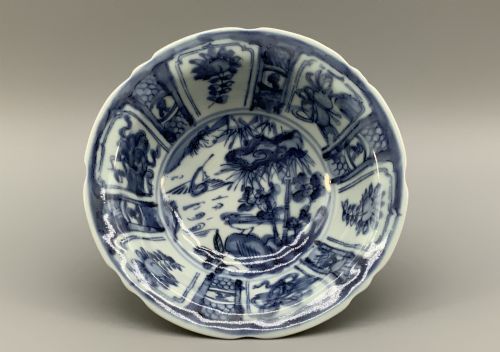
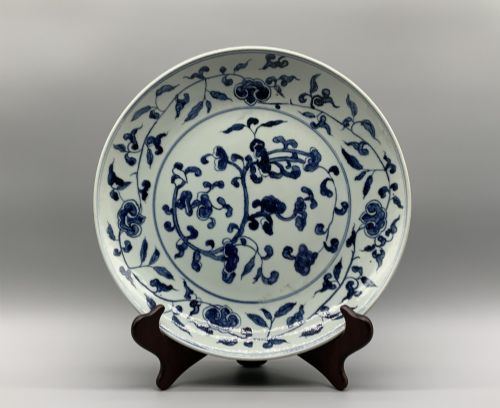
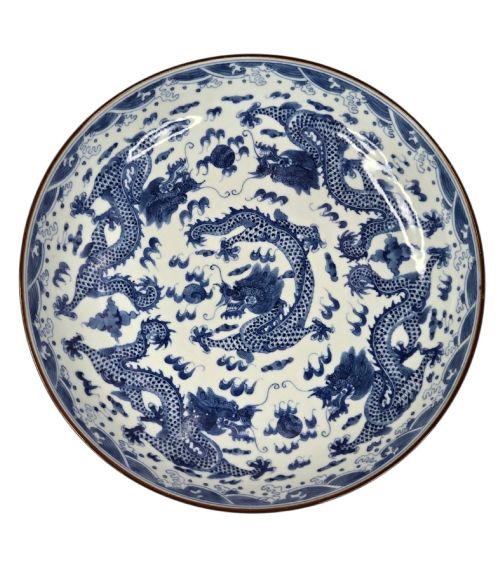
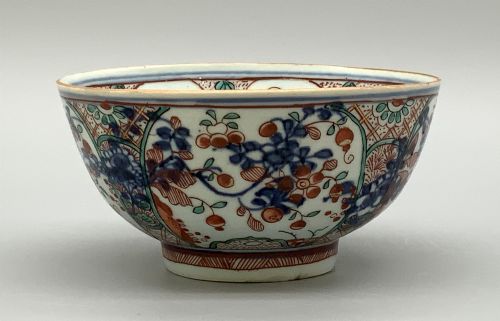
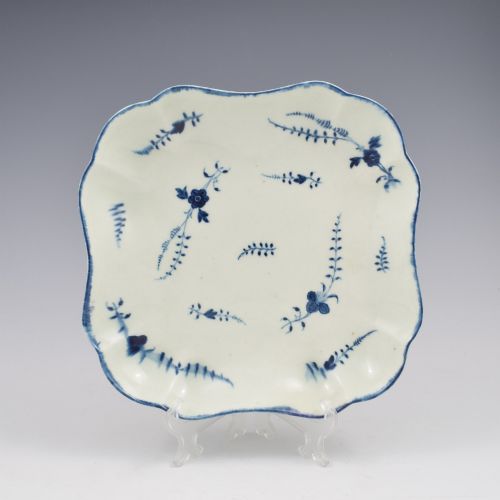
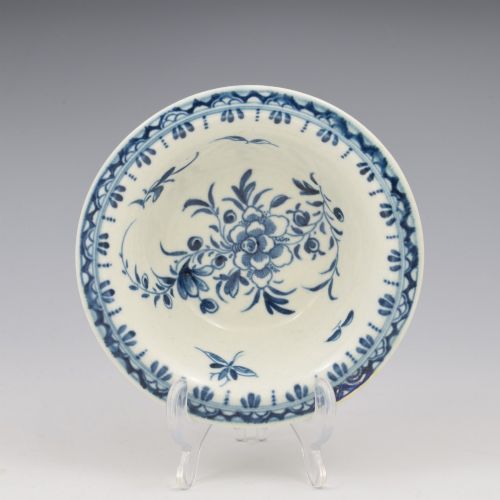
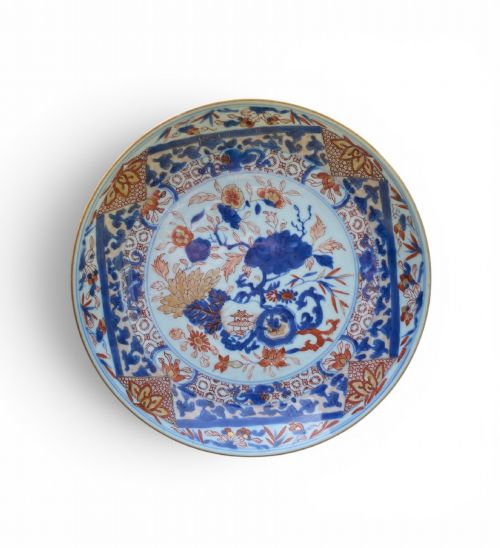
Underglaze blue ceramic dishes encompass a broad selection of decorative plates, bowls, chargers, and platters spanning the seventeenth to the early twentieth centuries. The selection includes Chinese Export and Kangxi Period pieces alongside Ming Dynasty and Qing Dynasty examples.
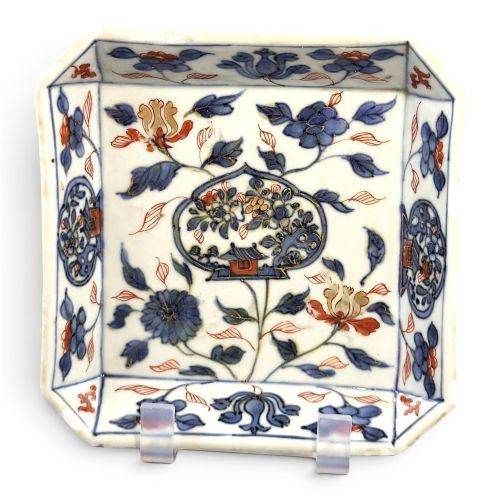
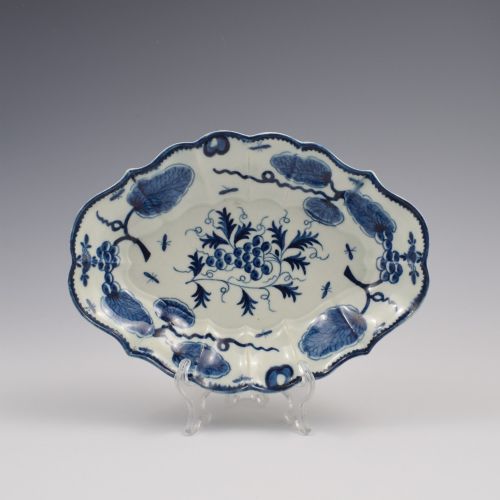
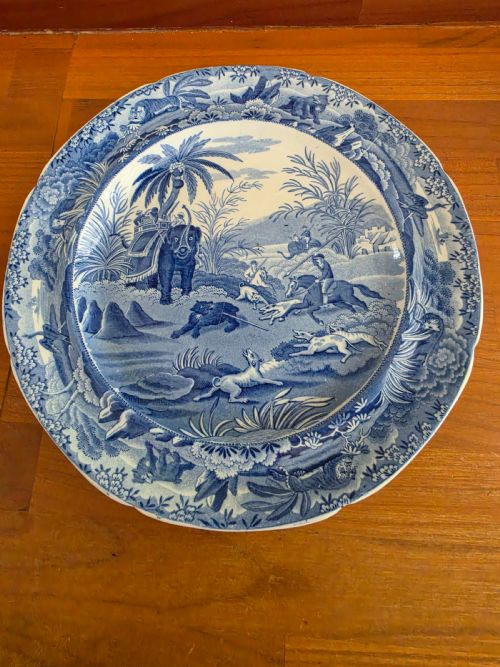
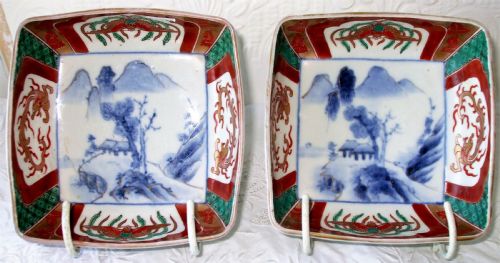
Buyers will also find a significant group of Japanese Imari and Arita wares from the Meiji period and the nineteenth century, as well as English porcelain items such as First Period Worcester and Spode.
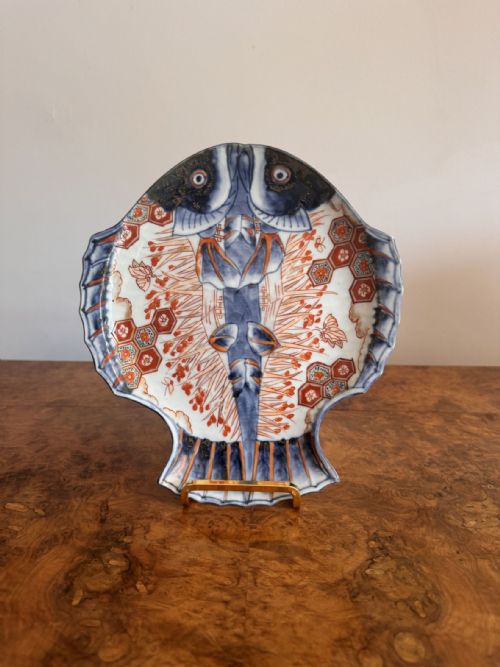
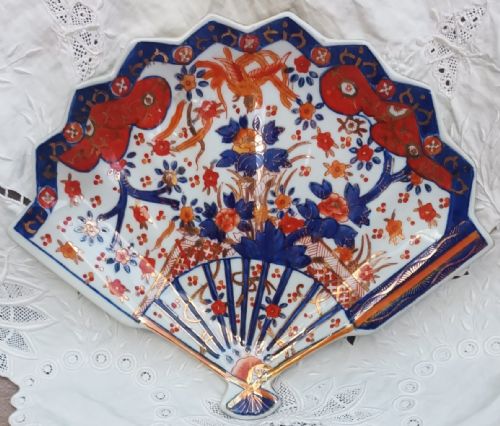
Forms range from lobed bowls and fish-shaped plates to hexagonal plates, scalloped chargers, and pickle leaf dishes.
Materials and technique
Makers utilised porcelain, soft-paste porcelain, and enamel, applying cobalt pigment and cobalt glaze beneath a clear outer layer before firing at high temperatures.
Certain pieces incorporate additional embellishments such as gold leaf applied over or alongside the primary underglaze decoration.
Among the formal chargers and bowls sits an unusual plate modelled precisely in the form of a fish.
Judging the work
Quality rests upon the precision of the hand-painted cobalt decoration, the crispness of the porcelain body, and the complexity of the form, such as lobed, chamfered, or scalloped edges.
The depth of the cobalt underglaze pigment and the integration of supplemental elements like enamel or gold leaf distinguish standard production wares from exceptional examples.
Spode
The Underglaze Blue Ceramic Dishes Glossary
- Underglaze blue
- Decoration applied to pottery beneath a transparent glaze using a heat-resistant pigment, most commonly cobalt. This technique protects the painted design from wear during centuries of use.
- Imari
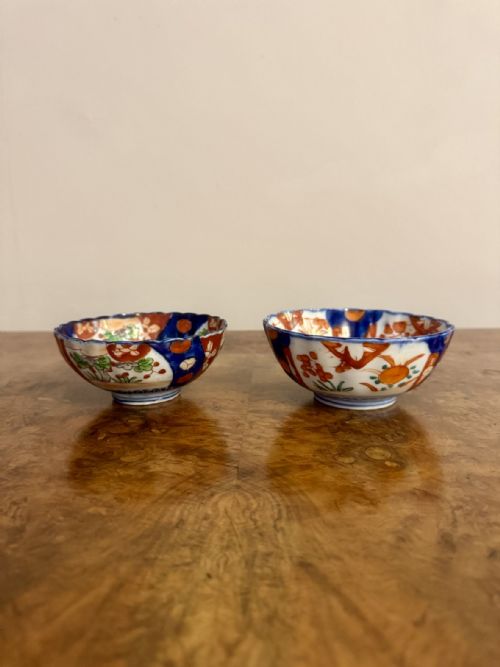
- A style of Japanese porcelain featuring a palette of underglaze blue, iron red, and gold. It was widely exported to Europe from the port of Imari.
- Soft-paste porcelain
- A ceramic material composed of clay and glass frit, fired at lower temperatures than hard-paste porcelain. It is frequently identified in eighteenth-century English factories such as Worcester.
- Charger
- A large decorative plate or platter utilised historically for serving food or as a centrepiece display. They appear in both Chinese export and Japanese Arita productions.
- Pickle dish
- A small moulded ceramic dish, often shaped like a leaf or scallop shell, produced in eighteenth-century English factories for table condiments.
Underglaze Blue Ceramic Dishes: Frequently Asked Questions
How do I date Chinese porcelain?
Dating relies on stylistic markers, potting characteristics, and reign marks when present. Comparing form and cobalt tones against known period pieces helps narrow down the century.
Changes in trade patterns and export styles also offer reliable clues for distinguishing seventeenth-century Ming pieces from eighteenth-century Kangxi and Qing Dynasty wares.
What is Japanese Imari ware?
Japanese Imari porcelain is characterised by its distinct decorative scheme combining cobalt blue underglaze with iron red and gold overglaze. These wares were produced in Arita and shipped through the port of Imari for domestic and international markets.
Collectors prize the vibrant palette and intricate floral or avian motifs found on Meiji period and earlier plates and bowls.
How were these dishes used historically?
Many of these ceramic pieces served functional roles on dining tables for serving meats, desserts, or condiments. Large chargers and platters acted as central display pieces during formal meals.
Smaller dishes and bowls accommodated side portions or pickles, while heavily decorated plates were often integrated into decorative wall displays.
Are English and Asian porcelains different?
English factories like Worcester utilised soft-paste porcelain formulations during the eighteenth century, resulting in distinct body textures and glaze pooling compared to Asian hard-paste pieces. Asian wares from Chinese dynasties and Japanese kilns typically display high-firing vitrification and different raw material compositions.
Stylistic influences also crossed borders, with European factories frequently adapting oriental blue and white motifs for local tastes.