
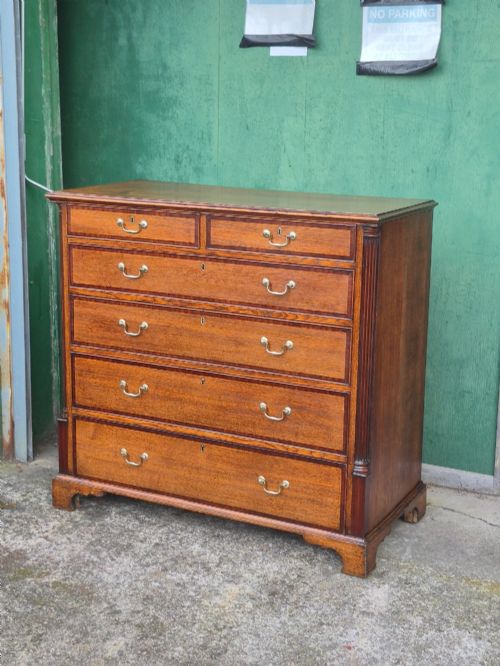
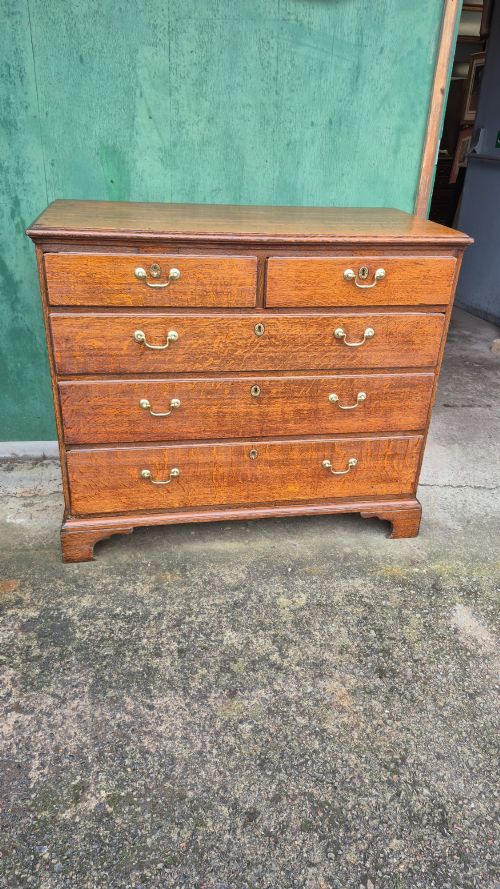
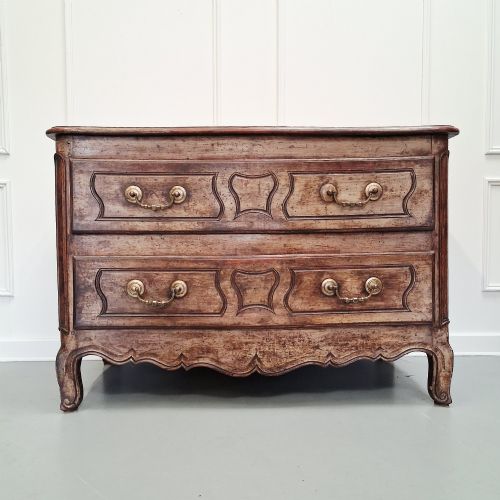
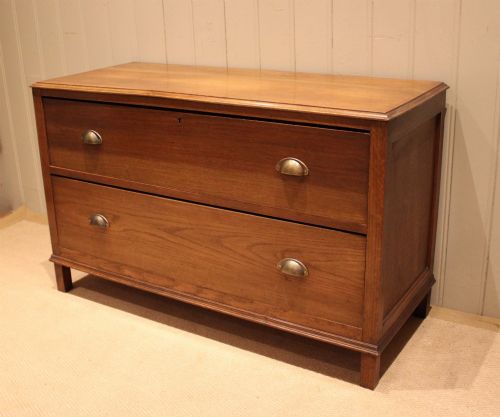
Two Drawer Oak Dresser
A two drawer oak dresser delivers sturdy utility and rich grain, bringing centuries of practical craftsmanship straight into a modern dining room or hallway.
Two Drawer Oak Dresser
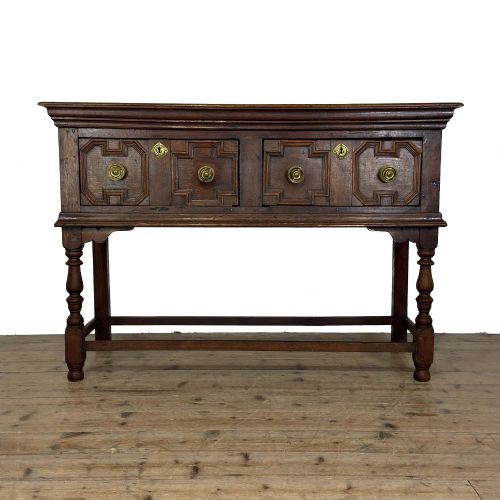
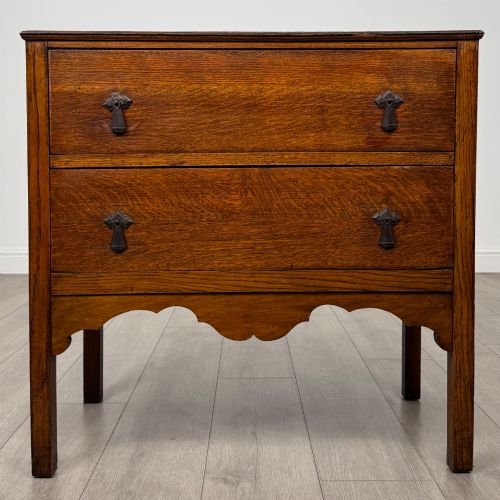
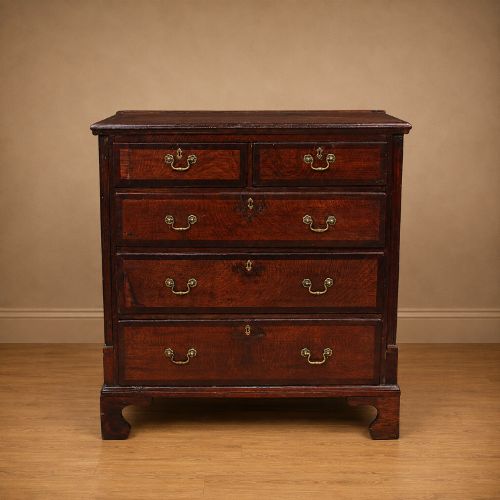
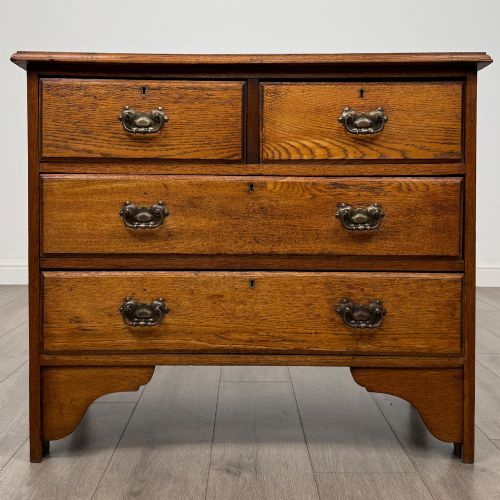
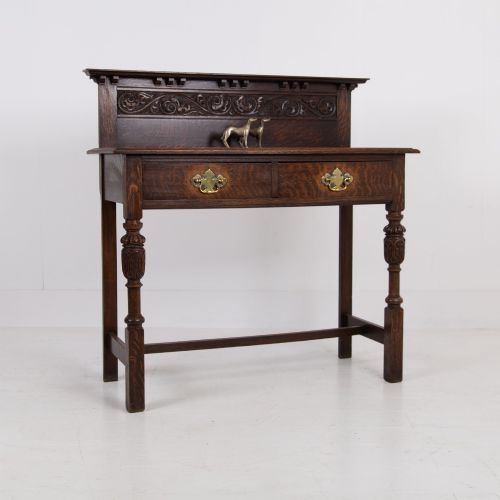
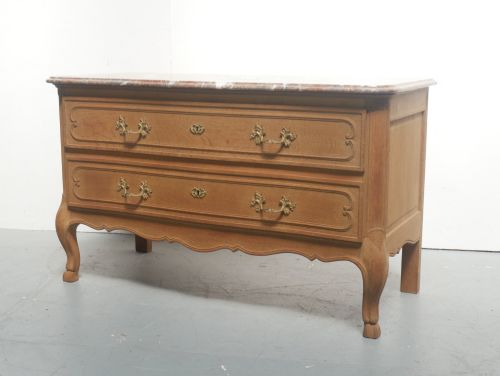
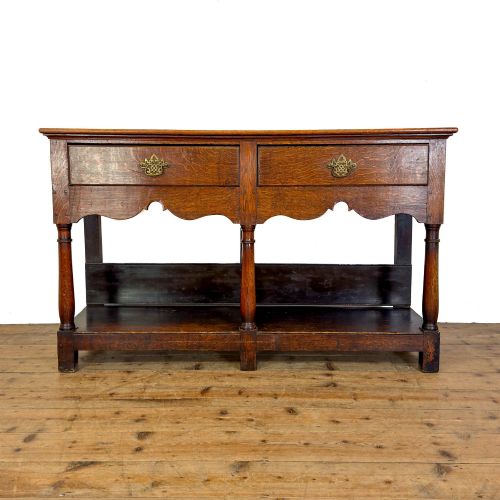
A two drawer oak dresser combines a low surface with twin upper drawers, serving as a functional sideboard or a compact dresser base.
The versions most common here trace back to the Georgian, seventeenth century, and eighteenth century periods, alongside regional English country and Welsh country traditions.
Builders shaped these pieces from solid oak, sometimes pairing the timber with mahogany crossbanding, walnut, or elm.
How they were made
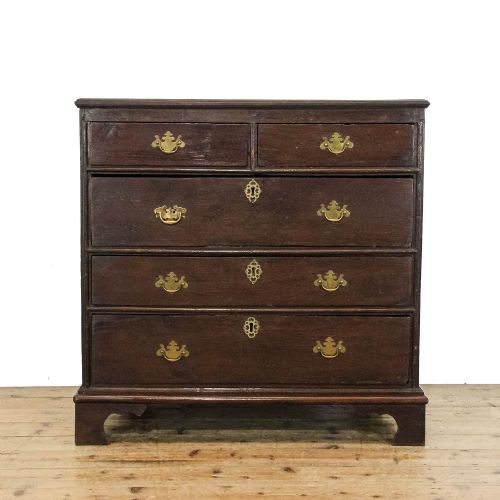
Carpenters constructed these items using solid oak panels and framing, integrating brass handles and iron fittings for daily use.
Selected examples feature mahogany crossbanding, geometric mouldings, or inlaid details on the timber surfaces.
Two Drawer Oak Dresser Retail Price Guide 2026
Typical asking prices for two drawer oak dresser among the pieces listed under this phrase on Sellingantiques today, from the lower quarter to the upper quarter. They describe what is for sale here now, not the wider market.
Several pieces include hidden pot boards underneath, ready for muddy boots or heavy earthenware.
What varies in quality
Proportion and scale separate simpler country pieces from refined Georgian examples, particularly where proportions remain small and balanced.
The crispness of mouldings, the retention of original handles, and the depth of figured grain define the upper tier of surviving pieces.
The Two Drawer Oak Dresser Glossary
- Crossbanding
- A narrow strip of veneer applied to the border of a drawer front or top, running perpendicular to the grain. This technique frames the primary timber and adds decorative contrast.
- Dresser base
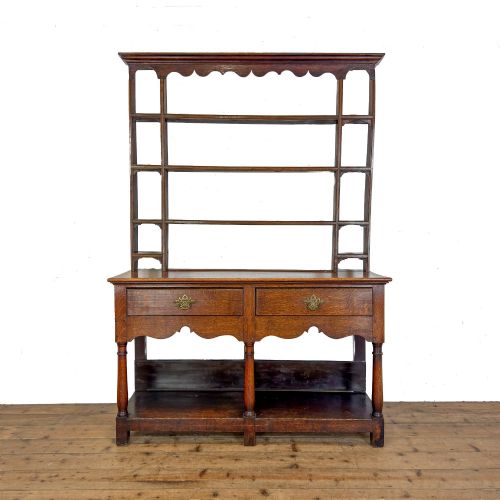
- The lower portion of a Welsh dresser, comprising a flat top and drawers without the upper plate rack. It functions independently as a low sideboard.
- Bracket feet
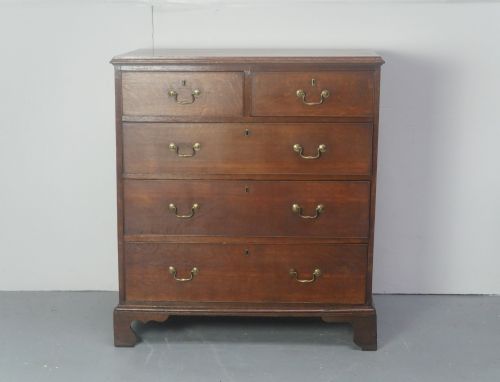
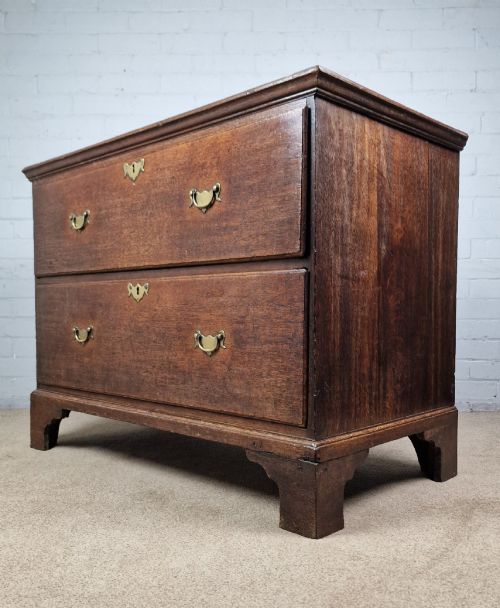
- Simple architectural feet supporting the corners of a chest or dresser base. They lift the body slightly off the floor.
- Pot board
- An open lower shelf built into a dresser base, traditionally used for storing pots and heavy kitchenware. It runs parallel to the floor near the base of the legs.
- Geometric moulding
- Raised wooden mouldings applied in symmetrical patterns across drawer fronts. This detail appears frequently on seventeenth century pieces.
Two Drawer Oak Dresser: Frequently Asked Questions
How are two drawer dressers used today?
These low pieces function well as sideboards in dining rooms, hallway consoles, or living room storage units. Their surface handles lamps or decorative objects while the twin drawers hold tableware or linens.
The modest depth suits narrow spaces where larger cupboards fail to fit. Their sturdy construction ensures they withstand daily domestic placement.
What is a dresser base?
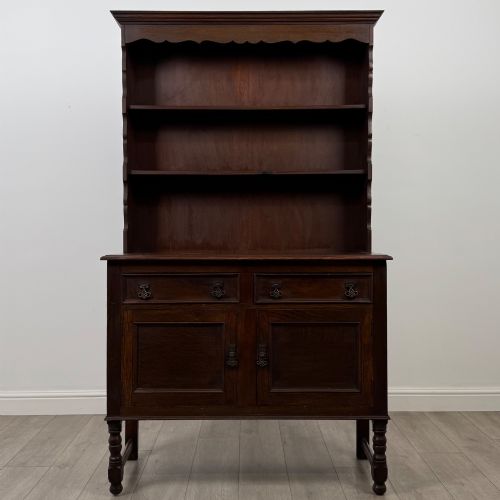
A dresser base is the lower part of a traditional Welsh dresser, constructed as a standalone cabinet with a flat top and drawers. Many surviving examples lack their original upper plate racks entirely.
This configuration gives them the proportions of a low sideboard. They appeared across English and Welsh country workshops throughout the eighteenth and nineteenth centuries.
How do I identify a Georgian piece?
Georgian pieces display balanced proportions, often featuring bracket feet and clean lines in solid oak or with mahogany crossbanding. They date from the eighteenth century through to the early nineteenth century.
Inspect the drawer construction and handle backplates for period characteristics. Regional variations show simpler country interpretations alongside more formal urban designs.
Did these pieces always have brass handles?
Many surviving examples retain or have been fitted with brass drop handles and backplates typical of their period. Iron hardware also appears on earlier country pieces.
Hardware styles shifted from simple drop handles on seventeenth century frames to more elaborate brass work on Georgian designs. Replacement handles remain common on older furniture.