

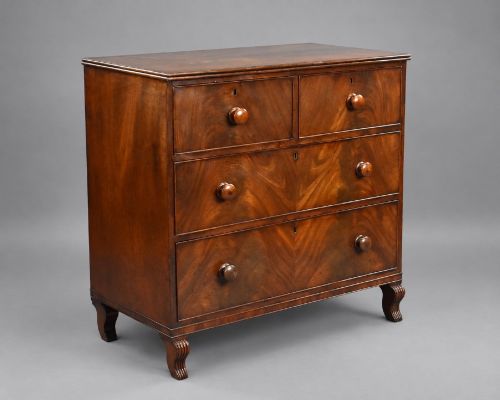
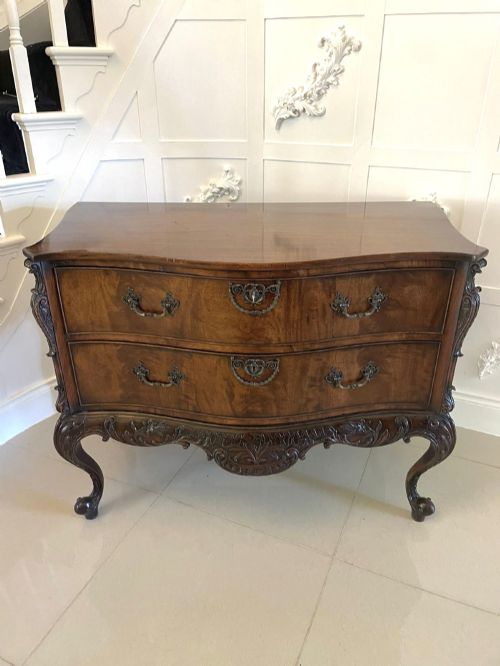
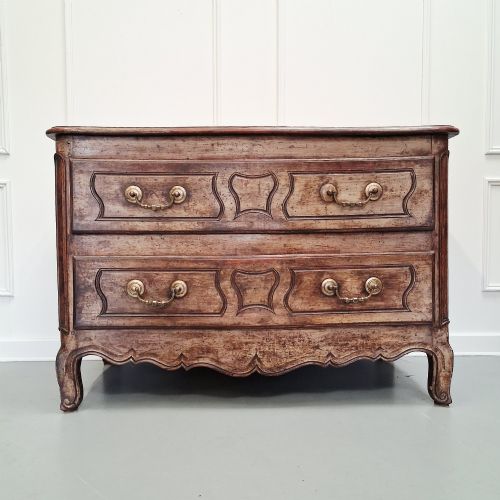
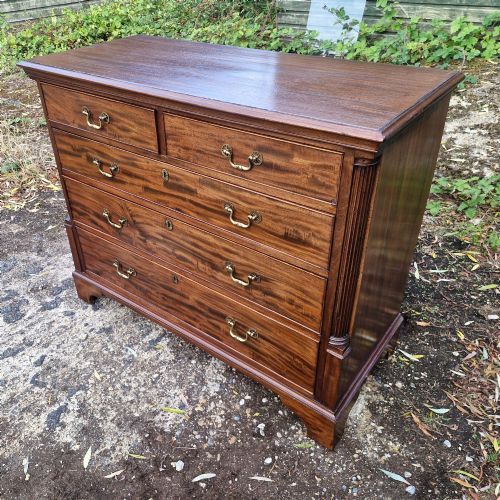
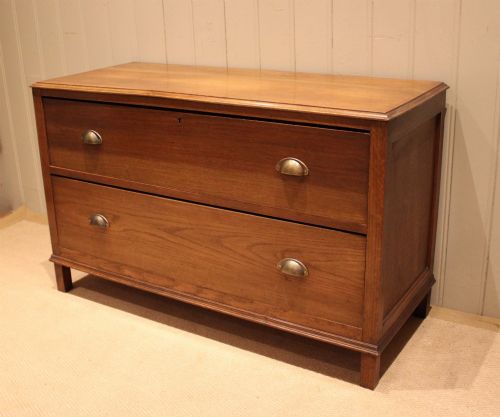
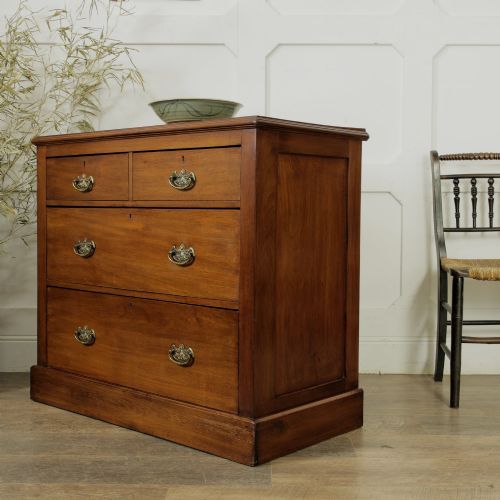
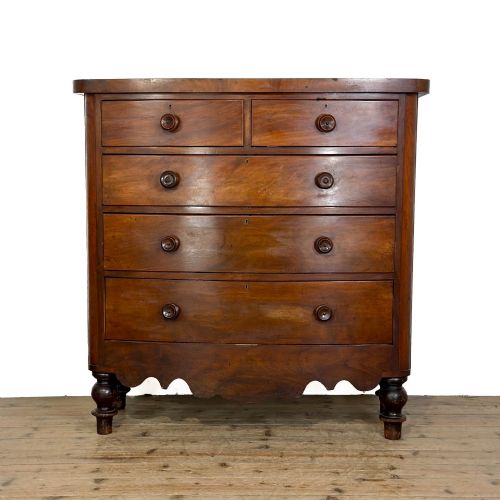
Two Drawer Commode
A two drawer commode offers practical surface space and tidy storage, combining functional proportions with decorative character.
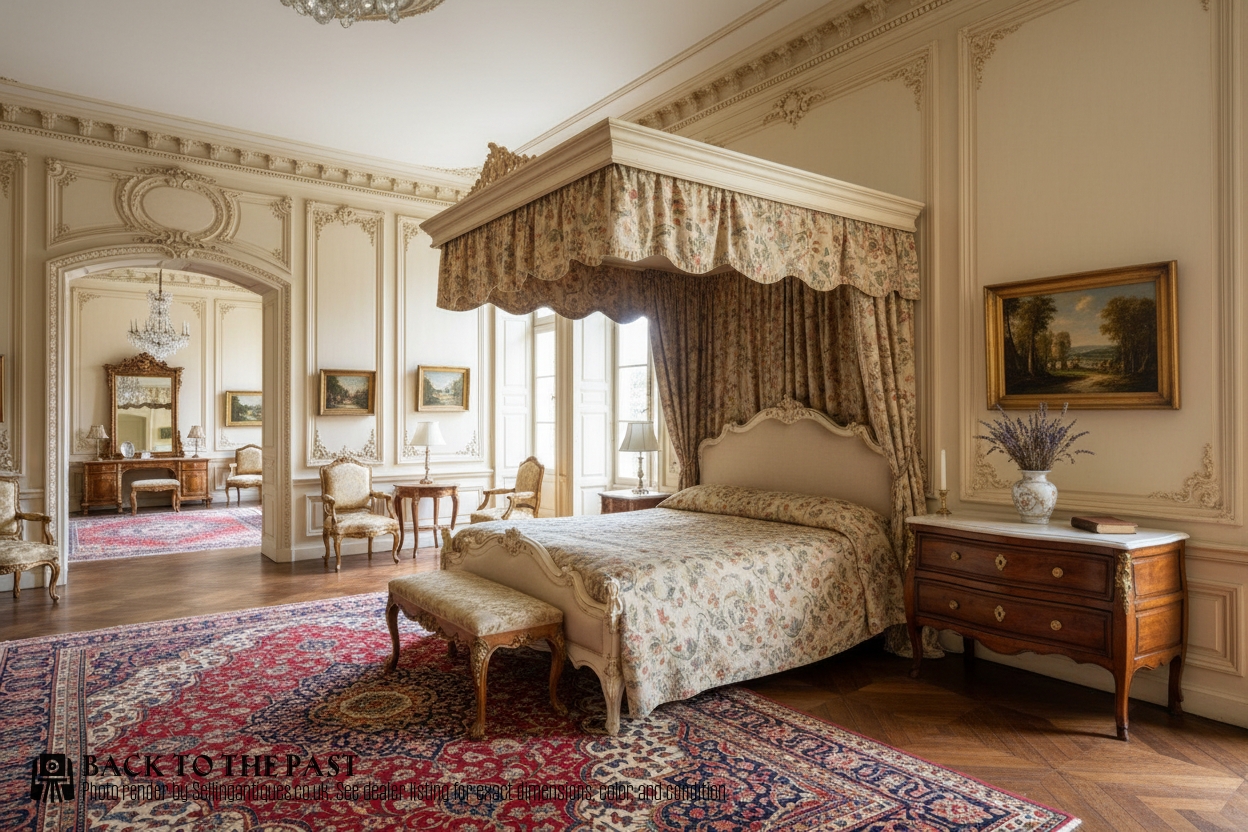
Two Drawer Commode
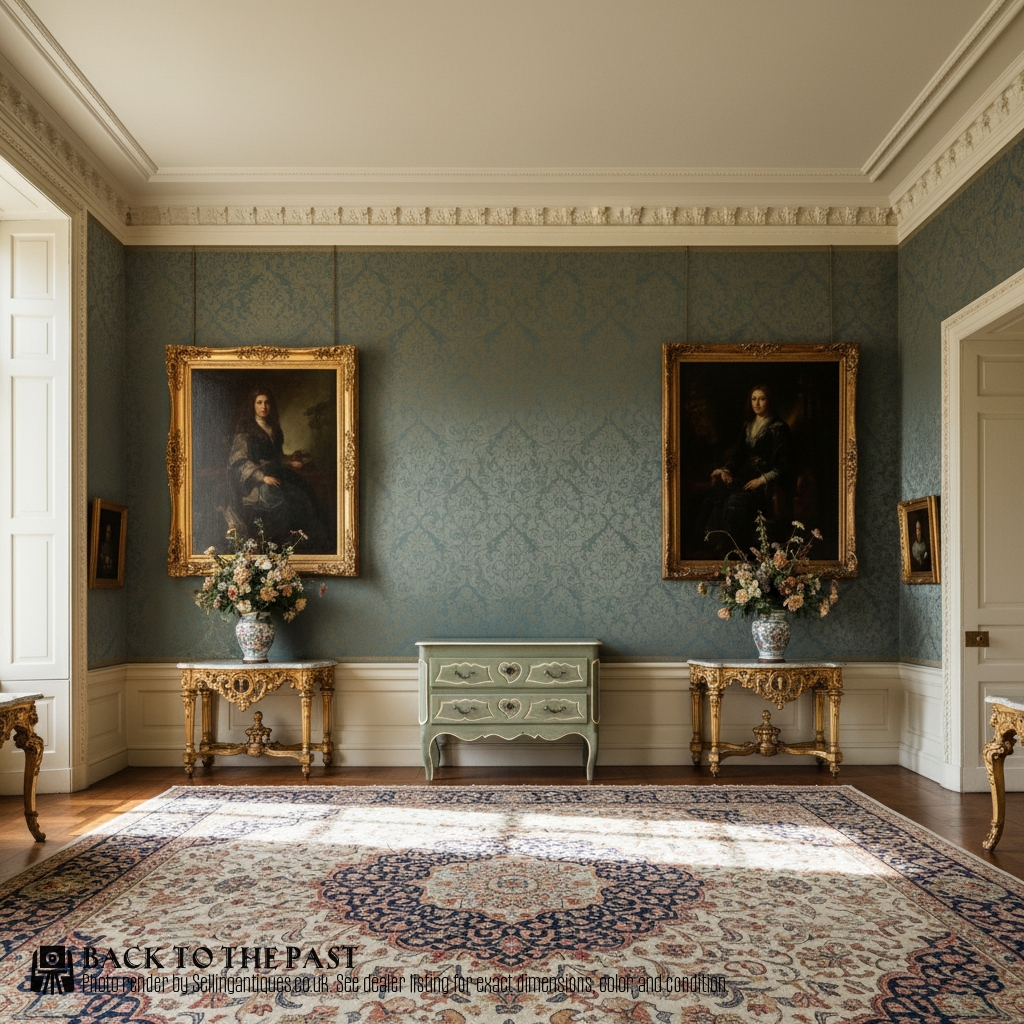
A two drawer commode search reveals both continental European examples and British chests of drawers spanning the eighteenth, nineteenth and early twentieth centuries.
Continental pieces frequently appear as French, Italian or Swedish commodes featuring walnut, fruitwood or painted finishes, often topped with marble.
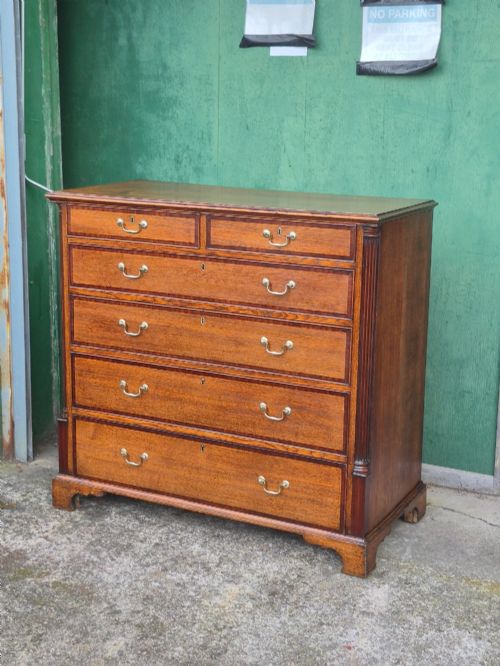
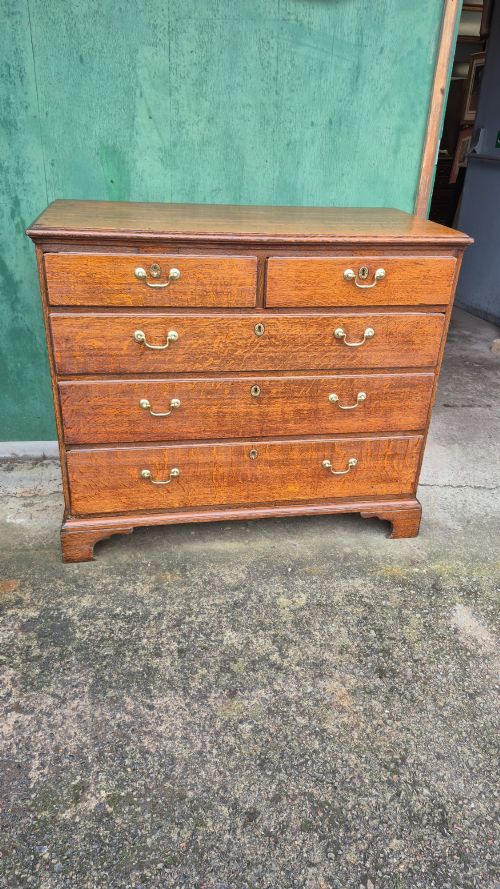
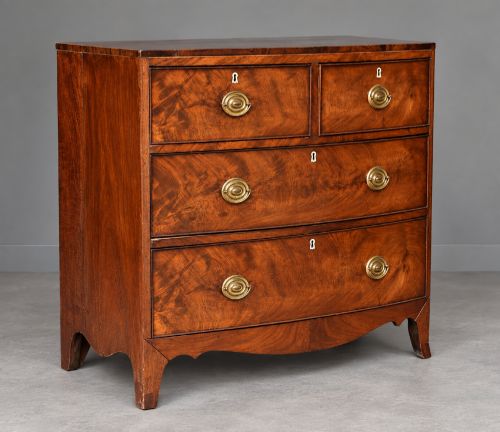
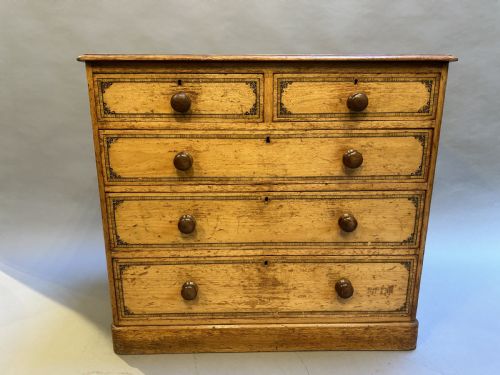
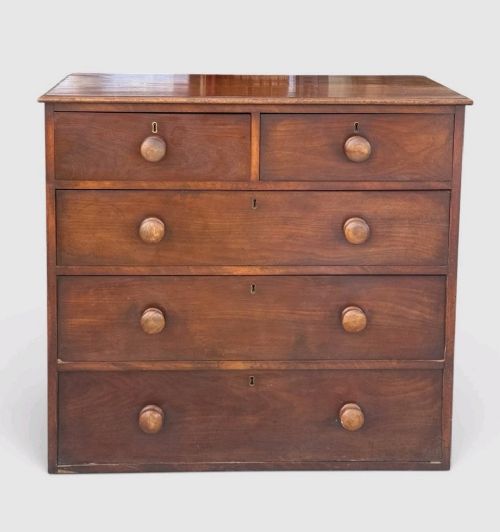
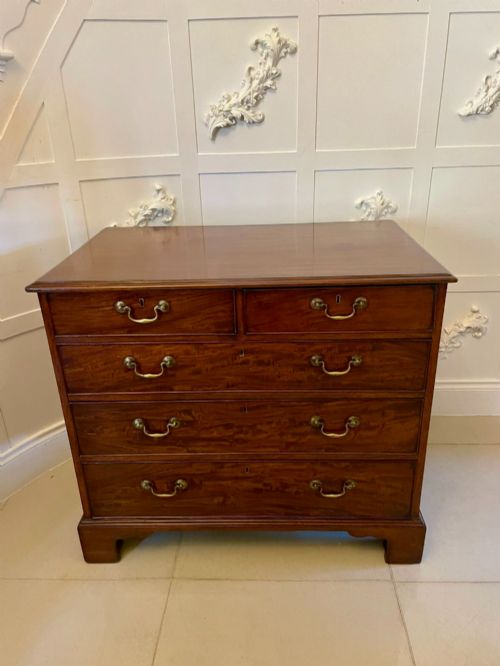
British variants emerge primarily as Georgian, Victorian and Edwardian chests of drawers in mahogany, oak or pine.
Materials and Construction
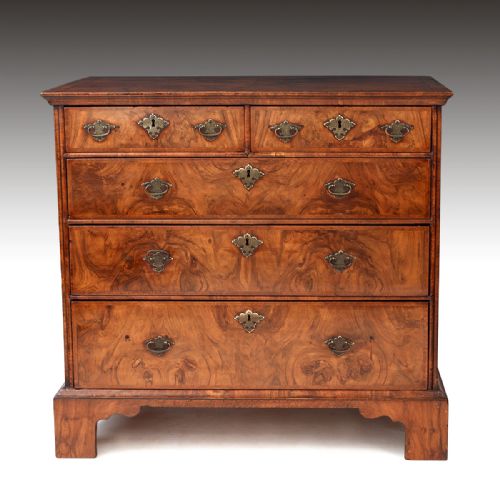
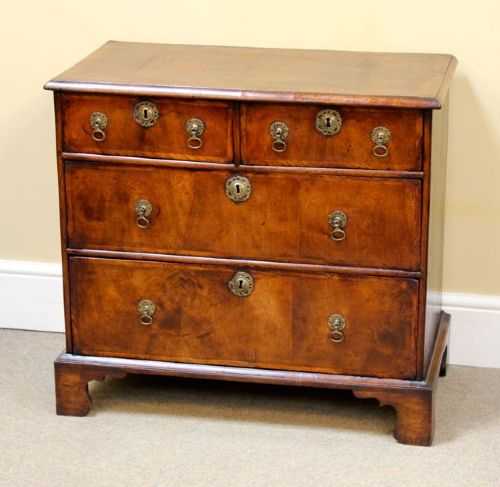
Cabinetmakers utilised solid timbers such as oak, pine and walnut alongside decorative veneers including flame mahogany, burr walnut and marquetry.
Drawer construction employed traditional jointing methods, while surface ornamentation incorporated brass hardware, gilt metal mounts and carved detailing.
Two Drawer Commode Retail Price Guide 2026
Typical asking prices for two drawer commode among the pieces listed under this phrase on Sellingantiques today, from the lower quarter to the upper quarter. They describe what is for sale here now, not the wider market.
One unexpected variant even employs faux bamboo alongside traditional cabinet timbers.
Craftsmanship and Proportion
Superior examples display carefully selected timber grain, precise crossbanding and harmonious proportions that elevate the piece beyond utilitarian storage.
Refined execution is visible in the crispness of applied mouldings, the stability of the carcase and the smooth operation of the drawers.
Heal & Son·Howard and Sons
The Two Drawer Commode Glossary
- Bowfront
- A convex, curved front section characteristic of various Georgian and Victorian case pieces. This shape softens the profile of the furniture.
- Commode
- A low cabinet or chest of drawers, originating from French furniture design. Continental versions frequently include marble tops.
- Crossbanding
- A border technique where thin strips of veneer are laid across the grain of the primary wood. This method frames the drawer fronts.
- Marquetry
- Decorative patterns created by fitting different woods and veneers into a glued design. It appears on select continental commodes.
- Serpentine
- A wave-like front contour featuring a convex centre flanked by concave curves. This design requires advanced woodworking skill.
Two Drawer Commode: Frequently Asked Questions
How do I style a two drawer commode?
Position the commode in a hallway, bedroom or living space where its compact footprint provides accessible surface area. Pair the top with a mirror or lamp, keeping the drawers for everyday organisation.
Allow sufficient clearance for the drawers to open fully without obstruction from nearby furniture.
Are these pieces purely decorative?
While these pieces offer distinct visual presence through figured veneers and carved details, they remain practical storage units. The dual drawer configuration suits bedside or hallway use.
Internal depths vary by period, accommodating linens, papers or daily accessories.
How do I identify a French commode?
French commodes frequently exhibit distinctive continental characteristics such as walnut or fruitwood construction, occasionally paired with marble tops. The hardware and overall silhouette reflect continental design traditions.
Proportions often lean towards softer curves and lower heights compared to standard British chests.
What woods were commonly used?
Mahogany, oak and pine form the core structural materials across British and continental pieces. Walnut and fruitwood appear frequently in continental workshop production.
Decorative surfaces often utilise flame mahogany veneer or burr walnut to create varied grain patterns.