

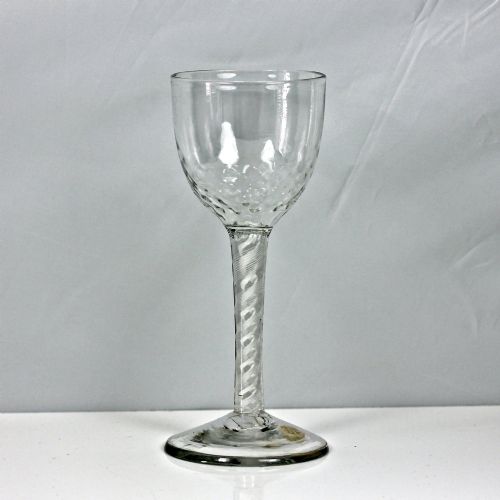
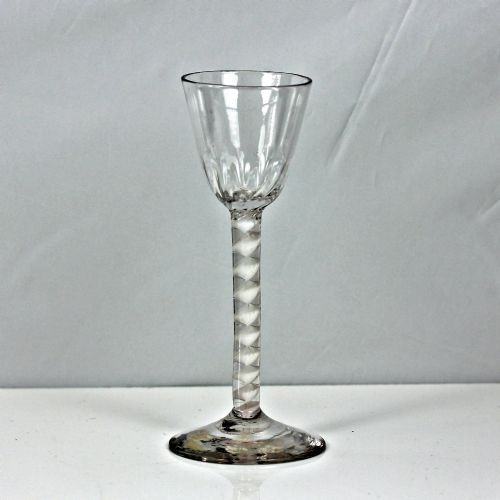
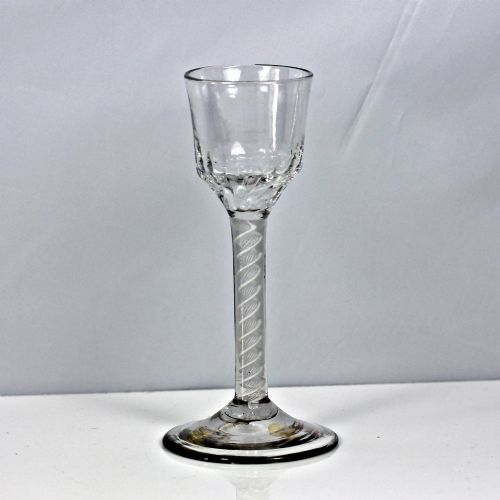
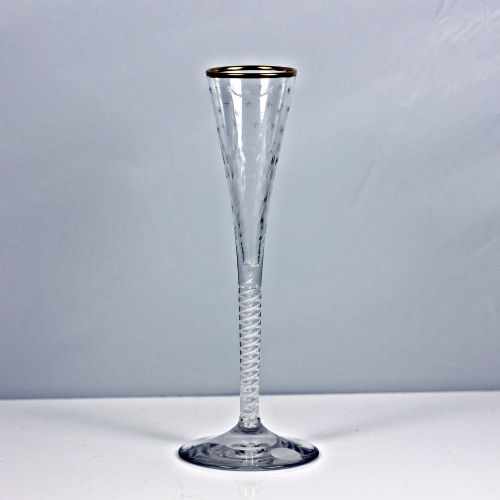
Twist Stem Wine Glasses
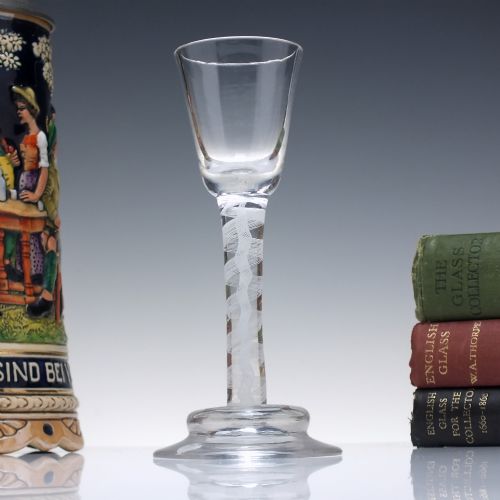
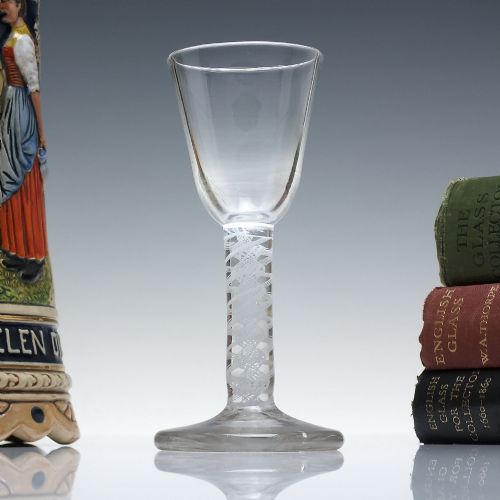
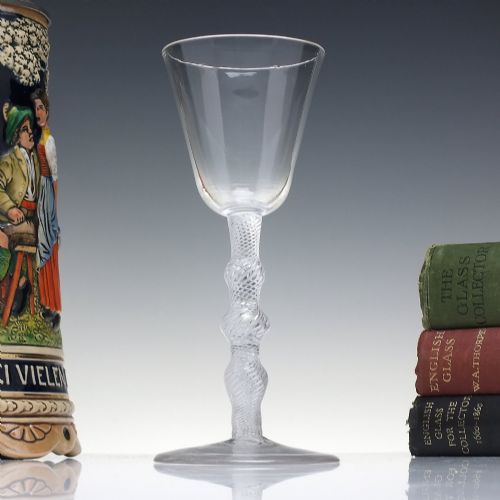
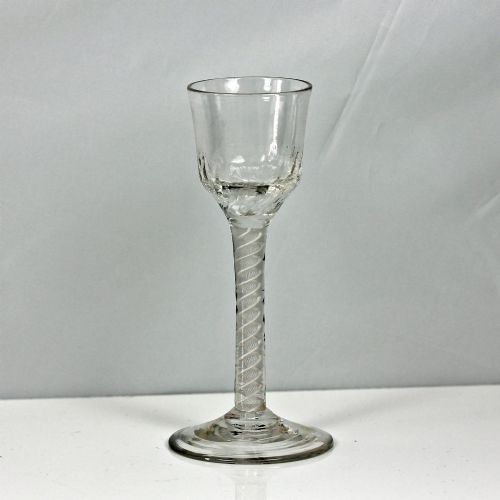
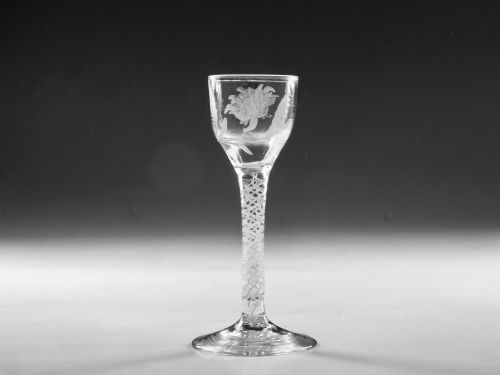
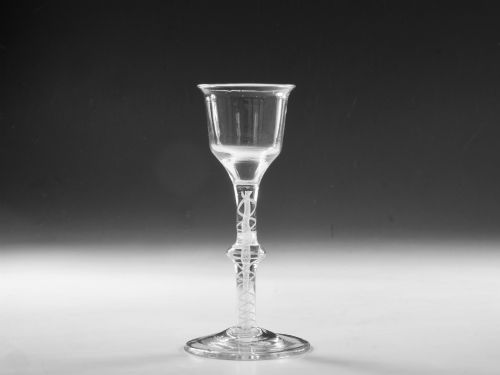
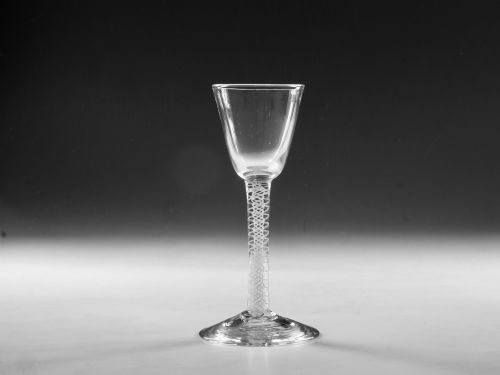
Twist stem wine glasses are graceful drinking vessels holding spiralled interior threads that catch the candle flame, bringing Georgian elegance straight to the modern table.
Twist Stem Wine Glasses
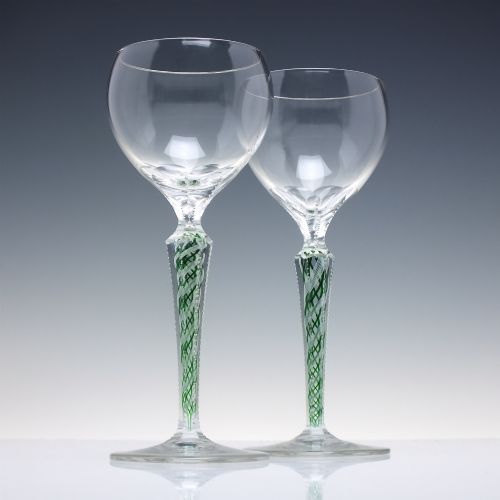
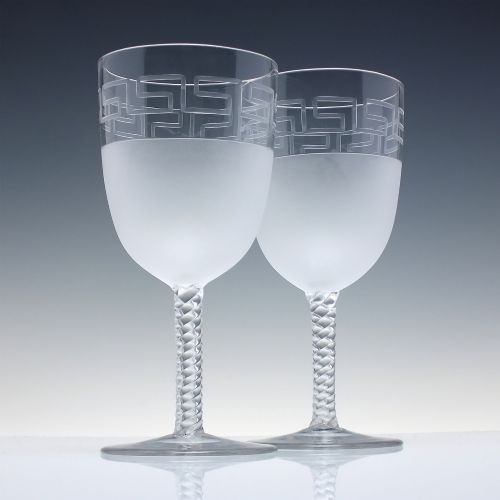
Twist stem wine glasses span the eighteenth century alongside later revivals, forming an essential collection of drinking vessels. Buyers searching for twist stem wine glasses encounter Georgian examples alongside Edwardian and later twentieth-century interpretations.
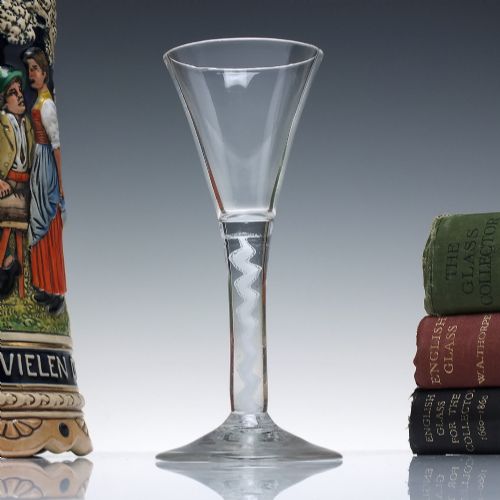
The inventory on this page ranges from mid-eighteenth-century specimens through to nineteen-thirties tall flutes, showcasing clear glass and lead crystal forms. Traditional shapes include trumpet, ogee, rounded funnel and ribbed bowls resting on domed or firing feet.
English origin dominates the historical selections, with periods stretching from Georgian times into nineteen-ten and nineteen-thirty revivals. These vessels serve wine, ratafia, ale and sweetmeats, maintaining historical drinking forms.
Materials and construction
Makers utilised lead glass, lead crystal and flint glass to achieve high clarity and durability. The characteristic interior threads were drawn into the hot metal before shaping, creating air bubbles or white enamel opaque twists.
Complex stems required skilled manipulation, combining single, double or multiple spiral formations within the glass rod. Additional decorative techniques involved wrythen moulding, gilding, and copper-wheel engraving to enrich bowls.
Twist Stem Wine Glasses Retail Price Guide 2026
Typical asking prices for twist stem wine glasses among the pieces listed under this phrase on Sellingantiques today, from the lower quarter to the upper quarter. They describe what is for sale here now, not the wider market.
Listings feature lead crystal, flint glass and enamel materials spanning Georgian periods alongside Edwardian and nineteen-thirty revivals.
Judging quality and character
Clarity of the metal and precision of the internal twist separate standard pieces from superior examples. The crispness of the optical spiral within the stem dictates visual appeal and technical accomplishment.
Proportion between bowl, stem and foot influences balance and presence on the table. Engraved detailing, such as Jacobite or Hanoverian motifs, adds distinct historical narrative when executed with fine line work.
The Twist Stem Wine Glasses Glossary
- Air twist
- An optical stem formation containing internal spiralling air threads produced by drawing bubbles in the molten glass. These threads catch light effectively.
- Opaque twist
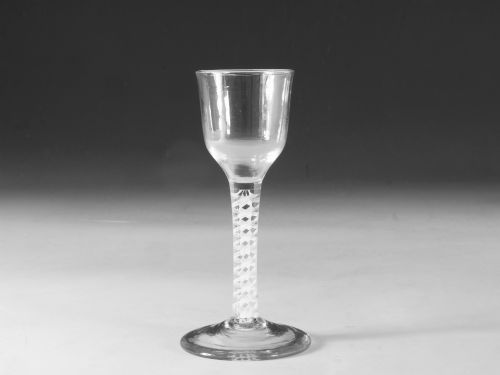
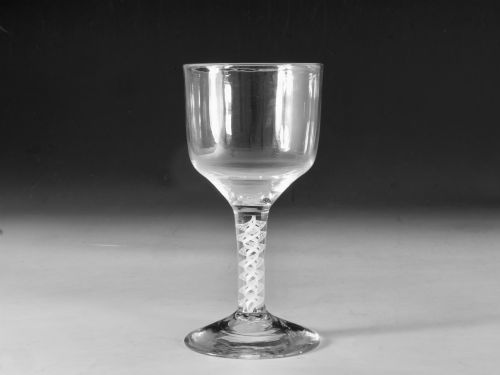
- A stem containing white enamel glass rods drawn into fine interior threads. They create stark contrast against clear lead crystal.
- Firing foot
- A heavy, folded base designed to withstand the heat of seventeenth and eighteenth-century tavern tables. It provides notable stability.
- Wrythen
- A moulded swirl pattern applied to the glass bowl or body. This technique produces diagonal ribs that reflect light dynamically.
- Composite stem
- A complex support combining multiple distinct design elements such as air twists, knops and plain sections. These represent advanced glassmaking skill.
Twist Stem Wine Glasses: Frequently Asked Questions
What is the difference between air twist and opaque twist?
Air twist stems contain elongated interior bubbles twisted into delicate spirals that appear subtle and translucent within the glass. Opaque twists utilise solid white enamel rods drawn into similar threads, offering much higher visual contrast.
Both styles emerged during the eighteenth century, though opaque twists gained popularity slightly later than their air-filled counterparts.
Were these glasses used for everyday drinking?
Georgian drinkers utilised these vessels for fine wines, ales, sweetmeats and ratafia during formal dining and social gatherings. Their delicate construction meant they belonged on well-appointed tables rather than rough tavern settings.
Today, collectors use them selectively for special occasions or display them to highlight eighteenth-century craftsmanship.
How can I tell a Georgian piece from a later revival?
Eighteenth-century examples display natural pontil marks on the underside of the foot alongside minor tool marks and varied lead glass weights. Later revival pieces often exhibit more uniform machine consistency and cleaner pontil dressing.
Examining the wear patterns on the base and the specific form of the bowl helps determine the correct period of origin.