

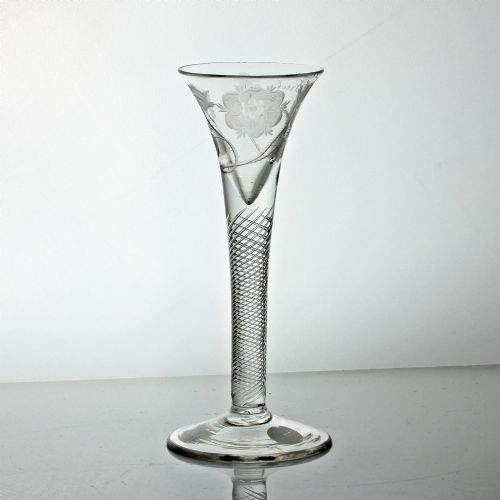
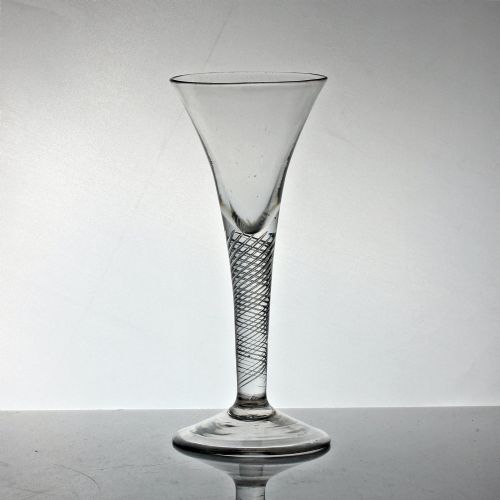

Twist Stem Wine Glass
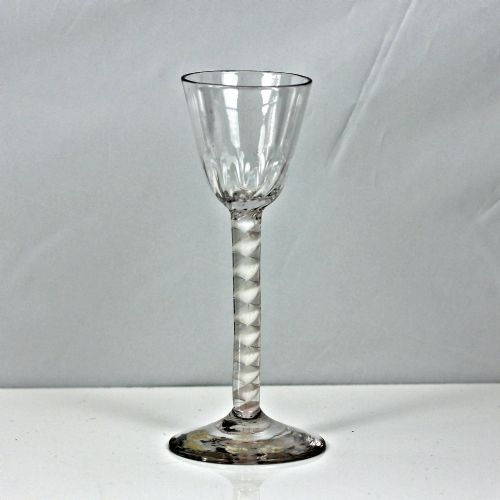
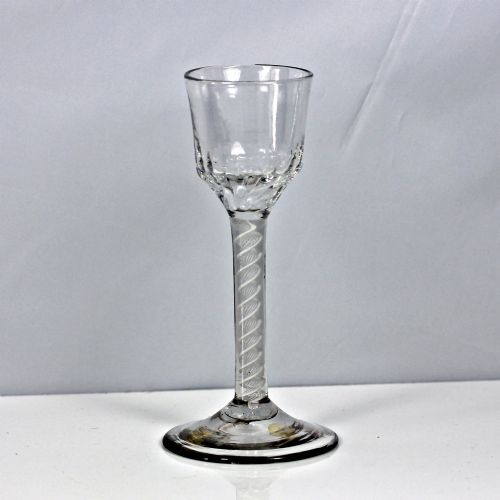
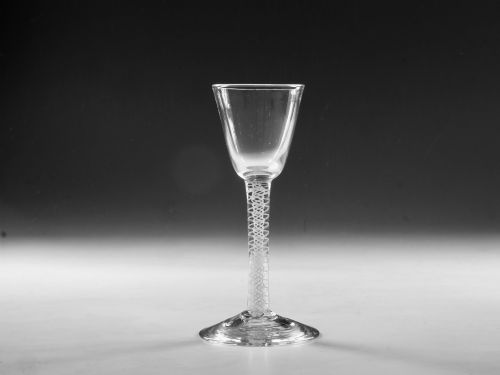
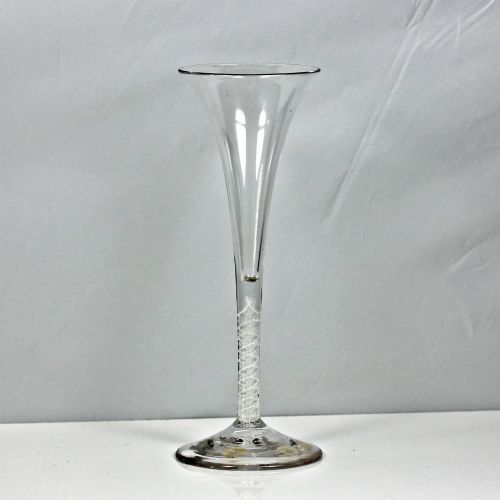
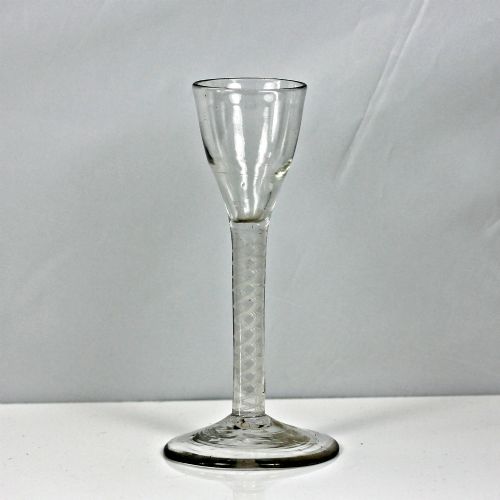
A twist stem wine glass is an eighteenth-century drinking vessel defined by intricate internal optical threads, prized for tactile elegance and historical weight.
Twist Stem Wine Glass
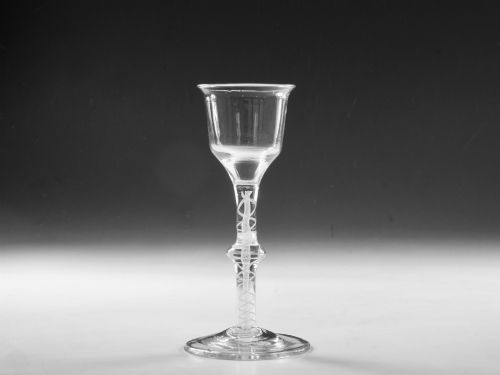
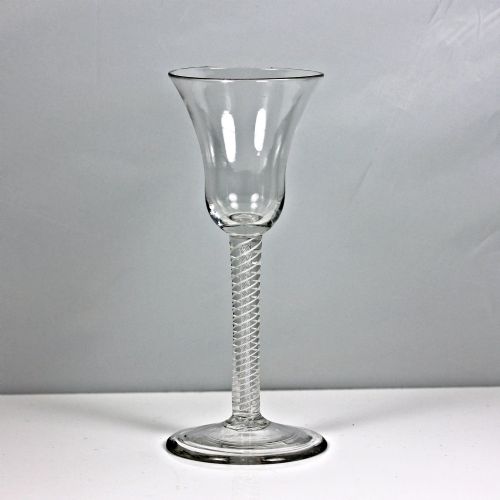
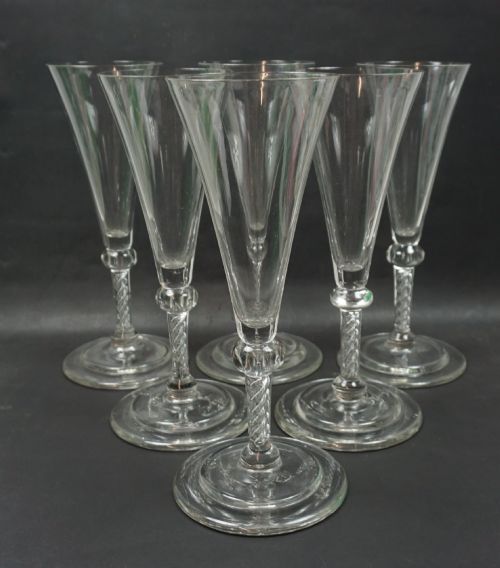
A twist stem wine glass belongs primarily to the eighteenth century and the Georgian period, emerging in forms designed for refined dining and social toasts. You will encounter rounded funnel bowls, ogee bowls, trumpet shapes, and heavy baluster profiles rooted in English glasshouses.
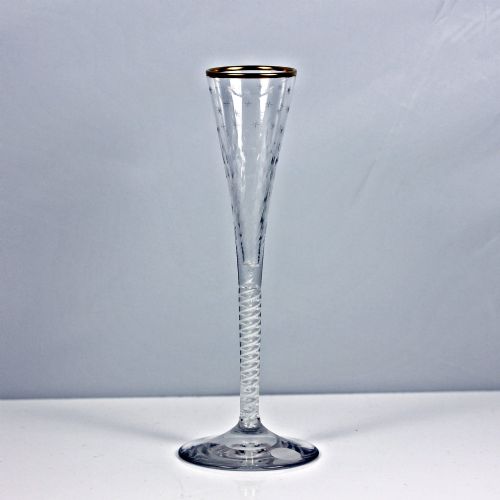
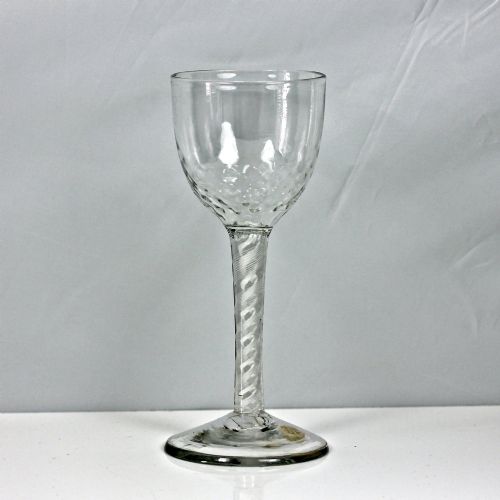
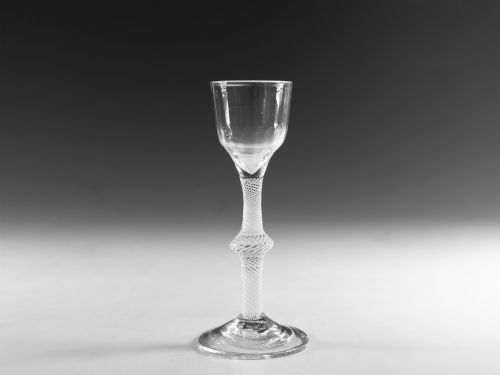
The dominant varieties on this page feature air twists, opaque white enamel twists, mixed spirals, and occasional colour twists inside the stem. These pieces range from standard wine vessels to taller champagne flutes, sweetmeat glasses, and large goblets.
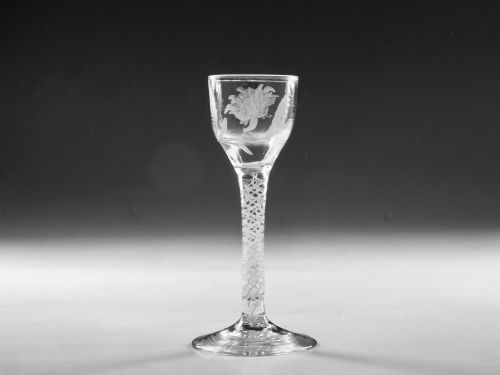
Beyond standard forms, specialised historical examples appear, including Jacobite engraved pieces, anti-Jacobite Hanoverian glasses, and ratafia glasses with engraved and gilded bowls. Each type reflects distinct social loyalties or drinking customs of the mid-eighteenth century alongside later Georgian revival pieces.
Manufacturing and Materials
Makers utilised lead glass, flint glass, and lead crystal to achieve high optical clarity and substantial weight in the bowl and foot. This heavier metal allowed artisans to draw stems and shape complex internal air channels or opaque glass threads without clouding.
The distinct internal threads were formed by trapping air bubbles within a molten cylinder, twisting the glass as it was drawn out, or encasing white enamel rods within clear crystal. Single series, double series, and multi-spiral patterns required precise thermal control and skilled manipulation by the glassblower.
Bowls were frequently blown separately, sometimes with flute-moulded or wrythened ribbing, and then joined to the prepared stem and conical foot. Engraving and gilding were applied subsequently as surface decoration, often depicting floral motifs or political emblems.
Georgian drinkers concealed political loyalties in plain sight by toasting secret monarchs with engraved garden weeds.
Gradations in Quality
The refinement of the internal twist separates standard production from exceptional pieces, particularly in the regularity, fineness, and density of the spiral threads. Multi-spiral and mixed twist configurations demonstrate greater technical dexterity by the glassmaker.
Clarity of the metal and the absence of heavy internal impurities or excessive seed bubbles distinguish superior lead crystal pieces. The structural balance between the bowl, the knopped or straight stem, and the domed or folded foot governs the visual harmony of the object.
The presence of contemporary engraved detail, such as Jacobite symbols or heraldic decoration, adds layers of historical significance and craftsmanship. The weight and tactile feel in the hand further indicate the standard of nineteenth-century revival work versus original eighteenth-century manufacture.
The Twist Stem Wine Glass Glossary
- Air twist
- A stem containing elongated internal air bubbles drawn into spiral threads. This technique creates a silvery optical effect within the clear glass.
- Opaque twist
- A stem enclosing white enamel glass rods pulled into fine opaque white threads. These often form single, double, or multi-spiral patterns inside the clear stem.
- Ogee bowl
- A bell-shaped drinking vessel with an 'S'-curve profile, curving outward at the rim and inward toward the base. It is frequently seen on mid-eighteenth-century examples.
- Wrythen
- A decorative pattern of spiral ribbing moulded into the glass bowl or foot. It complements the optical movement of the internal stem twist.
- Sweetmeat glass
- A wide, shallow vessel used for serving confectioneries, nuts, or sweet preserves. They share the stem and foot characteristics of drinking glasses from the same period.
Twist Stem Wine Glass: Frequently Asked Questions
How do I identify an opaque twist stem?
An opaque twist stem encloses solid white enamel glass rods rather than air, drawn into fine interior threads. These white strands form single series, double series, or complex multi-spiral patterns.
They emerged around the middle of the eighteenth century and offer a strong contrast against the clear lead metal of the bowl and foot. You will find them combined with ogee, trumpet, and flared bucket bowls.
What are Jacobite wine glasses?
Jacobite wine glasses are eighteenth-century drinking vessels engraved with political symbols supporting the exiled Stuart dynasty. Common motifs include roses, oak leaves, and specific portraits or Latin mottoes.
These pieces were used during clandestine toasts to the king over the water. They appear with both air twist and opaque twist stems, carrying distinct historical narratives.
What is a mixed twist glass?
A mixed twist glass combines both air bubbles and opaque white enamel rods within the same stem. This rarer configuration demands advanced glassmaking skill to align two distinct optical elements.
They date to the Georgian period and provide a highly intricate visual texture when viewed from the side. Collectors prize them for their technical complexity and uncommon appearance.