


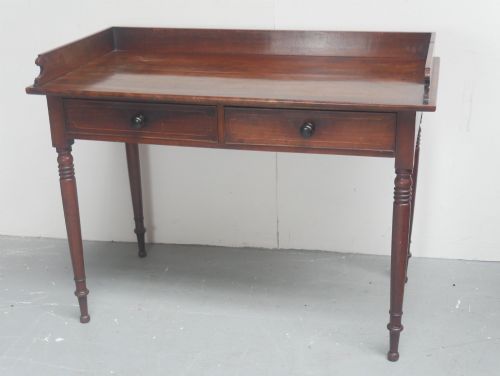
Turned Wood Table
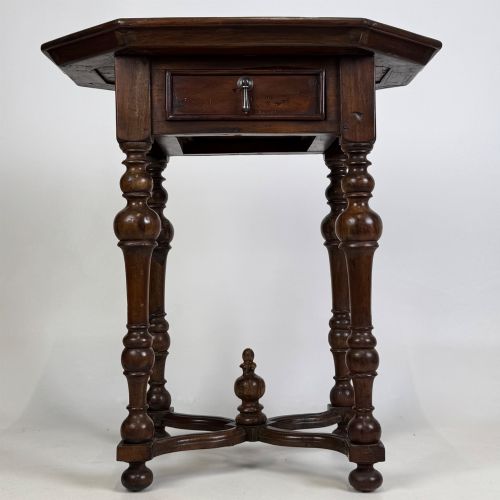
A turned wood table brings tactile character to a room through lathe-shaped legs, pillars and supports fashioned across centuries of craftsmanship.
Turned Wood Table
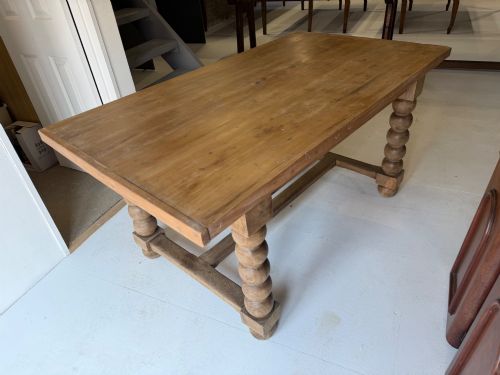
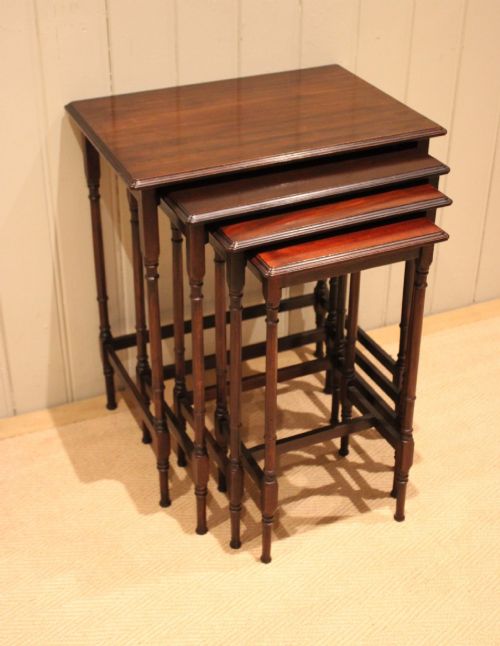
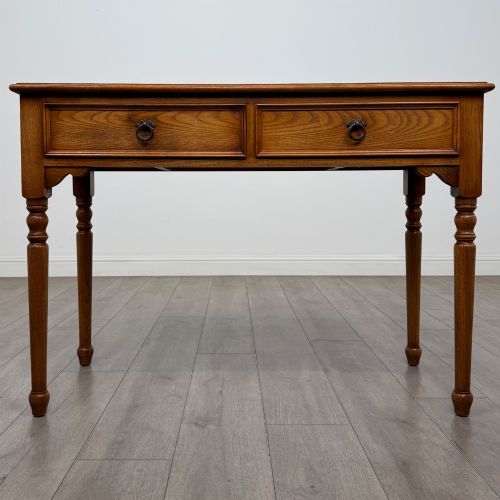
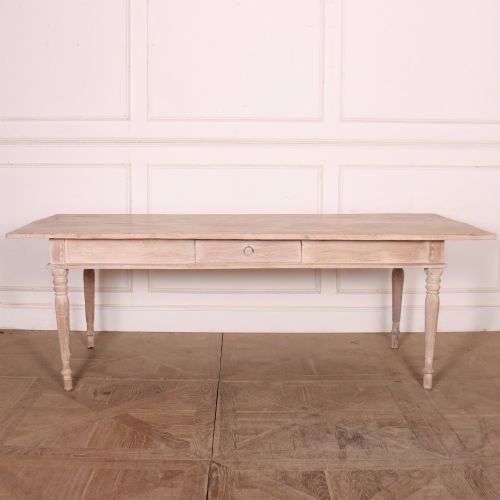
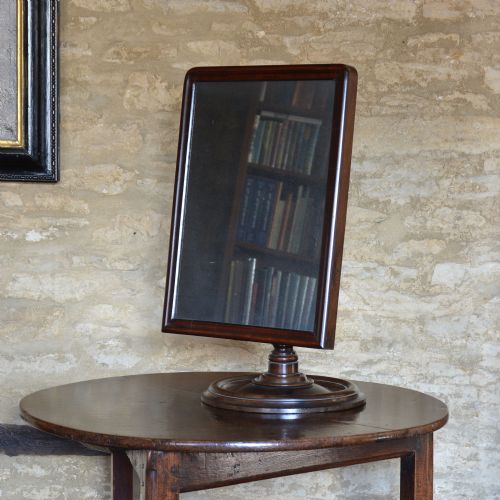
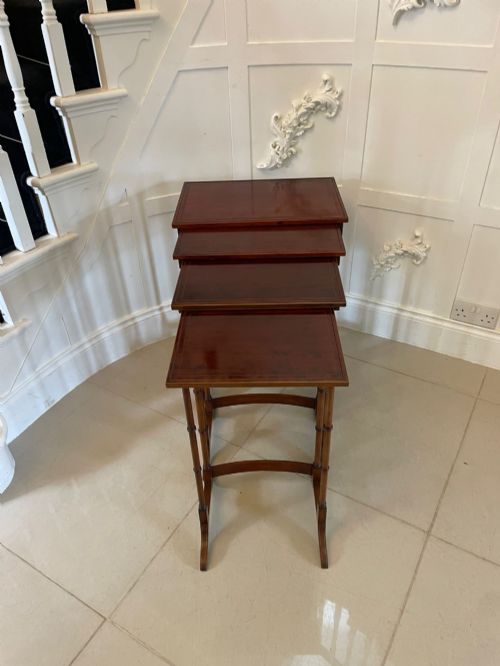
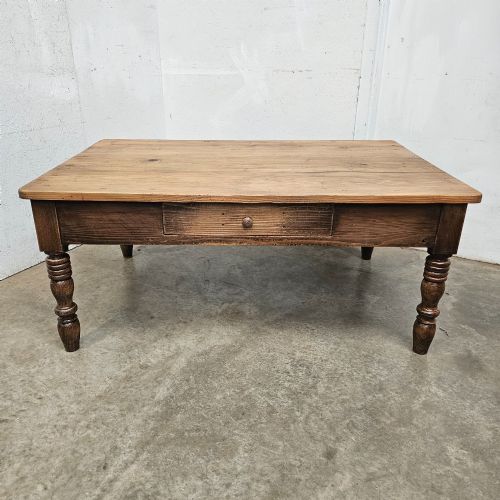
A turned wood table encompasses a wide variety of domestic forms defined by shaped wooden supports produced on a lathe. Buyers seeking this phrase encounter formats ranging from sturdy farmhouse dining boards to compact occasional tables and nests.
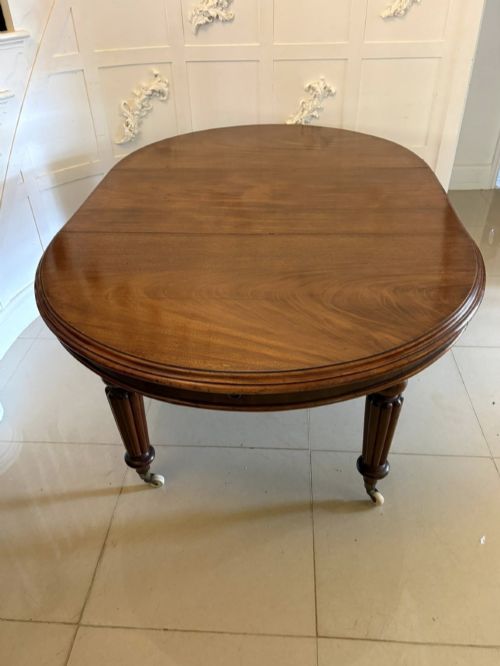
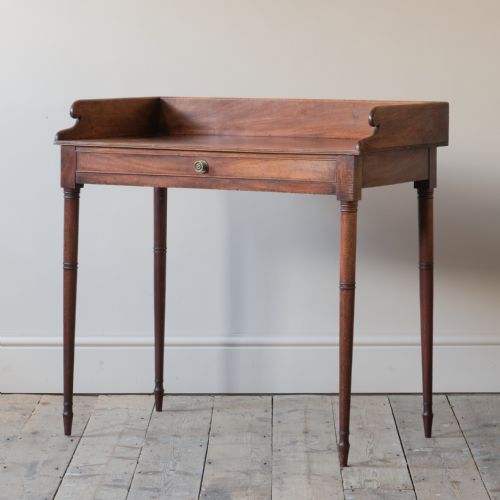
The evidence shows examples spanning from the Georgian and Victorian eras through to the Edwardian period and the early twentieth century. Side tables, wine tables and coffee tables appear frequently alongside extending dining formats.
Timbers vary considerably across the selection, featuring native and exotic woods shaped with bobbin, ring-turned or spool profiles. These pieces serve practical daily functions while displaying distinct turning techniques unique to their period of origin.
How they were made
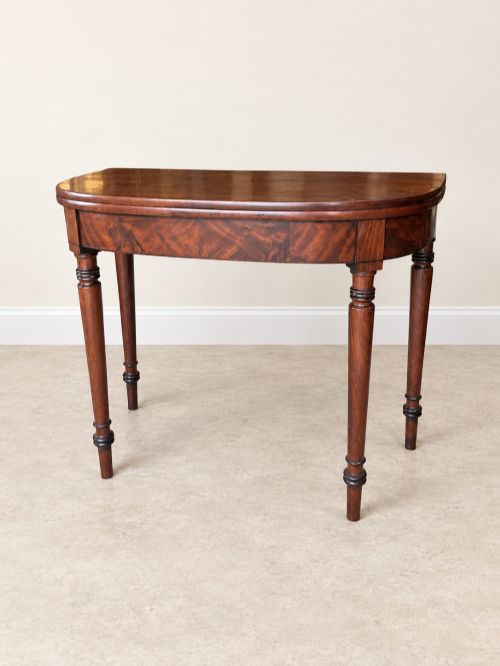
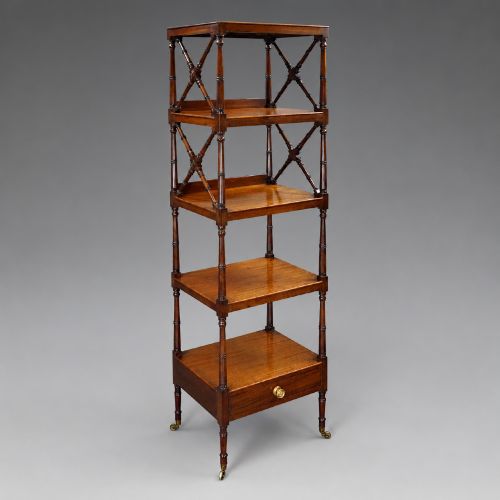
Cabinet makers utilised a lathe to shape solid timbers such as mahogany, oak, walnut, pine, elm and fruitwood into cylindrical supports, legs and candlestands. Turning allowed artisans to create symmetrical baluster, bobbin and ring patterns that gave structural rigidity and decorative elegance to the frames.
Joinery techniques combined these turned components with solid wood tabletops, sometimes incorporating brass castors, tilt-top mechanisms or drop leaves. Surfaces were finished to highlight the natural grain of woods like rosewood, satinwood and yew.
Several turned wood tables come equipped with tilt-top mechanisms, designed so the top can flip vertically and pretend to be a very flat wall decoration.
What varies in quality
Quality in these pieces rests upon the precision of the lathe work and the selection of timber. Finer examples display crisp, deeply carved turning details and well-figured solid woods without unnecessary timber substitution.
Construction integrity also separates standard utility items from finer workshop output, evident in the snugness of joints, the choice of secondary woods and the grace of the proportion between the turned base and the top.
German H.A.C.
The Turned Wood Table Glossary
- Bobbin legs
- A series of rounded spherical or cylindrical wooden shapes turned along the length of a leg, resembling a string of beads or bobbins.
- Ring-turned
- A support featuring a succession of narrow, deeply cut horizontal grooves or rings formed on the lathe.
- Tilt-top
- A tabletop mounted on a catch mechanism that allows the surface to tilt vertically for storage against a wall when not in use.
- Treen
- Small handmade wooden household objects and utensils, often turned on a lathe from dense fruitwoods.
- Wine table
- A small occasional table, usually standing on a central turned pedestal with tripod legs, originally designed to hold glasses or bottles.
Turned Wood Table: Frequently Asked Questions
What is a turned wood table?
A turned wood table is any table featuring legs, pedestals or supports shaped on a woodturning lathe. These range from heavy farmhouse dining tables to small occasional and wine tables.
The turning creates decorative profiles such as bobbin, baluster or ring-turned details. Such work appears across multiple periods, including the Georgian, Victorian and Edwardian eras.
How do I date a turned table?
Dating relies on observing the timber species, the style of the turning and the overall construction methods. Earlier pieces often utilise native hardwoods like oak, elm or fruitwood, whilst later Victorian and Edwardian examples frequently feature mahogany, walnut or rosewood.
The geometry of the turned supports also shifts over time, moving from sturdy seventeenth-century balusters to slender Edwardian columns and delicate bobbin legs.
Where should I place a wine table?
A wine table suits small awkward corners, beside armchairs or next to a sofa as a convenient resting place for drinks and lamps. Their compact footprint and central pedestal design allow them to fit into tight spaces where four-legged tables cannot.
Many historic examples feature tilt-top mechanisms, enabling the table to stand flat against a perimeter wall when floor space is needed.
Are these tables suitable for daily use?
Solid wood tables with turned supports offer robust construction capable of handling everyday domestic demands. Dining formats and coffee tables provide reliable functional surfaces while retaining period character.
Maintenance involves regular dusting and occasional nourishment with appropriate wood waxes to preserve the finish of timbers like mahogany, oak and walnut.