


Antique Fringed Table
An antique fringed table brings tactile warmth to a room, combining rich textiles with period woodwork or metalwork.
Antique Fringed Table
When you search for an antique fringed table, you encounter pieces that merge traditional furniture forms with soft fabric trimmings. The selection relies heavily on nineteenth-century and early twentieth-century examples, drawing from Victorian and Edwardian periods.
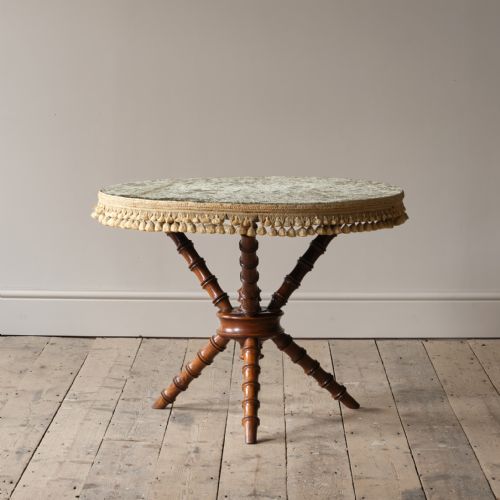
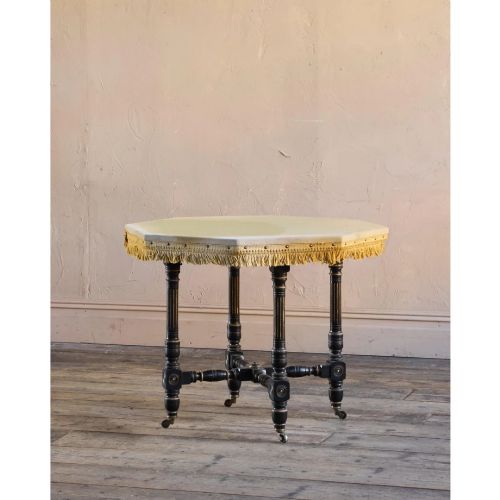
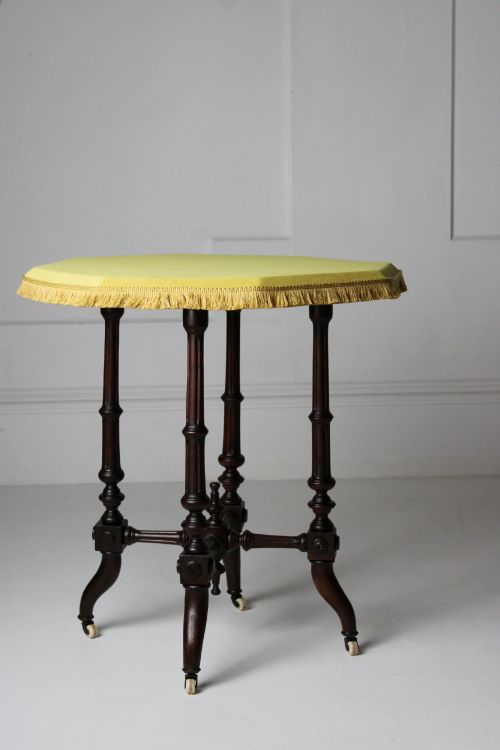
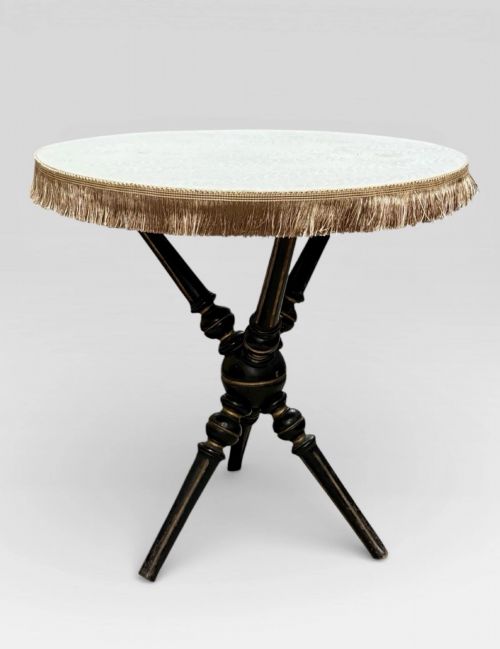
The most common formats on this page include gypsy side tables and occasional tables draped in velvet or silk. These small tables often utilise turned legs or simulated bamboo structures paired with fabric borders.
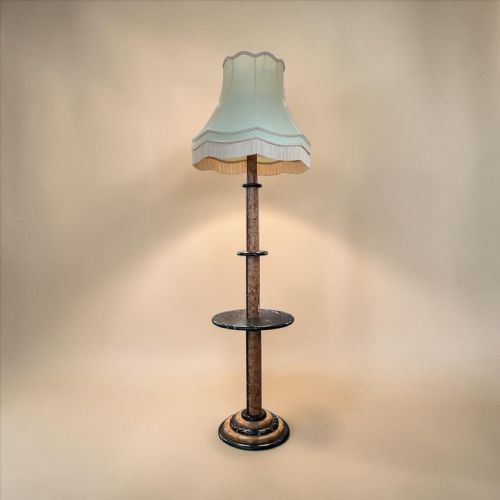
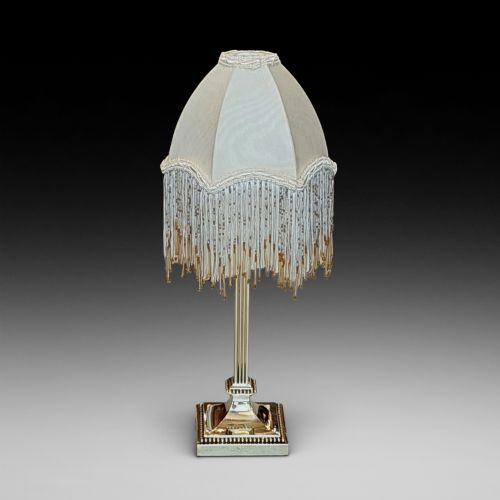
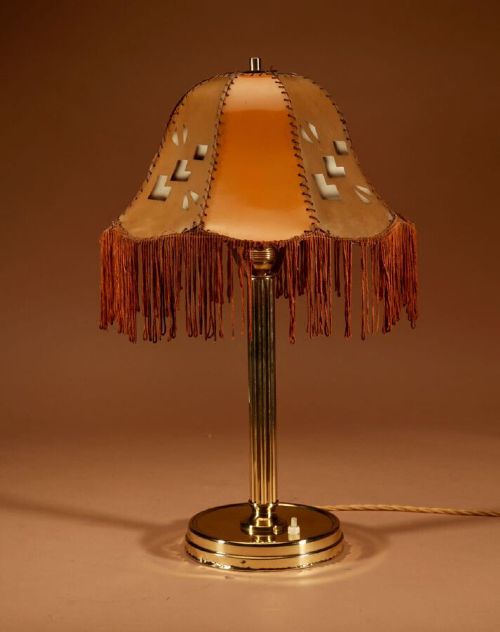
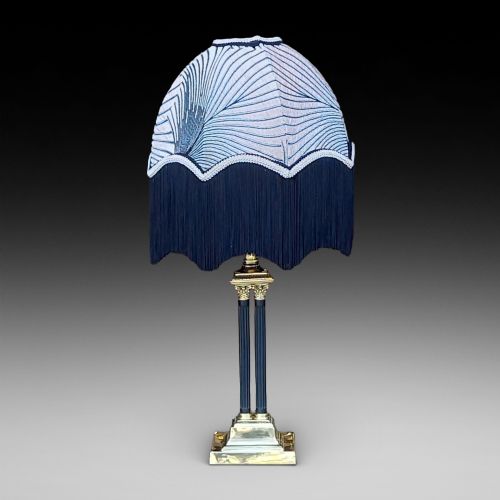
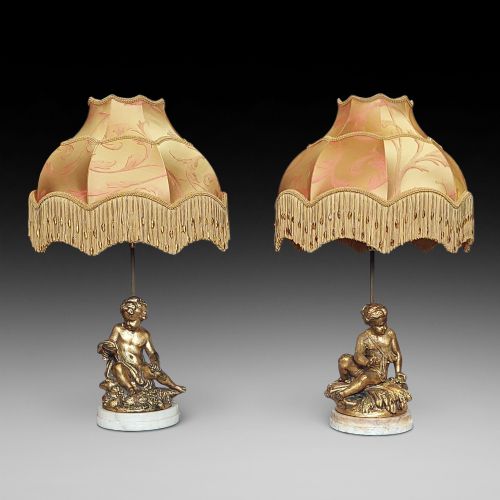
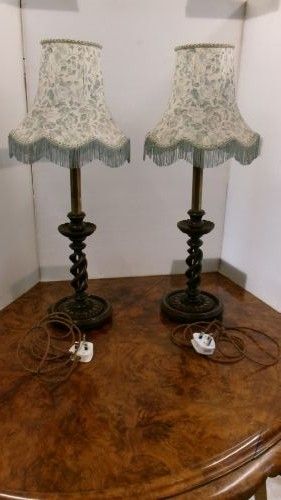
Makers such as Hindley & Sons and John Taylor Edinburgh represent the cabinetry tradition behind these forms. Alongside side tables, you also find standard lamps and table lamps incorporating fabric shades and beaded fringes.
Materials and construction
Makers constructed the supportive frames using solid timbers such as walnut and simulated bamboo, alongside cast metals like brass and gilt bronze. Tables frequently feature velvet or silk textiles applied to tops or borders.
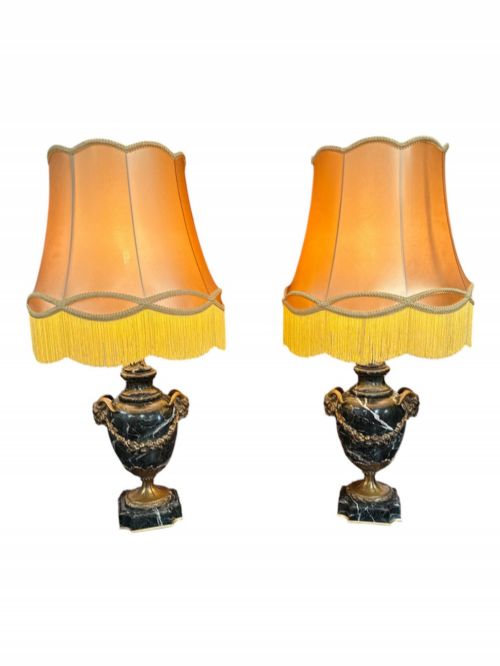
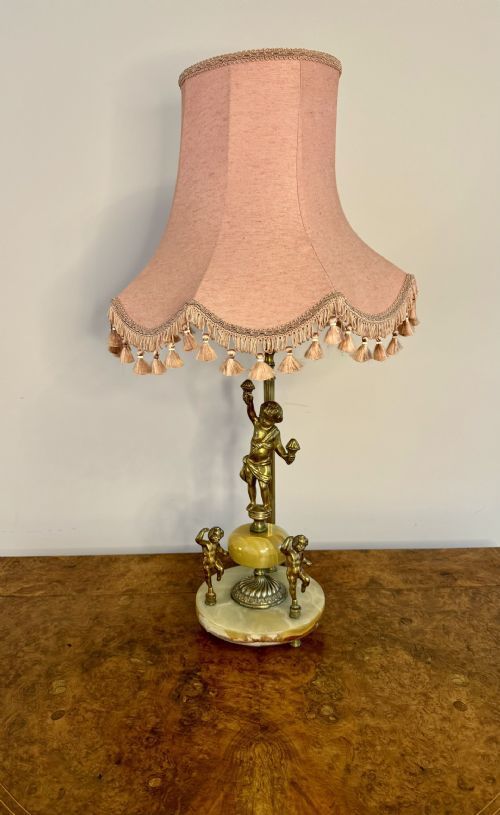
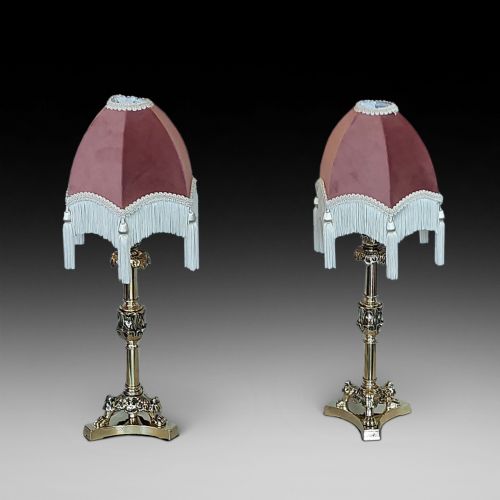
Lighting variants incorporate marble, onyx, and glass beads alongside metal columns and bases. Fabric elements and fringes are attached to lampshades or table edges using period trimming techniques.
Materials documented across the pieces include fabric, brass, glass, marble, silk, gilt bronze, bronze, and glass beads.
Judging quality
The standard of an antique fringed table depends on the integrity of the underlying woodwork and the richness of the textile elements. Hand-turned wooden components and substantial brass or bronze mounts indicate higher production standards.
The condition of the fabric and the density of the fringe determine the overall preservation of the piece. Original velvet or silk trimmings that retain their colour elevate the character of the furniture and lighting alike.
Hindley & Sons·John Taylor Edinburgh·Georges Leleu
The Antique Fringed Table Glossary
- Gypsy table
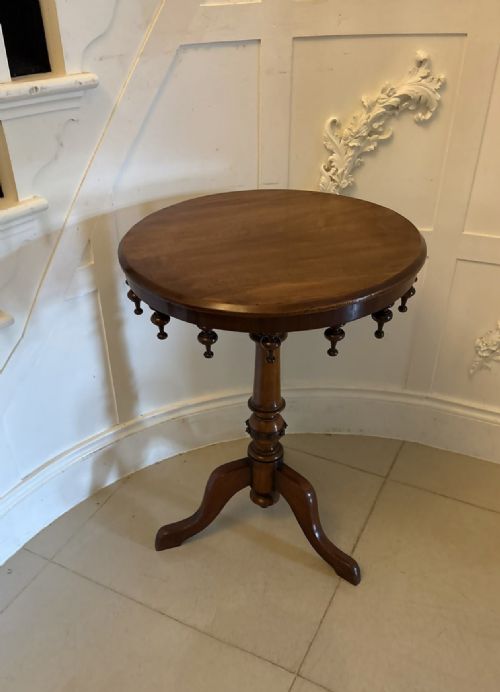
- A small, movable side table traditionally draped with fabric or velvet, popular during the Victorian and Edwardian eras. These pieces often utilise folding or three-legged wooden frames.
- Bobbin turning
- A form of woodturning characterised by a series of rounded, spool-like shapes resembling bobbins. This decorative turning style frequently appears on nineteenth-century table legs and galleries.
- Gilt bronze
- Bronze metal treated with a thin layer of gold or gold-coloured gilding. This technique provides a lustrous surface finish seen on decorative table lamp bases and mounts.
- Corinthian column
- A classical architectural column style featuring an ornate capital decorated with acanthus leaves. This motif appears frequently on nineteenth-century brass and bronze table lamps.
Antique Fringed Table: Frequently Asked Questions
What is an antique fringed table?
An antique fringed table is typically a Victorian or Edwardian occasional or side table featuring fabric drapery and trim along the edges. These pieces bring soft textile textures into interior spaces.
They often take the form of gypsy tables draped in velvet or silk, combining turned wooden frames with decorative borders.
How do I care for velvet on old tables?
Velvet surfaces require gentle brushing with a soft-bristled brush to maintain the pile and remove dust. Avoid using water or chemical cleaners on antique textiles.
Keeping these tables away from direct sunlight helps preserve the original colour of the fabric and fringe.
What periods do these pieces come from?
The pieces listed span from the nineteenth century through the Edwardian era and into the 1920s. Common periods include the Victorian age and the early twentieth century.
Design styles reflect aesthetic movements, Neoclassical revivals, and early Art Deco influences.
Are fringed lamps included here?
Yes, standard lamps, table lamps, and oil lamps with fringed fabric or beaded shades appear alongside the tables. These lighting pieces share the same period materials and decorative motifs.
Many incorporate brass columns, marble bases, or gilt bronze mounts from the late nineteenth and early twentieth centuries.