





Antique Velvet Table
An antique velvet table brings tactile warmth and period character to a room, ranging from small display pieces to occasional side tables.
Antique Velvet Table
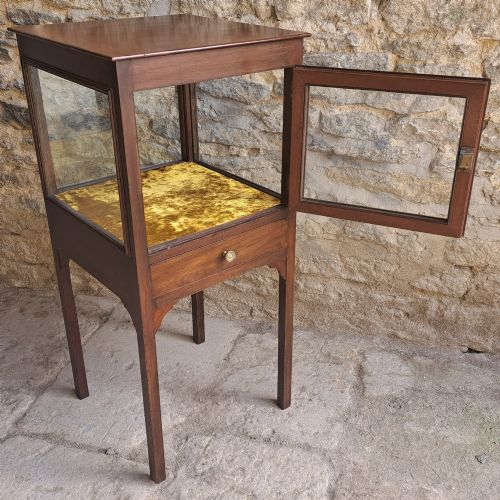
An antique velvet table encompasses occasional furniture and display pieces that incorporate velvet textiles or feature velvet-lined surfaces, such as bijouterie tables and work tables. Buyers seeking an antique velvet table often encounter Victorian and Edwardian examples utilising rich fabrics alongside polished timbers.
The selection frequently includes side tables, display cabinets, and specialised tables designed to showcase small possessions beneath glass or upon upholstered surfaces. These items bridge utilitarian furniture and decorative display.
Origins span British workshops as well as continental and international makers, reflecting diverse aesthetic movements from French Rococo Revival to the Aesthetic Movement.
Materials and construction techniques
Cabinetmakers utilised hardwoods such as mahogany, walnut, rosewood, and ebonised timber to form the structural frames of tables and display cases, often incorporating brass mounts, ormolu, and delicate inlay work.
Textiles like velvet and silk formed the interior linings of display compartments or served as decorative table covers, paired with glass panels and turned or carved wooden supports.
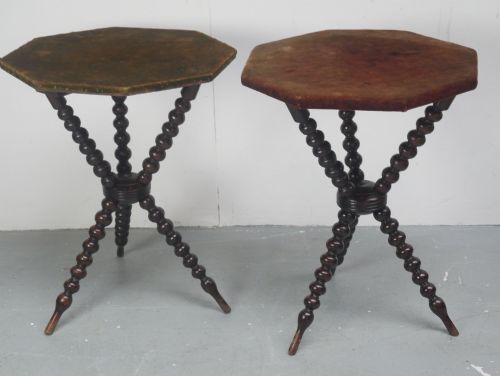
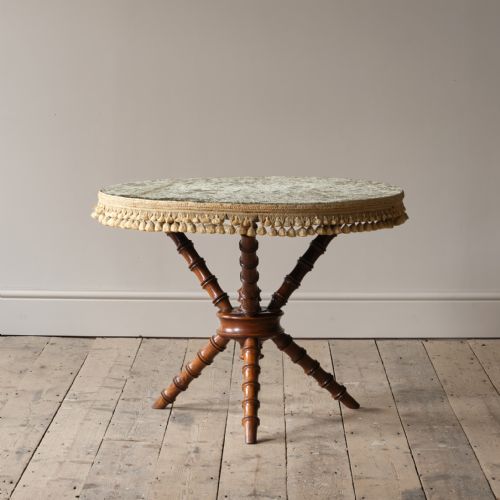
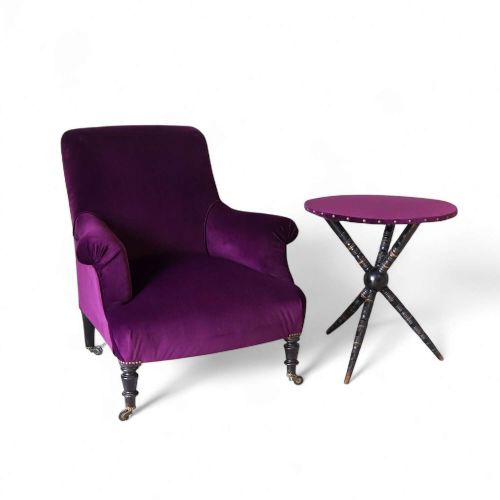
Simulated bamboo framework brought exotic flair into Victorian parlours without requiring actual bamboo construction.
Distinctions in craftsmanship
Quality rests in the precision of the timber joinery, the crispness of carved scrollwork or turned legs, and the integrity of brass or ormolu mounts fitted to display tables.
The grade of the velvet textile and the clarity of glazed panels or glass tops further divide standard production from exceptional examples produced by noted makers.
John Taylor Edinburgh·Henry Matthews·Hille
The Antique Velvet Table Glossary
- Bijouterie table
- A glass-topped display table designed to exhibit small ornaments, jewellery, or curiosities on a fabric-lined interior base. These pieces gained popularity during the Victorian and Edwardian periods.
- Gipsy table
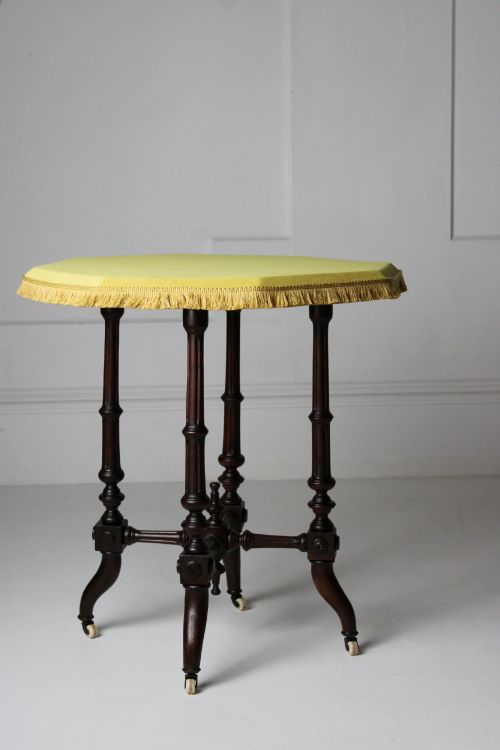
- A light occasional table traditionally fitted with a fabric cover or draped cloth hanging over the legs. They often appeared in late nineteenth-century interiors.
- Ormolu
- Gilded bronze mounts applied to furniture and decorative objects for enrichment. The technique was widely utilised during revivalist design periods.
- Vitrine
- An enclosed glass cabinet or display case used for exhibiting porcelain and collectibles. They protect delicate objects while offering clear all-round visibility.
Antique Velvet Table: Frequently Asked Questions
What is an antique bijouterie table?
A bijouterie table is a specialised display piece featuring a glazed top and sides above a fabric-lined well. They were designed to showcase small valuable items and personal collections in drawing rooms.
Such tables often stand on slender legs and utilise timbers like mahogany or satinwood with delicate inlay.
How do I care for antique velvet?
Velvet textiles require gentle handling to preserve the pile and prevent crushing or fading from direct sunlight. Regular light dusting helps maintain the fabric texture.
Avoid harsh cleaning agents and consult a specialist textile restorer for deeper cleaning.
Where were these tables used?
These tables typically occupied principal reception rooms, parlours, or bedrooms as decorative surfaces and display units. They functioned as both practical furniture and conversational showpieces.
Smaller occasional versions could be moved easily to suit the arrangement of a room.
How can I date an antique table?
Dating relies on identifying the prevailing architectural styles, timber choices, and construction methods characteristic of periods like the Victorian, Edwardian, or Regency eras. Hardware, joinery techniques, and secondary woods offer further chronological clues.
Maker marks or stamps can also pinpoint specific workshops and dates of manufacture.