

Turned Stem Candle Stands
Turned stem candle stands are sturdy timber and metal supports designed to elevate light sources, offering collectors practical historical illumination.
Turned Stem Candle Stands
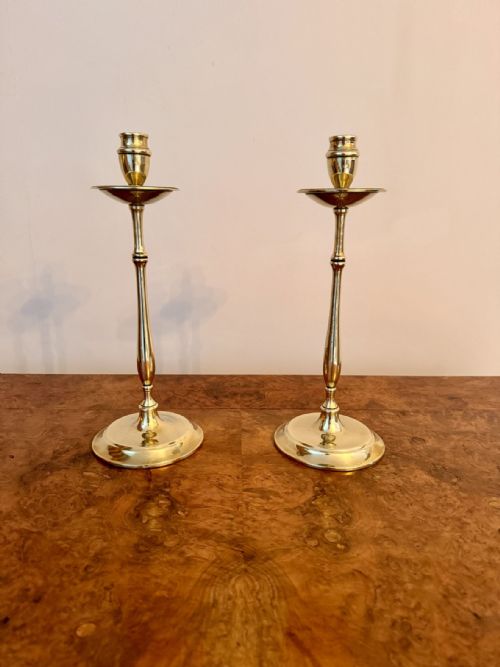
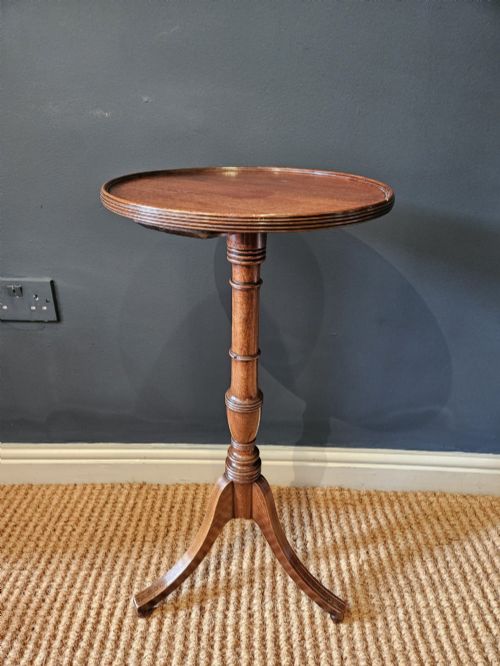
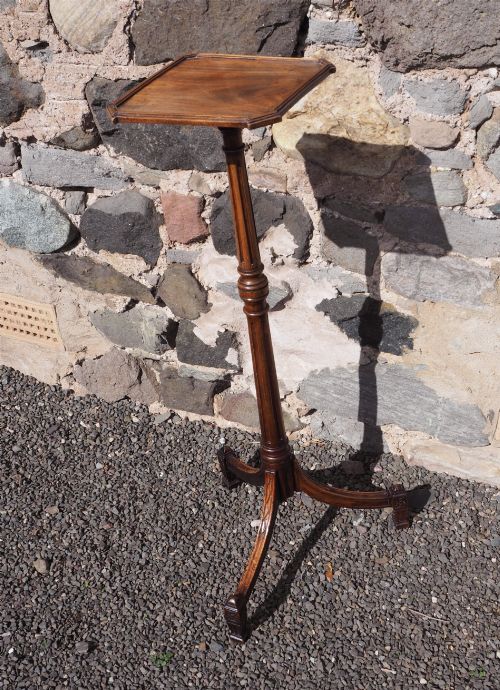
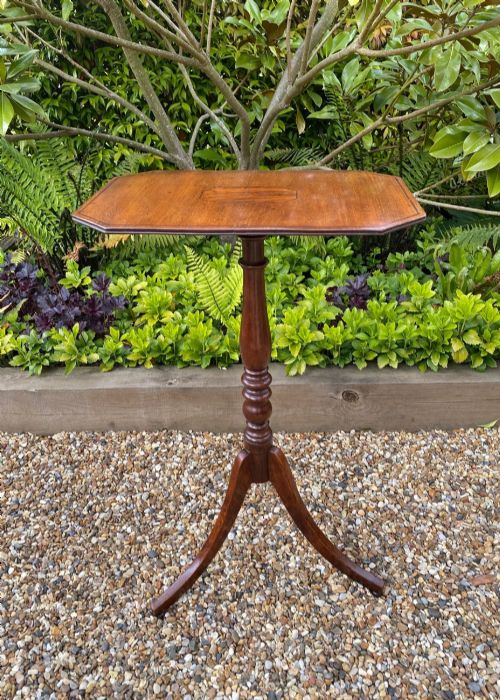
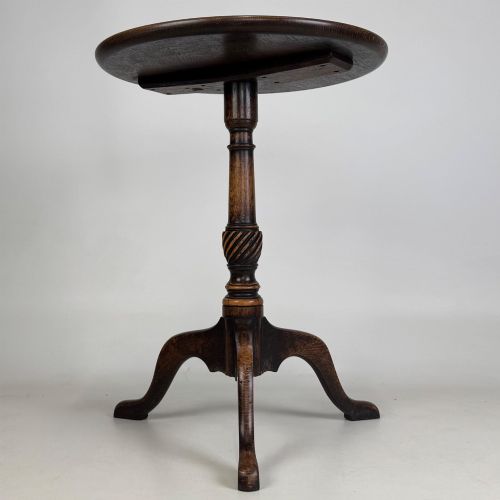
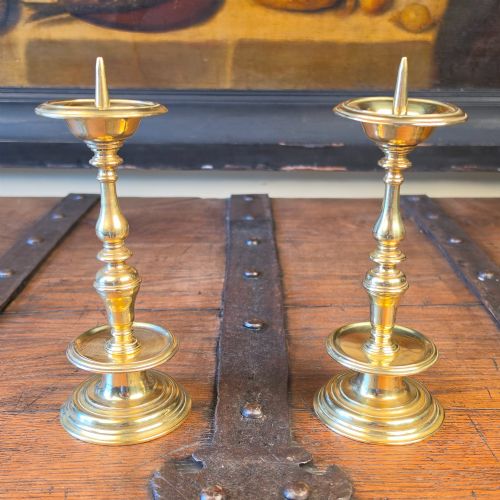
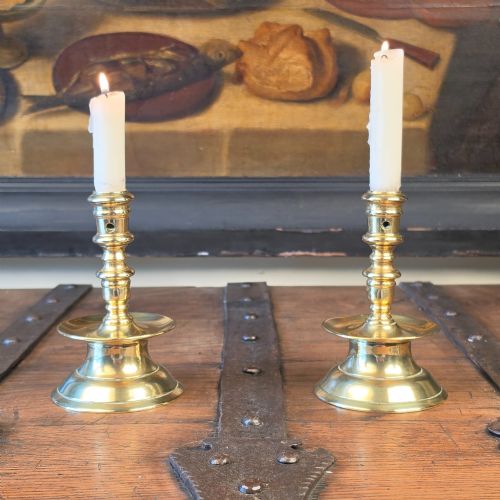
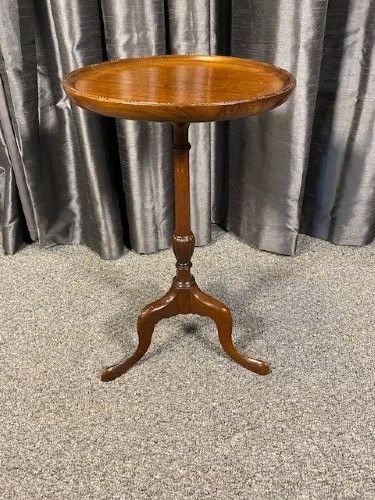
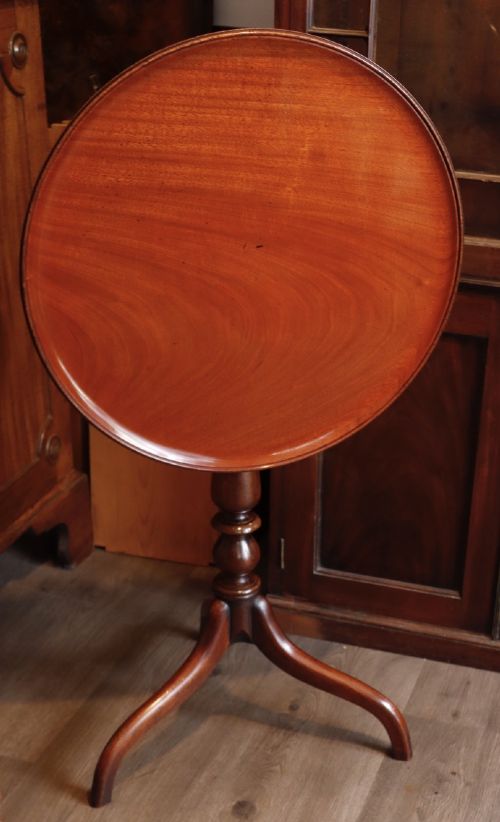
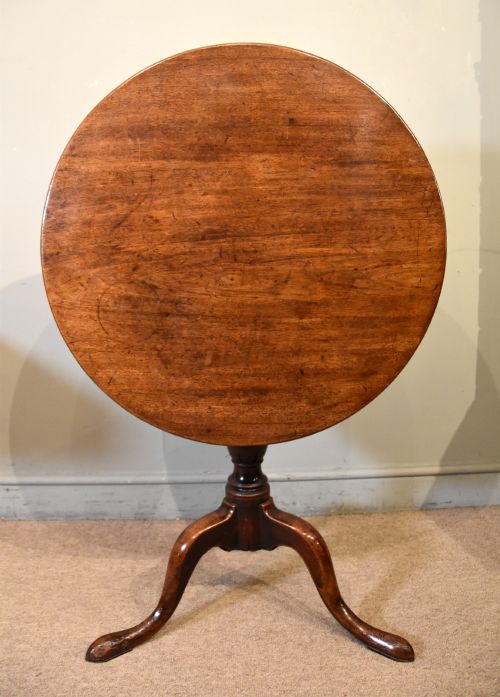
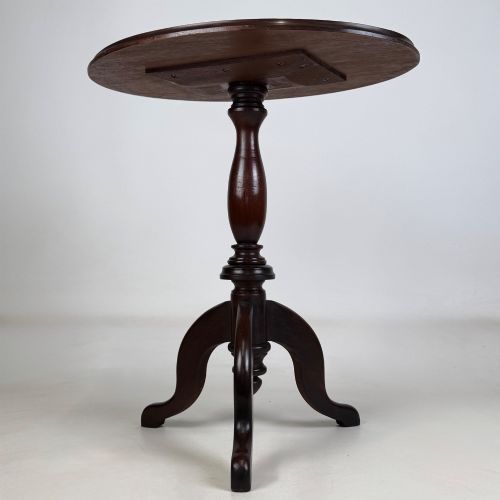
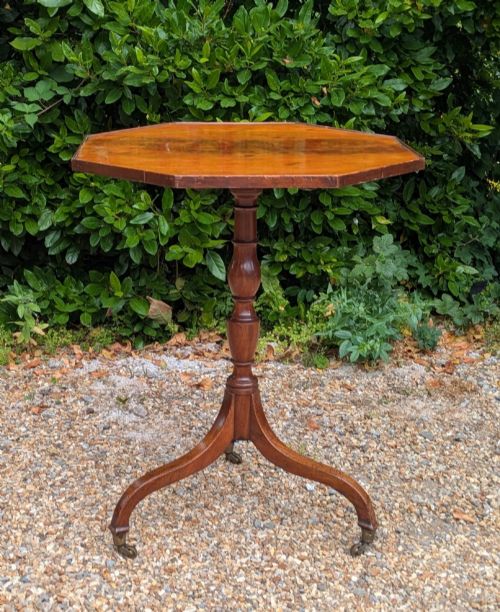
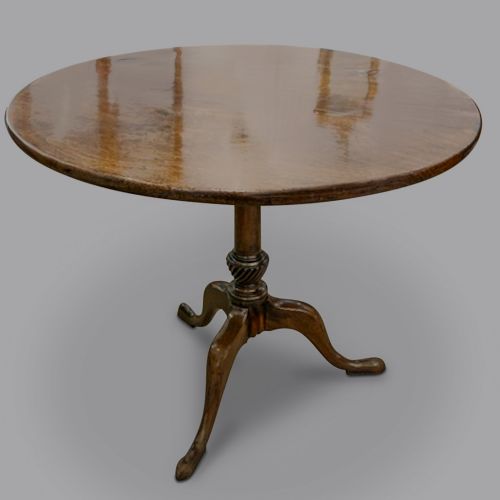
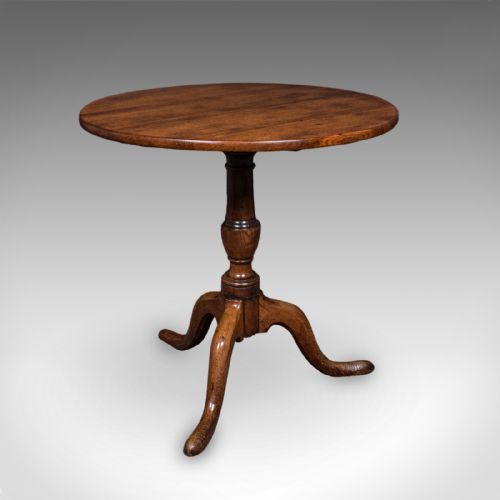
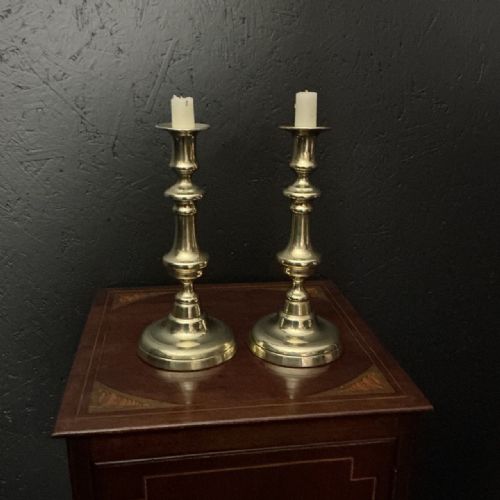
When you search for turned stem candle stands, you encounter a focused variety of small occasional tables, wine tables, and tabletop candlesticks. The examples on this page span the eighteenth and nineteenth centuries, including Georgian, Regency, and Victorian periods.
The dominant forms are timber tripod tables with circular or dish tops alongside metal and brass candlesticks. Woods such as mahogany, oak, elm, walnut, and fruitwood appear frequently alongside cast brass.
These items served functional roles in period rooms, holding candles for reading or dining before electric lighting became standard. Their compact footprints make them versatile pieces for contemporary interiors as side or lamp tables.
Factors affecting quality
Quality rests in the precision of the timber turning and the crispness of any carved details on the legs and column. Plum pudding mahogany, finely figured walnut, and heavy cast brass represent superior material selection.
Structural integrity matters significantly, particularly the tightness of the tripod joints and the smooth operation of tilt-top mechanisms. Pieces that retain their original surfaces without excessive modern intervention command greater interest.
Several small tables feature tilting tops, once deployed to hide them flat against walls like polite wooden shields when dinner parties ended.
The Turned Stem Candle Stands Glossary
- Tripod table
- A small freestanding table supported by three legs radiating from a central pillar. These forms became immensely popular during the Georgian period for tea, wine, or candle placement.
- Tilt-top action
- A mechanical hinge beneath the table surface allowing the top to pivot vertically when not in use. This clever design enabled furniture to be stored flat against a wall.
- Torchere
- An ornate stand designed specifically to elevate a light source or decorative object. Examples range from slender wooden columns to elaborate seventeenth-century style stands.
- Dish top
- A circular wooden table top with a raised raised rim carved directly from the solid timber. This feature prevented rolling items like wine glasses or candles from sliding off.
- Penwork
- A decorative surface technique using ink to draw intricate patterns onto light-colored wood. It appears on specific occasional tables from the Georgian era.
Turned Stem Candle Stands: Frequently Asked Questions
What is a turned stem candle stand?
These items are historical lighting supports and small occasional tables featuring lathe-turned central wooden shafts or brass columns. They were designed to hold candles or small lamps securely within domestic spaces.
Today, buyers use them as compact side tables or display stands that fit easily beside armchairs and sofas.
How do I date an antique candle stand?
Dating relies on examining the timber species, joinery methods, and the turning style of the central stem. Georgian pieces often display slender proportions and distinct mahogany or oak figuring.
Later Victorian and Edwardian examples may show heavier turnings or incorporate different base configurations while retaining similar foundational forms.
Where were these pieces used originally?
In historical homes, these stands stood in parlours, dining rooms, and bedchambers where portable illumination was essential. Their movable nature allowed servants to shift them closer to seating areas as daylight faded.
Their small scale made them adaptable to virtually any room requiring a portable surface for light or drinks.
How do I care for wooden candle stands?
Maintain timber surfaces by keeping them away from direct heat sources and strong sunlight that can dry out the wood. Regular dusting with a soft cloth preserves the polish without needing harsh chemical polishes.
For brass variants, gentle cleaning prevents tarnish while leaving the historical patina intact.