

Turned Leg Tea Table
Turned leg tea tables bring Georgian and Victorian utility to a room, offering warm timber surfaces and slender supports.
Turned Leg Tea Table
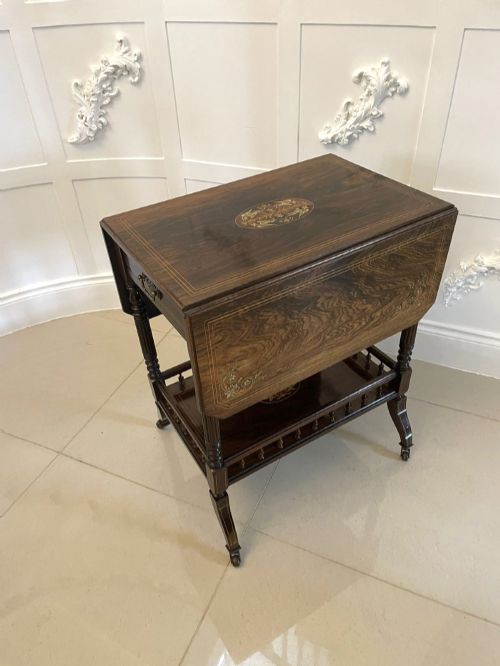
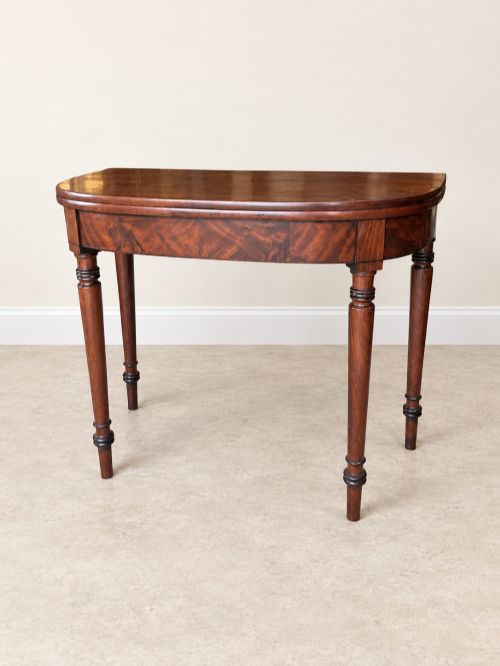
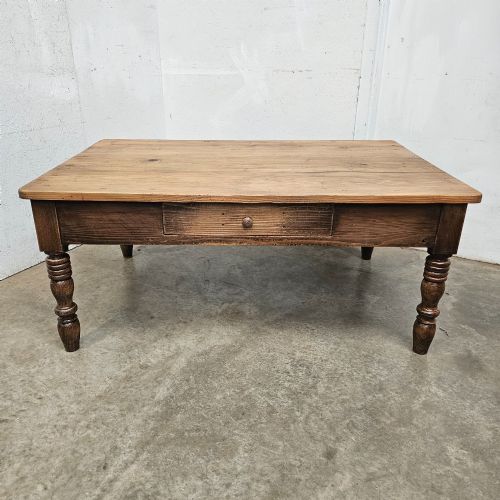
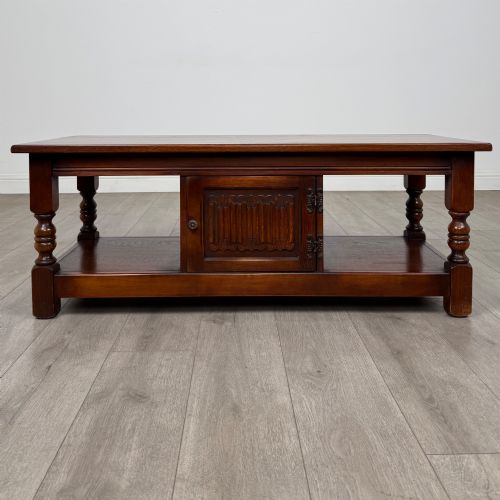
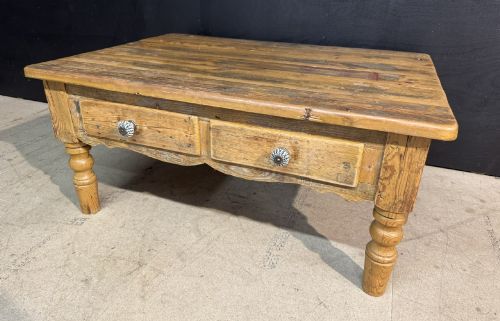
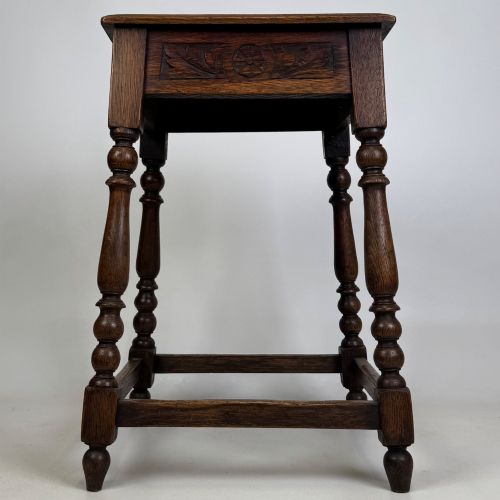
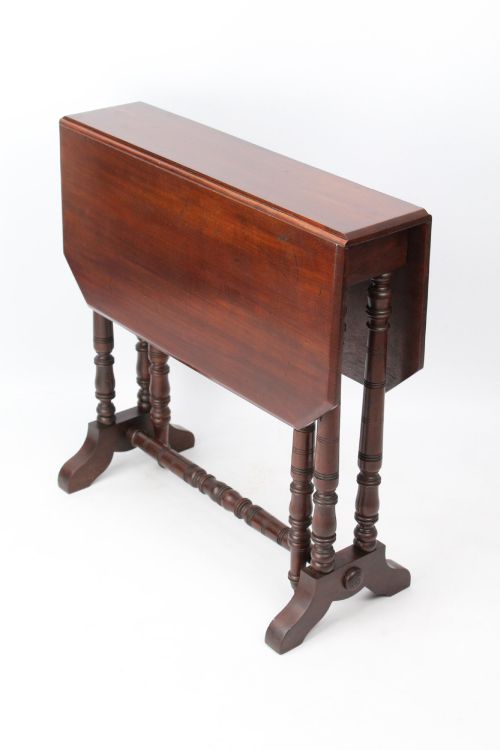
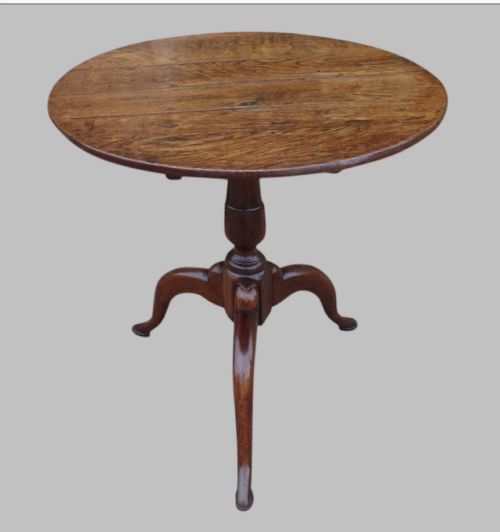
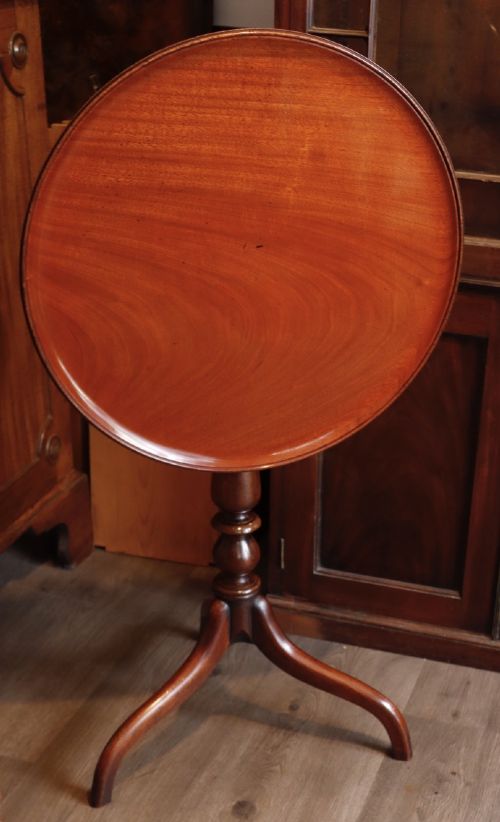
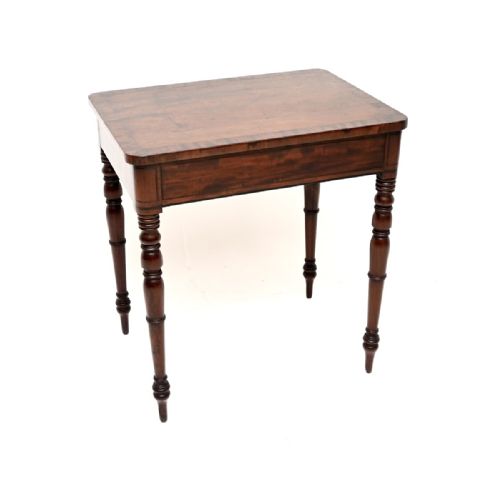
A turned leg tea table serves as a functional surface rooted in Georgian and Victorian traditions, often appearing with folding leaves or stationary tops. These tables function as occasional furniture or side pieces within a room.
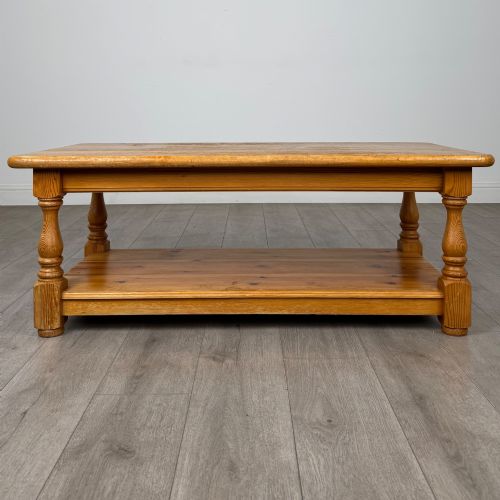
The selections available include examples from the Georgian, Victorian, and Edwardian periods, alongside pieces shaped in rustic farmhouse or George III styles. Materials range from mahogany and walnut to oak and pine.
Forming part of a broader group of side tables, occasional tables, and card tables, these items show how domestic furniture adapted over successive centuries.
Materials and Construction
Cabinetmakers utilised hardwoods such as mahogany, walnut, and oak alongside softer pine for domestic tables. Timber selection dictated the weight and finish of each piece.
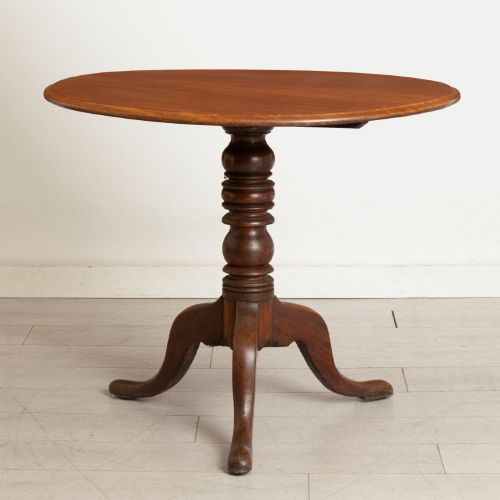
Supports were shaped on a lathe to create turned profiles, while tops incorporated hinges for fold-over leaves or tilt mechanisms supported by pedestals.
Standards of Execution
Finely turned legs display crisp proportions and balanced turning marks that demonstrate the skill of the woodturner. Superior examples maintain structural alignment across the frame and leaves.
The choice of timber grain and the precision of joinery separate standard utility items from more refined cabinetwork produced during the eighteenth and nineteenth centuries.
Gillows
The Turned Leg Tea Table Glossary
- Turned leg
- A wooden support shaped by rotation on a lathe. This technique produces cylindrical, tapered, or bobbin-moulded profiles.
- Tea table
- A small domestic table designed to hold tea service equipment. Many examples feature fold-over tops or drop leaves.
- Tilt top
- A tabletop mounted on a pivot mechanism that allows the surface to rotate vertically for storage. This form is common in tripod tables.
- Fold-over
- A hinged tabletop that doubles its surface area when opened. These designs are frequently found on card and tea tables.
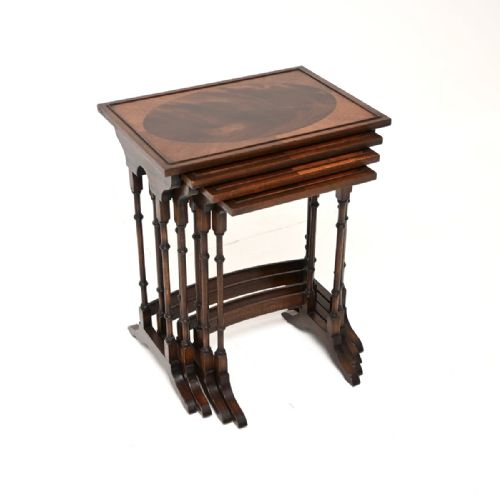
- Spider leg
- A table featuring exceptionally slender turned supports. This delicate framing appears on eighteenth-century examples.
Turned Leg Tea Table: Frequently Asked Questions
What is a turned leg tea table?
A turned leg tea table is a small table featuring lathe-turned supports, historically used for serving tea.
These pieces reflect the domestic habits and cabinetmaking styles of the Georgian and Victorian eras.
How were these tables used?
They provided a moveable surface for holding tea equipment or displaying decorative items in a parlour.
Fold-over leaves allowed the tables to occupy less space when not in use for refreshments.
How do I date a table?
Dating relies on identifying timber species, construction methods, and stylistic indicators such as leg turning.
Georgian and Victorian pieces exhibit different joinery practices and decorative details characteristic of their periods.
Can I use one as a coffee table?
These tables adapt well to modern living spaces as low surfaces next to seating.
Their historical proportions fit comfortably within contemporary rooms while retaining traditional character.