

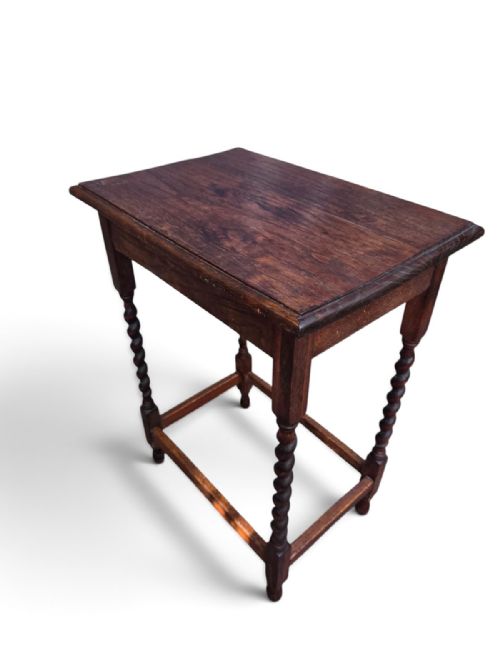
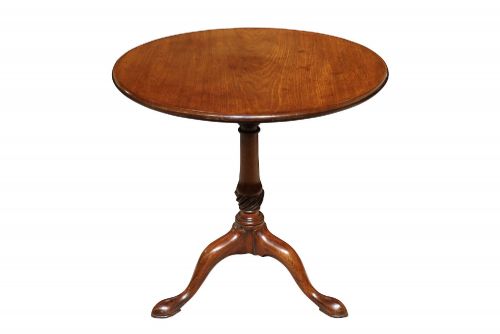
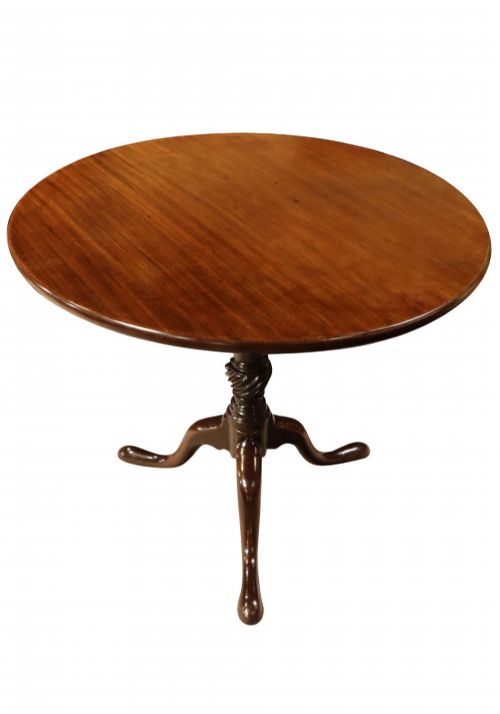


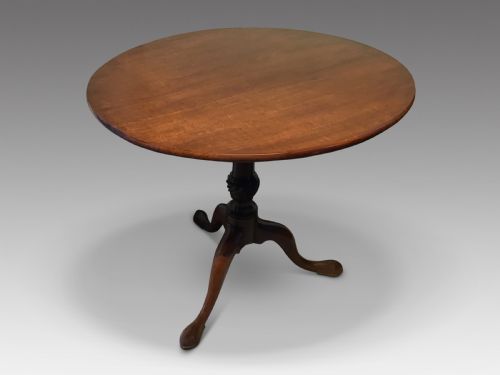

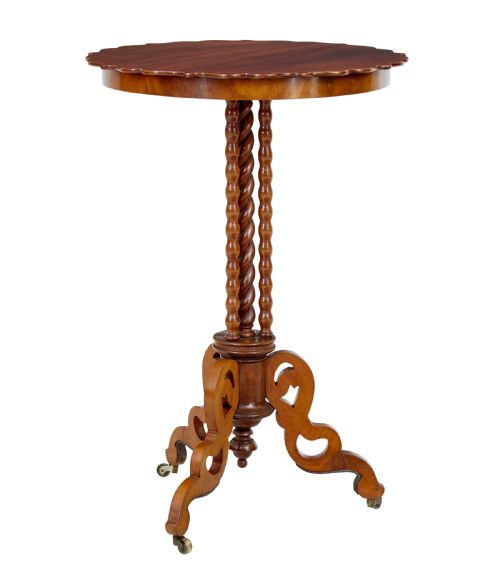


Spiral Leg Tea Table
These spiral leg tea table pieces bring tactile turned detail and rich timber to a room, offering both practical surface space and period character.
Spiral Leg Tea Table
When you search for a spiral leg tea table, you encounter a selection of small occasional timber furniture pieces spanning the Georgian, Regency, Victorian, and Edwardian eras. The listings here comprise various forms including side tables, centre tables, console tables, and occasional tables rather than tea tables alone.
The material palette is predominantly mahogany, supplemented by oak, rosewood, and ebony, often enriched with brass, boxwood, and marquetry inlay. Pieces range from snap-top tripod formats to drop-leaf and foldover designs, reflecting centuries of domestic utility and changing stylistic preferences.
How they were made
Cabinetmakers constructed these tables using solid hardwoods such as mahogany and oak, applying lathe work to produce barley twist, spiral, and bobbin-turned supports. Surface decoration involved intricate marquetry inlay using contrasting timbers like boxwood and ebony.
Mechanical elements required precise joinery, seen in birdcage mechanisms, snap-top tilt actions, and drop-leaf hinges. Tables frequently integrated brass hardware for castors, hinges, and display compartments.
Spiral Leg Tea Table Retail Price Guide 2026
Typical asking prices for spiral leg tea table among the pieces listed under this phrase on Sellingantiques today, from the lower quarter to the upper quarter. They describe what is for sale here now, not the wider market.
What varies in quality
The distinction between tiers rests upon the precision of the turning and the choice of timber figure. Master carvers achieved clean, uniform spirals that maintain structural integrity along the length of the column or leg.
Secondary elements such as boxwood and ebony stringing, marquetry precision, and the smoothness of tilt-top mechanisms define the finer examples. The selection of dense, richly grained mahogany or figured oak elevates the piece above standard utilitarian production.
The Spiral Leg Tea Table Glossary
- Barley twist
- A turned column resembling a spiralling rope or the stalk of barley. This decorative woodworking technique appears frequently on legs and central supports.
- Marquetry
- The art of applying pieces of veneer to a structure to form decorative patterns. Craftsmen utilised contrasting timbers like boxwood and ebony for these designs.
- Snap-top
- A tabletop mounted on a catch mechanism that allows the surface to tilt vertically when not in use. This design saved space in domestic interiors.
- Birdcage
- A timber framework beneath the tabletop that allows the surface to both tilt and rotate. It represents a sophisticated piece of internal joinery.
- Occasional table
- A small, movable table intended for intermittent use within a room. These forms include tripod bases, console designs, and centre tables.
Spiral Leg Tea Table: Frequently Asked Questions
What is a spiral leg tea table?
A spiral leg tea table is a timber table featuring turned twisted supports, used historically for serving tea or displaying objects.
Today these pieces function as versatile accent furniture in living spaces and hallways.
How do I identify a Georgian table?
Georgian tables date from the eighteenth century and often display dense mahogany, fine timber grain, and traditional joinery.
Look for structural hallmarks like birdcage mechanisms and tripod bases characteristic of the period.
Where were these tables used?
These tables served domestic functions in reception rooms, parlours, and drawing rooms for entertaining guests.
They held tea service, displayed ornaments, or provided a portable surface for reading materials.
How do I care for antique mahogany?
Maintain antique mahogany by keeping it away from direct heat sources and sudden humidity changes to protect the timber.
Apply natural beeswax occasionally and buff gently with a soft cloth to preserve the polished surface.