
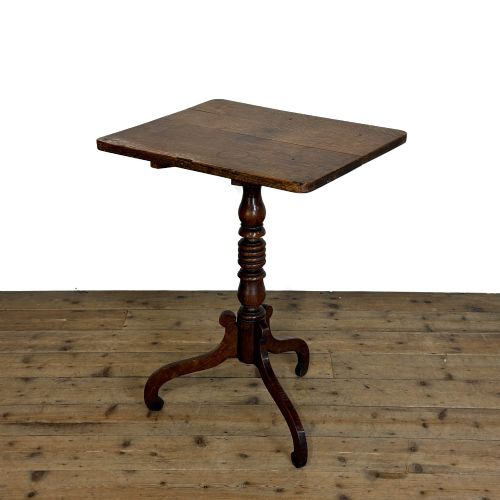
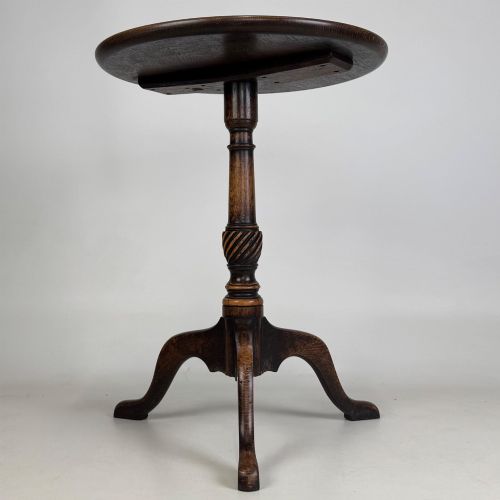
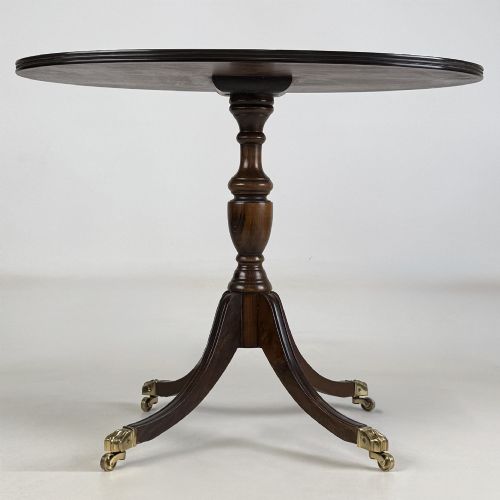
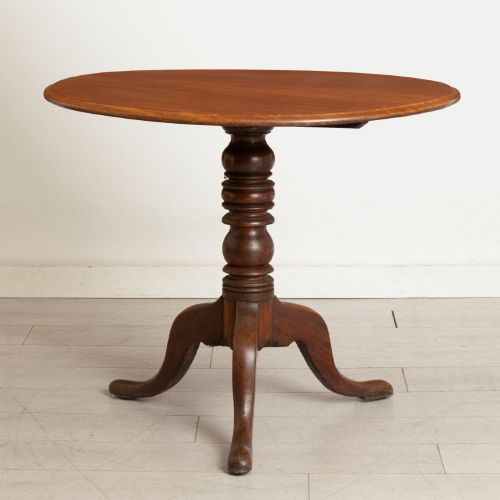
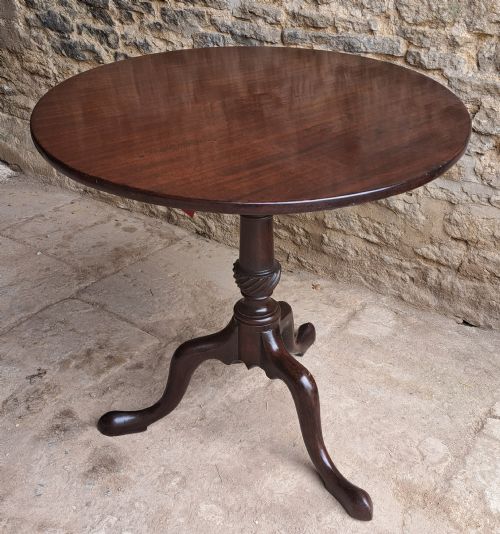
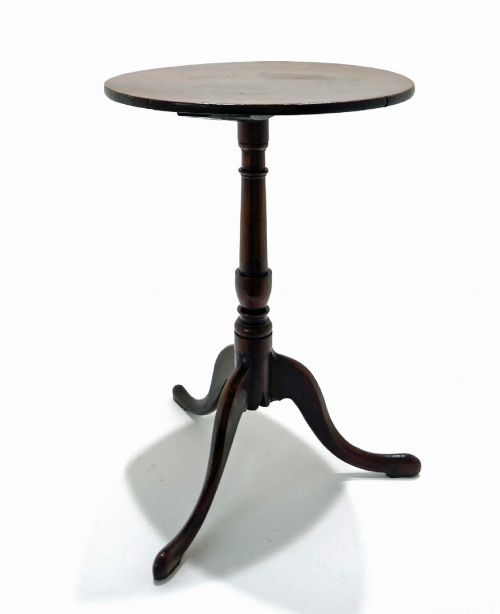
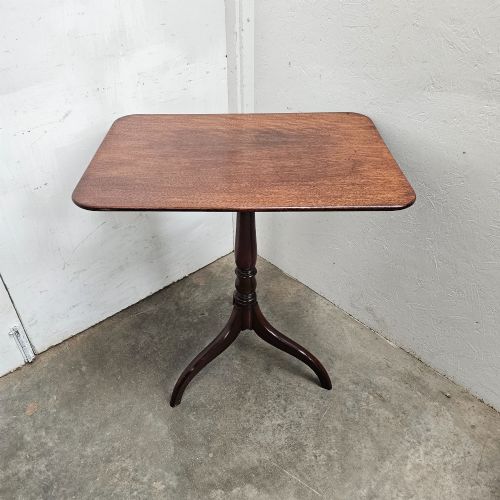
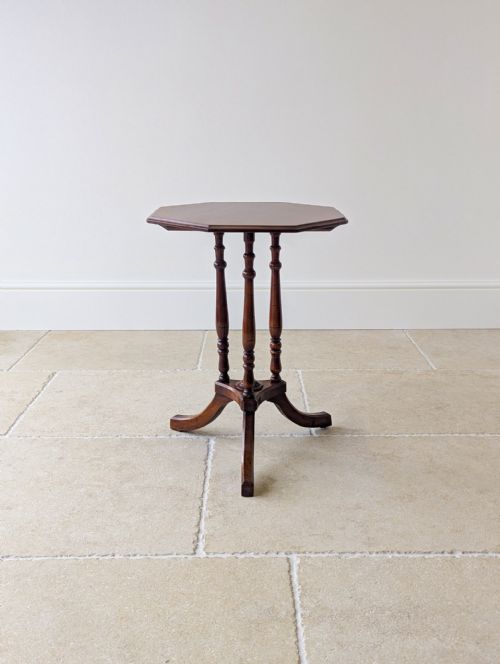
Turned Column Tripod Table
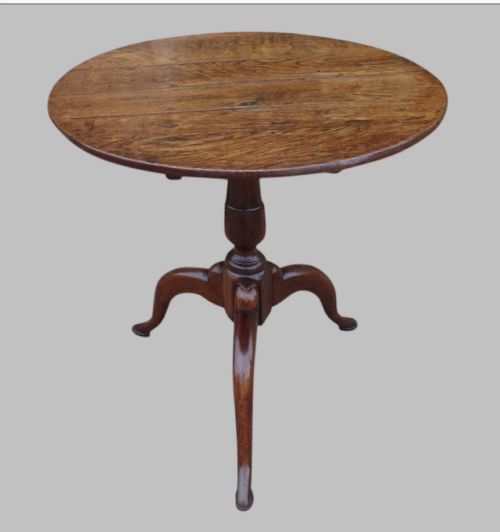
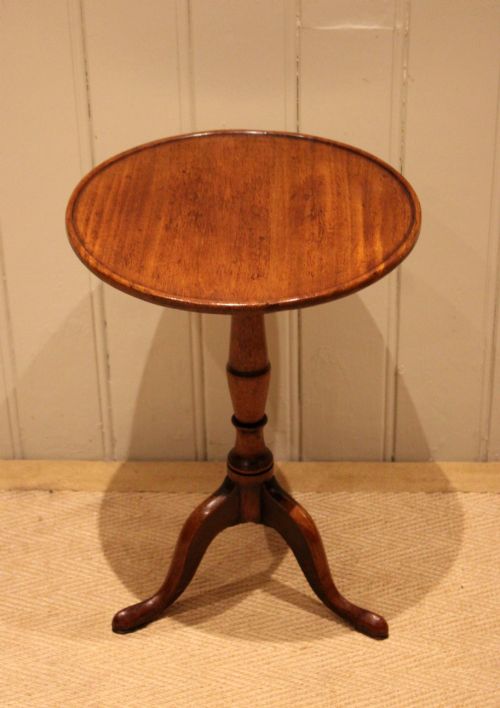
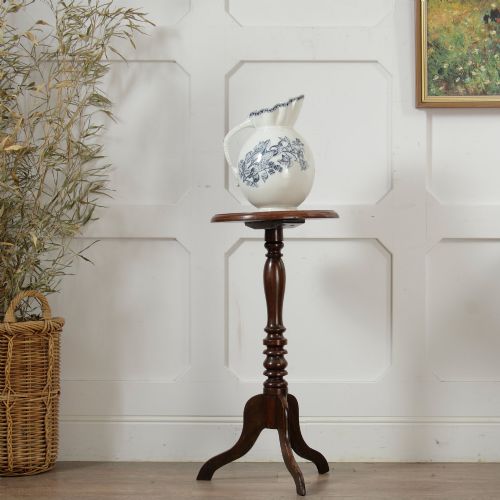
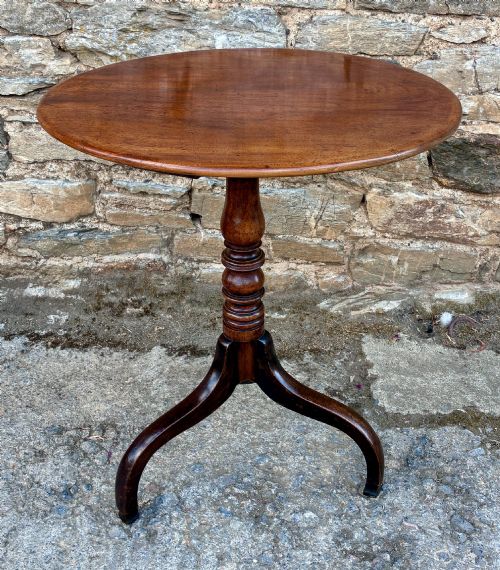
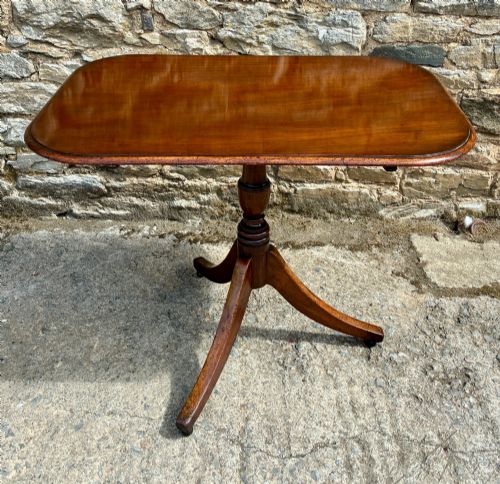
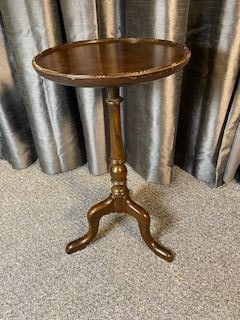
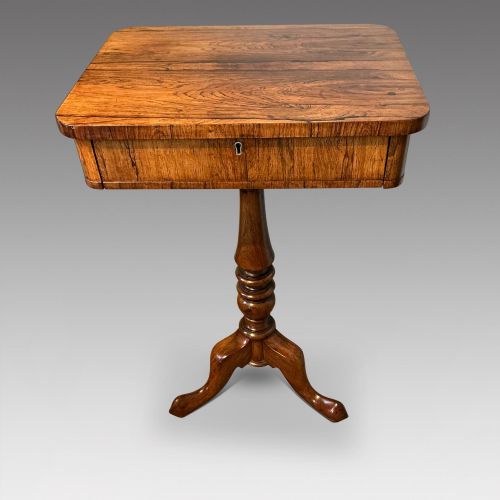
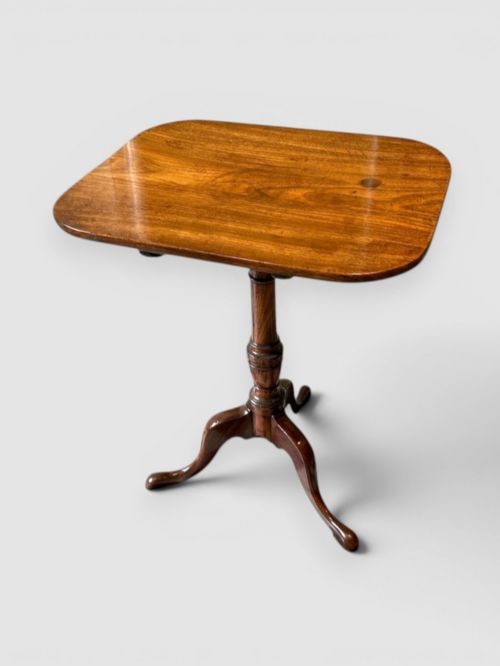
These turned column tripod table examples combine a central pillar with three supporting legs to form a practical small surface.
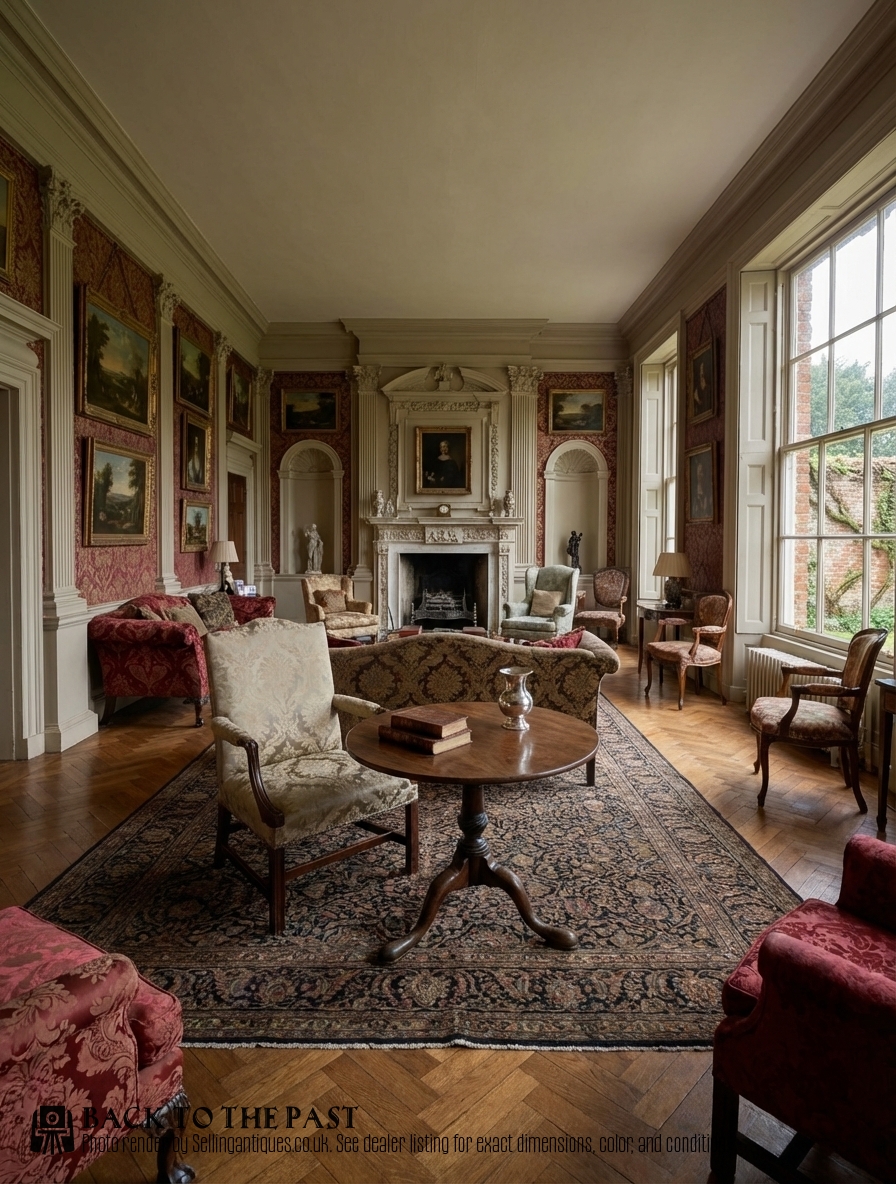
Turned Column Tripod Table
A turned column tripod table provides a stable surface raised on a central pillar and three spreading feet, designed for serving wine, holding lamps, or displaying small objects. When searching for a turned column tripod table, buyers encounter various formats including tilt-top wine tables, occasional tables, and lamp tables originating from the Georgian, Regency, and Victorian periods.
The survival of these tables spans from the mid-eighteenth century through the nineteenth century, reflecting shifts in domestic habits from formal dining rooms to intimate parlours. Many pieces feature circular or rectangular tops, occasionally with tilting mechanisms that allowed the table to be stored flat against a wall when not in use.
Materials and construction methods
Cabinetmakers utilised dense timbers such as mahogany and oak for the primary structure, often pairing figured mahogany or yew wood for the top surfaces alongside walnut and rosewood. Brass fittings appear occasionally on castors or hinges, while boxwood stringing provides subtle linear decoration on specific Regency examples.
The central turned column is typically jointed to the tripod base using traditional tenons or dowels, ensuring rigidity across the three legs. Tilt-top variants incorporate pivoting wooden blocks and metal catches beneath the surface to secure the top in either a horizontal or vertical position.
Turned Column Tripod Table Retail Price Guide 2026
Typical asking prices for turned column tripod table among the pieces listed under this phrase on Sellingantiques today, from the lower quarter to the upper quarter. They describe what is for sale here now, not the wider market.
Mahogany and oak dominate the material records here, supported by occasional examples in walnut, yew, rosewood, and brass.
Distinctions in quality
The refinement of the turning on the central column distinguishes standard utilitarian pieces from finer cabinetwork, where proportions are carefully balanced and profiles display sharp, clean lines. Superior examples also feature well-selected timber grains, such as figured mahogany or burr oak veneer, which enhance the visual depth of the top surface.
Stability and construction integrity set apart the finest pieces, where the three legs meet the central column with tight joints that prevent any wobble during daily use. The execution of subsidiary details, including shaped dish tops or subtle brass castors, further separates workshop standards.
The Turned Column Tripod Table Glossary
- Tilt-top
- A hinged table top that pivots to a vertical position for storage against a wall. This mechanism typically employs a wooden catch or block beneath the surface.
- Tripod base
- A support structure consisting of three radiating legs attached to a central vertical pillar. This design ensures stability on uneven floorboards.
- Wine table
- A small occasional table historically used for holding decanters and glasses during evening gatherings. These tables usually feature compact circular tops.
- Occasional table
- A moveable, light-duty table designed for specific tasks rather than permanent placement in a room. They appear in various shapes throughout the Georgian and Victorian eras.
Turned Column Tripod Table: Frequently Asked Questions
What were turned column tripod tables used for?
These tables served flexible domestic purposes, functioning as moveable surfaces for holding drinking vessels, reading materials, or portable lighting.
In the Georgian and Regency periods, smaller versions were carried to different rooms as required, while Victorian iterations often remained stationary as lamp or plant stands.
How do I identify a Georgian tripod table?
Georgian examples frequently exhibit rich mahogany or oak timbers with hand-turned central columns and simple pad or snake feet. The construction often relies on pegged joints and pegged tilting mechanisms rather than modern metal screws.
Proportions tend to be slender and restrained, reflecting the prevailing furniture styles of the mid to late eighteenth century.
What is a tilt-top mechanism?
A tilt-top mechanism allows the table surface to pivot upright on a horizontal hinge fixed to the top of the central column. This allowed households to store the furniture flat against room perimeters when floor space was needed.
A wooden catch or sliding wedge locks the top firmly in place when horizontal.
Where should I place a tripod table?
The compact footprint makes these tables suitable for corners, beside armchairs, or between windows where a full-sized table would prove too large. Their three-legged design accommodates slight irregularities in older floor surfaces without rocking.
Avoid placing them in direct sunlight if the timber has a polished veneer finish.