


Turn of Century Torchere
A turn of century torchere brings vertical elegance to a room, lifting plants, busts, or candles on slender wooden shafts.
Turn of Century Torchere
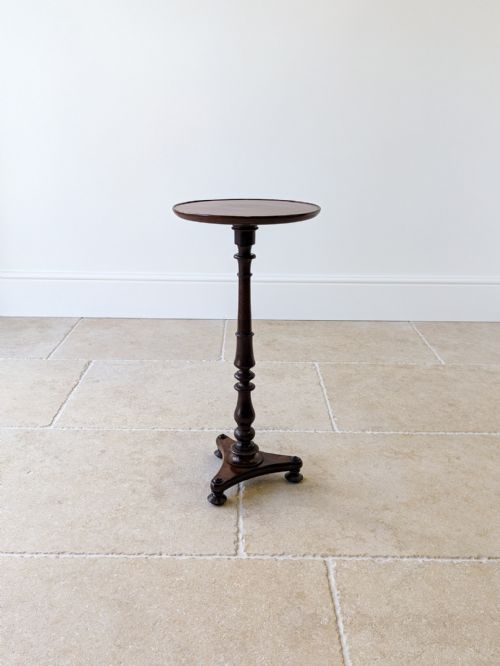
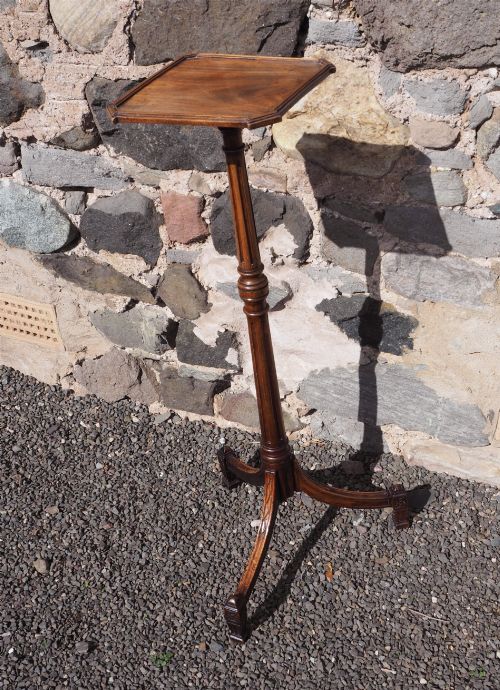
When you search for a turn of century torchere, you encounter tall, slender stands designed to elevate plants, figures, or light sources in a room. These pieces combine decorative presence with functional height, making them ideal for corners or beside seating. The selection here spans periods from the Georgian era through Victorian craftsmanship up to nineteen-hundred, alongside earlier eighteenth-century Dutch and Italian baroque revival examples.
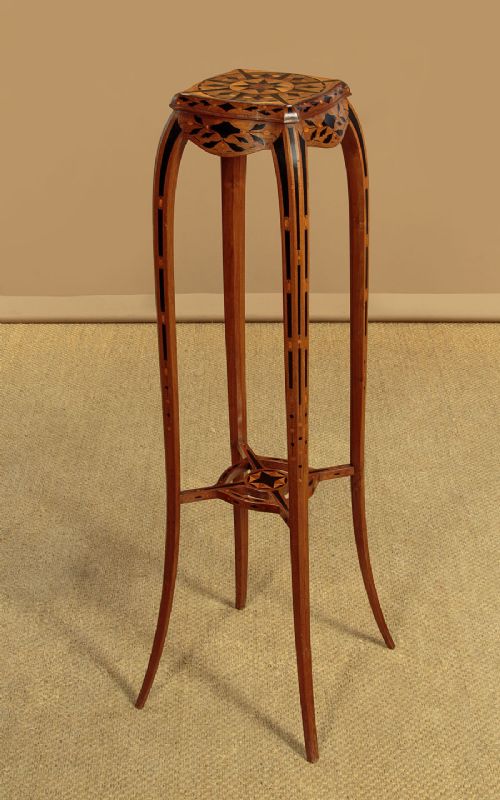
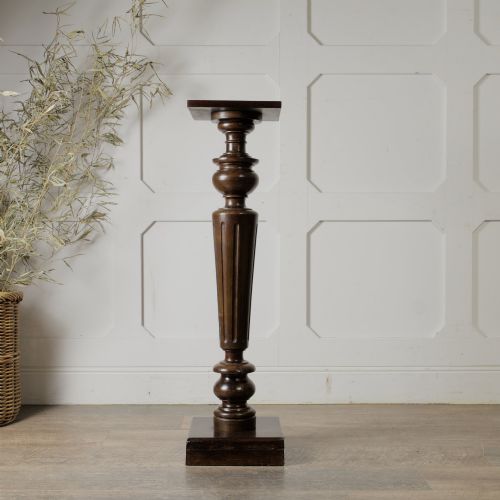
The primary forms on this page include traditional torcheres, plant stands, jardiniere stands, and turned plinths. Many items double as candle stands or pedestals, offering versatile display surfaces for interiors. Walnut and mahogany dominate the timber choices, supported by oak, ebony, specimen wood, pinewood, and ebonised wood.
Victorian and Edwardian pieces sit alongside Georgian and eighteenth-century designs, reflecting a rich breadth of historical revival styles. Whether you seek a carved pinewood stand from nineteen-hundred or a George third mahogany candle stand, the variety covers numerous traditional British and continental tastes.
Materials and construction methods
Cabinetmakers utilised dense hardwoods such as mahogany, walnut, and oak to ensure stability in such tall, narrow furniture. Turning techniques shaped the central shafts into smooth columns or fluted pillars, often paired with solid circular or multi-sided tops. Specimen wood and ebonised wood surfaces added contrasting tones and textural depth to the woodwork.
Listings feature mahogany, walnut, oak, and specimen wood across periods spanning the eighteenth century to nineteen-hundred.
Markers of superior craftsmanship
Quality rests upon the weight and density of the timber selected for the base and shaft, which dictates stability. Finely turned columns exhibit crisp lines and balanced proportions, whereas simpler pieces rely on basic joinery and minimal shaping.
The intricacy of hand-carved detail distinguishes standard production stands from exceptional statement pieces. Superior examples integrate high-grade veneers, contrasting specimen woods, or ebonised accents that remain intact and tight at the seams.
Shoolbred
The Turn of Century Torchere Glossary
- Torchere
- A tall stand originally intended to hold a candle or torch, now commonly used for displaying plants or decorative objects. Their slender height distinguishes them from standard side tables.
- Jardiniere stand
- A specialised pedestal or table designed specifically to support a flower pot or plant container. These often feature waterproof linings or raised lips to contain moisture.
- Plinth
- A heavy base or lower block that supports a column, statue, or bust. In furniture, it provides a stable foundation for elevated display pieces.
- Ebonised
- Wood treated with a dark finish to imitate expensive ebony. This technique was popular in nineteenth-century cabinetmaking for creating striking contrast.
- Specimen wood
- Furniture constructed from a variety of different decorative timbers arranged in patterns. This showcases the natural grain and colour variations of multiple wood species.
Turn of Century Torchere: Frequently Asked Questions
What is a torchere used for?
A torchere serves primarily as an elevated display stand for plants, urns, sculptures, or lighting. Their tall, narrow profile allows them to fit into tight corners and empty wall spaces.
Historically, they held candles to illuminate dark rooms. Today, they function as decorative accent furniture that adds height and focal points to interior layouts.
How do I distinguish a torchere from a plant stand?
The terms often overlap in antique furniture, but traditional torcheres generally feature taller, more slender turned columns. Plant stands and jardiniere stands may have broader tops designed specifically for heavier pots.
Many listings use both terms interchangeably because owners adapted these tall stands for botanical displays over the generations. The underlying construction of a tall shaft and stable base remains consistent across both forms.
Where should I place a torchere in my home?
These tall stands suit corners, empty hallway spaces, or flanking larger pieces of furniture like sideboards and mantelpieces. Their vertical emphasis draws the eye upward, making ceilings feel higher.
Ensure you place them in stable locations away from heavy household traffic where they might be knocked over. Pairing them with trailing plants or a bronze bust maximises their decorative impact.
How do I care for antique wood stands?
Dust wood surfaces regularly with a soft, dry cloth to prevent dirt buildup on carved details and turned columns. Avoid placing them in direct sunlight or near heat sources to prevent timber splitting.
Apply a quality beeswax polish occasionally to nourish mahogany, walnut, or oak finishes. Protect the top surface with coasters or pads if displaying damp plant pots or heavy metal objects.