




Floor Standing Candle Holder
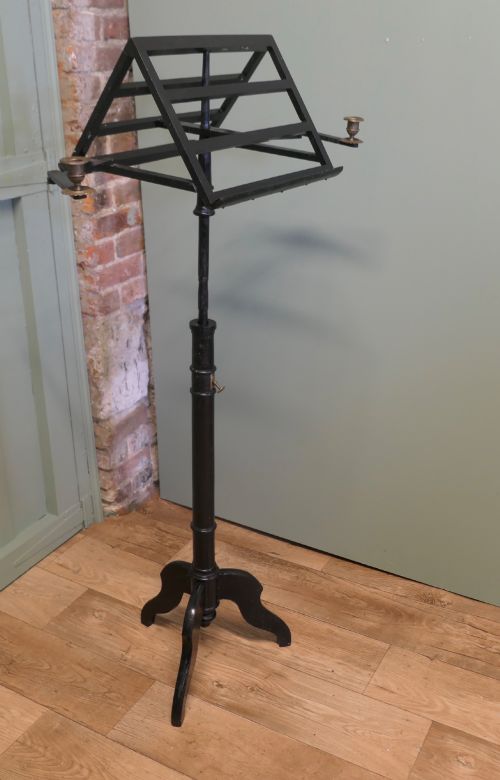
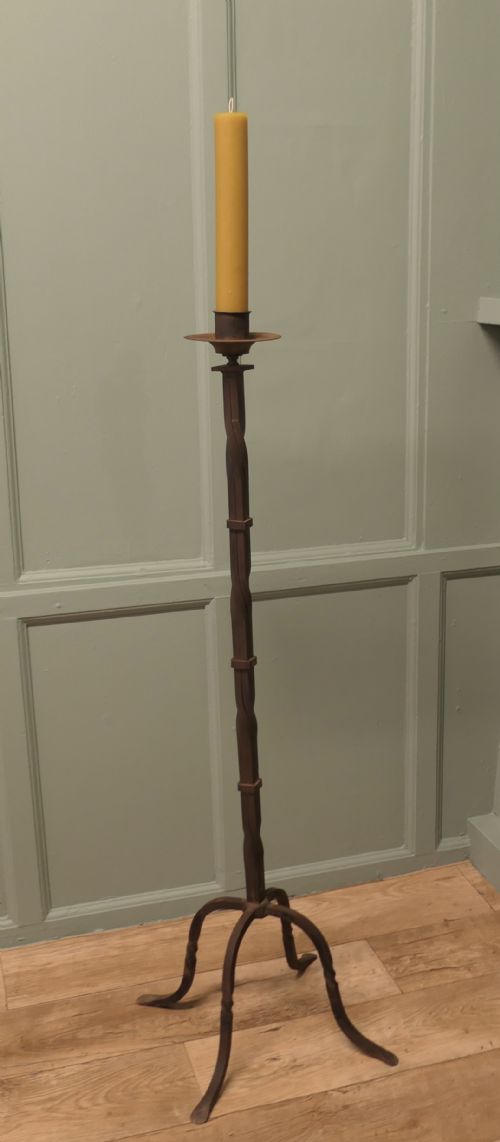
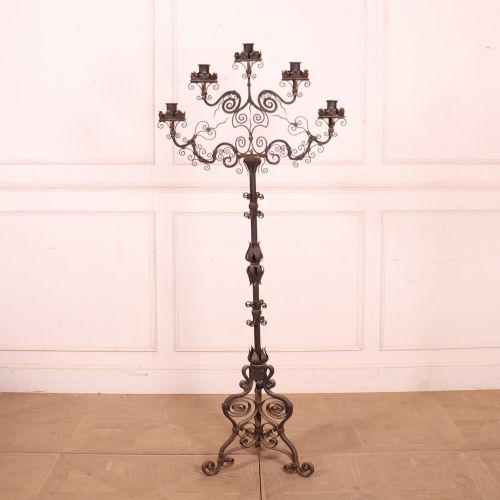
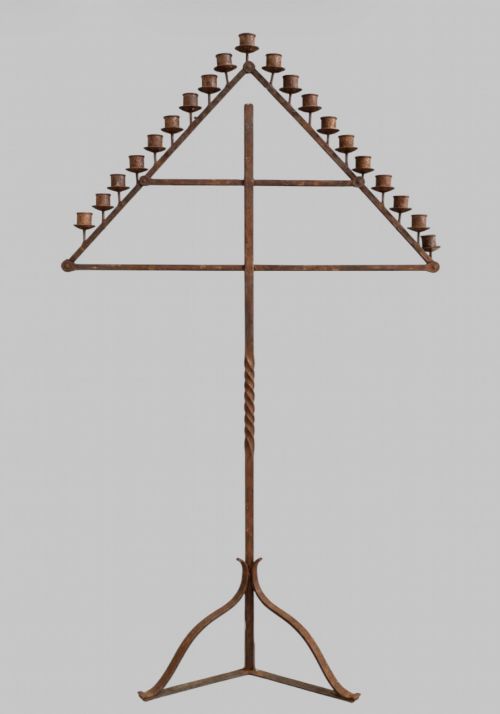
These floor standing candle holder pieces are grand lighting stands designed to elevate a flame, bringing height and presence to a room.
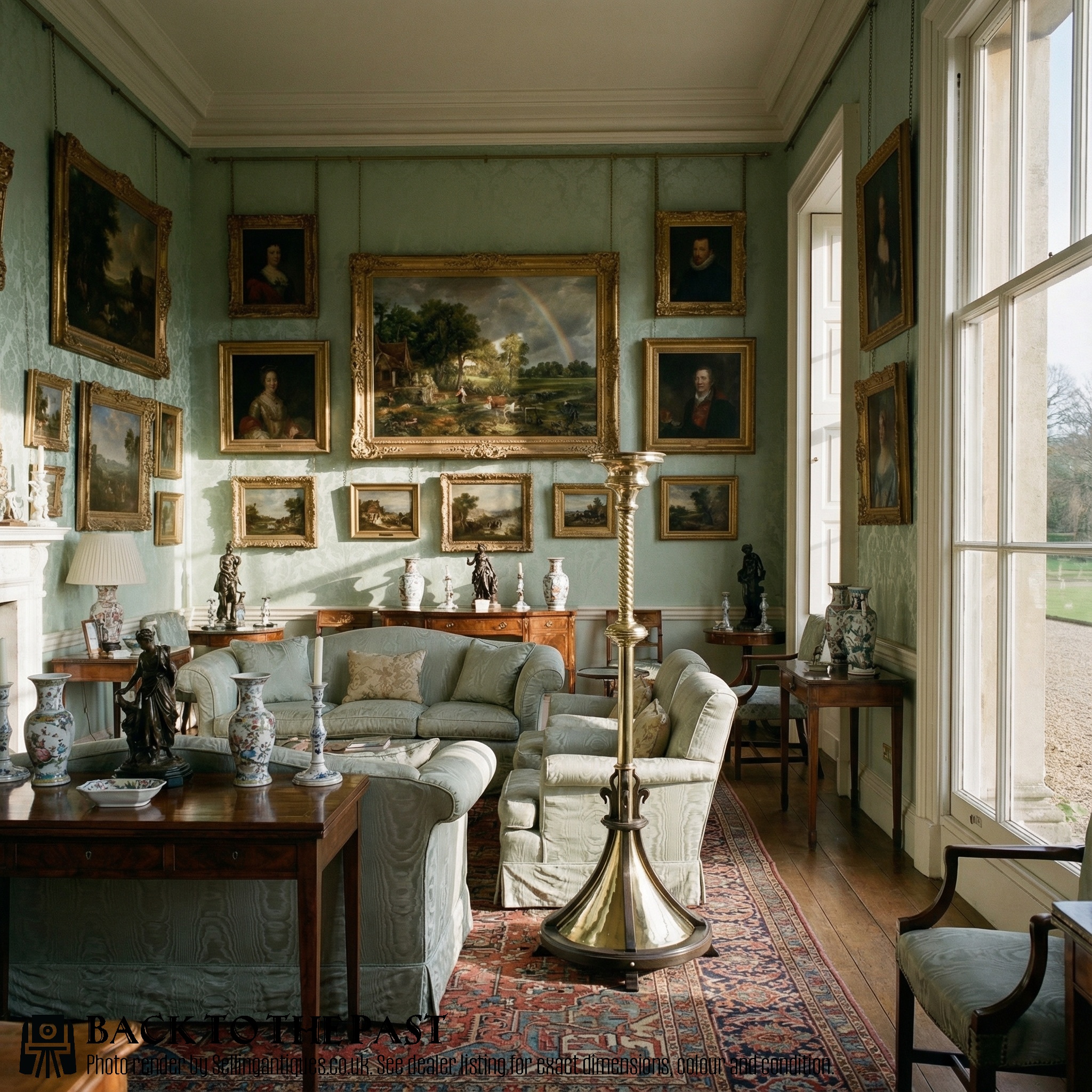
Floor Standing Candle Holder
A floor standing candle holder brings vertical scale to interior lighting, drawing the eye upward with commanding presence. When you search for this phrase, you encounter substantial pieces designed to stand directly on the floor rather than upon furniture.
The selection ranges widely across centuries and styles, spanning simple iron supports to grand carved wooden torcheres. You find forms originating from Italian workshops, French chateaus, and British rooms, often reflecting ecclesiastical or formal domestic use.
The dominant forms include tall church candlesticks, multi-light floor candelabras, and decorative torcheres designed to carry a single prominent taper or multiple candles. These objects function equally as architectural statements and functional illumination.
How They Were Made
Maker construction relies heavily upon solid woods, wrought iron, and cast brass, often enriched with gesso and giltwood surfaces. Artisans carved pinewood, hardwood, and mahogany by hand, shaping columns, fluted stems, and elaborate bases.
Metalwork involved forging wrought iron into architectural frames or casting brass into ornate components such as Corinthian capitals. Surface decoration frequently employed polychrome paint, gold leaf, and hand-chiselled detailing to catch the flickering light.
Floor Standing Candle Holder Retail Price Guide 2026
Typical asking prices for floor standing candle holder among the pieces listed under this phrase on Sellingantiques today, from the lower quarter to the upper quarter. They describe what is for sale here now, not the wider market.
Dragon lantern stands prove that illumination occasionally required mythical beasts to hold the line.
What Varies in Quality
Quality rests in the crispness of the hand-carved detail and the structural integrity of the tall upright shaft. Superior examples display confident proportion, where heavy iron or dense wood provides stable balance for the elevated weight above.
The distinction between ordinary and exceptional lies in the depth of surface ornamentation, such as genuine period gilding, polychrome pigment preservation, and architectural harmony in the base and capital design.
Humphrey Hopper
The Floor Standing Candle Holder Glossary
- Torchere
- A tall stand or candlestick designed to support a light source, originating as an ornamental pedestal for a torch or candle.
- Pricket
- A sharp metal spike on top of a candlestick or altar stick designed to impale and secure a large wax candle.
- Giltwood
- Timber that has been coated with a thin layer of gold leaf or gold paint over a prepared gesso ground.
- Candelabra
- A branched candlestick or holder that supports multiple candles from a single central stem.
Floor Standing Candle Holder: Frequently Asked Questions
Where were tall candle holders used?
These tall pieces typically stood in churches, grand halls, and formal reception rooms where high ceilings demanded architectural lighting.
They served both ceremonial functions in religious settings and decorative illumination in wealthy domestic interiors.
How do I style a torchere at home?
A tall torchere works best in corners, empty wall spaces, or flanking large pieces of furniture to introduce vertical dimension.
Keeping the candle unlit allows the carved wood or metal structure to act primarily as a sculptural art piece.
Are these stands stable on carpets?
Most antique floor holders possess heavy bases designed to maintain balance, though thick carpets can sometimes create a slight unevenness.
Using a discreet stabilizing disc beneath the base ensures the upright shaft remains entirely vertical.
How do I identify a church candlestick?
Church candlesticks generally feature very tall proportions, prominent pricket spikes, and ecclesiastical motifs such as Corinthian capitals or triangular bases.
They frequently display heavier construction to withstand frequent movement during services and processions.