


Church Floor Candle Holder
These church floor candle holder pieces bring grand architectural presence and height to a room.
Church Floor Candle Holder
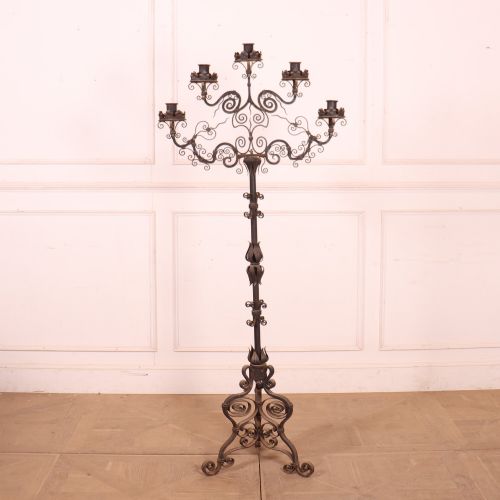
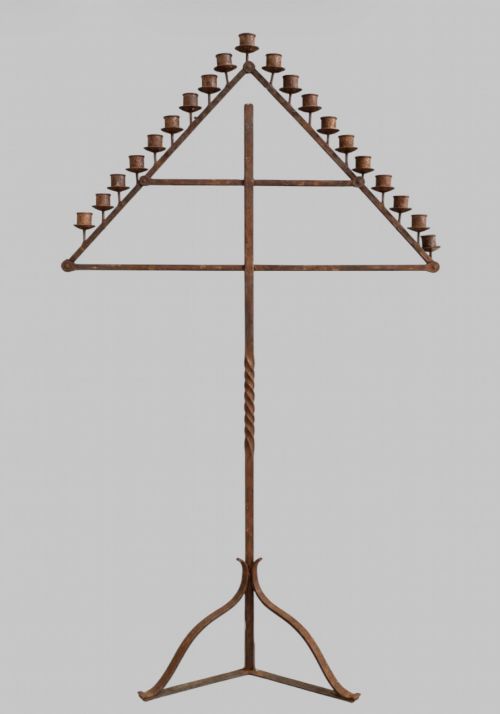
When searching for a church floor candle holder, collectors encounter substantial standing lights designed for ecclesiastical settings, including torcheres, pricket sticks, and multi-candle floor candelabras. These objects range from eighteenth-century giltwood altar pieces to nineteenth-century wrought iron and brass examples.
The most frequent pieces met on this page are tall floor-standing candlesticks and torcheres originating from Italy, France, and wider continental Europe. They display distinct regional traits, moving from carved pinewood and polychrome finishes to heavy architectural metalwork.
Forms vary from singular towering columns to matched pairs and graduated sets. Their initial purpose of illuminating sacred spaces now translates into striking focal points for domestic interiors.
Materials and construction methods
Makers utilised heavy timbers such as pinewood, shaping them with deep carvings before applying gesso, paint, and giltwood finishes. These wooden torcheres rely on solid turned shafts and substantial bases to support their height safely.
Metal versions combine wrought iron, brass, and gilt metal, utilising forge work and casting techniques to achieve structural stability. Surface decoration on brass examples often includes detailed Corinthian column styling and applied polychrome paint.
Several heavy iron stands show the quiet scars of centuries spent holding candles that dripped wax onto the floors of Italian churches.
Judging quality and proportion
Quality rests in the harmony of proportion between the heavy base, the turned or forged shaft, and the original pricket or candle cup. Superior examples maintain structural integrity despite their great height and slender profiles.
The finesse of the surface finish separates standard items from the finest work, visible in the depth of hand-carved wood details, genuine period gilding, and the crisp casting of brass architectural elements.
The Church Floor Candle Holder Glossary
- Pricket
- A sharp metal spike on top of a candlestick designed to hold a candle in place. This form is traditional on older altar pieces.
- Torchere
- A tall decorative stand or candlestick designed to hold a light source. They often feature elaborate wooden carving or classical column designs.
- Giltwood
- Wood that has been treated with a thin layer of gold leaf or gold paint. This technique creates a rich decorative surface on baroque altar pieces.
- Candelabra
- A branched candlestick holding multiple lights on a single base. Large floor versions serve as major architectural statements.
- Gesso
- A plaster-like mixture applied to wood as a base for painting and gilding. It allows for intricate relief ornamentation before finishing.
Church Floor Candle Holder: Frequently Asked Questions
How were these tall candle holders used originally?
These large fixtures stood beside altars or along church naves to provide ceremonial illumination during services and processions.
Their impressive height ensured that candlelight reached across large ecclesiastical spaces, creating a dramatic visual focus during worship.
Can these tall pieces support modern candles safely?
Most antique holders feature prickets or sockets sized for traditional church candles rather than standard modern tapers.
Adapters or carefully selected candle diameters are often used to ensure stability when lighting them in a modern home.
How do I tell eighteenth-century pieces from nineteenth-century revivals?
Eighteenth-century items typically display hand-carving in wood with authentic wear to the underlying gesso and giltwood layers.
Nineteenth-century revival pieces often reflect Gothic or Baroque trends with heavier cast brass elements or precise machine-turned columns.
Where should I place a floor candlestick at home?
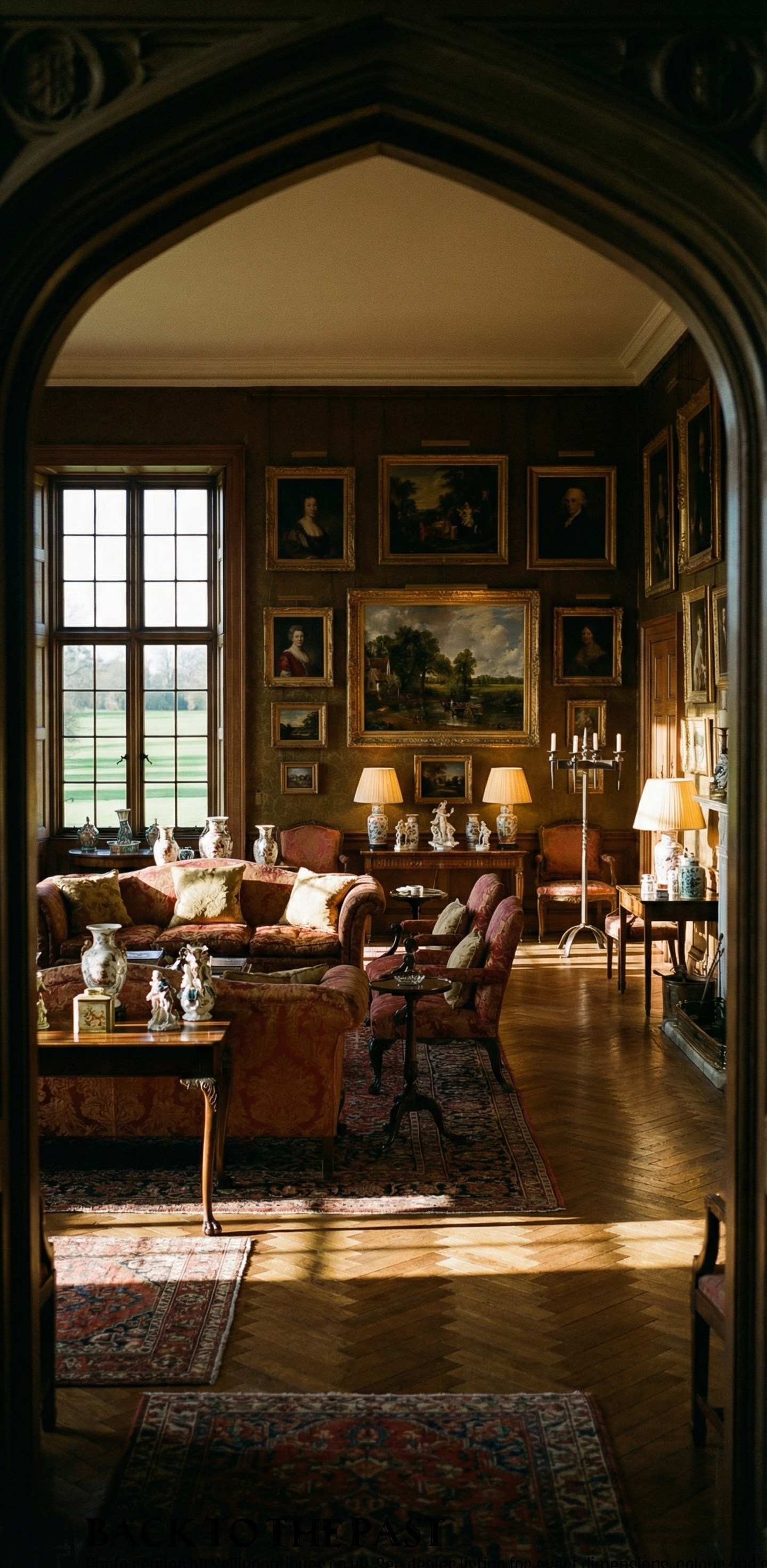
These tall pieces suit empty corners, flanking fireplaces, or framing large architectural doorways where their height adds vertical balance.
Their slender profiles allow them to stand effectively without occupying excessive floor space in a room.