



Wrought Iron Floor Standard
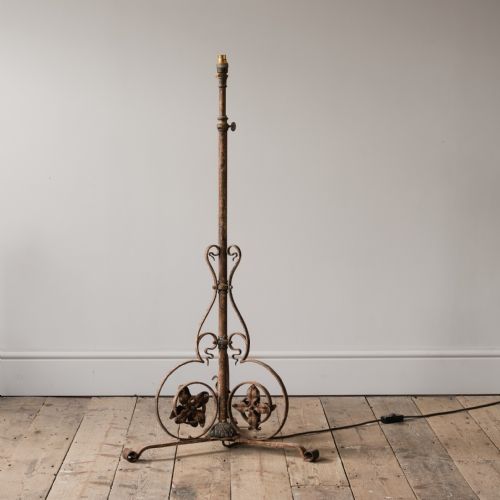
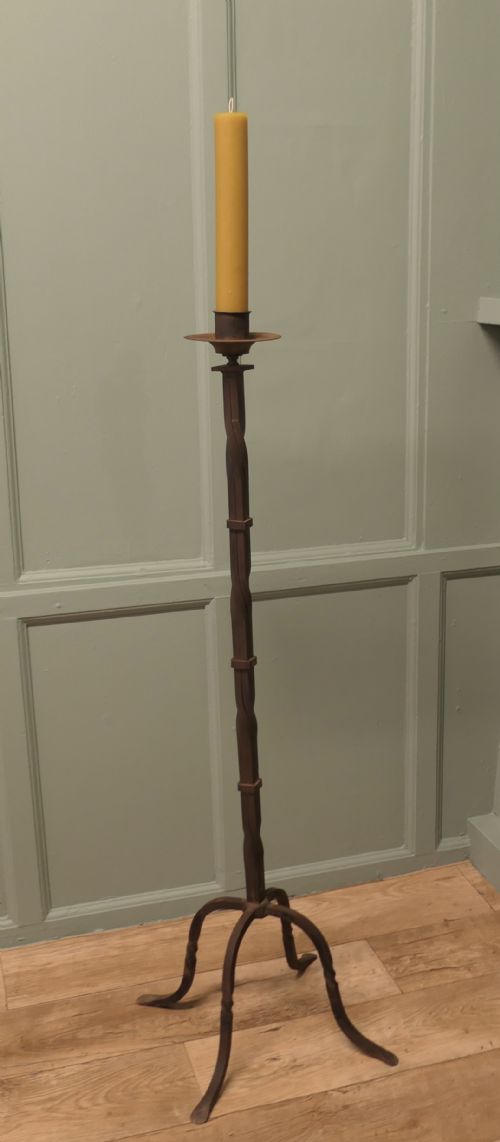
These wrought iron floor standard designs bring heavy metalwork into domestic rooms, giving you adjustable height and candle or electric light.
Wrought Iron Floor Standard
When you search for a wrought iron floor standard, you encounter tall metal supports designed to illuminate rooms from floor level. The selection on this page centres on floor lamps, standard lamps, torcheres, and floor candlesticks dating from the nineteenth century up to nineteen thirty.
You are most likely to meet Victorian and nineteenth-century examples fashioned with adjustable arms or telescopic shafts. These pieces range from simple blacksmith-made items to grander Continental and Gothic Revival forms.
How they were made
Blacksmiths forged these standards by hand from wrought iron, hammering and shaping the metal while hot to create slender shafts and scrolling bases. Many incorporate cast iron for stability and brass components for adjustable mechanisms.
Makers adapted early oil and candle standards for electricity as technology advanced, sometimes retaining original fabric shades or candle pans.
Wrought Iron Floor Standard Retail Price Guide 2026
Typical asking prices for wrought iron floor standard among the pieces listed under this phrase on Sellingantiques today, from the lower quarter to the upper quarter. They describe what is for sale here now, not the wider market.
Some nineteenth-century floor standards double as rushlight holders, meaning your modern living room could share its light with a medieval farming cottage.
What varies in quality
The distinction between ordinary and superior examples lies in the finesse of the forge work and the complexity of the adjusting mechanism. Hand-forged detailing on nineteenth-century pieces shows individual craftsmanship that mass production lacks.
Proportion and weight distribution determine the grace of the silhouette, ensuring that tall telescopic shafts remain balanced and steady upon their bases.
The Wrought Iron Floor Standard Glossary
- Wrought iron
- Iron that has been heated and shaped with tools by a blacksmith. This material provides strength and a textured surface finish.
- Torchere
- A tall stand designed to carry a light or candle. These decorative floor pieces often feature ornate metalwork.
- Telescopic
- An adjustable shaft that extends upwards in sections. This allows you to alter the height of the light source.
- Rushlight candlestick
- An early lighting device holding a rush soaked in fat. These primitive stands sit on floors or tables.
Wrought Iron Floor Standard: Frequently Asked Questions
What is a floor standard?
A floor standard is a tall freestanding lamp or candle holder designed to illuminate a room from a vertical post. These pieces elevate the light source above furniture level.
They appear in various styles from the nineteenth century and the early twentieth century, combining utility with decorative metalwork.
How do adjustable arms work?
Adjustable arms utilise a mechanical hinge or sliding joint fixed near the top of the metal shaft. This allows you to direct light precisely where needed.
Victorian makers favoured this functional addition for reading or close work.
Were these originally electrified?
Many of these pieces began life holding candles or burning oil before later conversion to electricity. Blacksmith-made stands adapted easily to wiring as domestic power spread.
Some retain older fittings or adaptors alongside modern electrical components.
How do I date a metal standard?
Dating relies on observing construction methods, tool marks, and stylistic clues from periods like Gothic Revival or Art Nouveau. Hand-forging techniques and material combinations indicate the era of manufacture.
Nineteenth-century examples often display heavier ironwork compared to later twentieth-century designs.