


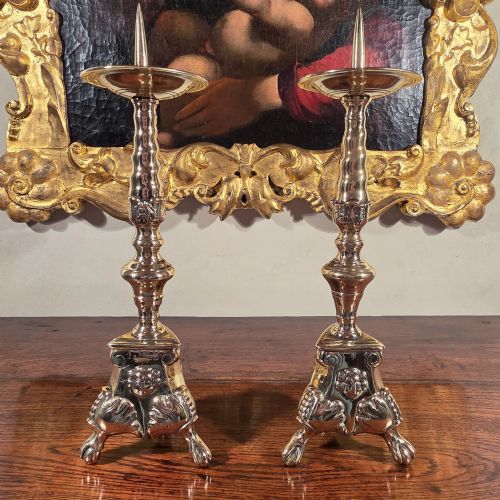
Antique Tall Candlestick Stand
These pieces elevate light with vertical presence, combining solid metal or carved timber to command a room.
Antique Tall Candlestick Stand
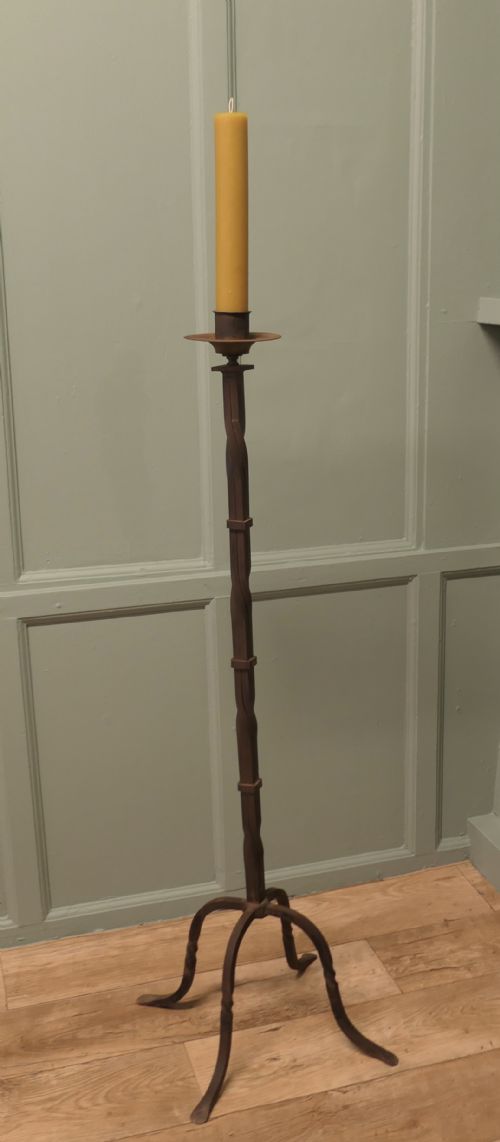
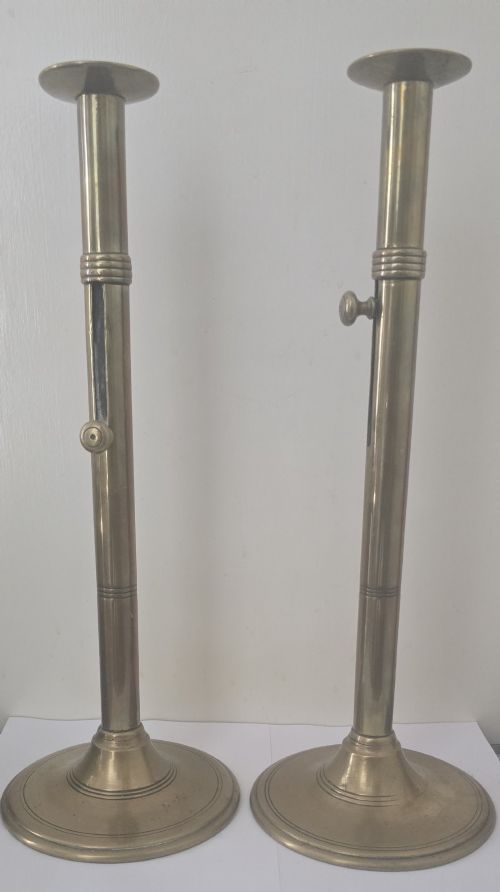
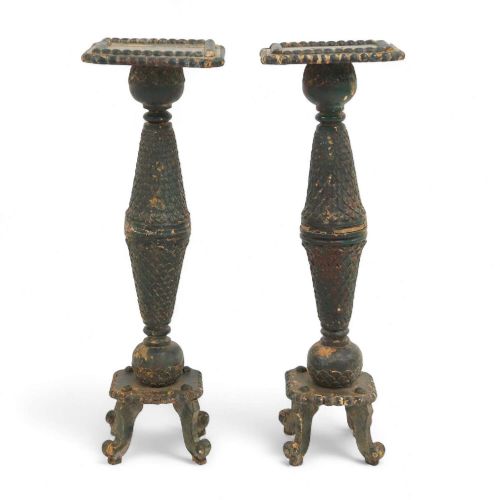
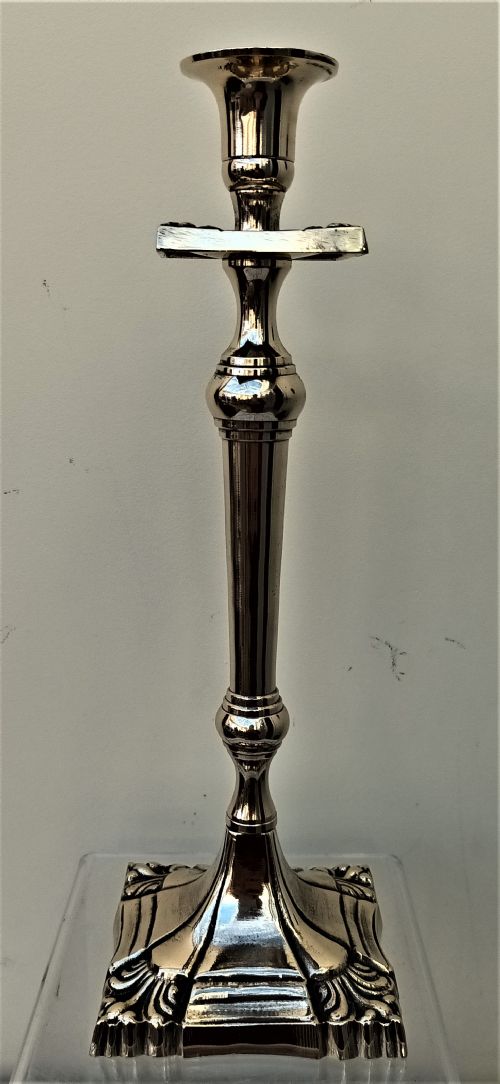
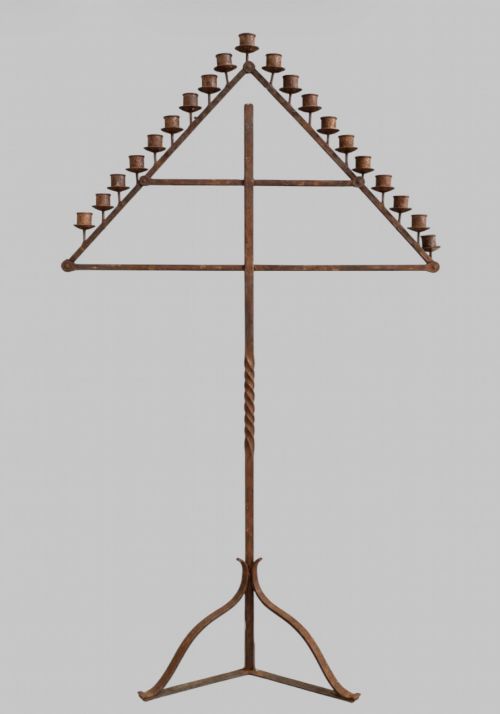
An antique tall candlestick stand provides elevated illumination through floor-standing torchères, column candlesticks, and multi-light floor candelabra. When searching for this category, buyers encounter varied forms designed to lift light sources well above standard table height.
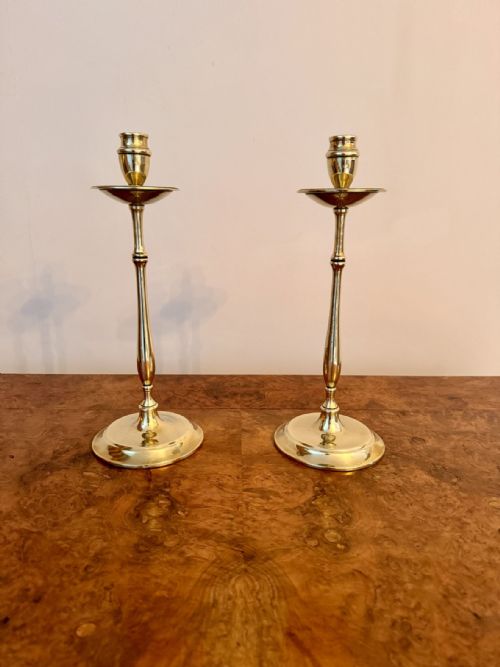
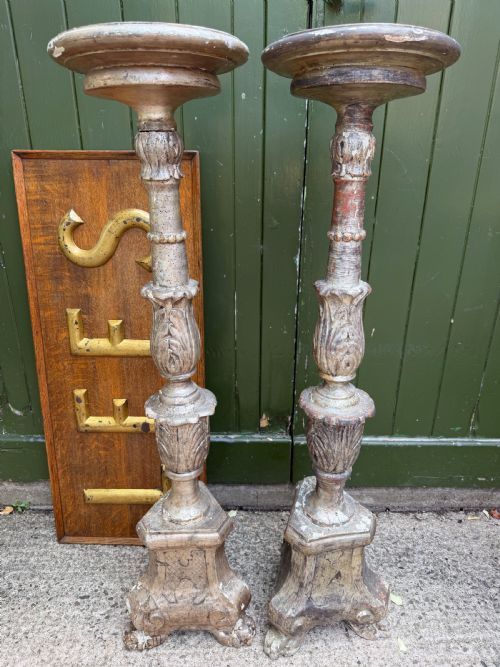
The pieces originating from domestic parlours contrast with ecclesiastical examples sourced from churches and altars. Surviving specimens range from heavy Georgian brass and mahogany shafts to ornate Italian carved wood and silvered altarpieces.
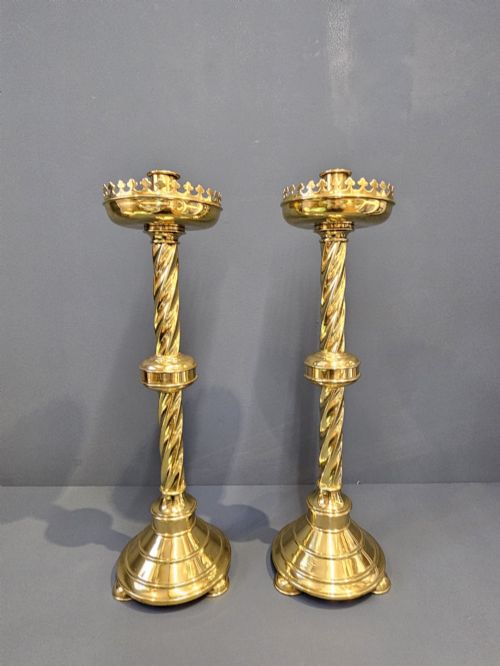
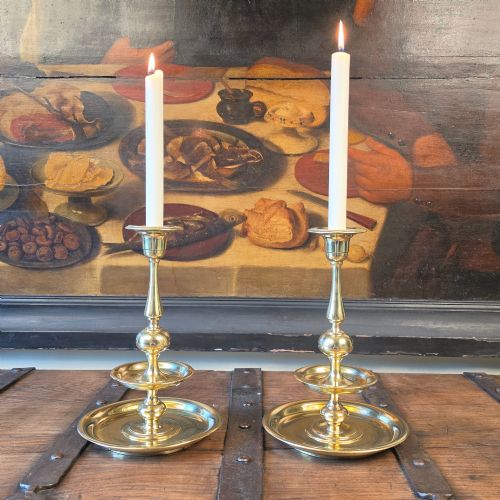
Tall brass columns and wrought iron floor pieces dominate the selections available to collectors. These utilitarian yet decorative objects bridge the gap between functional lighting and architectural statement furniture.
Materials and Construction Techniques
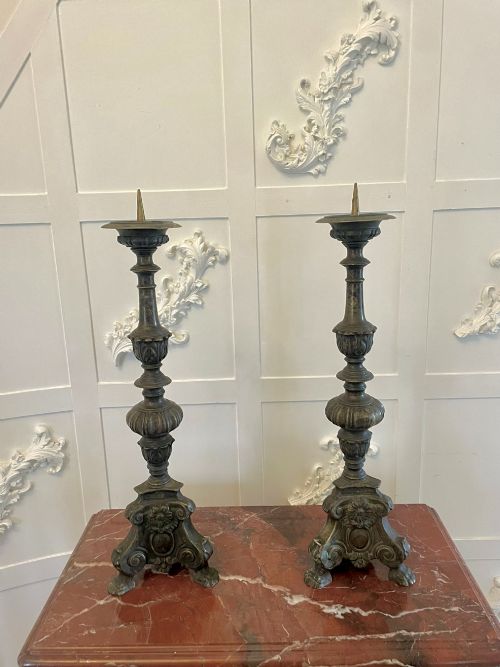
Foundry-cast brass and bronze form the backbone of metal examples, often utilising seamed construction or turned components joined securely. Heavier ecclesiastical items employ solid ironwork and heavy brass castings to support large pricket spikes.
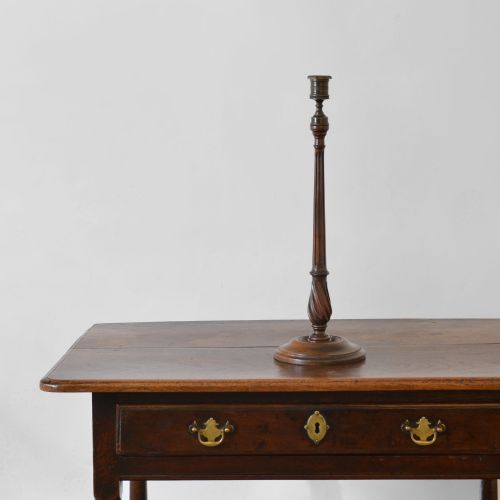
Carved timber stands utilise native woods, pinewood, and mahogany shaped through lathe turning or hand-carving. Applied finishes include gesso, silver leaf, giltwood, and original painted surfaces that seal the underlying organic material.
Factors Determining Quality
Proportion and structural integrity separate superior examples from ordinary production. The visual harmony between a heavy weighted base and a slender upright shaft dictates the visual success of the piece.
Surface patination and the preservation of original finishes - such as untouched green paint, genuine silver leaf, or unpolished brass - define the desirability of surviving items. Depth of hand-carving on wooden torchères and crispness of architectural moulding on column forms indicate workshop skill.
James Clews·Birmingham Guild of Handicraft
The Antique Tall Candlestick Stand Glossary
- Torchère
- A tall ornamental stand designed specifically to carry a candle or lamp. These elevated wooden or metal supports date back to the seventeenth century.
- Pricket
- A sharp metal spike on a candlestick designed to impale the base of a wax candle. This method remains common on church and altar pieces.
- Corinthian Column
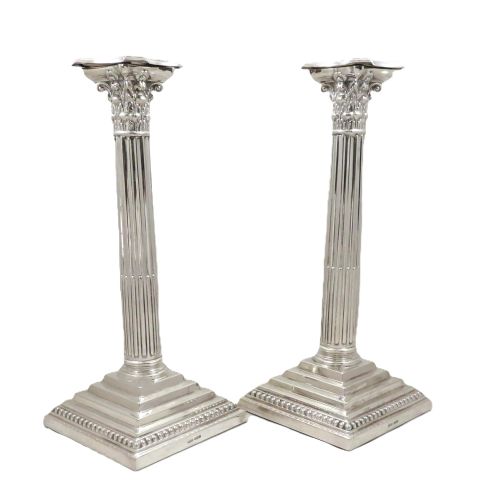
- A classical architectural column form featuring ornate acanthus leaf capitals. Makers frequently adapted this motif for tall brass and silver candlesticks.
- Gesso
- A plaster-like mixture applied to wood surfaces to prepare them for gilding or painting. It provides a smooth base for intricate decorative carving.
- Barley Twist
- A helical turning technique resembling a twisted rope, executed on wood or metal shafts. This decorative joinery adds dynamic movement to upright stems.
Antique Tall Candlestick Stand: Frequently Asked Questions
Where were tall candlesticks originally placed?
These tall stands occupied positions beside fireplaces, in church chancels, or flanking large furniture pieces to maximise illumination in large rooms.
Domestic versions typically stood directly on the floor in reception rooms, while ecclesiastical variants served altars and ceremonial spaces.
How do I date a brass candlestick?
Dating relies on manufacturing marks, construction methods like seamed joints, and prevailing stylistic influences such as Georgian proportion or Victorian Gothic revival.
Base weights and casting seams offer clear physical clues regarding the decade of manufacture.
Can I use standard candles on pricket stands?
Pricket stands require candles with a pre-drilled base hole to fit securely over the upright metal spike.
Standard pillar candles will not balance correctly without this central recess.
How should I clean antique metal stands?
Preserving the original aged surface requires gentle dusting and avoiding harsh chemical polishes that strip historical patination.
Light application of microcrystalline wax protects bare brass or bronze from further oxidation.