





Marquetry Pedestal Stand
A marquetry pedestal stand elevates objects upon patterned wood surfaces, bringing historical craft and display height to a room.
Marquetry Pedestal Stand
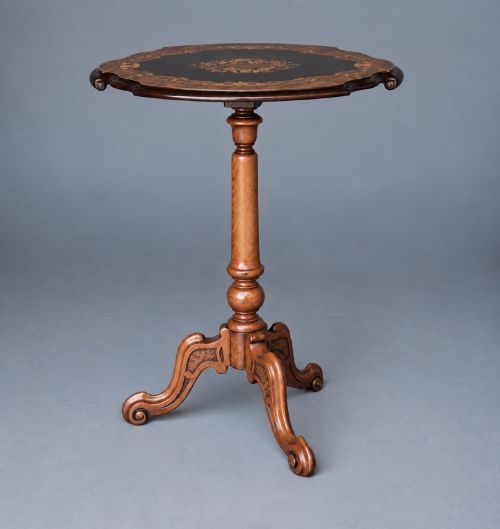
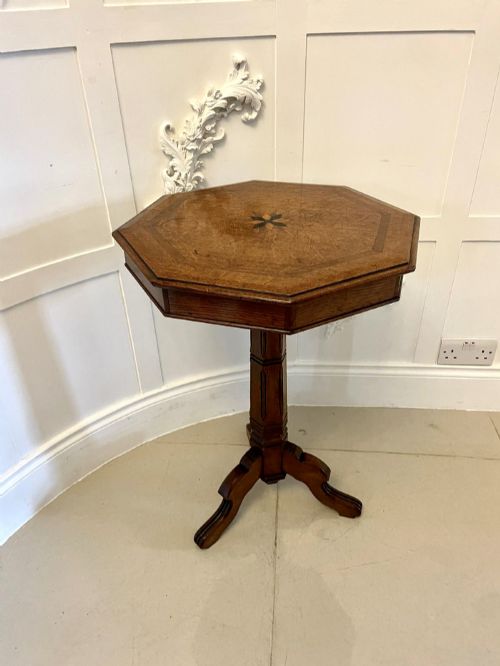
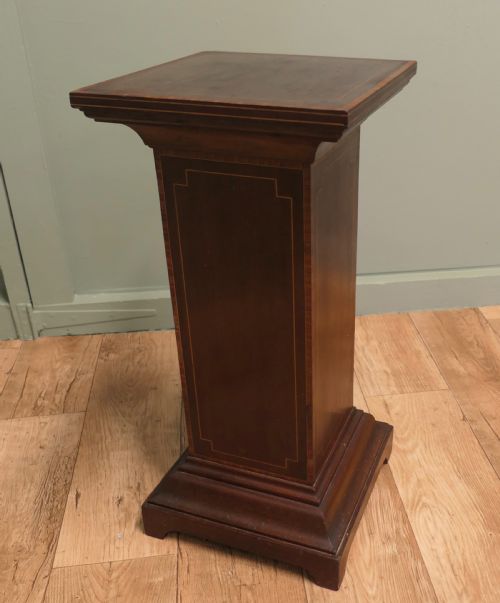
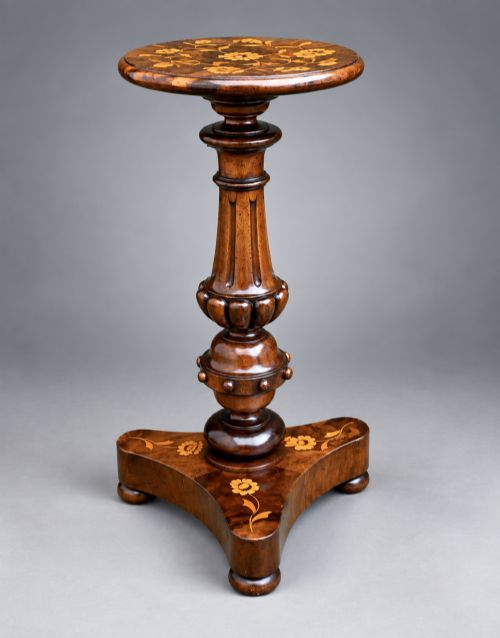
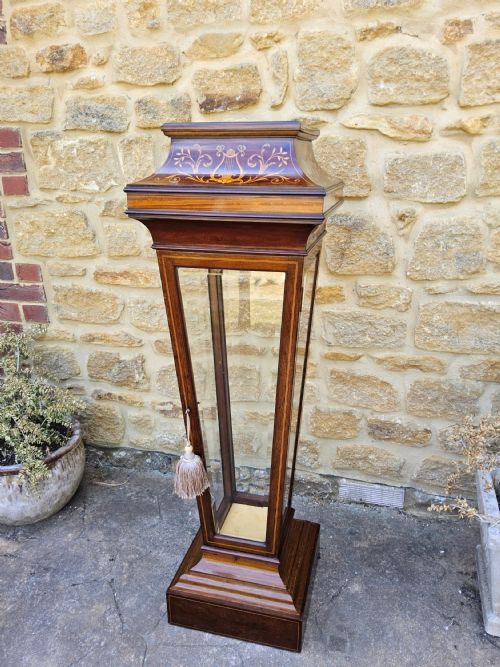
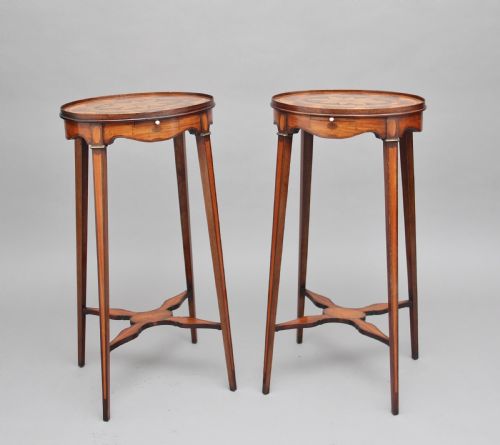
A marquetry pedestal stand serves primarily as a decorative support for plants, lamps, or small display pieces within a room. These items appear across various historical eras, including the Georgian, Regency, Victorian, and Edwardian periods.
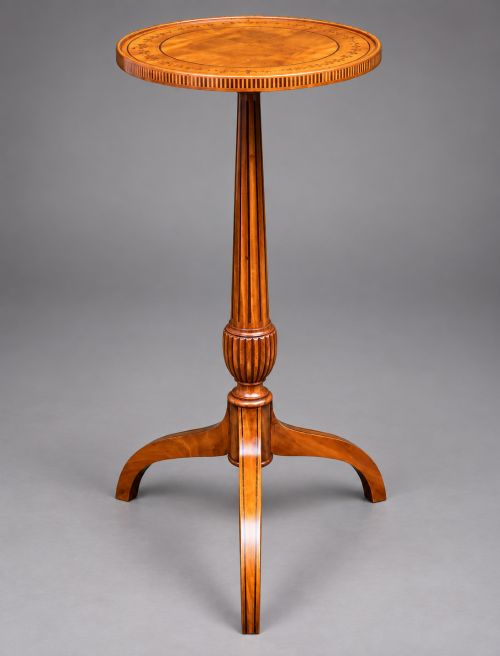
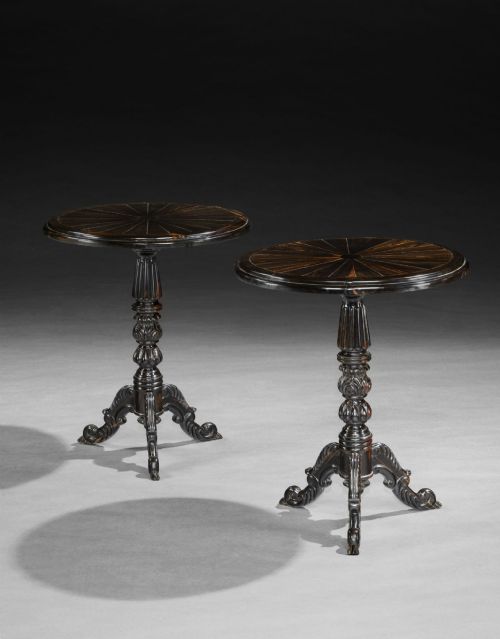
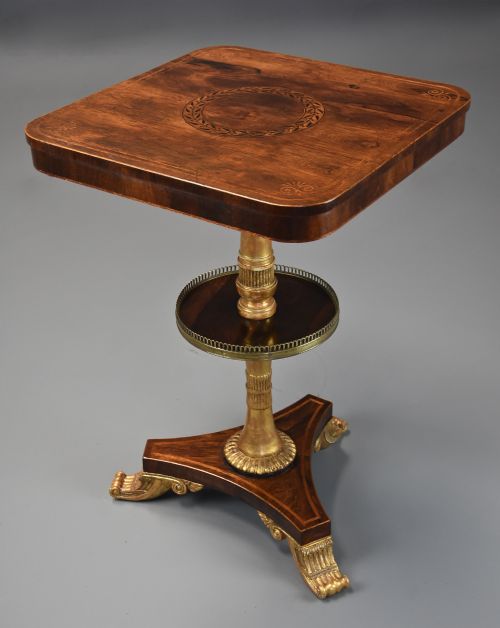
The forms range widely from tripod wine tables and torchieres to lamp tables and plant stands. Walnut, mahogany, and rosewood form the foundational timber for many of these elevated display pieces.
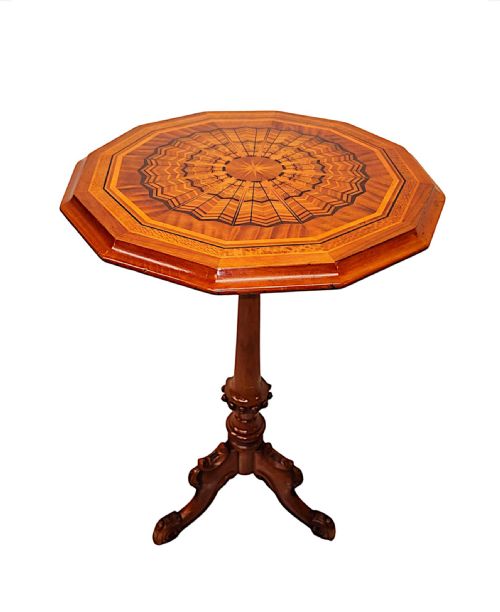
Dutch marquetry and Sheraton revival styles frequently appear, showing detailed floral or geometric patterned wood sections. Buyers commonly encounter nineteenth-century examples featuring inlaid tops supported by central columns or tripod bases.
Materials and construction
Cabinet makers utilised dense hardwoods such as mahogany, walnut, rosewood, and ebony to construct the primary structures and columns. Satinwood, kingwood, and bone provided contrasting tones for intricate surface ornamentation.
Craftsmen applied thin veneers of contrasting timber onto base boards to create pictorial or geometric designs. Brass mounts, ormolu, and fine wood inlays completed the decorative vocabulary of these stands.
Listings feature woods including satinwood, ebony, kingwood, and rosewood alongside traditional mahogany and walnut.
Factors of quality
The precision and complexity of the wood inlay determine much of the visual distinction between examples. Tighter joints in the patterned veneers and sharper contrasts among the specimen woods indicate higher standards of cabinet work.
Stability relies upon the construction of the central column and the fitting of the tripod or pedestal base. Richness of grain in the primary timbers, such as burr walnut or rosewood, elevates the overall presence of the piece.
Gillows·Edwards & Roberts
The Marquetry Pedestal Stand Glossary
- Marquetry
- The art of applying decorative pieces of veneer to a structure to form intricate floral or geometric designs. This technique defines the patterned surfaces seen on many tabletop panels.
- Torchere
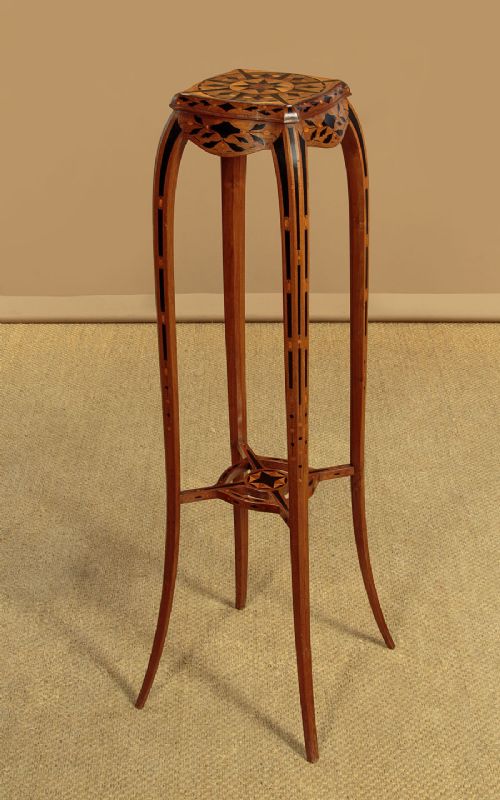
- A tall stand designed specifically to hold a lamp or candle. These slender pieces elevate lighting fixtures above standard table height.
- Tripod table
- A small occasional table supported by a central pillar resting on three legs. This design prevents wobbling on uneven historical floors.
- Specimen wood
- Timber selected for its unusual grain, colour, or origin, often combined in geometric tabletops. Collectors value these multi-wood surfaces for their visual variety.
- Jardiniere
- A decorative pot or stand intended to hold plants or flowers. These items often feature waterproof liners or raised gallery edges.
Marquetry Pedestal Stand: Frequently Asked Questions
What were pedestal stands used for originally?
These elevated tables held candlesticks, lamps, or decorative urns in reception rooms. Their height brought small decorative items closer to eye level.
They also served as convenient surfaces for wine glasses or tea equipment beside seating areas. Later variations frequently accommodated indoor plants and floral arrangements.
How do I identify a Victorian marquetry stand?
Victorian pieces often utilise dense mahogany or walnut foundations paired with elaborate floral wood inlays. Their proportions tend to be heavier than earlier Georgian equivalents.
Look for turned central columns and substantial tripod bases that reflect nineteenth-century manufacturing methods. Ebonised finishes and bone inlays also point towards this era.
Where should I place a pedestal stand?
These stands fit well in corners, beside armchairs, or in entrance halls where floor space is limited. Their small footprint allows them to display lamps or plants without obstructing pathways.
Avoid placing them in direct sunlight to protect vulnerable rosewood or walnut veneers from fading. Keeping them away from sudden temperature shifts preserves the historical timber.
What is the difference between a torchere and a wine table?
Torcheres are typically taller and narrower, designed initially to support standing light sources. Their primary function is display rather than utility.
Wine tables feature wider, lower tops meant for holding drinks or small books within reach of a seat. Both utilise central pillars, but their proportions serve different domestic tasks.