




Turn of Century Portrait
A turn of century portrait captures likenesses across painting, sculpture and decorative work from the late nineteenth and early twentieth centuries.
Turn of Century Portrait
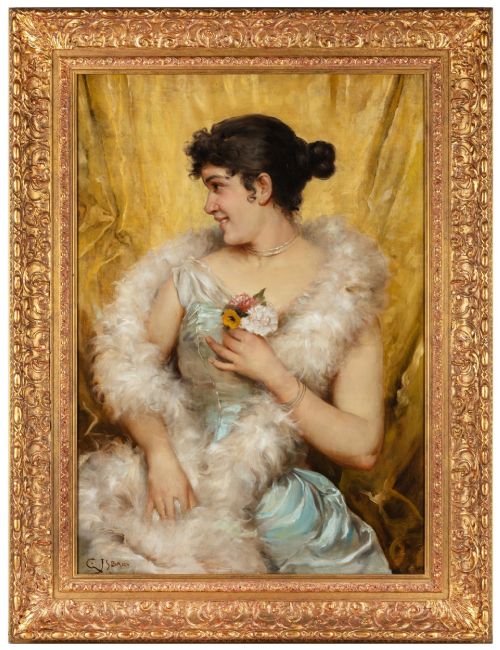
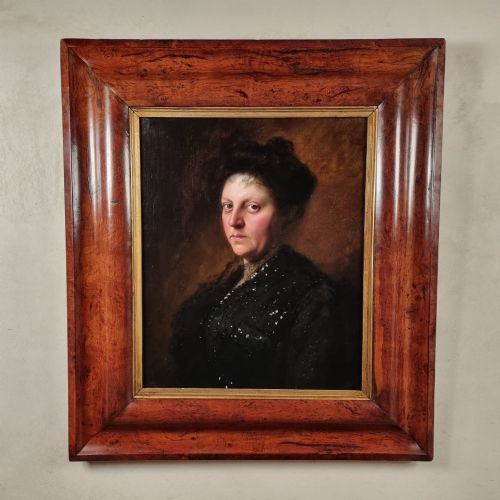
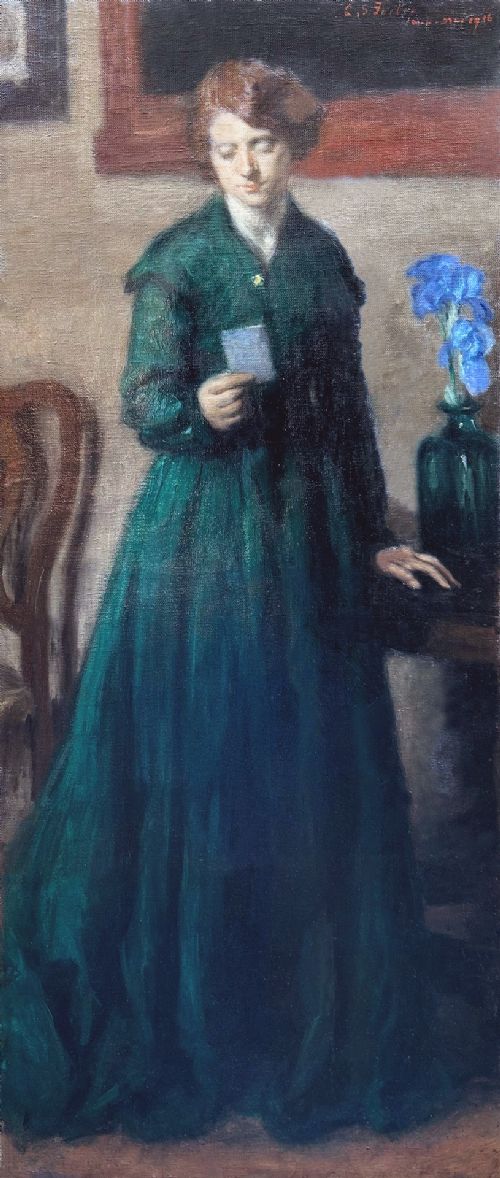
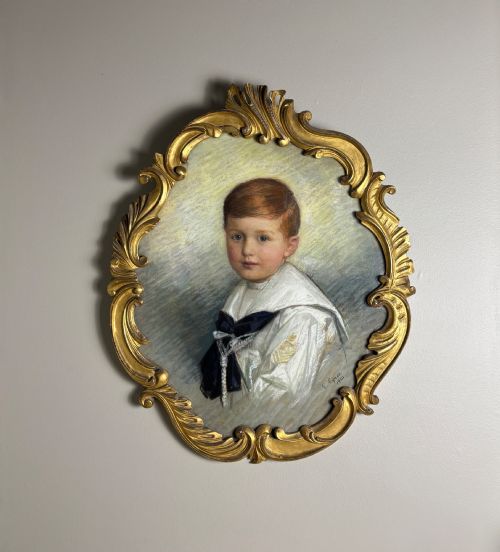
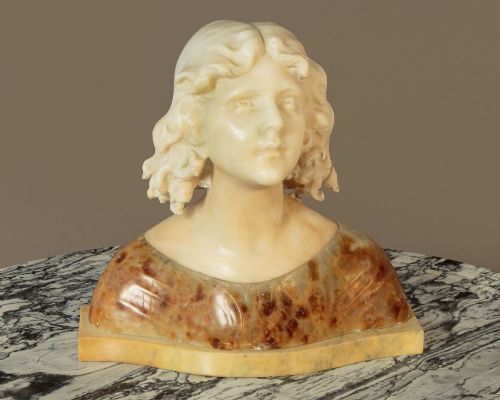
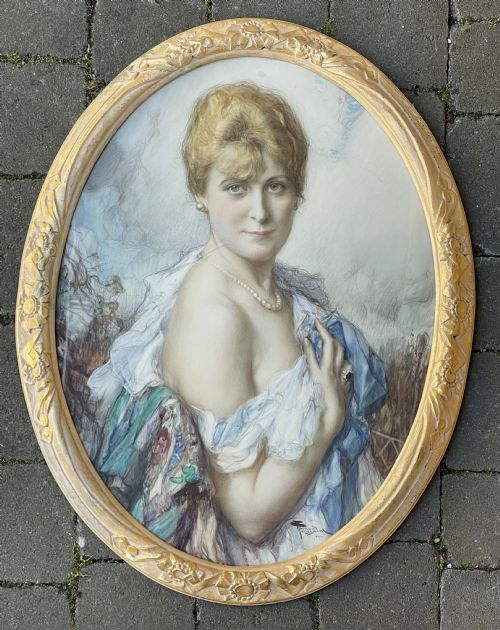
A turn of century portrait encompasses oil paintings, watercolours, and sculptural busts created around nineteen hundred. These pieces capture sitters in styles ranging from Edwardian formality to Art Nouveau fluidity.
Buyers will encounter oil on canvas paintings of young beauties alongside carved alabaster busts and painted watercolours. The selection spans works from British, French, Spanish, and Belgian makers.
Subjects include individual ladies, gentlemen, and historical figures executed in mediums from canvas to terracotta and plaster. Many pieces retain their period frames or mounting hardware.
How they were made
Painters utilised oil on canvas and watercolour wash on paper, often layering pigment to achieve depth in skin tones and garments. Sculptors worked with carved alabaster, moulded terracotta, and cast plaster to render three-dimensional likenesses.
Support materials include turned mahogany frames, gilt wood surrounds, and silver settings for smaller wearable items like brooches. These physical components reflect the prevailing decorative arts standards of the period.
Napoleon and Marie-Louise Bonaparte appear quietly cast in lead bronzed roundels within turned mahogany frames.
What varies in quality
Execution and handling of the medium dictate quality, with masterly brushwork in oil or precise facial carving in alabaster distinguishing superior works. The treatment of light and fabric texture reveals the hand of a skilled practitioner.
Condition of the surface, preservation of the original gilt or wood frame, and clarity of the signature contribute significantly to the standing of any given piece.
G. J. S. Bary·Emily Eyres·Ernst Whaliss·Fernand Toussaint·Charles Prosper Sainton·Gaston Bouy·HL Blasche for Reps and Trinte·A. Gory
The Turn of Century Portrait Glossary
- Alabaster
- A fine-grained mineral often carved into soft, translucent sculptural busts. It allows artisans to render smooth skin textures and gentle folds of drapery.
- Art Nouveau
- A decorative style characterised by organic, flowing lines and natural motifs. This aesthetic heavily influences the framing and sculptural forms of the era.
- Edwardian
- A period spanning the reign of King Edward VII, noted in portraiture for a refined, elegant depiction of society figures. Paintings from this time often show soft lighting and careful attire.
- Oil on Canvas
- A medium where pigments suspended in drying oil are applied to stretched fabric. This technique permits rich colour saturation and subtle blending.
- Terracotta
- Fired clay used for sculptural works, capable of taking fine detail from the modeller's hand. It is frequently finished with patination to resemble bronze or stone.
Turn of Century Portrait: Frequently Asked Questions
What is a turn of century portrait?
These pieces are likenesses of individuals created in painting, sculpture, and decorative objects around nineteen hundred. They document the shifting artistic tastes from late Victorian realism into Edwardian and Art Nouveau aesthetics.
The selection includes oil paintings on canvas, watercolour works on paper, and sculptural busts carved from alabaster or moulded in terracotta. Each item reflects the portraiture conventions of its specific European origin.
How do I care for oil paintings?
Oil paintings on canvas need stable humidity and protection from direct heat sources. Dust the canvas gently with a soft, dry brush and avoid using liquid cleaners on the painted surface.
Keep the reverse of the canvas free from moisture and inspect the frame joints periodically. Professional conservation should be sought if the paint layer shows signs of cracking.
How do I identify Art Nouveau works?
Art Nouveau pieces display characteristic whiplash lines, asymmetrical compositions, and motifs drawn from plants and flowers. Ceramic and sculptural busts from this movement often incorporate flowing hair and drapery that merge with the base.
Signatures, foundry marks, and stylistic integration of the frame or mount further help pinpoint this turn of the century aesthetic.