

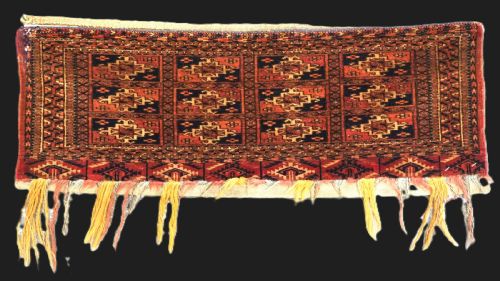
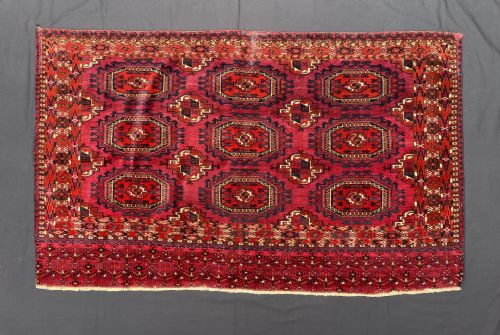


Turkmen Tribal Bag
A turkmen tribal bag brings woven nomad history indoors, offering durable Central Asian storage pieces shaped by traditional tribal artistry.
Turkmen Tribal Bag
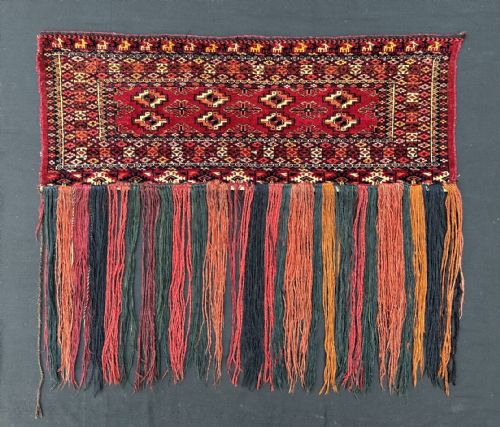
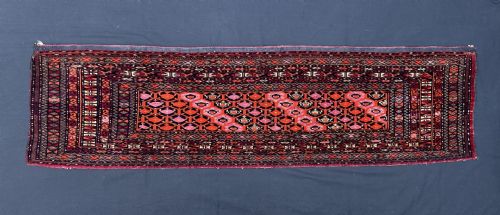
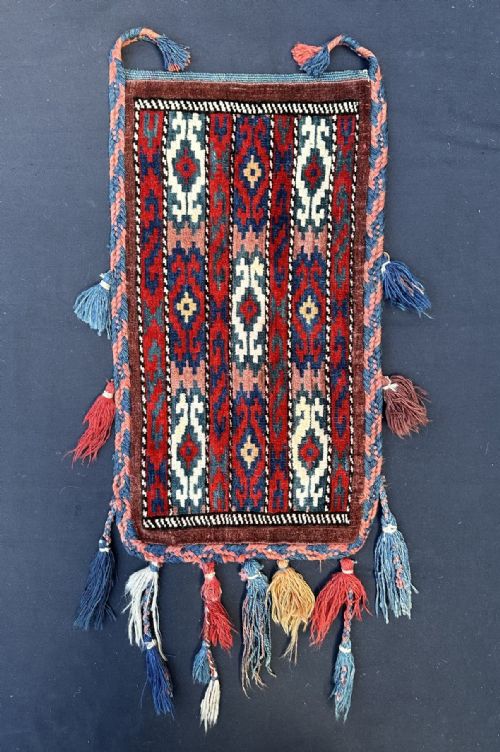
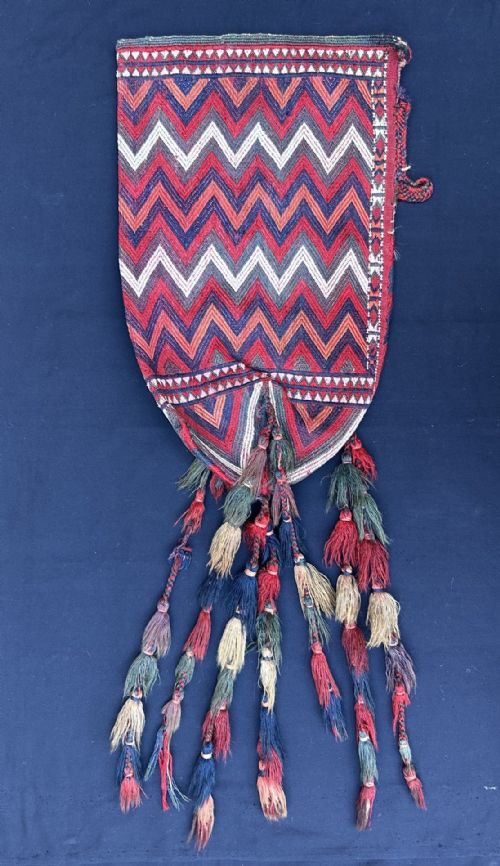
A turkmen tribal bag encompasses functional woven containers produced by nomadic and semi-nomadic groups across Central Asia during the nineteenth and early twentieth centuries. These textile works served practical tent storage roles, holding bedding, clothing, spindle implements, or household provisions.
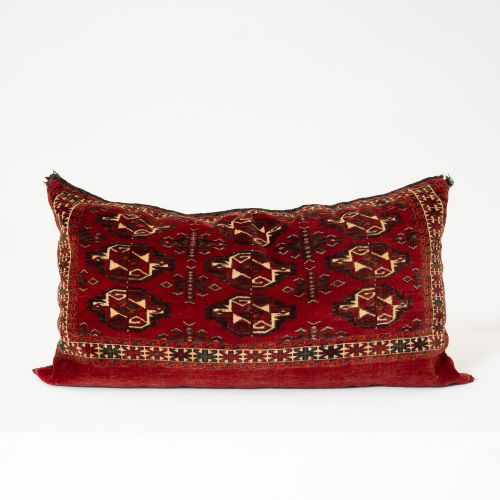
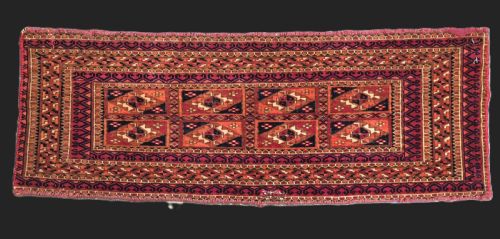
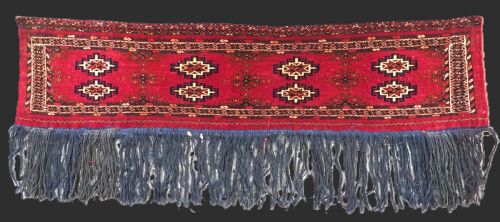
The selections available here heavily feature specific regional forms including torba storage bags, chuval tent bags, kap items, and smaller spindle bags or utility pouches. Pieces originating from Tekke, Yomut, Saryk, and Ersari tribal groups dominate the selection, showing distinct regional proportions and design layouts.
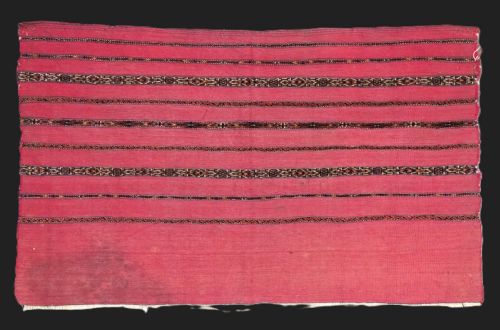
Many items survive as complete examples retaining their plain weave backs, while others appear as cut or preserved bag faces intended for display. Dating spans predominantly from the middle nineteenth century through to the early decades of the twentieth century.
What Varies In Quality
Knot density and handling of the wool foundation establish the fineness of the weave across different pieces. Tightly packed pile and precise secondary structures separate exceptional examples from standard utilitarian items.
The clarity and saturation of natural dye colours, particularly the depth of the red ground and the crispness of ivory highlights, dictate visual success. Precision in executing traditional tribal guls and secondary motifs reflects the skill of the weaver.
Spindle bags kept stray wool spinning tools from rolling away under the felt rug during camel rides.
The Turkmen Tribal Bag Glossary
- Torba
- A small horizontal storage bag used inside nomadic tents for personal possessions or household goods. These pieces often display multiple primary guls along the face.
- Chuval
- A large tent bag traditionally used for storing bedding and heavy woolen items. They represent some of the principal format types produced by weavers.
- Gul
- A repeating primary medallion or octagonal motif associated with specific tribal groups. Each design element identifies the particular heritage and geographic origin of the maker.
- Jollar
- A long, narrow tent bag positioned on the flanks of camel loads or inside the dwelling. Their proportions accommodate specific nomadic transport requirements.
- Uk Bash
- A specialised tent band or storage piece associated with yurt framing. These textiles display distinct structural weaving methods.
Turkmen Tribal Bag: Frequently Asked Questions
How were turkmen tribal bags used?
Nomadic families utilised these woven containers inside yurts for storing bedding, clothing, and household provisions. Their sturdy wool construction protected belongings during frequent seasonal migrations.
Items were also hung against tent walls or secured on pack animals during transit. Over time, their utility evolved into decorative household furnishings.
What tribes made these bags?
Weavers from groups such as the Tekke, Yomut, Saryk, and Ersari produced these textiles across Central Asian oases and steppes. Each tribe maintained distinct design vocabularies and structural preferences.
Identifying tribal origins relies on examining the specific guls, border arrangements, and structural materials used in the weave. Master weavers passed these traditions down through generations.
How do you date a turkmen bag?
Dating relies on assessing the materials, natural dye saturation, and structural wear patterns present in the wool and cotton foundations. Nineteenth-century examples typically display softer hand-spun wool and deeper madder dye palettes.
Later pieces from the early twentieth century often show shifts in chemical dye use and coarser knotting densities. Comparing structural formats against known historical timelines helps narrow the period.
What is the difference between a torba and a chuval?
A torba is a smaller, wider storage bag traditionally used for smaller household goods and personal items. A chuval is significantly larger and designed for bulkier items like bedding and blankets.
Both serve as core formats within Central Asian nomadic textiles but occupy different functional roles inside the tent. Their proportions dictate the arrangement of primary guls across the face.