





Deep Red Wool Carpet
A deep red wool carpet delivers rich, saturated floor presence, ranging from tribal village weaves to formal Persian room sizes.
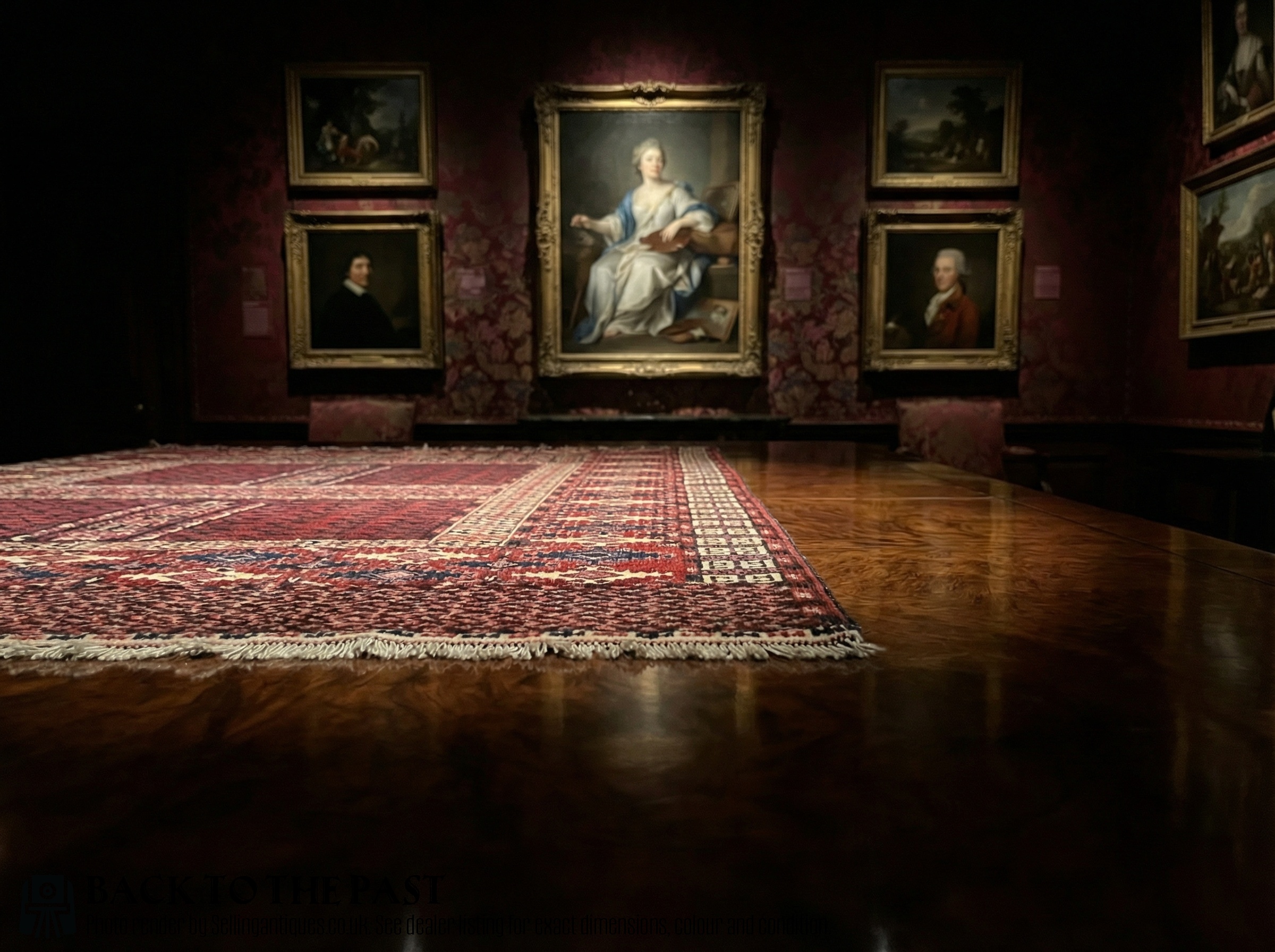
Deep Red Wool Carpet
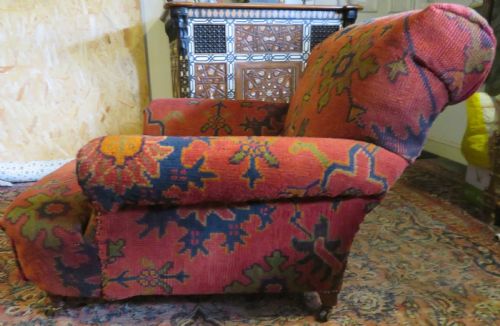
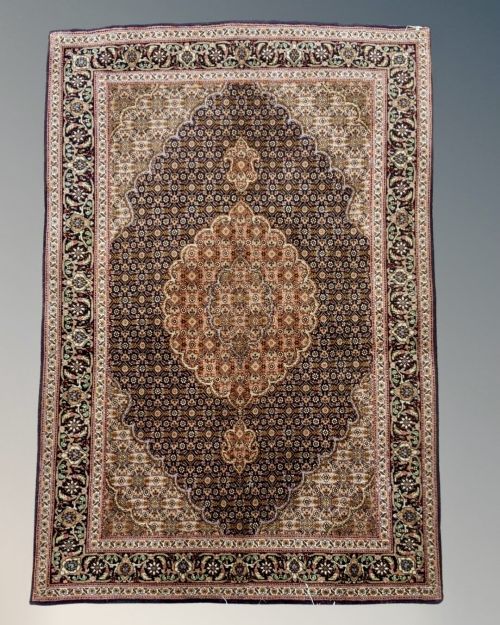
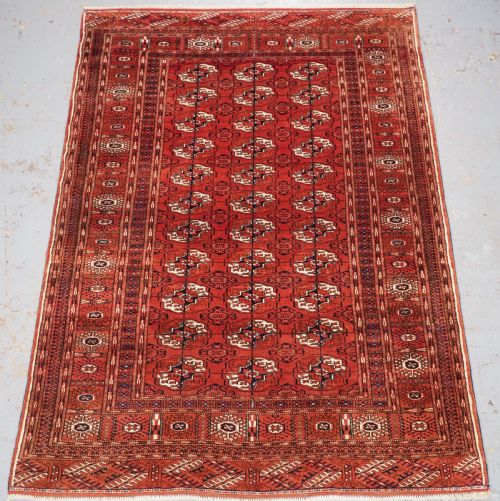
When you search for a deep red wool carpet, you encounter heavy floor textiles spanning tribal Turkmen formats, village runners, and classic Persian room-sized weaves. The selection here brings together pieces originating from Central Asia, Persia, and Western Afghanistan alongside nineteenth-century seating upholstered in related textile fragments.
Most examples date from the late nineteenth century up to the nineteen-thirties, showing rich crimson and madder tones derived from natural dyes. You will find formats varying from small prayer rugs and storage bags to long runners and large area carpets.
The assortment also captures traditional Persian styles alongside specific tribal groups such as the Tekke, Ersari, Yomut, and Baluch. Each piece demonstrates the distinct weaving traditions and knotting techniques of its specific region and era.
How they were made
These carpets rely on hand-spun wool foundations and pile, often utilising natural dyes to achieve deep, lasting shades of red. Weavers employed traditional upright looms, tying dense knots by hand and finishing the ends with secure flatwoven borders or kilim strips.
Many tribal and village pieces incorporate cotton or wool warps and wefts to provide structural stability. Some items combine these textile traditions with wooden and brass frames, particularly in the case of nineteenth-century club armchairs upholstered in antique carpets and kilims.
What varies in quality
The standard of a deep red wool carpet depends upon the density of the knotting and the quality of the wool used in the pile. Softer, glossier wool combined with stable natural dyes distinguishes superior village and tribal production from simpler commercial work.
Integrity of the edges, pile preservation, and the clarity of the tribal or traditional motifs determine the standing of each piece. Finer examples retain their original borders and maintain even wear across the field, reflecting skilled execution during their period of origin.
Howard And Sons
The Deep Red Wool Carpet Glossary
- Pile
- The cut yarn surface of a carpet that forms the soft nap. This layer absorbs dye deeply and withstands centuries of foot traffic.
- Warp
- The vertical threads stretched tightly on the loom that carry the structural load of the rug. Weft threads are then passed across them horizontally to lock the knots in place.
- Mihrab
- A niche design element found in prayer rugs, directing the user toward Mecca. It often appears as an arched silhouette decorated with rams horns or geometric markers.
- Ensi
- A specific type of tribal wall-hanging or tent door rug produced by the Tekke Turkmen. These feature a characteristic quartered design field.
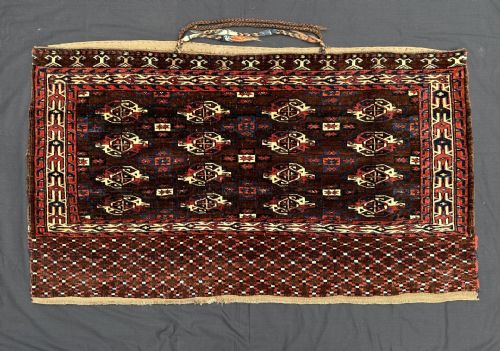
- Chuval
- A large, flat-backed storage bag made by nomadic tribes such as the Yomut. They were traditionally used inside yurts for household possessions.
Deep Red Wool Carpet: Frequently Asked Questions
How do I clean a deep red wool carpet?
Professional dusting and specialist wool washing are essential for historic textiles. Avoid harsh chemical detergents that strip natural lanolin from the fibres.
Regular gentle suction using a vacuum without a rotating beater bar helps remove embedded grit without damaging the antique wool pile.
Can I use these rugs in high-traffic hallways?
Many of these pieces, particularly village runners and tribal carpets, were built for daily domestic wear and handle moderate hallway traffic well. Placing a quality underlay beneath the rug prevents slipping and reduces friction against the floor.
Delicate prayer rugs or fine antique room carpets benefit from placement in quieter rooms to preserve their remaining pile and structural integrity.
How do I date a Turkmen tribal carpet?
Dating relies on assessing the saturation of the natural dyes, the handle of the hand-spun wool, and the complexity of the gul motifs. Nineteenth-century examples often exhibit deeper madder reds and softer wool compared to later twentieth-century productions.
Structural traits like selvage construction and warp depression also offer clear clues to the decade and tribal workshop of origin.
What is the difference between a runner and a main carpet?
Runners are narrow, elongated formats designed for corridors, stairs, and narrow spaces. Main carpets provide large, wide fields intended to anchor central living areas or formal rooms.
Both formats utilise traditional regional motifs, but their proportions dictate entirely different architectural placements within the home.