




Medallion Pattern Oriental Rug
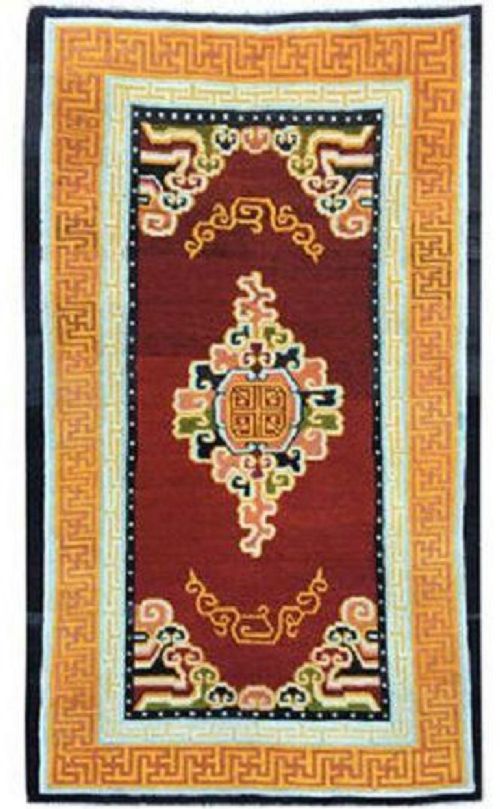
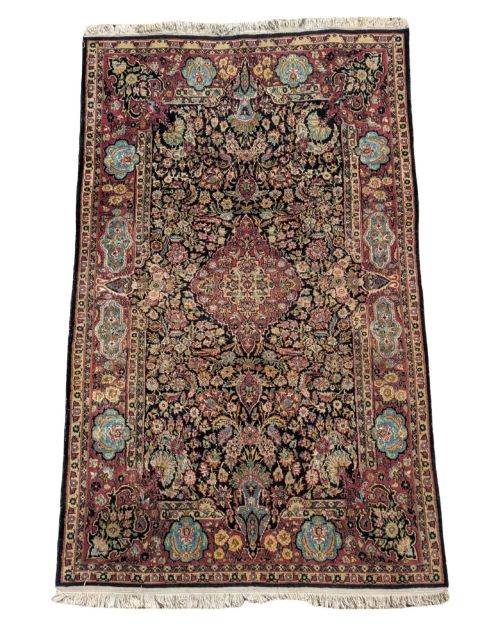
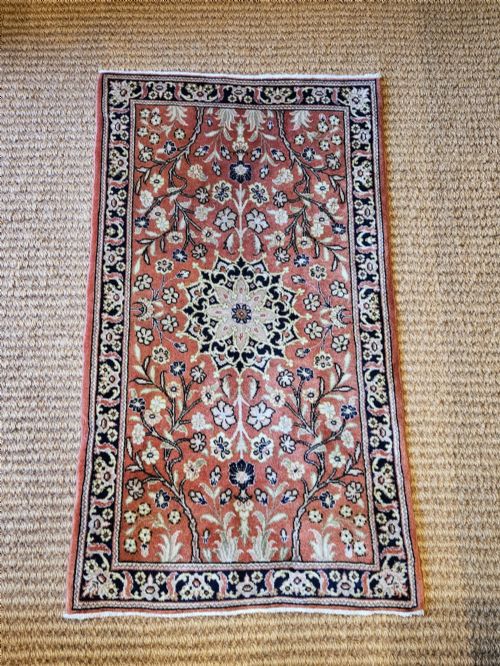
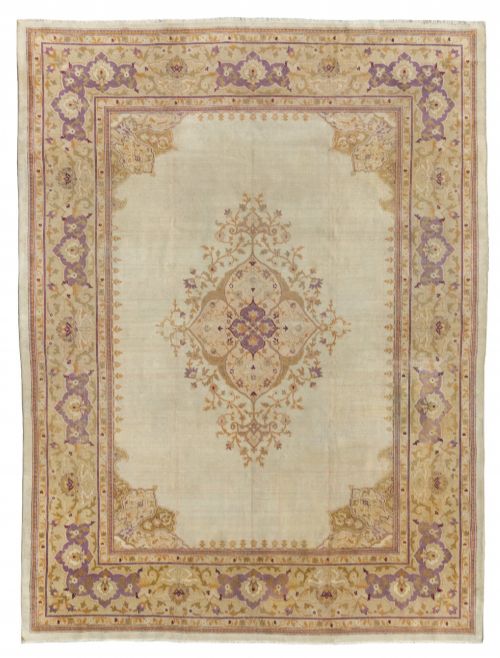
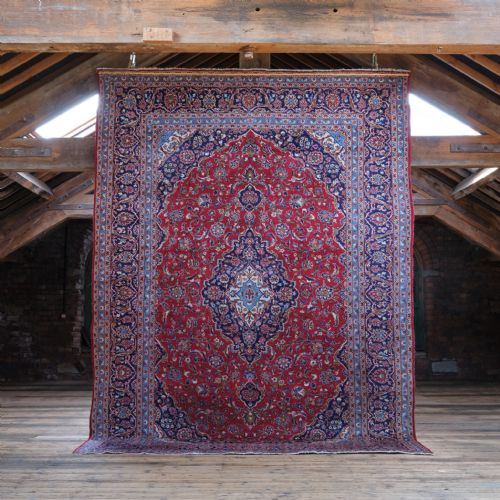
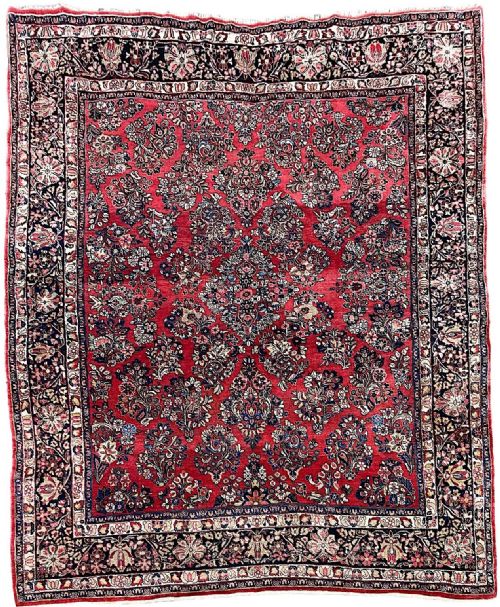
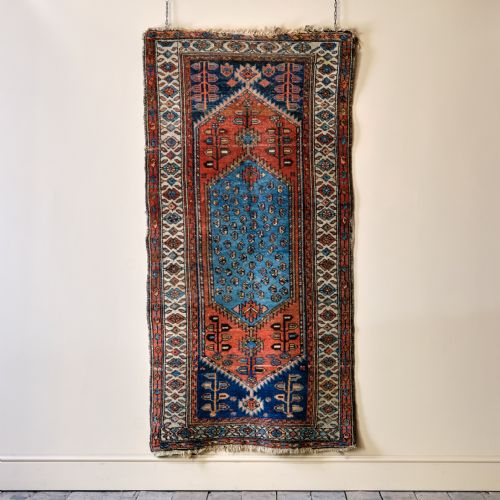
These medallion pattern oriental rug examples bring centuries of hand-knotted artistry into a room, offering rich central motifs that anchor a floor scheme.
Medallion Pattern Oriental Rug
When searching for a medallion pattern oriental rug, buyers encounter floor coverings originating from traditional weaving centres such as Persia, Turkey, the Caucasus and India. These pieces span from the late nineteenth century through the mid twentieth century, encompassing formats from small hearth rugs to large palace carpets and long runners.
The dominant version met on this page is the hand-knotted wool rug featuring a central geometric or floral emblem, often surrounded by elaborate borders and field designs. These items represent diverse regional traditions including Heriz, Kashan, Kazak, Oushak and Senneh styles.
How they were made
Makers constructed these textiles predominantly using natural wool for the pile and cotton for the foundations, ensuring durable structures built to withstand generations of daily foot traffic. Selected examples incorporate silk highlights or mercerised cotton to add luminous detail and textural contrast to the central motifs.
Weavers knotted the yarns by hand onto vertical looms, employing traditional regional knotting techniques that produced dense, resilient piles and defined pattern lines. Natural and early synthetic dyes provided the varied colour palettes seen across the navy, red, and muted earth tones of these floor coverings.
Materials across the inventory range from pure wool and cotton to silk highlights and art silk.
What varies in quality
Knot density and structural integrity dictate the upper tiers of the range, where tighter packing yields sharper pattern definition and greater longevity. Fine materials like pure wool and genuine silk highlights distinguish superior specimens from standard commercial productions.
The precision of the central medallion geometry and the subtlety of the dye work separate masterful regional weaving from simpler utilitarian floor coverings. Edge finishing, pile preservation and the coherence of the tribal or traditional design motifs complete the distinction.
The Medallion Pattern Oriental Rug Glossary
- Medallion
- A distinct central ornamental motif set into the field of a rug. It forms the focal point of the composition.
- Hand-knotted
- A construction method where individual strands of yarn are tied by hand onto warp threads. This process requires considerable time and skill.
- Pile
- The upright yarn surface of a rug formed by the cut ends of knots. It provides the soft walking surface.
- Runner
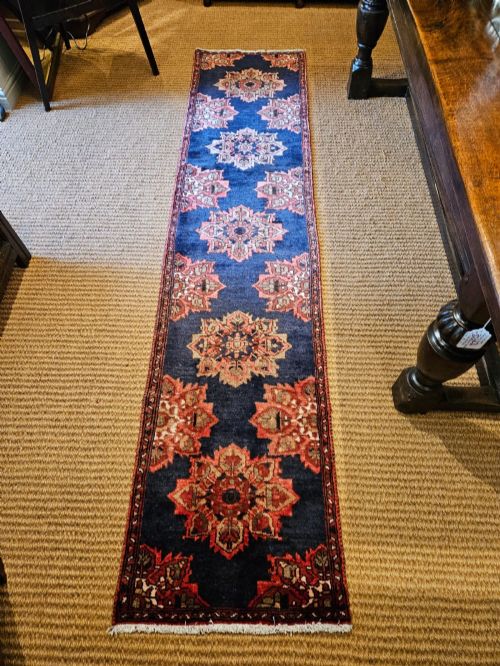
- A long, narrow carpet format designed for hallways or corridors. These pieces guide movement through domestic spaces.
- Kilim
- A flat-weave carpet produced without a raised pile. These items offer geometric patterns created by interweaving warp and weft threads.
Medallion Pattern Oriental Rug: Frequently Asked Questions
Where should I place a runner rug?
Runner rugs suit narrow spaces like hallways, corridors, and galley kitchens. They protect high-traffic flooring while adding visual warmth and colour to transitional areas.
Ensure you measure the available floor space carefully, leaving a uniform border of exposed flooring around the perimeter of the rug.
How do I clean an antique wool rug?
Vacuum gently without using a rotating beater brush to protect the delicate pile and fringe. Professional specialist cleaning is recommended for deep washing to preserve the historical wool fibres.
Avoid using harsh household detergents or soaking the foundation, as moisture can weaken cotton warp threads.
What is a central medallion design?
A central medallion is a prominent symmetrical ornament placed directly in the middle of the rug field. It acts as the primary visual anchor for the surrounding border and field patterns.
Weavers derived these motifs from architectural domes, floral arrangements, and ancient manuscript designs depending on the region of origin.
How do I identify regional rug styles?
Regional styles reveal themselves through specific colour palettes, motif geometry, and weaving structures. For instance, Heriz carpets often feature bold geometric medallions, while Kazak pieces display striking tribal primary colours.
Comparing border patterns and knotting density helps attribute a textile to specific production areas like Caucasus, Persia, or Anatolia.