



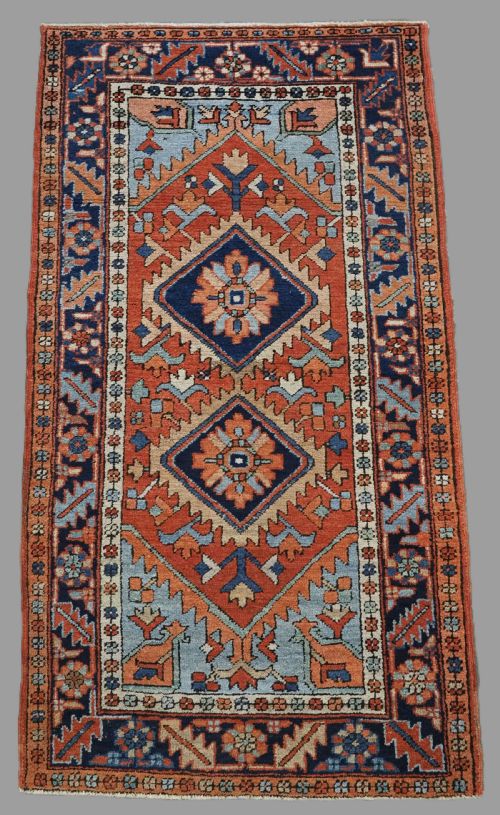


Traditional Runner Mat
A traditional runner mat brings warmth and deep pattern to a hallway, drawing upon centuries of weaving heritage from Persian, Caucasian, and Anatolian traditions.
Traditional Runner Mat
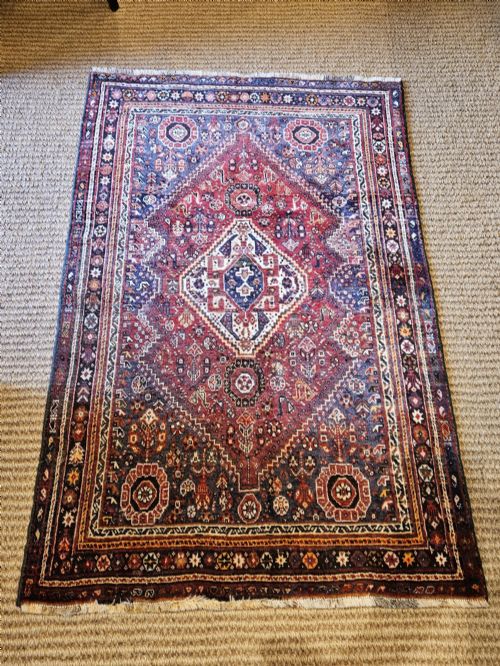
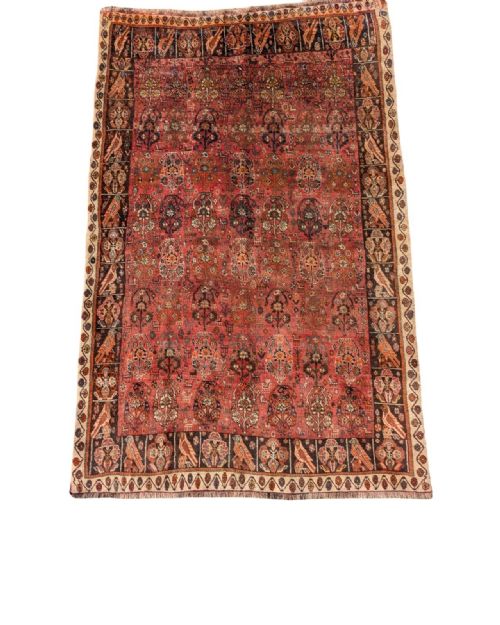
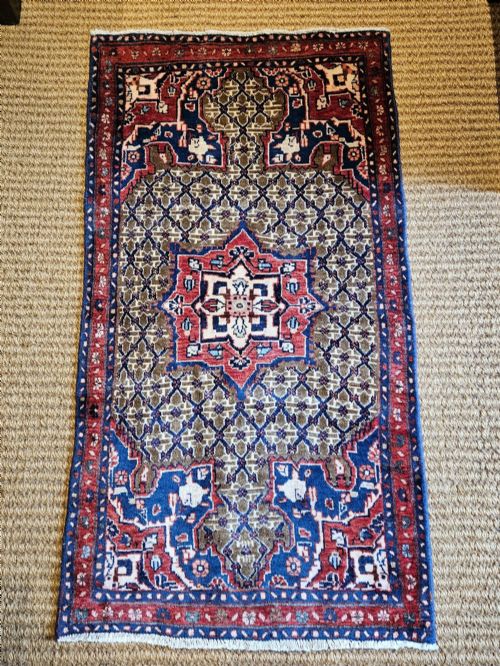
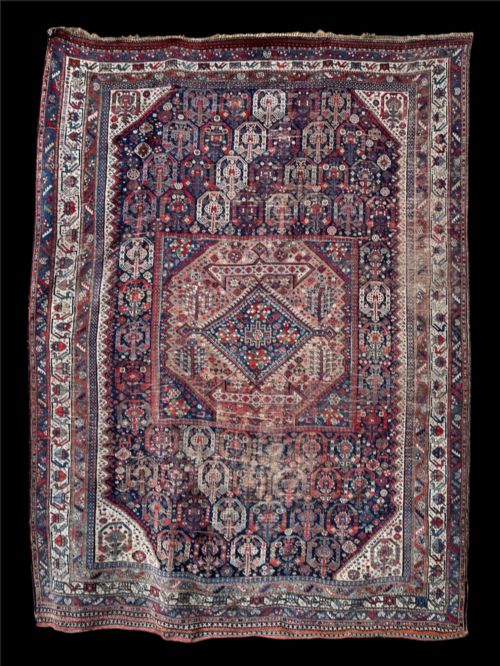
A traditional runner mat is typically encountered as a long, narrow carpet designed for corridors, or as smaller village and prayer rugs originating from Persian, Caucasian, and Anatolian workshops.
The inventory spans from the nineteenth century into the early twentieth century, showing distinct tribal and village formats such as the Baluch, Heriz, and Kazak styles.
Buyers select these textiles to ground narrow spaces with geometric medallions, mihrab arches, and intricate repeating motifs woven by nomadic and settled communities.
Assessing the Weave
Quality rests in the precision of the knotting and the crispness of the geometric or floral motifs, where tighter structures yield sharper pattern definition.
The choice of dyes dictates visual harmony, distinguishing pieces with saturated natural colours from those with harsher chemical tones.
The integrity of the wool and the survival of the original borders and selvedges mark the difference between standard village output and superior collector examples.
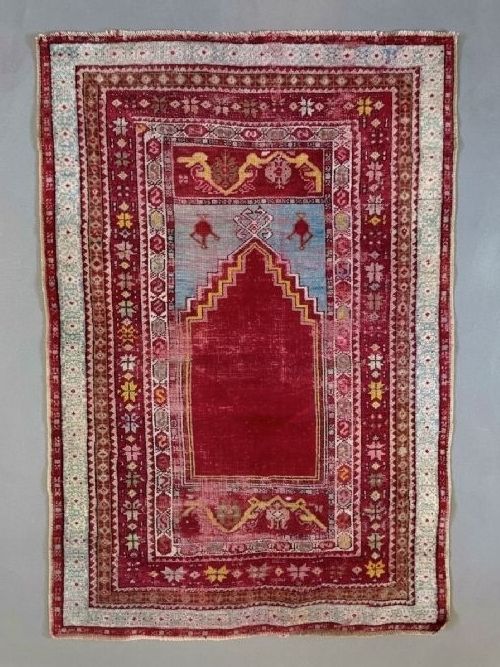
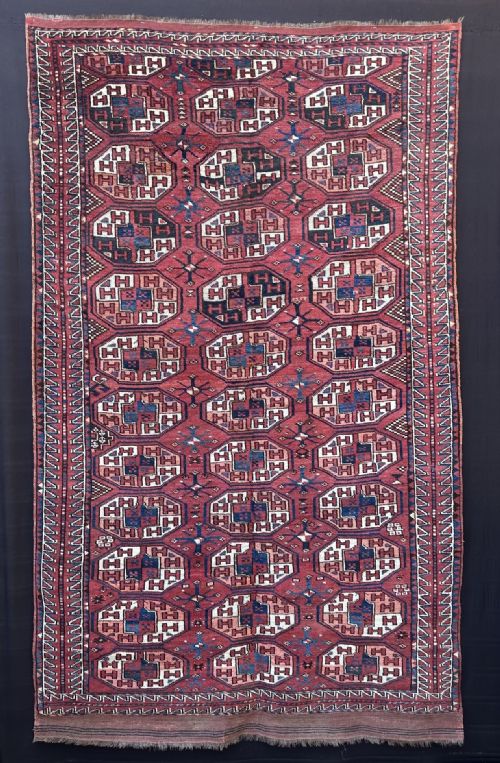
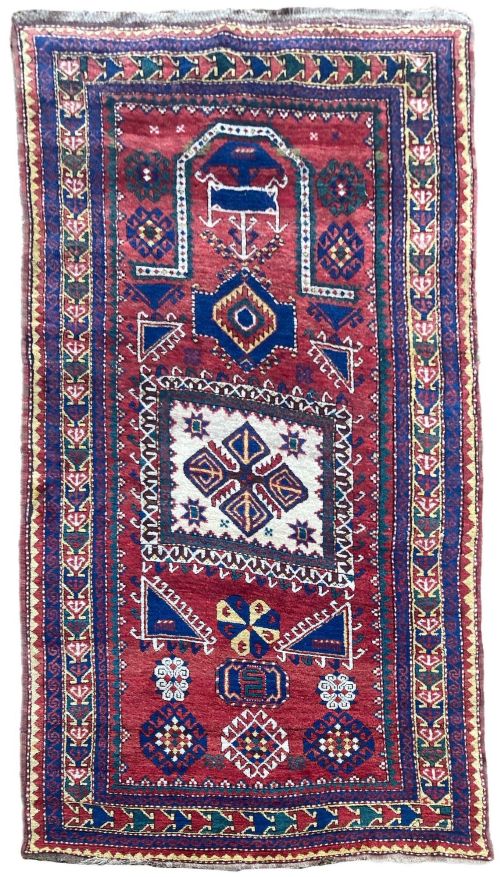
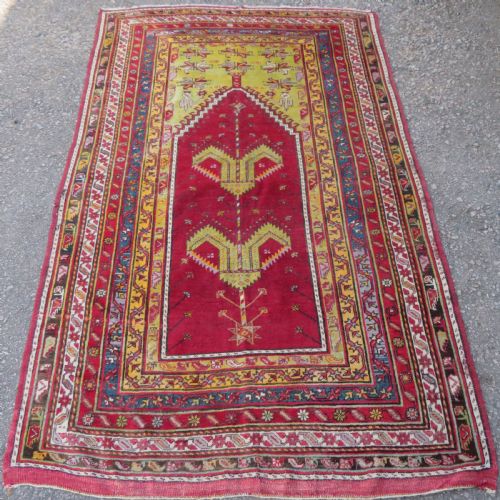
Kizyl Ayak Tribe·Fachralo Kazak·Kirsehir·Kashgai
The Traditional Runner Mat Glossary
- Mihrab
- A niche design found in prayer rugs, often architectural in form, indicating the direction of prayer. It guides the eye toward the centre of the composition.
- Gul
- A medallion or repeating octagonal motif used extensively in Turkmen and tribal carpets. Each clan often utilised distinct variations.
- Selvedge
- The finished side edges of a rug that prevent the weave from unravelling. Original bindings indicate a well-preserved piece.
- Pile
- The upright yarn loops that form the surface of the carpet. The height and density of this layer affect how the rug feels underfoot.
Traditional Runner Mat: Frequently Asked Questions
How do I clean a wool runner mat?
Vacuum gently without a rotating brush roll to protect the pile and hand-spun wool fibres from unnecessary friction and wear.
For deeper maintenance, consult a specialist in antique textile conservation rather than attempting domestic chemical washing.
Where should I place a hallway runner?
These long formats suit corridors, entryways, and narrow gallery spaces where linear patterns lengthen the visual perspective of the room.
Ensure you use a breathable underlay to keep the rug secure and prevent slipping on hard wooden or tiled floors.
How can I tell a village rug from a tribal piece?
Tribal rugs typically feature geometric memory-patterns woven by nomadic groups using portable looms, resulting in slight asymmetries.
Village pieces often display more structured regional designs produced within settled communities by generations of local weavers.
What indicates nineteenth-century origin?
Early pieces often display subtle variations in natural dye batches, known as abrash, which create gentle horizontal bands of colour shading.
Hand-spun wool combined with organic colour palettes and native tribal knotting structures further points to nineteenth-century production.