


Turkmen Tent Bag
A turkmen tent bag brings nomadic Central Asian heritage into a modern interior, offering rich tribal patterns woven by pastoral weavers.
Turkmen Tent Bag
A turkmen tent bag represents the practical weaving traditions of nomadic groups inhabiting the Central Asian steppes and oases during the nineteenth century. These woven containers served functional roles within portable dwellings, holding household goods or tent poles.
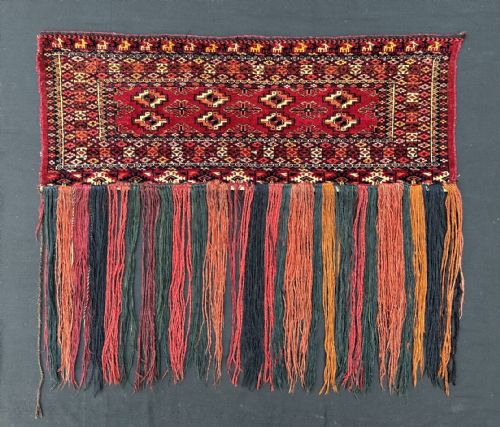
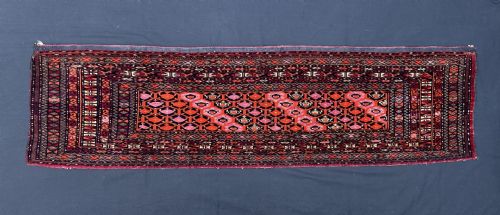
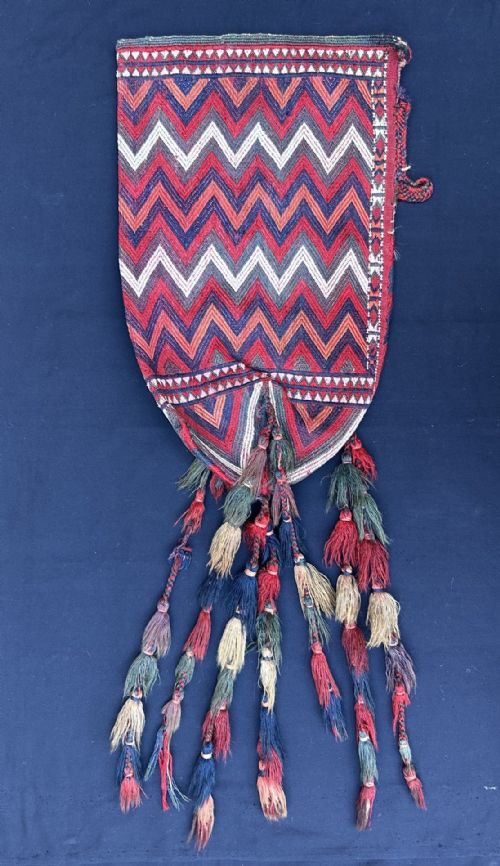
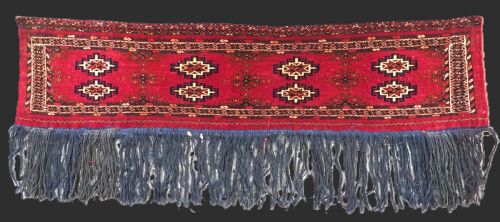
The pieces appearing here include specific tribal forms such as torba, jollar, chuval, and uk bash. Yomut, Sariq, Tekke, and Ersari tribes produced these distinct formats using traditional designs handed down through generations.
Tribal textiles and rugs from this tradition display specific regional patterns like the kepse gul or ikat designs. Buyers frequently encounter formats complete with their original backs or presented as bag faces ready for display.
Materials and construction
Weavers utilised hand-spun wool as the primary material for these nomadic textiles, ensuring durability for daily use in harsh environments. Natural dyes provided the characteristic rich palettes seen across the surviving examples.
The construction relied on meticulous hand-knotting and weaving techniques executed by tribal artisans. Dense pile surfaces were paired with sturdy flatwoven backs to protect stored belongings from damp ground and wear.
Turkmen Tent Bag Retail Price Guide 2026
Typical asking prices for turkmen tent bag among the pieces listed under this phrase on Sellingantiques today, from the lower quarter to the upper quarter. They describe what is for sale here now, not the wider market.
Materials documented across the inventory consist entirely of wool and natural dyes.
Assessing quality
The refinement of the wool preparation and the precision of the knotting dictate the visual sharpness of the tribal motifs. Superior examples maintain crisp geometric definition and tight structural integrity across the field.
Completeness alters the character of a piece, with surviving original wool backs and intact fringes holding distinct historical value. The depth and brilliance of the natural dye palette also separate standard examples from finer tribal weaving.
Yomut Tribes·Sariq Tribe·Tekke Turkmen·Ersary Tribes
The Turkmen Tent Bag Glossary
- Torba
- A small utility bag woven by Turkmen tribes for domestic storage inside the tent. These smaller formats often featured elaborate primary guls.
- Chuval
- A large storage bag used for holding household goods and bedding within nomadic dwellings. They showcase expansive field designs.
- Uk Bash
- A specialised tent-pole bag designed to house the wooden struts supporting the yurt roof. Their elongated proportions accommodate these specific architectural elements.
- Gul
- A medallion motif repeated across Turkmen carpets and bags to identify specific tribal lineages. Each group maintained distinct structural variations of these emblems.
- Jollar
- A small bag face or storage piece placed near the entrance of a tent. They frequently display high levels of weaving detail.
Turkmen Tent Bag: Frequently Asked Questions
How were these bags used?
These textiles served practical storage functions within nomadic tents, holding bedding, clothing, and domestic utensils. Specialised shapes accommodated specific items such as tent poles.
Families also displayed them on interior lattice walls to demonstrate tribal identity and weaving skill.
How do I hang a bag face?
Bag faces make striking wall art due to their intricate geometric patterns and rich wool textures. Mounting requires a non-damaging sleeve or conservation-grade display system that supports the textile evenly.
Placement should avoid direct sunlight to protect the natural dyes from fading over time.
How do I identify different tribes?
Tribal attribution relies on specific design elements, colour palettes, and structural formats unique to each group. Yomut, Ersari, and Tekke weavers employed distinct variations of guls and border motifs.
Comparing the wool quality and dye shades helps pinpoint the likely regional origin within Central Asia.