

Turkmen Gul Carpet
A turkmen gul carpet brings centuries of tribal artistry and rich geometric symbolism directly into your living space.
Turkmen Gul Carpet
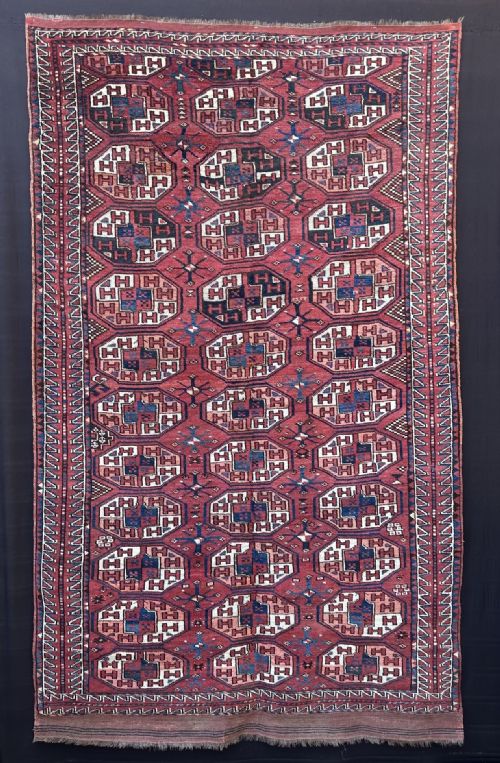
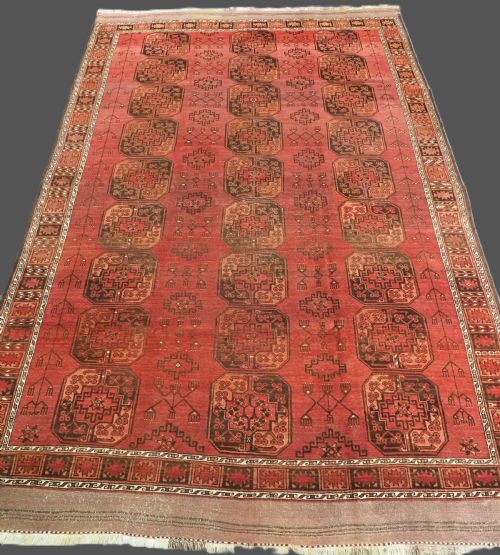
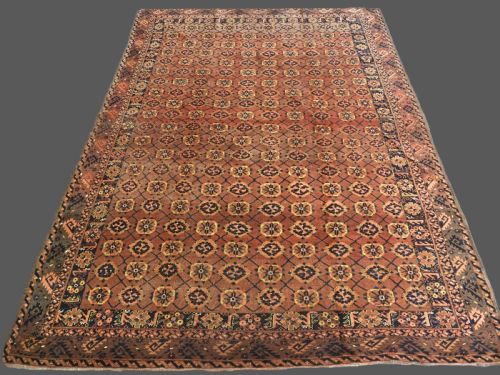
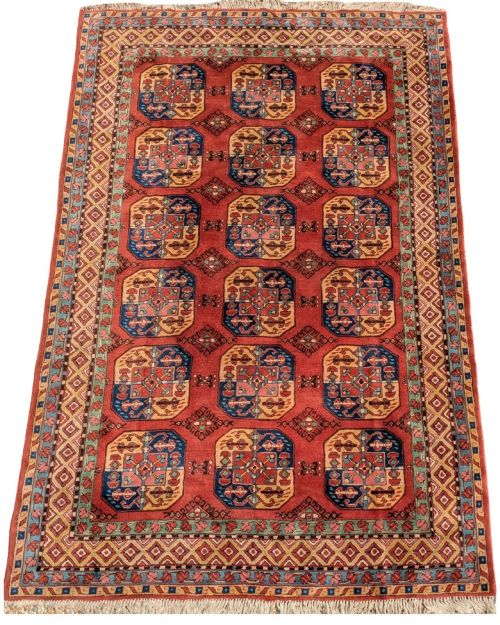
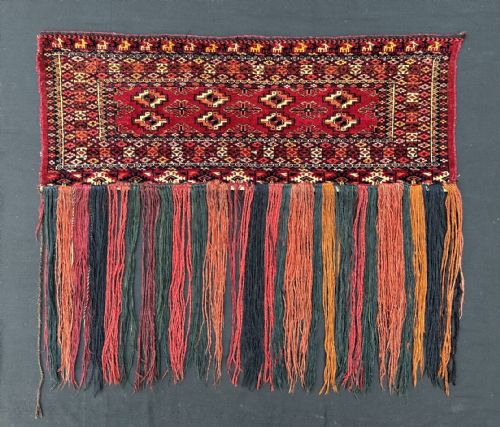
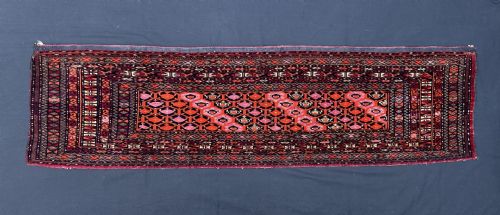
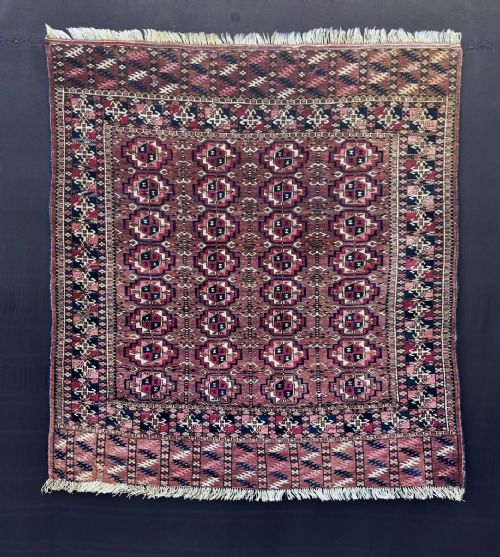
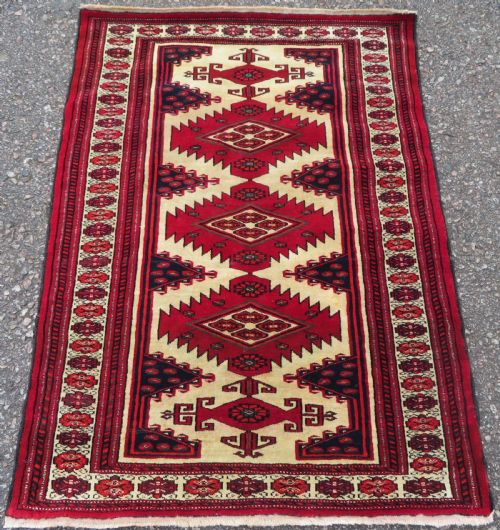
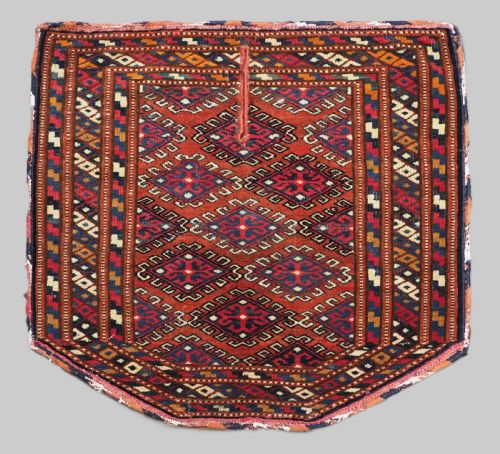
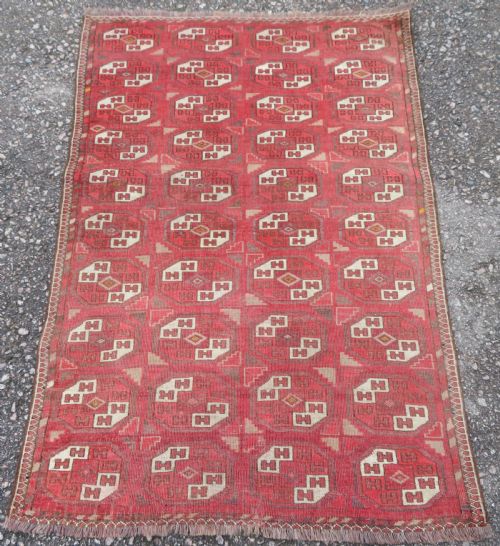
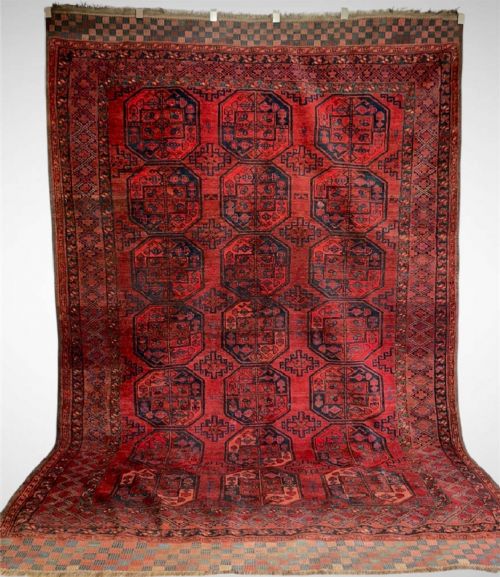
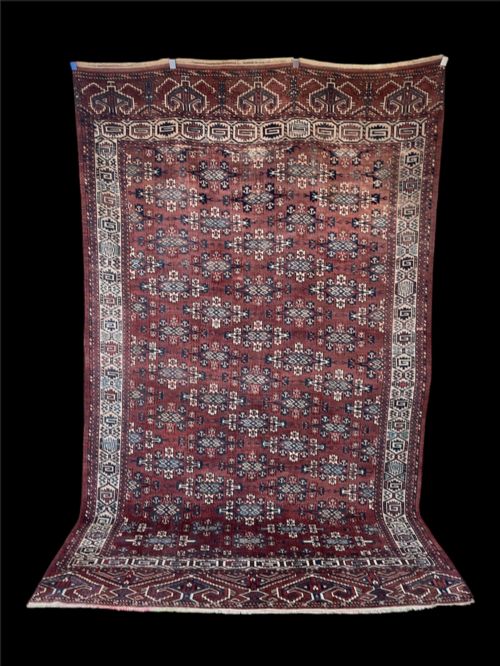
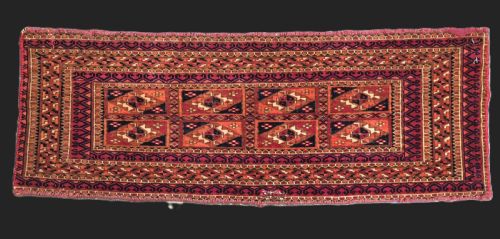
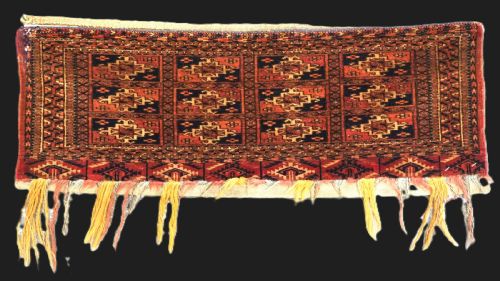
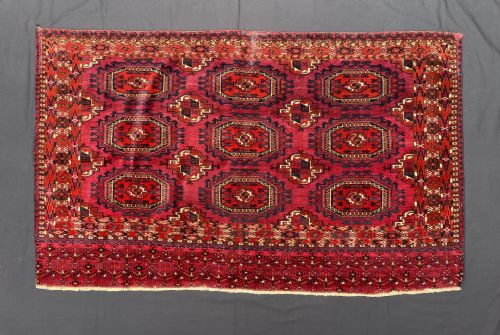
A turkmen gul carpet represents the traditional weaving heritage of Central Asian nomadic tribes, defined by their repeated medallion motifs known as guls. When exploring this selection, buyers frequently encounter room-sized main carpets, smaller wedding rugs, and functional tent bags produced across the nineteenth and early twentieth centuries. These textiles originate from specific tribal groups including the Tekke, Ersari, Yomut, Sariq, and Kizyl Ayak.
The format varies from large floor coverings designed for country houses down to smaller portable bags like torbas, chuvals, and kapunuks. Tribal weavers produced these items for domestic utility, dowries, and ceremonial tent furnishings rather than commercial export. Consequently, survival rates for pieces retaining their original structural integrity remain remarkably low.
Most examples found in current collections date from the Victorian era up to the interwar period, spanning roughly from 1850 to 1930. The repeating gul pattern serves as a tribal emblem, identifying the specific clan or lineage responsible for the knotting. Collectors search for these rugs to secure genuine pieces of nomadic material culture with distinctive red and deep madder palettes.
How They Were Made
Weavers constructed these textiles primarily using hand-spun wool for the pile, foundations, and structural warps. Artisans also integrated cotton for structural stability and occasionally incorporated silk highlights into special dowry pieces to create tonal contrast. Secondary fibres such as goat hair and horsehair appear occasionally in selvedges and bindings for added durability.
Coloration relied upon natural dyes derived from local plants and minerals, yielding deep reds, madder tones, browns, and ivories that mellow gracefully over decades. The wool was hand-carded and spun before being knotted onto wool or cotton warp threads by individual weavers working in tribal camps and oases.
The density of the weave varies according to the specific tribal origin, with fine Tekke pieces often displaying meticulous knot counts compared to the broader, coarser structures of some Ersari main carpets. Nomadic women utilised upright or horizontal ground looms set up within temporary encampments to execute these complex geometric compositions.
Turkmen Gul Carpet Retail Price Guide 2026
Typical asking prices for turkmen gul carpet among the pieces listed under this phrase on Sellingantiques today, from the lower quarter to the upper quarter. They describe what is for sale here now, not the wider market.
Nomadic weavers frequently tucked stray goat hairs into the selvedges, leaving a subtle hairy signature from the camp livestock.
What Varies In Quality
The primary distinction in quality lies in the precision and complexity of the drawing within the primary gul motifs. Master weavers achieved crisper lines and more intricate turreted or octagonal forms, whereas lesser examples show compressed or muddied geometry.
Material selection further separates standard production from exceptional pieces. The incorporation of lustrous wool, stable natural dyes, and supplementary silk highlights elevates the visual depth and tactile richness of the textile.
Structural preservation and completeness dictate desirability at the highest level. Pieces retaining original side cordings, complete borders, and intact plain-weave backs command greater interest than heavily reduced or structurally altered fragments.
The Turkmen Gul Carpet Glossary
- Gul
- A repeating medallion motif that serves as a tribal coat of arms. Each distinct clan utilised its own specific gul geometry.
- Torba
- A small wall-hanging bag or storage sack produced by nomadic tribes for domestic use inside the yurt. These frequently feature detailed border work and multiple primary guls.
- Chuval
- A large tent bag utilised for bedding and household storage. They typically display multiple rows of guls across the face.
- Main carpet
- A large-format floor rug woven for central domestic use within the tribal tent or house. These represent the primary artistic output of Central Asian weavers.
- Warp
- The vertical foundation threads stretched tightly on the loom before knotting begins. The fringe of the rug forms from the ends of these structural threads.
- Dyrnak gul
- A specific hooked, diamond-shaped medallion pattern associated traditionally with Yomut weavers. It creates an interlocking visual rhythm across the field.
Turkmen Gul Carpet: Frequently Asked Questions
How do I identify different Turkmen tribes?
Tribal attribution relies primarily on the specific geometry of the gul, the structure of the border designs, and the predominant palette. Tekke rugs often feature tight, round guls in deep madder tones, while Ersari pieces generally display larger, more expansive motifs.
Yomut carpets commonly utilise hooked diamond motifs like the dyrnak or kepse gul. Examining the structural weave and fringe construction provides additional clues to confirm the origin.
What is the difference between a torba and a chuval?
A torba is a smaller storage bag traditionally used for domestic items inside the tent, while a chuval is significantly larger and designed for bedding and bulky possessions.
Torbas often appear as flat faces suitable for hanging, whereas chuvals possess greater width and depth to accommodate heavy household loads.
How should I care for an antique tribal rug?
Protect antique textiles by placing them in low-traffic areas out of direct sunlight to prevent dye fading. Vacuum gently with a suction-only attachment without using a rotating beater bar.
Professional cleaning by a specialist in antique oriental textiles is essential when washing is required. Avoid chemical spot treatments entirely.
Why do these carpets use so much red?
Red was the dominant colour in Central Asian nomadic textiles because madder root grew abundantly across the region and yielded exceptionally stable, rich dyes. Master dyers manipulated the mordants to produce various shades ranging from deep crimson to rust and brown.
This red palette held cultural and protective significance for the tribes who lived and travelled across the steppes.