




Turkish Tribal Rug
When you search for a turkish tribal rug, you are looking at hand-woven textiles from Anatolia that bring historic village patterns and rich textures into modern rooms.
Turkish Tribal Rug
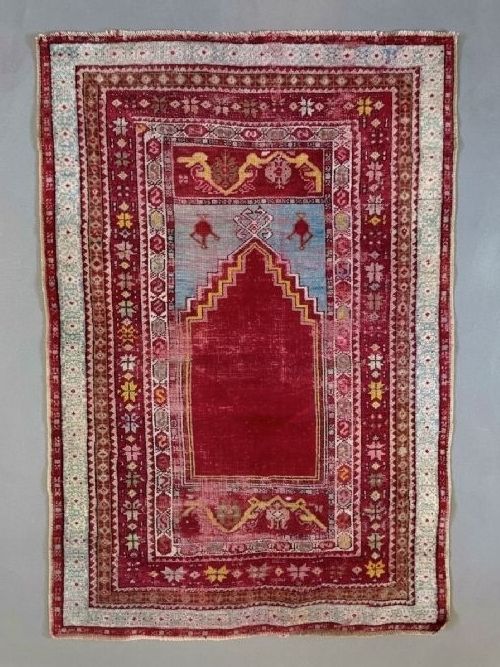
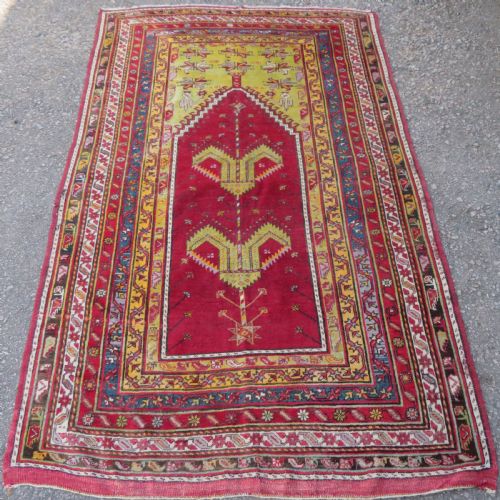
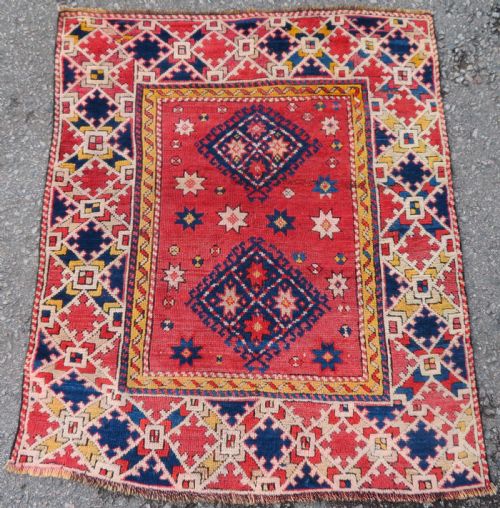
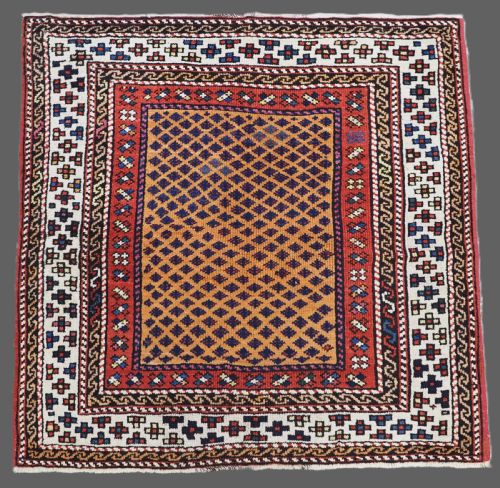
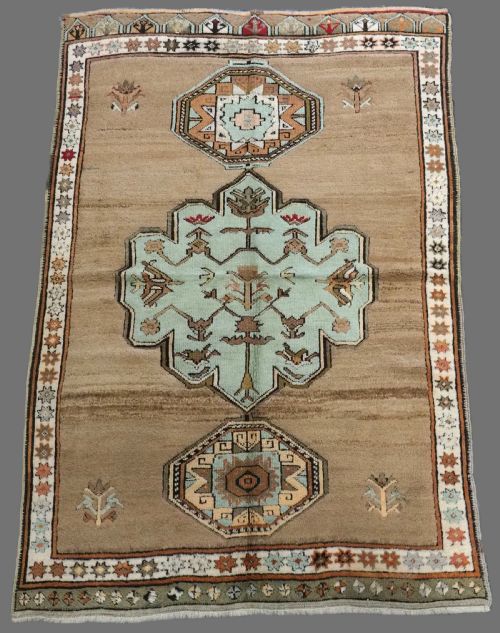
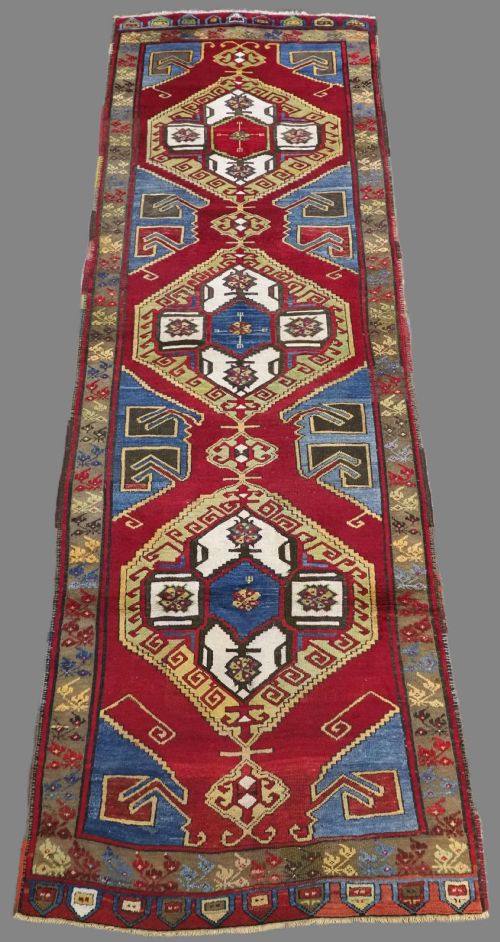
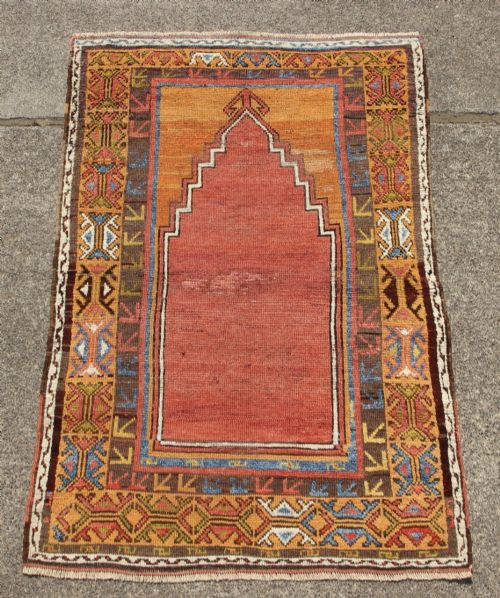
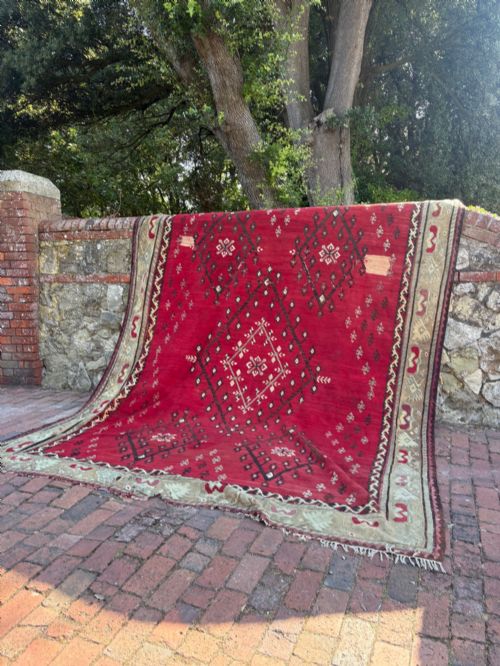
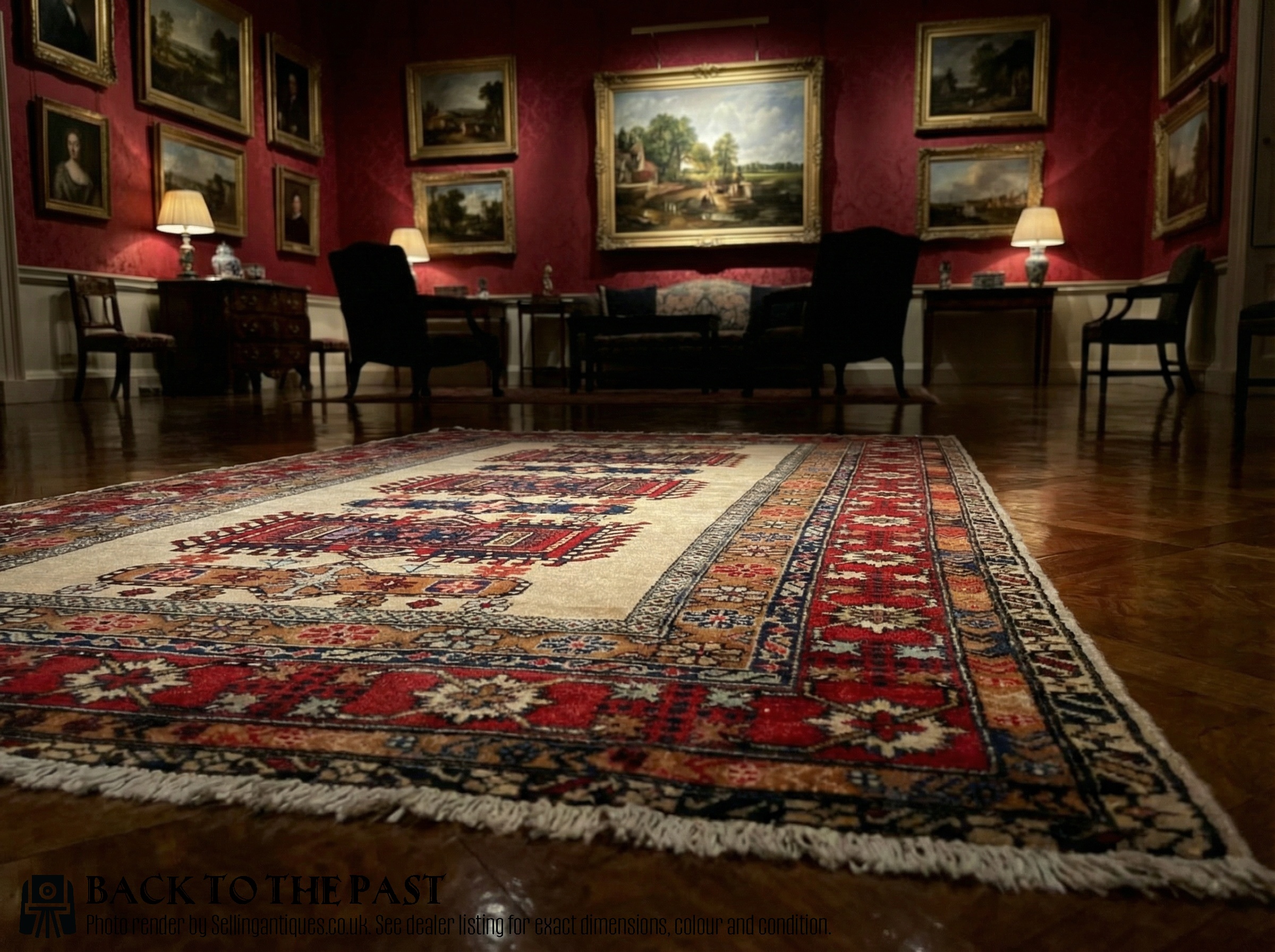
A turkish tribal rug encompasses a diverse range of village and nomadic weaves originating from various regions of Anatolia, spanning from the eighteenth century through to the early decades of the twentieth century. These textiles include full-pile floor coverings, flatwoven kilims, narrow runners, small square mats, and prayer rugs designed with traditional mihrab motifs.
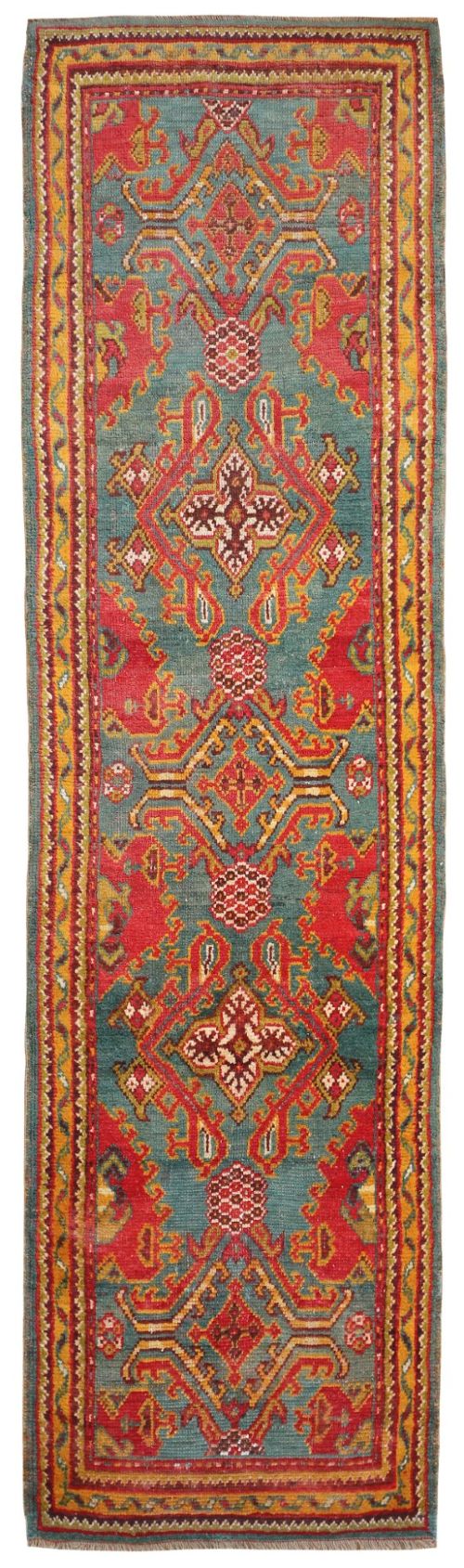
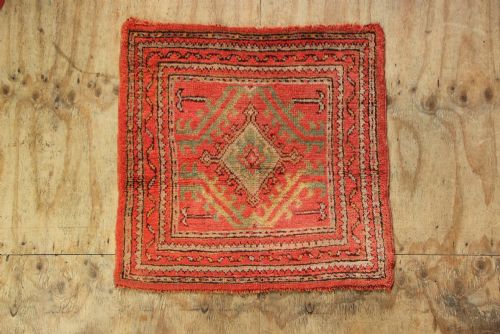
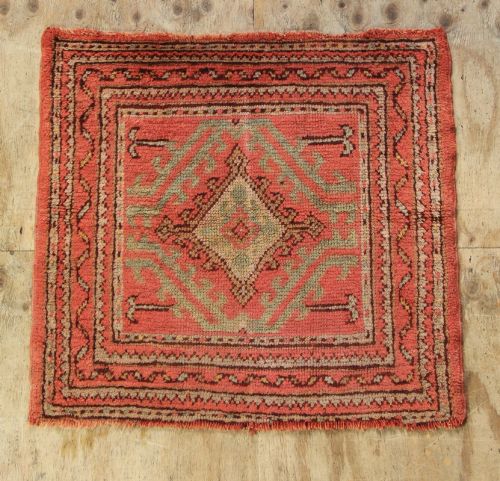
The selection on this page runs from room-sized carpets and long runners down to smaller scatter rugs, cushions, and yastics created for daily domestic use. Buyers will frequently encounter specific regional types such as Bergama, Konya, Ushak, Kirsehir, and Milas pieces, each carrying distinct local patterns and palettes.
Many examples show the functional adaptations of nomadic life, including bag faces repurposed as cushions and flatweave half-kilim runners. These pieces reflect the traditional weaving heritage of Anatolian village communities, produced using established regional designs handed down through generations.
How they were made
The primary materials recorded in these rugs are wool, cotton, and hand-spun wool, occasionally incorporating camel wool within the field to provide a natural, un-dyed variation in tone and texture. Weavers utilised sturdy foundational warps and wefts, often pairing wool with cotton depending on the specific regional workshop or village tradition.
Construction techniques divide broadly between knotted pile carpets and flatwoven kilims or strips, where pattern is created by interweaving warp and weft threads without a pile surface. Hand-spun wool yarns absorb natural dyes unevenly, giving these textiles a subtle depth of colour that develops character over decades of use.
Current listings feature pieces dated from the eighteenth century through to the 1930s, utilising wool, cotton, hand-spun wool, and camel wool.
What varies in quality
Quality in these textiles rests upon the integrity of the weave, the handling of the wool, and the clarity of the regional design. Finer knot densities and carefully prepared hand-spun wool yield a supple handle and a resilient structure that withstands heavy foot traffic.
The vibrancy and retention of the dyes also separate standard examples from finer ones, as well as the balance and proportion of the traditional geometric or floral motifs across the field and borders. Preservation of the original edge bindings and selvedges indicates a higher standard of original craftsmanship and subsequent care.
The Turkish Tribal Rug Glossary
- Kilim
- A flatwoven carpet or rug produced without a pile, created by tightly interweaving warp and weft threads to form geometric patterns. These are lighter than knotted pile rugs and were traditionally used for floor coverings, wall hangings, and storage covers.
- Prayer rug
- A small rug featuring a distinctive pointed arch or mihrab design at one end, indicating the direction of prayer. These were frequently woven in regional centres such as Konya, Kirsehir, and Ladik.
- Yastic
- A small, traditional Turkish cushion cover or small rug, often rectangular, used on low divans in nomadic and village homes. They share the pile and design characteristics of larger regional carpets.
- Mihrab
- The arched niche design found predominantly on prayer rugs, symbolising the direction towards Mecca. Its specific shape and decoration often help identify the Anatolian region where the rug was made.
- Camel wool
- Un-dyed fleece taken from camels, utilised in the field of certain regional rugs to provide a soft, warm brown tone. This natural material was prized for its durability and resistance to wear.
Turkish Tribal Rug: Frequently Asked Questions
Where were these rugs made?
These textiles originate from various regions across Anatolia, including towns and nomadic camps such as Bergama, Konya, Ushak, and Kirsehir. Each area developed distinct weaving traditions, colour palettes, and geometric or floral vocabulary.
Local village weavers produced these pieces for domestic use, trade, or ceremonial purposes, resulting in wide regional variation within the broader tradition.
How do I care for an antique rug?
Regular, gentle vacuuming without a rotating brush helps remove embedded dust and grit that can damage wool fibres over time. Professional cleaning tailored to antique textiles should be used periodically.
Keeping the rug out of direct, harsh sunlight prevents the natural dyes from fading prematurely and preserves the contrast of the design.
Can I use runners in hallways?
Narrow runners and long formats are well suited for hallways, corridors, and narrow passageways where linear floor coverings add warmth and texture. Placing a suitable rug underlay beneath the textile prevents slipping and reduces friction against the floorboards.
Choosing a piece with sturdy wool construction ensures the runner handles frequent foot traffic effectively.
What is a flatweave?
A flatweave is constructed without knotted pile, relying instead on the interlacing of warp and weft threads to form the pattern. This technique produces a lighter, thinner textile that lies flat on the floor.
Flatweaves include kilims and half-kilim runners, often characterised by sharp geometric motifs and reversible designs.