


Vintage Anatolian Mat
A vintage anatolian mat brings the rich woven heritage of Turkish weaving traditions directly onto your floor or wall.
Vintage Anatolian Mat
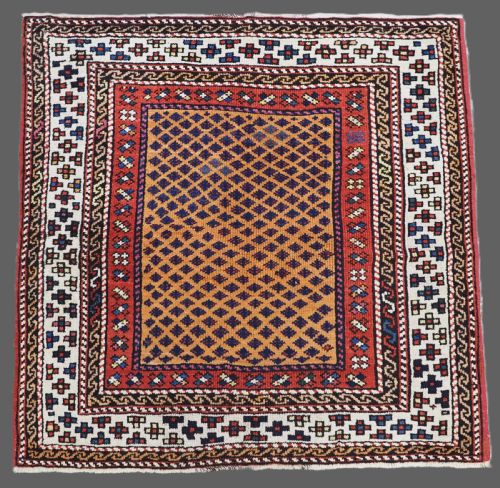
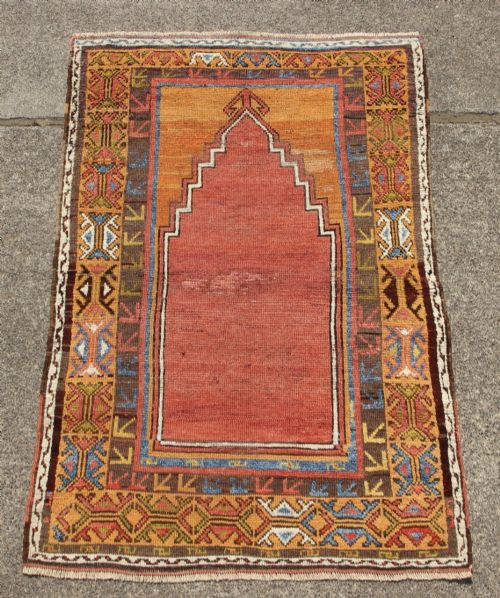
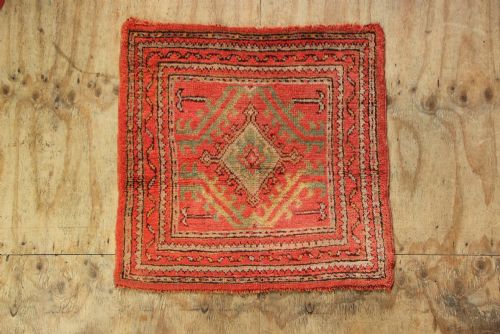
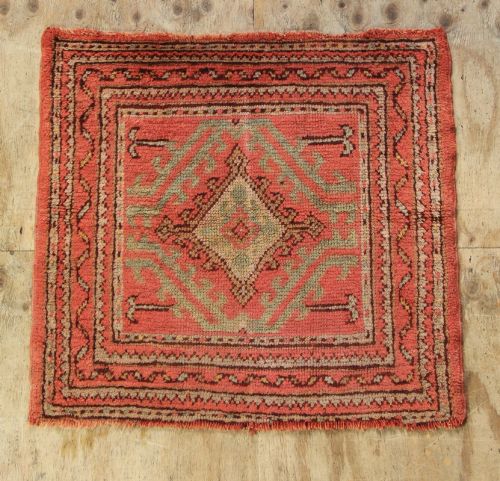
A vintage anatolian mat is a portable piece of textile history originating from various regions across Turkey, spanning centuries of weaving tradition. When exploring this phrase, buyers encounter smaller format floor coverings, often square or compact rectangular shapes designed for specific domestic uses.
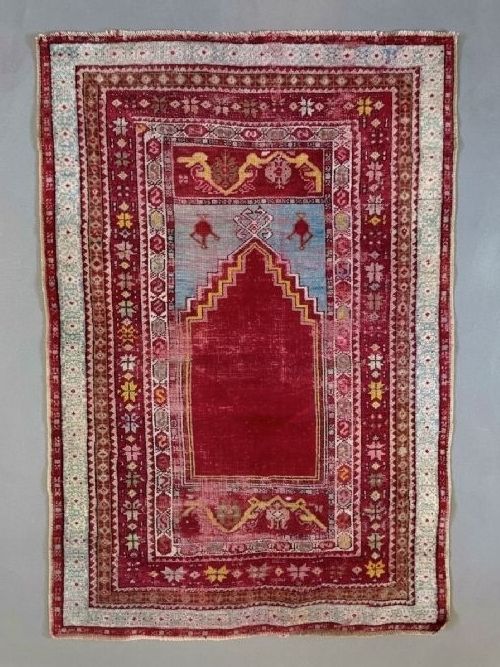
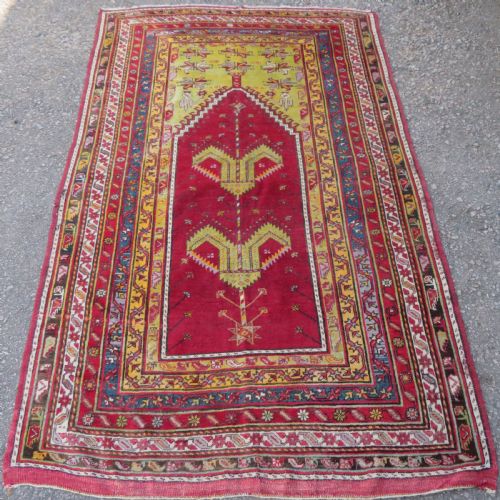
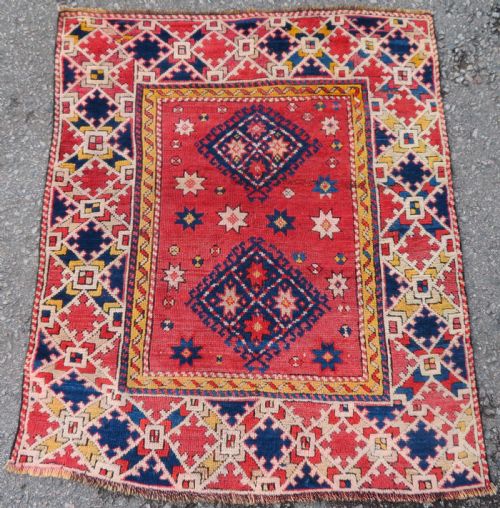
Many examples function primarily as prayer rugs featuring distinct mihrab arches, whilst others display village or tribal geometric motifs. The selection encompasses pieces from major weaving centres such as Bergama, Konya, Kirsehir, and Oushak.
Dating ranges from the eighteenth century through the nineteenth and into the early twentieth century. These smaller formats offer accessible entry points into collecting traditional Turkish pile carpets and flatweaves.
Materials and construction methods
Weavers utilised natural sheep wool for both the foundation warps and wefts, as well as the thick pile, occasionally incorporating silk in specific regional workshops. Hand-spun yarn ensures a tactile variation in texture across the surface of each individual textile.
Colours derive from natural plant and mineral dyes, which mellow gracefully over decades of light and use. Dyers achieved deep reds, soft blues, and ivory grounds without the aid of modern synthetics.
Nomadic weavers frequently embedded small protective amulets and tiny accidental asymmetry into their geometric borders to ward off the evil eye.
Distinguishing quality in weaving
Quality rests upon the fineness of the knot density and the precision of the tribal or village design execution. Superior pieces display harmonious natural dye palettes with rich depth and complexity.
The integrity of the original wool pile and the survival of complete outer borders distinguish finer examples from heavily worn specimens.
Kirsehir·Bergama·Oushak·Konya·Ghiordes·Ladik·Milas·Kayseri
The Vintage Anatolian Mat Glossary
- Mihrab
- The arched niche design found predominantly on prayer rugs, symbolising a doorway or directional marker towards Mecca. This architectural motif often dominates the upper portion of the composition.
- Pile
- The upright yarn surface of the rug formed by knotted loops of wool or silk. Pile height varies depending on the specific tribal region and intended domestic function.
- Warp
- The vertical foundation threads stretched tightly on the loom before weaving commences. Wefts are subsequently passed across these structural lines to secure the knots.
- Natural Dyes
- Colourants extracted from plants, roots, insects, and minerals rather than chemical laboratories. These substances produce subtle variations in tone known as abrash.
- Abrash
- A natural variation in shade within a single colour field, caused by changes in dye batches or hand-spun wool lots. Collectors prize this characteristic as a sign of authentic hand production.
Vintage Anatolian Mat: Frequently Asked Questions
What is an anatolian mat?
An anatolian mat is a small hand-knotted textile created by village or nomadic weavers in the historical region of Anatolia, Turkey. These decorative floor coverings combine utilitarian warmth with traditional cultural symbolism.
They range from intimate square formats to narrow prayer formats, each reflecting the distinct aesthetic of its specific district of origin.
How were these rugs used originally?
Nomadic and village households utilised these compact carpets for daily seating, warmth on cold stone floors, and religious observance. Prayer versions provided a clean, portable space for daily devotions.
Smaller formats were also hung on walls or used to cover storage chests within traditional dwellings.
How should I clean my vintage mat?
Gentle surface cleaning and regular low-suction vacuuming without a rotating brush help maintain the wool pile safely. Professional textile conservators should handle deep washing to prevent dye migration.
Keep these natural fibre textiles out of harsh direct sunlight to preserve the organic dyes.
How do I identify a prayer rug?
Prayer rugs feature a prominent pointed arch design at one end, known as a mihrab, which represents the prayer niche in a mosque. The weaver intended for this arch to point toward Mecca during daily worship.
Field patterns within this niche often include stylized floral sprays, lamps, or geometric amulets.