
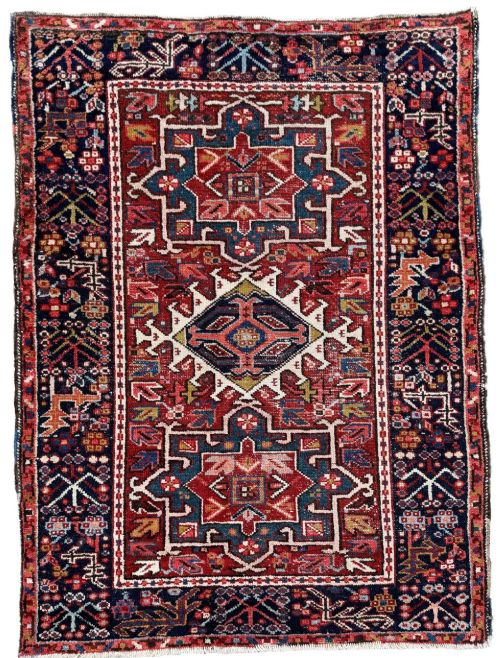
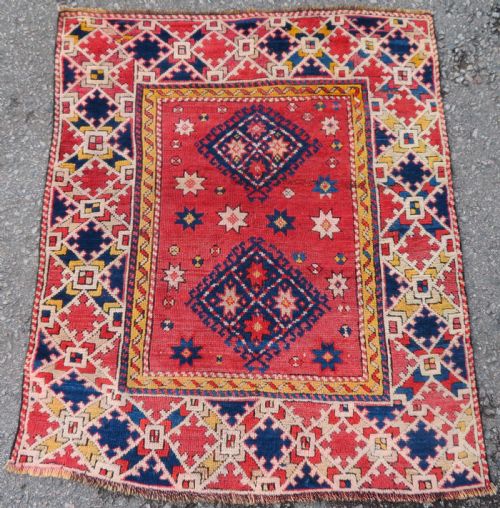
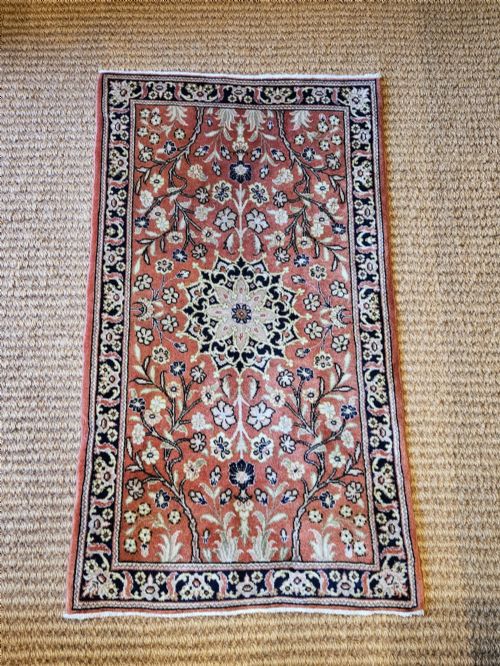
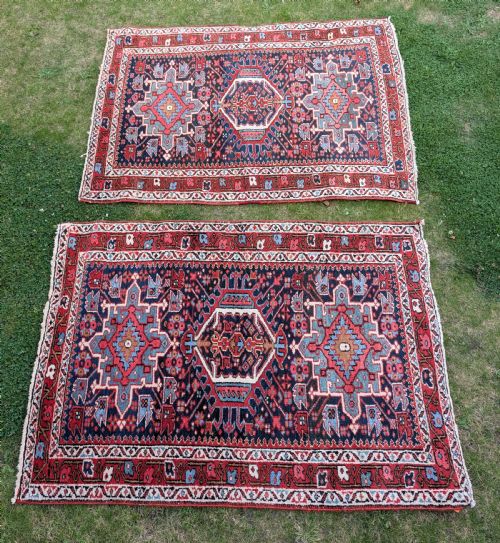
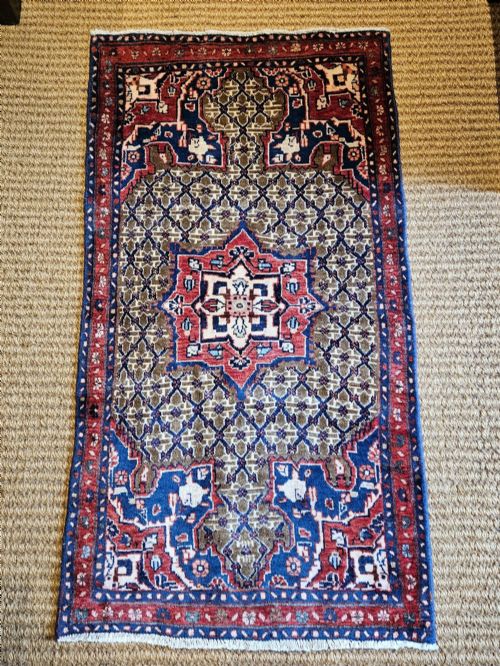
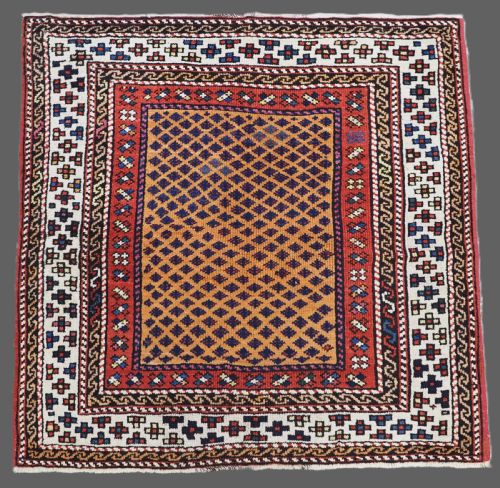
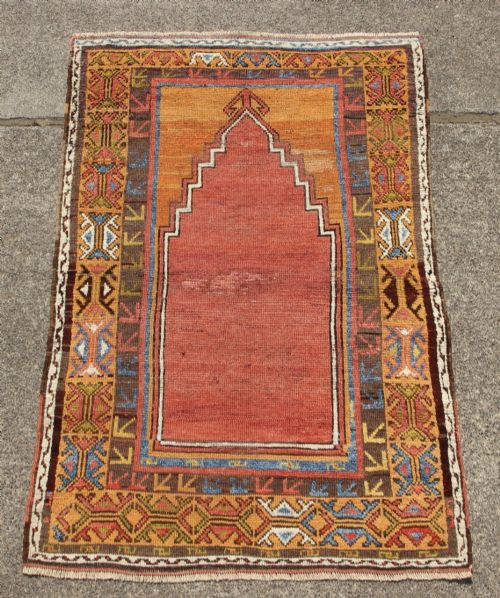

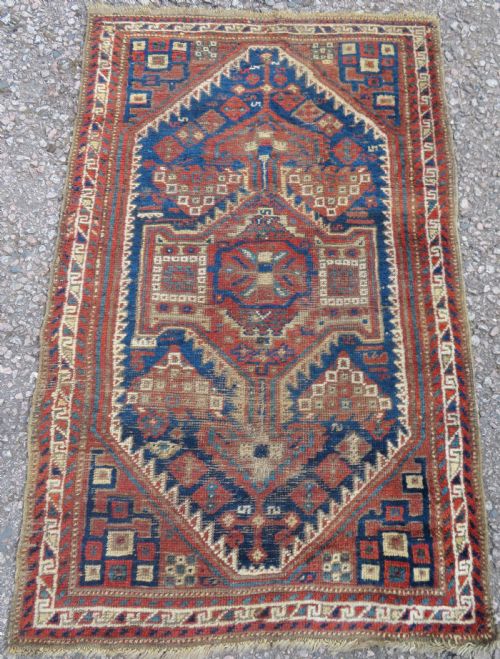
Small Rug Mat
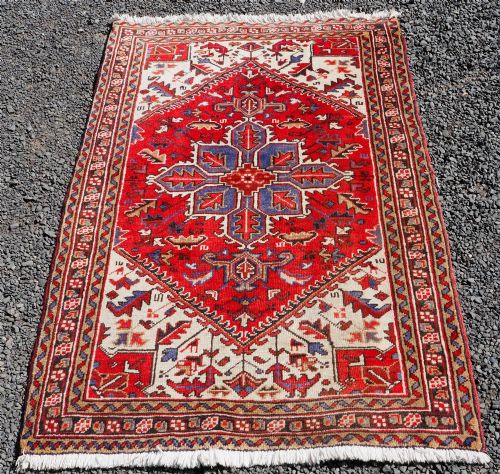
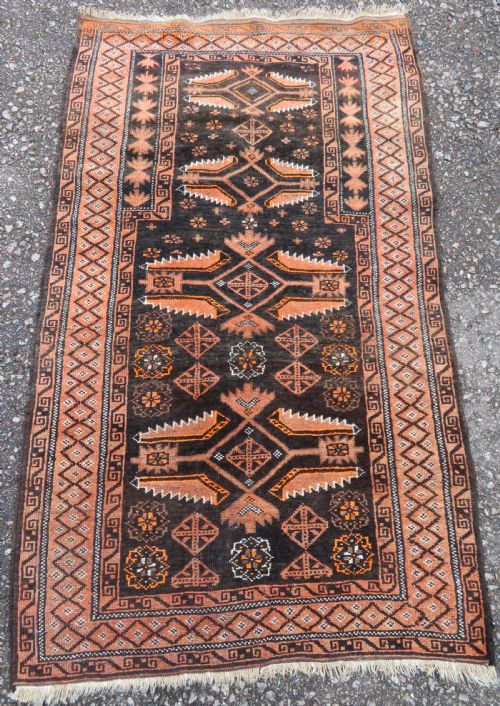
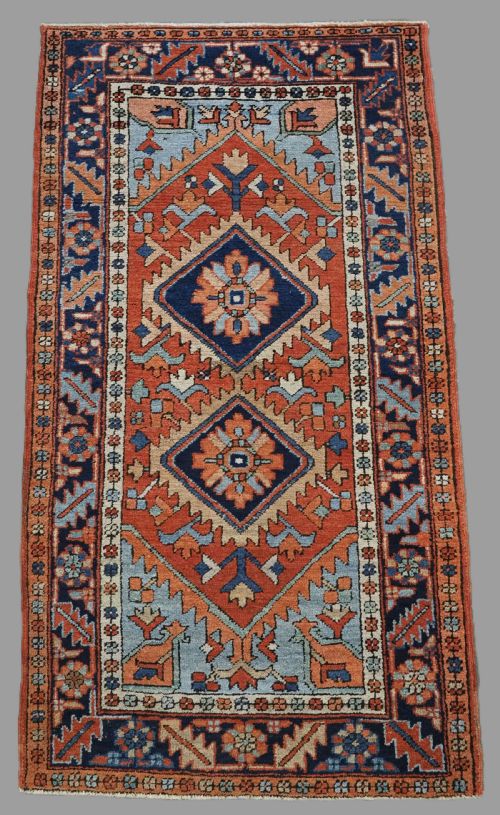
When hunting for a small rug mat, you are examining compact floor coverings and seat mats woven by hand across Persian, Anatolian, and Central Asian regions during the nineteenth and early twentieth centuries.
Small Rug Mat
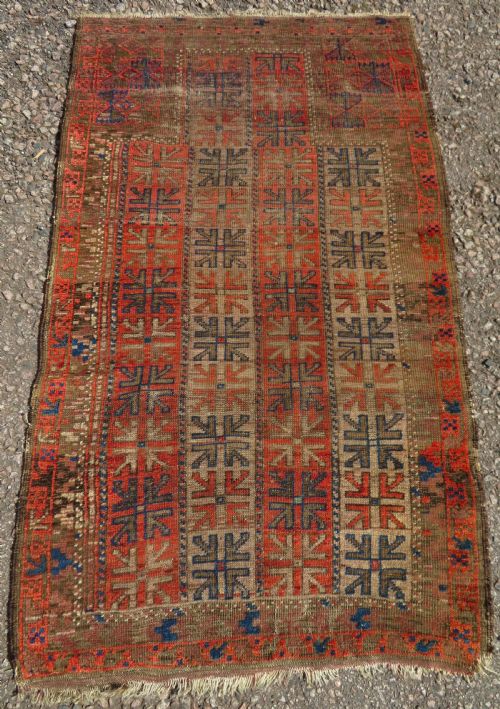
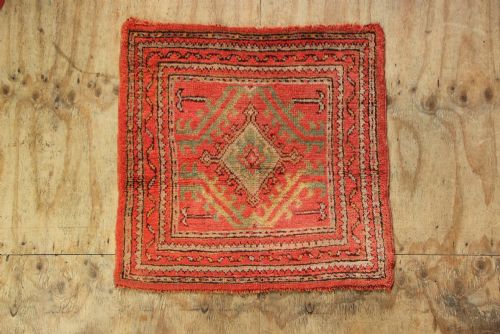
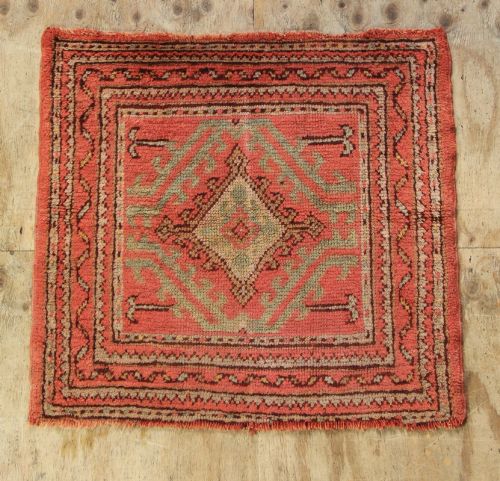
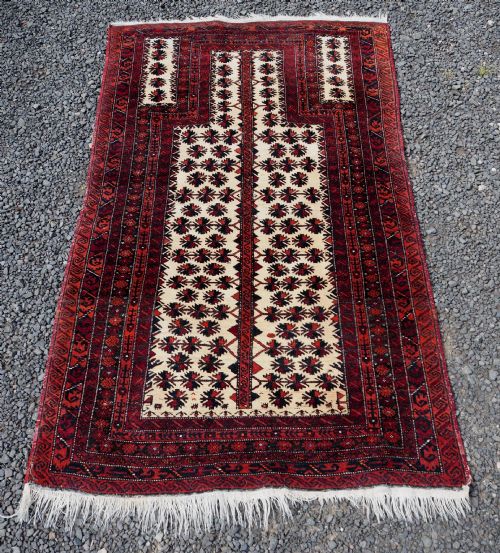
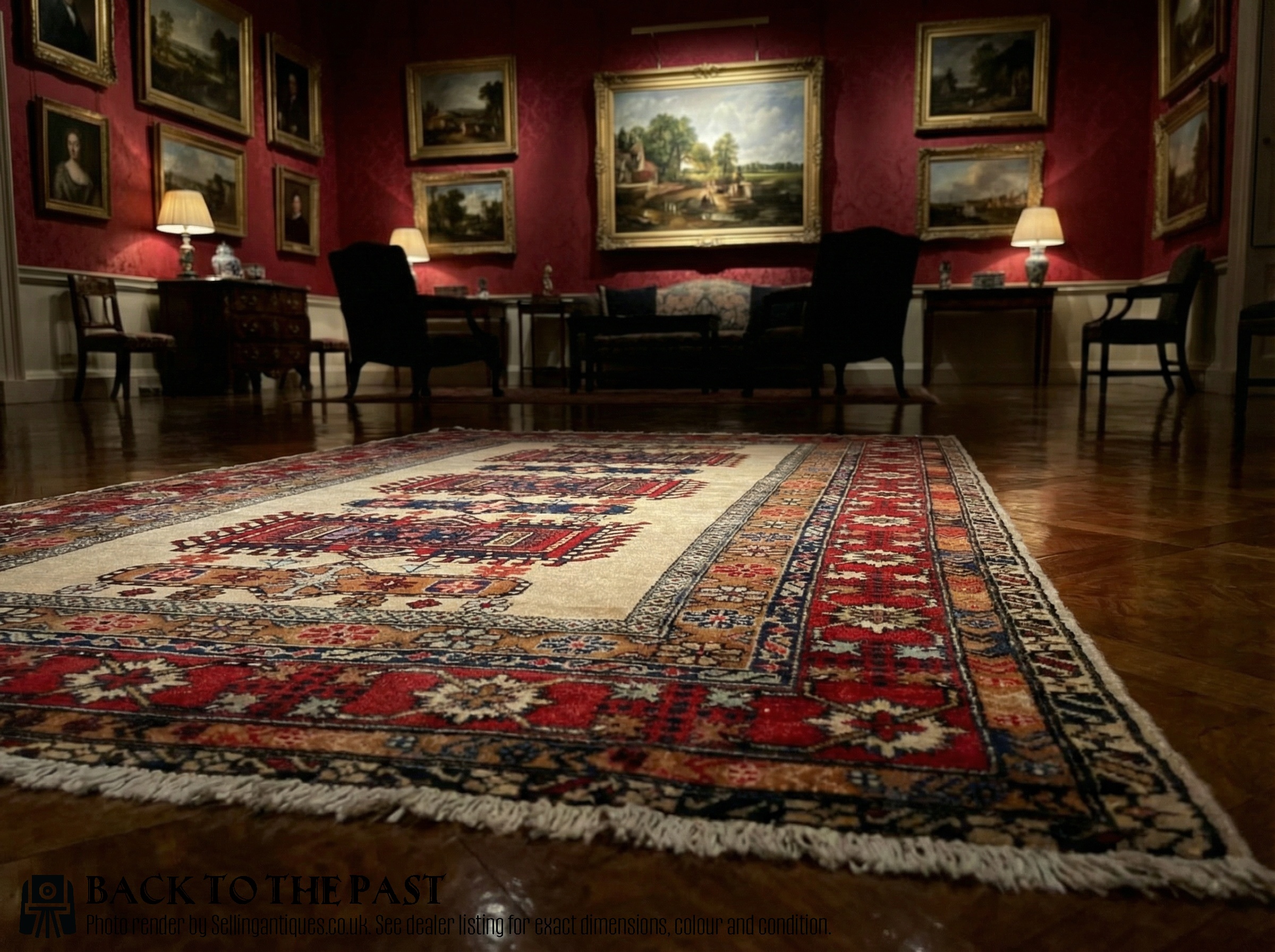
A small rug mat serves functional purposes in domestic spaces, often woven as hearth rugs, prayer rugs, torba face pieces, or seating mats. These modest formats include village and tribal productions from workshops and nomadic encampments alike.
The selections available range from square proportions to narrow runners, executed in regional styles such as Karaja, Bergama, Konya, and Baluch. Buyers frequently encounter formats designed for meditation, specific seating areas, or modest floor spaces.
Originating across diverse weaving traditions, these smaller formats distil the complex iconography and palette of larger carpets into condensed compositions. They offer concentrated examples of tribal and village craftsmanship spanning the nineteenth century up to the 1930s.
Materials and construction
Weavers relied principally on wool, cotton foundations, and occasionally silk, utilising hand-spun wool and Tibetan wool for pile construction. Natural dyes imparted deep tones across the surface, ageing gracefully over decades.
Structure varies from the dense knotting of Persian workshop pieces to the looser, heavier handling typical of village and tribal items. Foundation yarns of cotton or wool support the pile, determining the drape and resilience of each mat.
Listings feature wool, cotton, and silk compositions produced across Persian, Anatolian, Afghan, and Caucasian tribal traditions between the early nineteenth century and the 1930s.
Assessing quality
Quality rests upon the handling of materials, particularly the depth and saturation of natural dyes and the integrity of the hand-spun wool. Finer knot density and precise execution of traditional motifs separate accomplished tribal work from simpler village utility pieces.
Preservation of original borders and structural edges dictates desirability, alongside the harmonious ageing of the palette. Pieces retaining crisp design geometry alongside soft, patinated wool represent the higher tier of surviving examples.
The Small Rug Mat Glossary
- Torba
- A small storage bag face produced by Turkmen nomads, frequently featuring traditional gul motifs and used within tent interiors.
- Prayer rug
- A devotional mat defined by a central mihrab arch design, intended for directional placement during daily prayers.
- Natural dyes
- Colourants derived from plants, insects, and minerals rather than synthetic compounds, yielding complex and stable hues over time.
- Hand-spun wool
- Yarn prepared manually using a drop spindle or wheel, resulting in irregular thickness that adds textural depth to the pile.
- Yastic
- A traditional Turkish cushion cover or small mat format, often possessing distinctive regional pile geometry.
Small Rug Mat: Frequently Asked Questions
Where were these small mats placed originally?
Nomadic and village households utilised these compact formats beside hearths, on seating platforms, or as personal prayer spaces within tents and houses. Their manageable scale suited portable lifestyles and smaller interior areas.
Workshop variants served urban residences as decorative accents or threshold coverings, adapting traditional designs for domestic comfort.
How do I distinguish tribal pieces from village weaves?
Tribal pieces often display geometric memory-driven patterns, heavier wool, and asymmetrical layouts characteristic of nomadic production. Their colour palettes reflect locally gathered natural dye sources.
Village weaves tend to show slightly more structured geometry and refined borders, frequently integrating local market influences while retaining traditional motifs.
What indicates a natural dye palette?
Natural dyes present subtle tonal variations, known as abrage, across a single field of colour as the dye takes differently to hand-spun wool fibres. These shades mellow gracefully with age rather than fading harshly.
Synthetic counterparts often display flat, uniform coloration without the characteristic depth and organic maturation found in nineteenth-century examples.
How should I care for an antique wool mat?
Gentle vacuuming without a rotating brush roll prevents dust accumulation within the wool pile while protecting fragile antique cotton or wool foundations. Professional specialist cleaning remains essential for deep maintenance.
Keeping the mat away from direct, harsh sunlight preserves the stability of natural dye colours over years of display.