
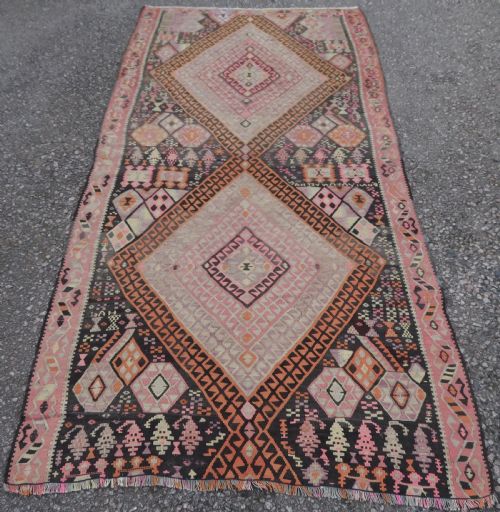
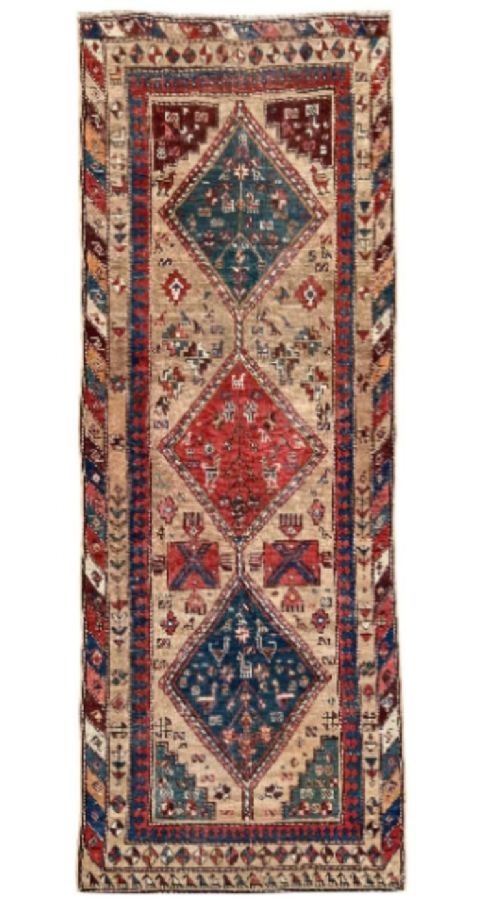
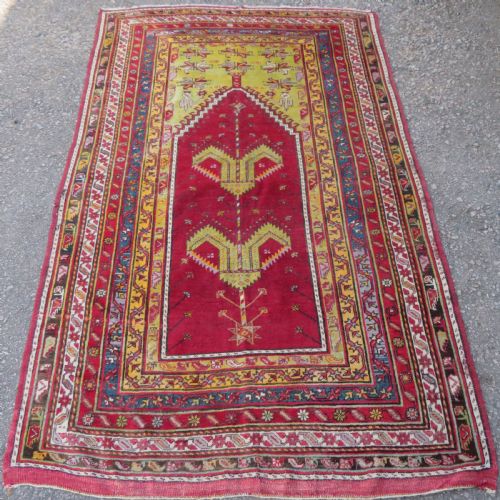
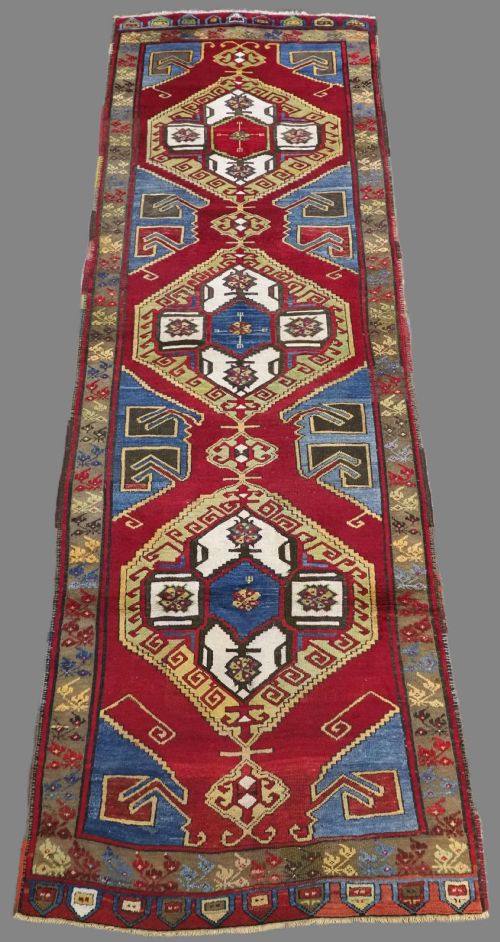


Geometric Anatolian Runner
A geometric anatolian runner is a long, narrow tribal floor covering valued for its structured motifs and rich wool texture.
Geometric Anatolian Runner
A geometric anatolian runner bridges domestic utility and traditional village weaving, taking the form of elongated floor coverings intended for corridors and narrow spaces. The selection ranges from nineteenth century examples to pieces woven in the early decades of the twentieth century across various regions of Turkey.
Village workshops and nomadic weavers produced these textiles using vernacular motifs, resulting in pieces that combine linear medallions with repeated borders. The inventory leans towards traditional village formats, including kelims and pile rugs originating from centres such as Ushak, Konya and Malatya.
How they were made
Weavers relied principally on wool and hand-spun wool for the pile and structure, combining these with cotton foundations in specific regional traditions. Hand knotting and flatweaving techniques created durable textiles designed for daily domestic service.
Natural dye traditions provided the palette for these runners, yielding deep blues, reds and earth tones that developed rich patinas over decades of use.
Dated examples span from the mid nineteenth century through to the nineteen thirties.
What varies in quality
Quality rests in the precision of the tribal drafting and the integrity of the wool foundation. Finer knot density and well-balanced proportions separate accomplished village weaving from simpler utility pieces.
The preservation of the original edges and ends dictates the structural merit of a runner. Pieces retaining their natural border finishes demonstrate superior historical survival compared to heavily restored examples.
The Geometric Anatolian Runner Glossary
- Kilim
- A flatwoven carpet or runner produced without a pile by tightly interweaving warp and weft threads. These textiles often display sharp geometric patterns resulting from the slit-weave technique.
- Medallion
- A central ornamental motif positioned in the field of a rug or runner. It frequently takes a polygonal, diamond or cruciform shape in Anatolian village weaving.
- Warp
- The vertical foundation threads stretched tightly on the loom before weaving begins. The visible fringe at either end of a finished runner consists of these extended warp threads.
- Weft
- The horizontal threads passed alternately over and under the warp threads to bind the knots or flatweave together. They form the solid structure supporting the rug's design.
- Pile
- The dense surface of upright wool ends created by individual knots tied to the warp threads. Flatwoven kelims lack this raised surface entirely.
Geometric Anatolian Runner: Frequently Asked Questions
Where were these runners used?
These long carpets served primarily in hallways, corridors and grand rooms of traditional homes to protect wooden flooring and provide warmth underfoot.
Nomadic and village households also utilised them in tents and multi-purpose living spaces where narrow formats suited domestic layouts.
How do I clean an old runner?
Gentle surface brushing and professional specialist cleaning preserve the fragile hand-spun wool and natural dyes of antique textiles.
Household detergents and modern washing machines risk shrinking the cotton foundations and permanently distorting the geometric design.
Can I put them on stairs?
Placing a sturdy runner on low-traffic staircases works well if secured properly under a professional carpet installer's care.
Heavy foot traffic on stairs accelerates wear along the central crease where the runner bends over the steps.
How are different village styles distinguished?
Regional identities show through specific colour palettes, wool textures and characteristic geometric border arrangements unique to each weaving district.
Comparative study of medallion structures helps separate pieces originating from western regions like Bergama from those made in central Anatolian towns.