
Tufted Fireside Chair
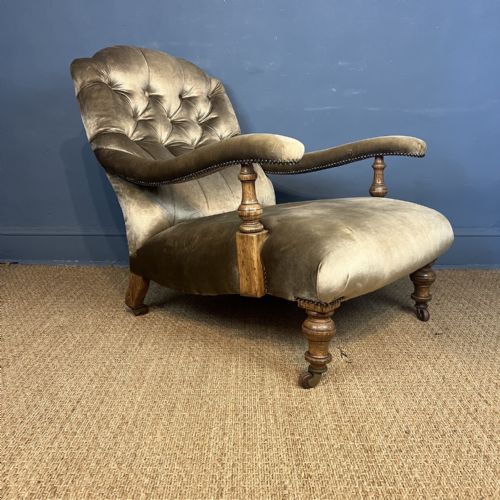
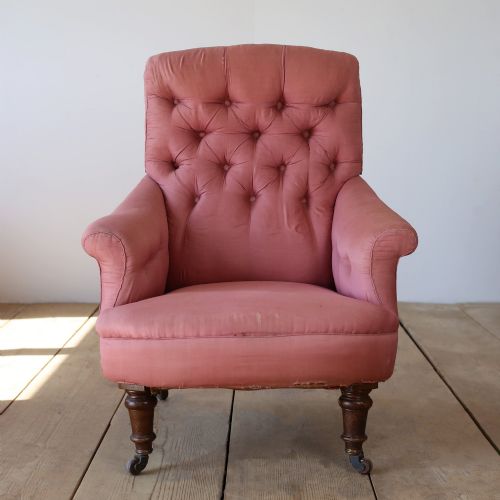
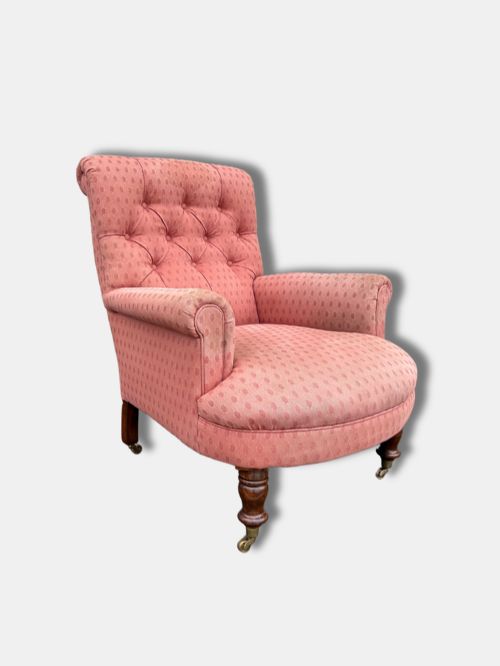
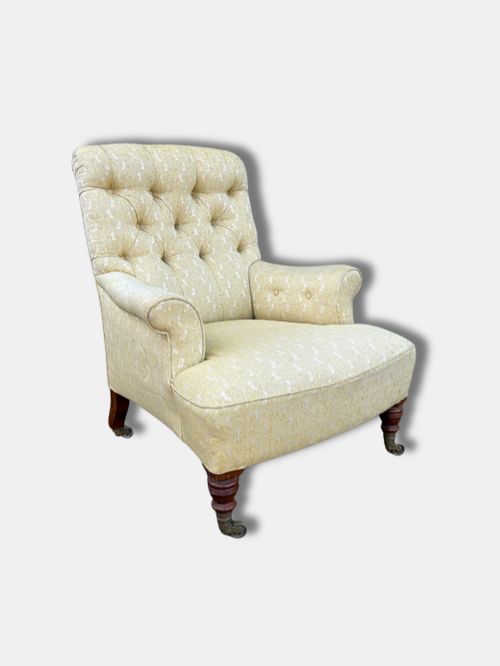
A tufted fireside chair delivers deep seating comfort and classic upholstery detail through buttoning, bringing period character to any room.
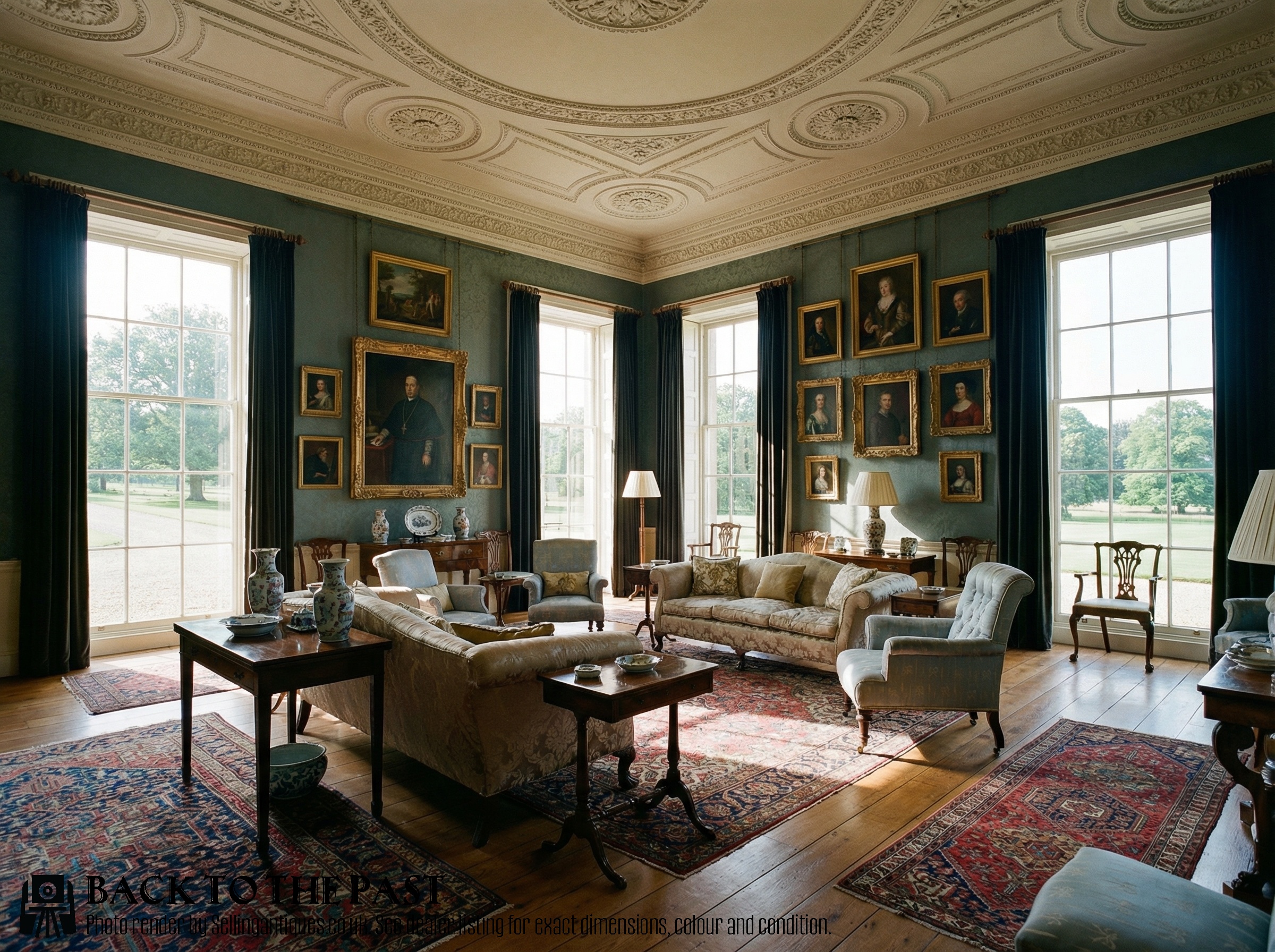
Tufted Fireside Chair
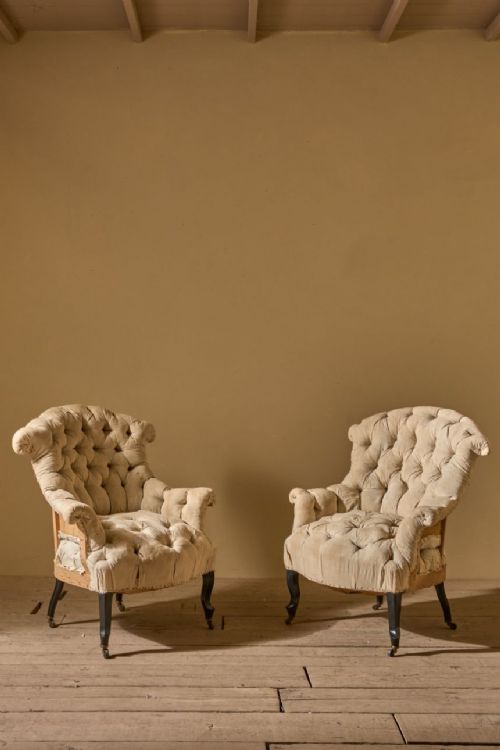
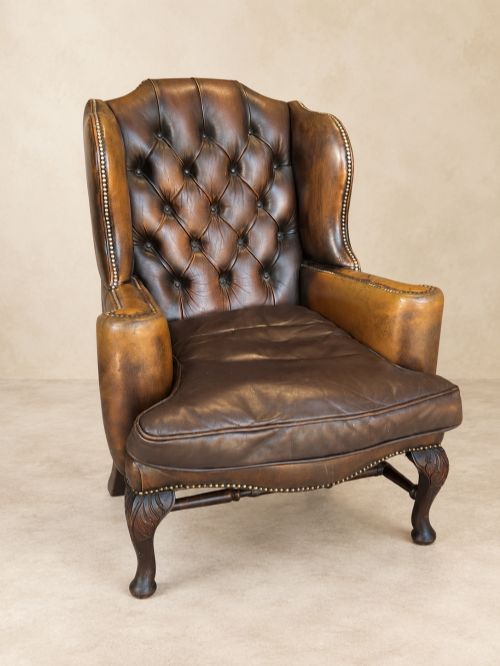
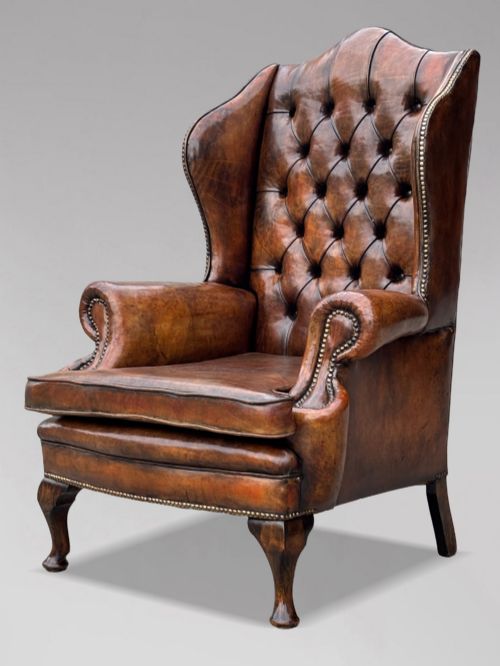
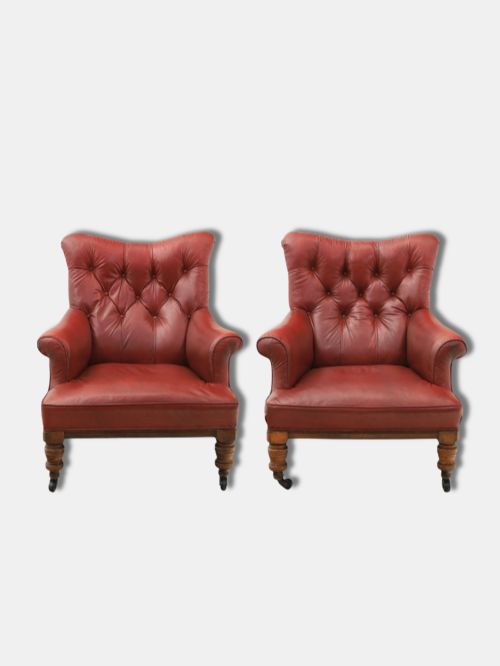
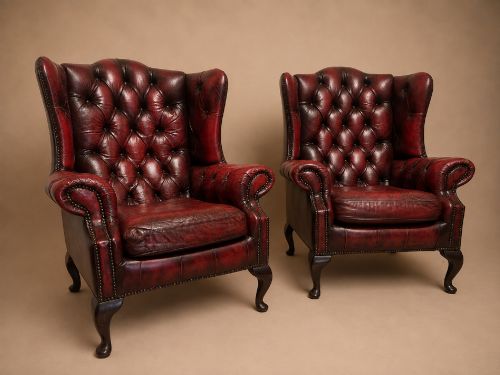
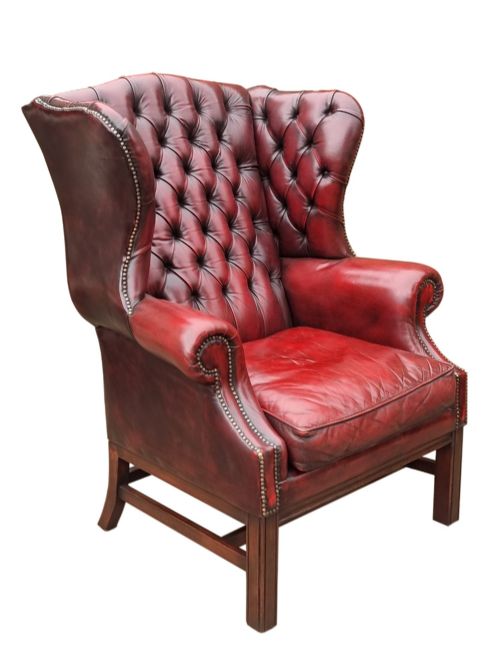
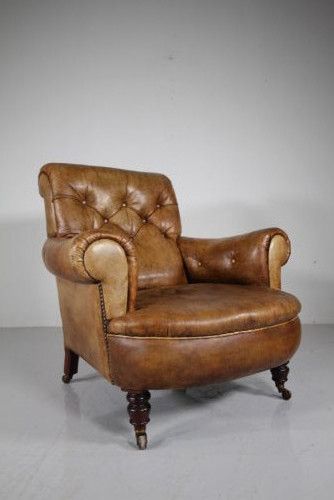
When you search for a tufted fireside chair, you encounter sturdy upholstered seating designed for warmth and long periods of sitting by a hearth. The selections span the nineteenth century through the Edwardian era, incorporating styles from Victorian button backs to Regency and George III revivals. These pieces frequently manifest as leather wing armchairs, library chairs, and gentleman's chairs with substantial proportions.
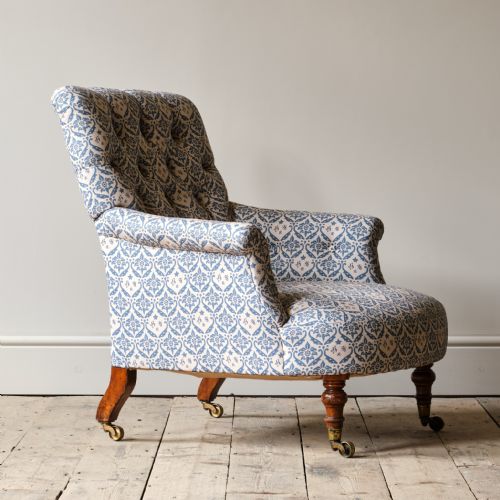
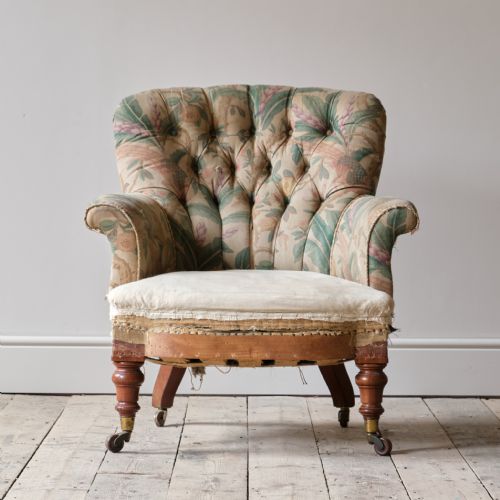
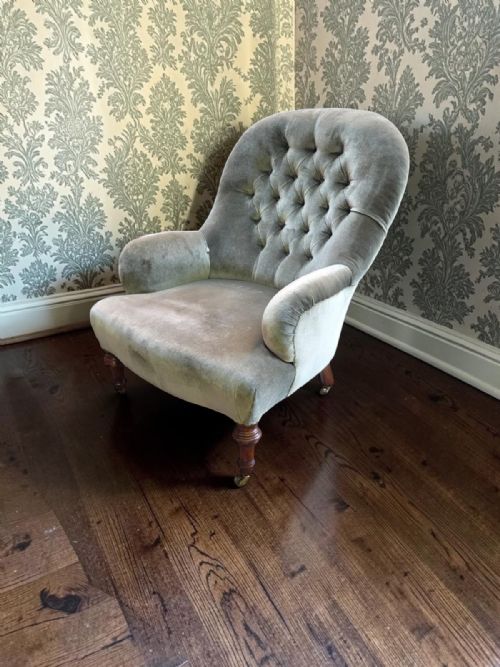
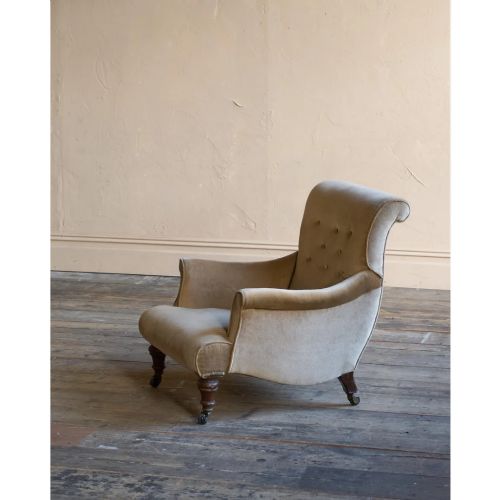
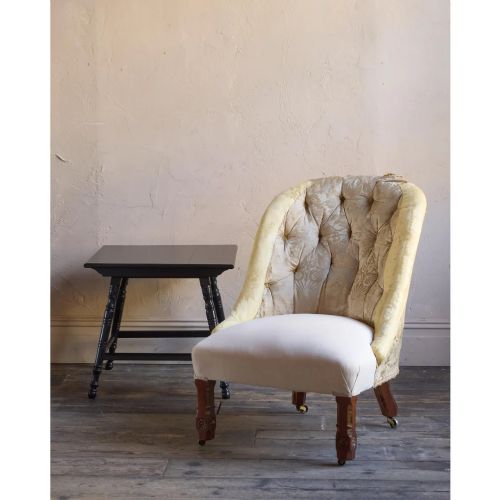
You meet various specific forms on this page, including slipper chairs, nursing chairs, and salon chairs alongside larger Chesterfield and club armchairs. Frames often feature traditional materials like mahogany, walnut, and oak, supporting deep sprung seats and upholstered backs. The defining visual element remains the buttoned upholstery, which secures the padding and creates a distinctive geometric pattern across the leather, velvet, or fabric surface.

How they were made
Frames rely on hardwoods such as mahogany, walnut, oak, and general timber to provide a robust skeletal structure for daily use. Joinery techniques from the nineteenth and early twentieth centuries ensure rigidity in high-stress areas like arm supports and legs.
Upholstery relies on traditional stuffing secured by deep buttoning through leather, velvet, fabric, or rexine surfaces. Brass tacks frequently finish the edges of the upholstery, while wooden frames occasionally incorporate turned elements like barley twists or carved details.
Tufted Fireside Chair Retail Price Guide 2026
Typical asking prices for tufted fireside chair among the pieces listed under this phrase on Sellingantiques today, from the lower quarter to the upper quarter. They describe what is for sale here now, not the wider market.
Listings feature nineteenth-century and Edwardian pieces, with materials ranging from mahogany and walnut to leather and velvet.
What varies in quality
The integrity of the internal wooden frame and the depth of the sprung seating determine the fundamental structural merit of each piece. Superior examples maintain firm tension in the springs and rigid joints without excessive wobble in the arms or legs.
The grade and condition of the covering material, whether aged leather, velvet, or textile, dictate the visual refinement and tactile appeal. Expert buttoning execution and well-preserved frame carvings further distinguish the higher tier of seating.
Howard and Sons·Shoolbred
The Tufted Fireside Chair Glossary
- Button back
- A style of upholstery where recessed buttons are pulled tight through the padding to create a diamond pattern. This technique secures internal stuffing and adds distinct texture to the chair back.
- Wing armchair
- An upholstered seat featuring protective side panels designed to shield the occupant from drafts. These wings project outward from the upper backrest near the head.
- Library chair
- A heavy, comfortable seating form designed for prolonged reading in domestic studies or libraries. These typically utilise robust leather upholstery and low, stable profiles.
- Barley twist
- A decorative turning technique resembling a spiralling rope carved into wooden furniture legs or supports. It appears frequently on nineteenth-century frames.
Tufted Fireside Chair: Frequently Asked Questions
What defines a tufted fireside chair?
A tufted fireside chair is characterised by its upholstered seating and recessed buttoning across the backrest, designed for comfort near a fireplace. These forms encompass wing armchairs, library chairs, and gentleman's chairs.
The inclusion of deep padding and supportive armrests distinguishes them from standard dining or decorative seating. They utilise traditional materials like leather, wood, and brass tacks.
How do I date a Victorian button back chair?
Dating relies on examining the timber frame, upholstery style, and specific manufacturing characteristics typical of the nineteenth century. Victorian pieces often display walnut or mahogany frames with hand-turned legs.
Comparing the form to documented styles like early Victorian or late Victorian helps narrow the decade. Details such as barley twist supports or specific leather ageing provide further chronological clues.
How were these chairs originally used?
These seats served primarily in domestic reception rooms, libraries, and withdrawing rooms for relaxation and reading. The winged designs protected occupants from cold drafts near open hearths.
Gentleman's chairs and library chairs offered sturdy, supportive seating for long periods of work or leisure. Their substantial proportions made them central furnishings in nineteenth-century country houses.
How do I live with antique leather armchairs?
Living with antique leather armchairs involves regular conditioning to maintain the suppleness of the hide and prevent drying. Placing them away from direct heat sources protects the vintage leather and wooden frames.
Pairing these chairs with contemporary or period interiors creates a grounded, functional seating area. Their robust construction suits daily use while adding historical character to a room.