

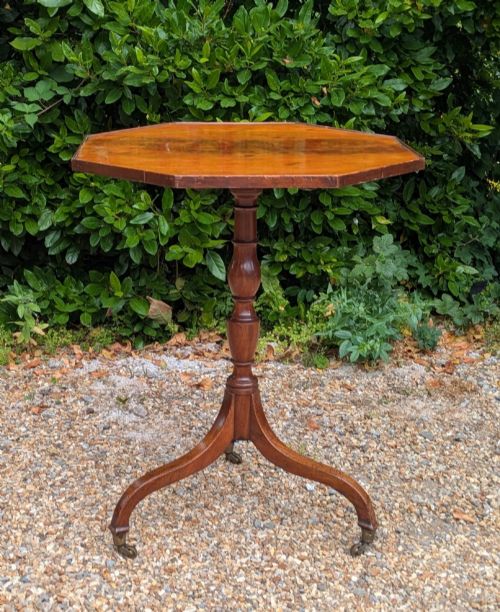
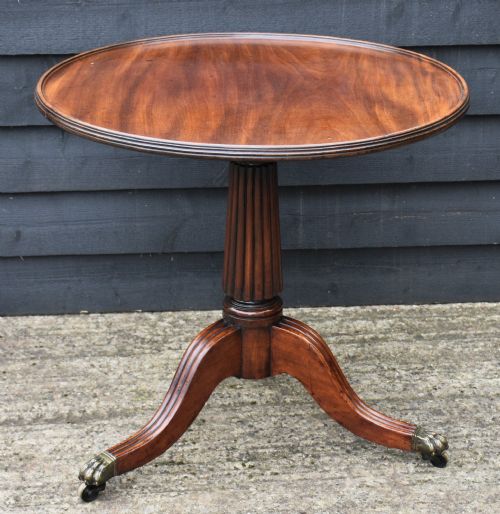
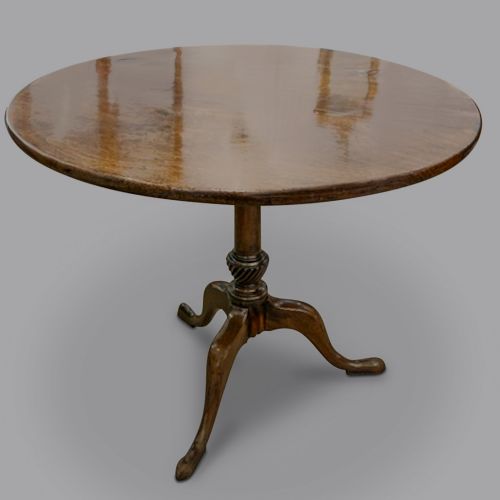
Tripod Stem Side Table
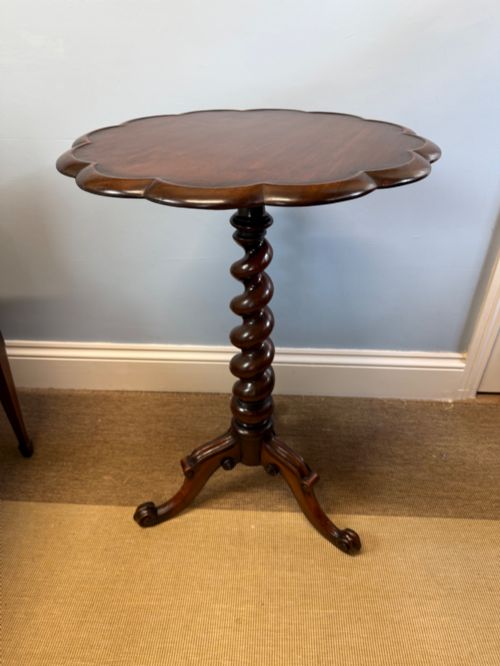
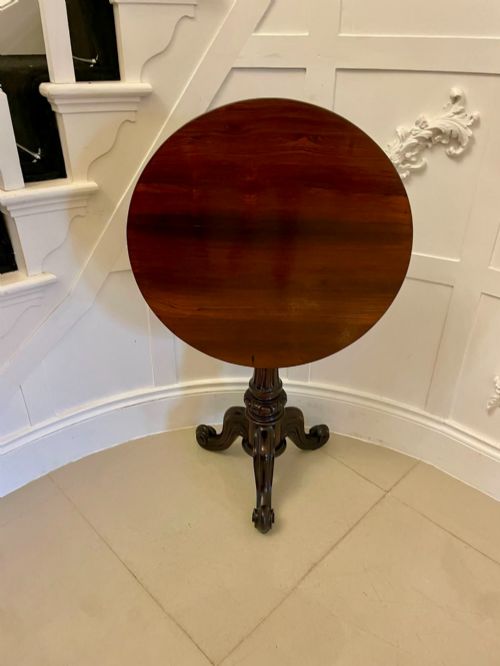
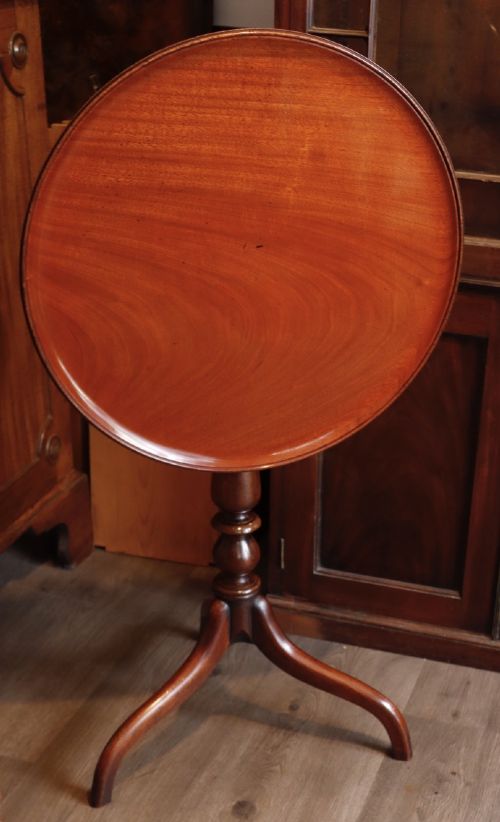
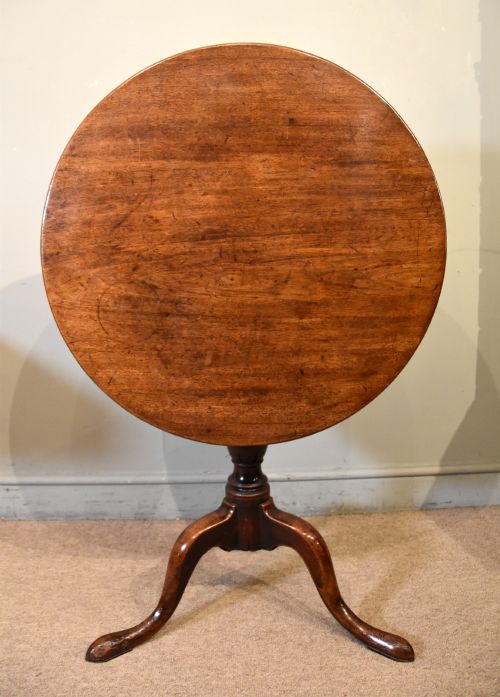
A tripod stem side table offers a balanced circular top resting on three legs, bringing compact elegance and practical surface space to any room.
Tripod Stem Side Table
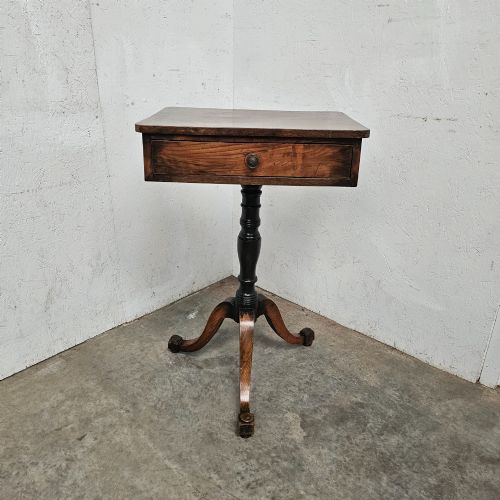
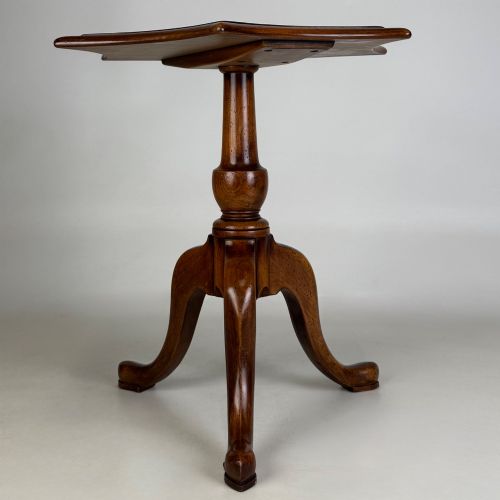
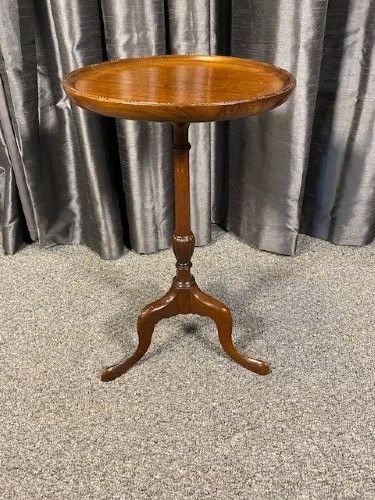
A tripod stem side table serves as a versatile piece for holding small items, drinks or lighting in a room. Buyers seeking a tripod stem side table often encounter circular tops supported by a central pillar and three spreading legs.
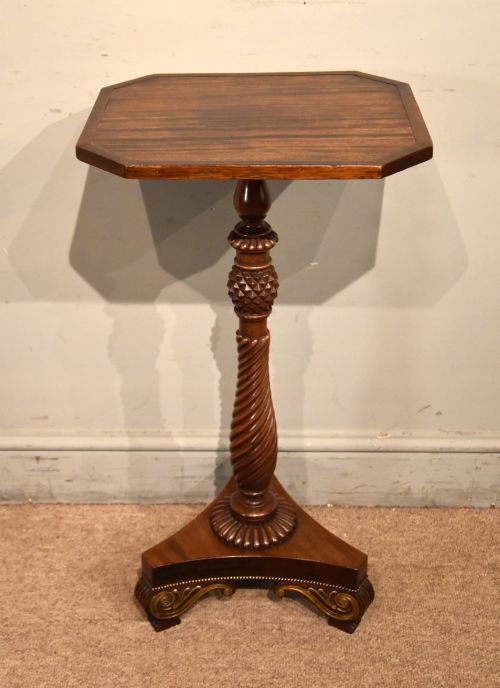
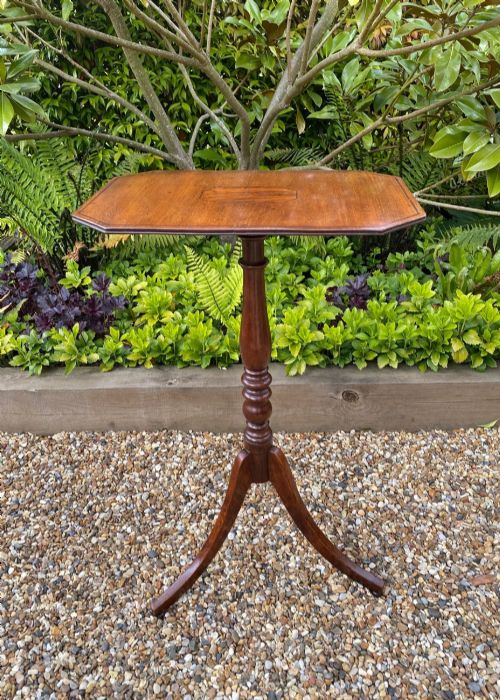
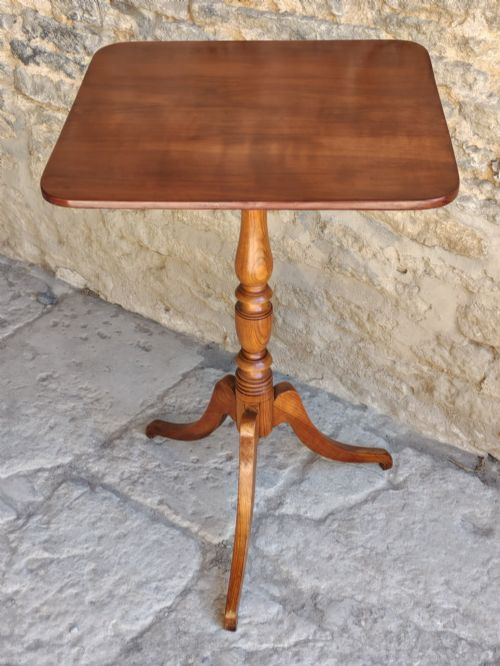
The selection ranges widely across periods, encompassing Georgian and Regency examples alongside Victorian and Edwardian interpretations. These small tables frequently double as wine tables, lamp tables or occasional tables depending on their height and top diameter.
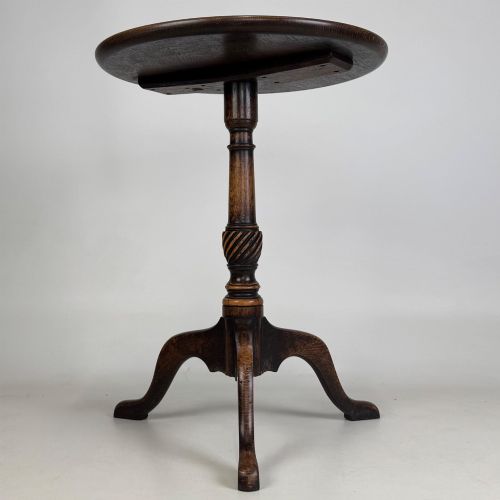
Earlier pieces from the eighteenth century often feature tilt-top mechanisms designed to save space when not in use. Later nineteenth-century versions introduce decorative twists, varied timbers and tiered formations.
Materials and construction methods
Cabinetmakers utilised dense timbers such as mahogany, oak and rosewood alongside country woods like fruitwood, elm and beech. These materials provided the necessary strength for the slender central stem and three outward-reaching legs.
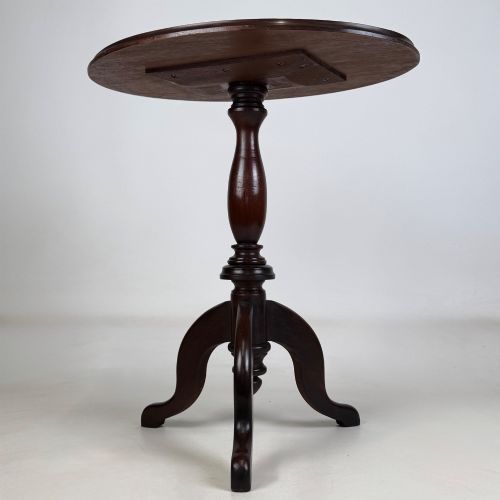
Construction techniques frequently involved turning the central stem on a lathe to create vase, pillar or gun barrel profiles. Tops were jointed carefully, sometimes incorporating tilt-top actions or revolving mechanisms that connected the surface to the pedestal base.
Some eighteenth-century guests relied on these nimble tables to keep their wine cups steady while gossip flowed and the candles flickered.
Distinctions in craftsmanship
Quality shows in the selection of timber figures and the stability of the central three-legged base. Superior examples demonstrate precise joinery where the legs meet the pillar and maintain a level, firm stance on uneven floors.
Refinement in the turning of the stem and the crispness of any carved details distinguish standard production from exceptional pieces. The execution of tilt-top catches and brass or wooden mechanisms also indicates the level of care invested by the maker.
The Tripod Stem Side Table Glossary
- Tilt-top
- A hinged mechanism allowing the table top to pivot vertically for storage against a wall when not in use. This clever space-saving design is common on eighteenth-century examples.
- Gun barrel stem
- A central wooden pillar turned on a lathe to resemble the profile of a musket barrel. It provides a tapering, elegant support for the table top.
- Tripod base
- A support structure comprising three legs radiating from a central column to ensure stability on uneven floors. This configuration remains characteristic of small occasional tables.
- Occasional table
- A portable small table intended for specific, intermittent uses such as holding a lamp or teacups. These pieces move easily around a room as needed.
- Wine table
- A compact circular table historically used for holding bottles and glasses during evening gatherings. They typically feature diminutive tops and slender stems.
Tripod Stem Side Table: Frequently Asked Questions
What is a tripod stem side table used for?
These compact tables serve as convenient surfaces for holding lamps, drinks, books or decorative objects beside seating furniture. Their modest footprint allows them to fit into corners and tight spaces where larger furniture will not go.
Historically, specific variations functioned as wine tables or candle stands during evening social gatherings. Today, they remain practical accent pieces that add character and utility to sitting rooms and hallways.
How do I identify a Georgian tripod table?
Georgian examples often display dense mahogany, oak or fruitwood construction with hand-turned central stems and pad or snake feet on the three legs. Many feature tilt-top actions with iron or wooden catch mechanisms beneath the surface.
Proportions tend to be elegant and restrained, reflecting the aesthetic priorities of the eighteenth century. Examining the underside and the wear patterns on the pivot joints helps confirm the age of these pieces.
What is a tilt-top mechanism?
A tilt-top mechanism connects the table top to the central stem using a hinged block and a catch, allowing the surface to fold flat against the pedestal. This ingenious design enabled servants to store multiple tables compactly against the walls of a grand room.
When buying or living with a tilt-top table, test the wooden or brass catch to ensure the top locks securely in the horizontal position. The hinge assembly should move smoothly without excessive wobble in the joint.