




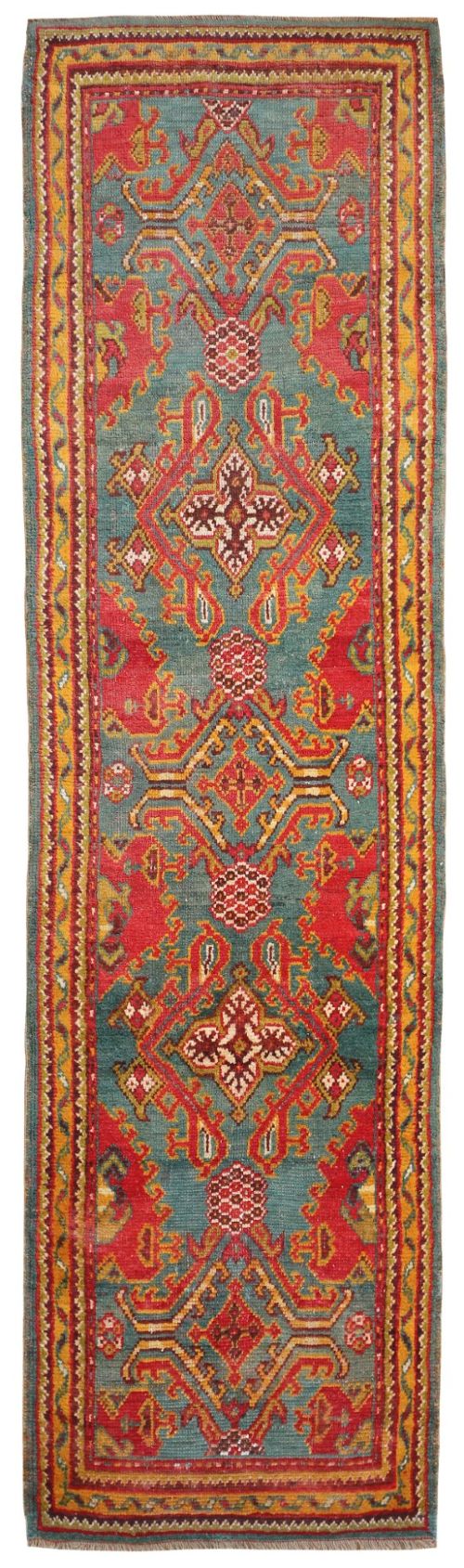
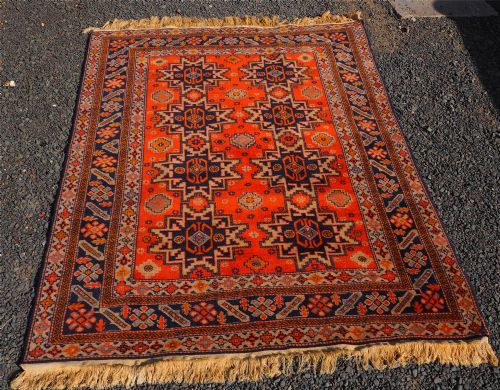
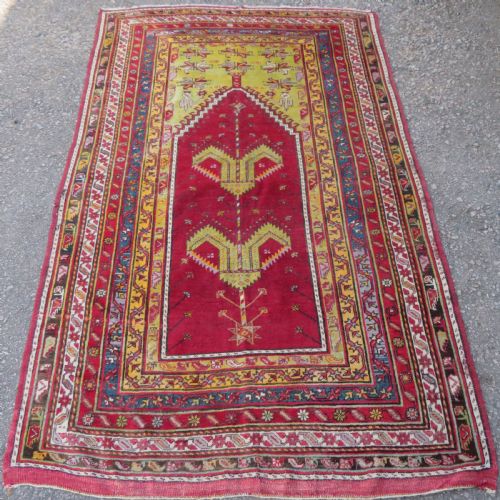
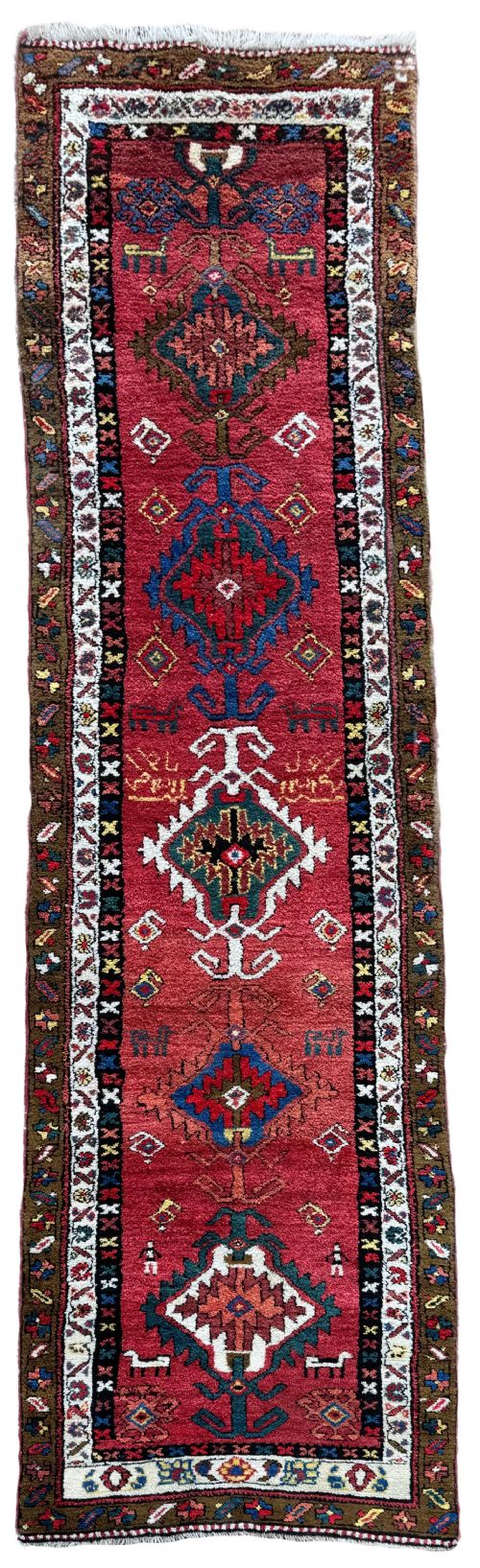
Tribal Wool Runner Carpet
A tribal wool runner carpet brings geometric patterns and saturated natural dyes to corridors, using traditional techniques from village and nomadic weavers.
Tribal Wool Runner Carpet
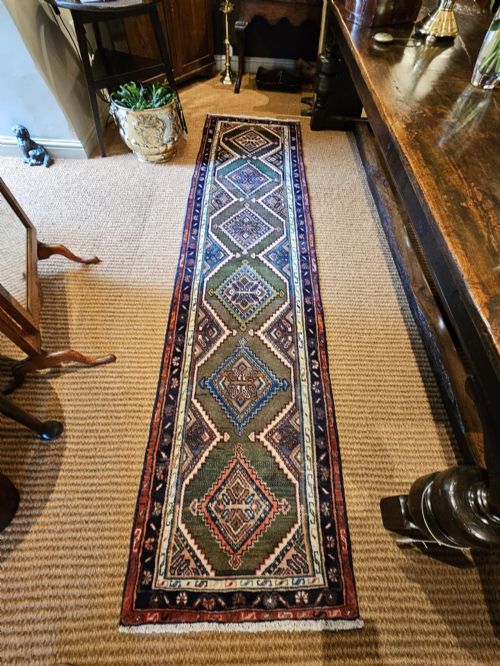
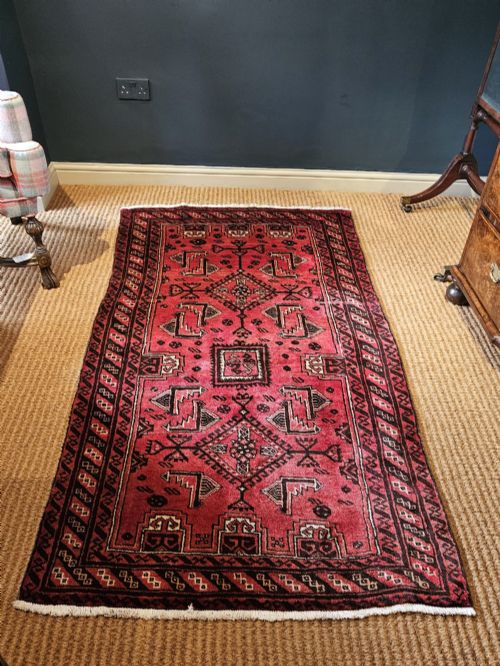
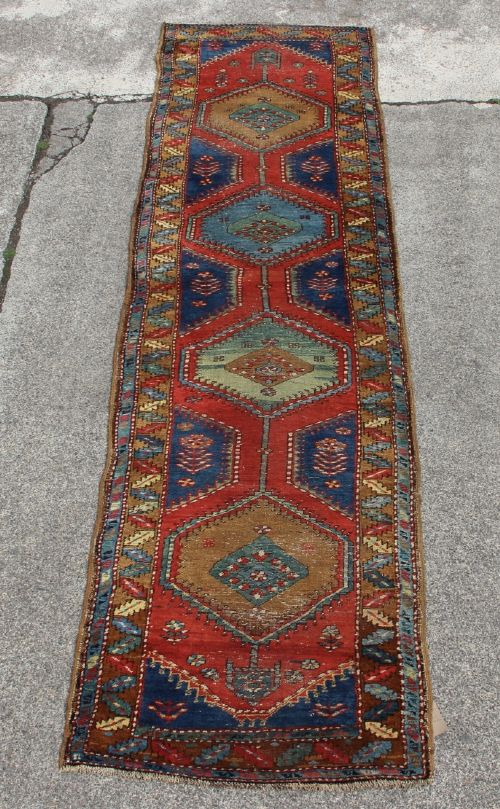
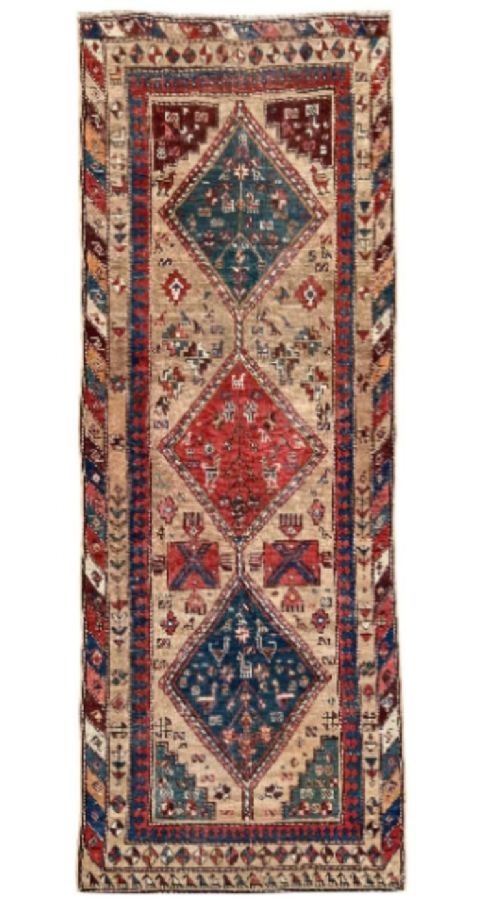
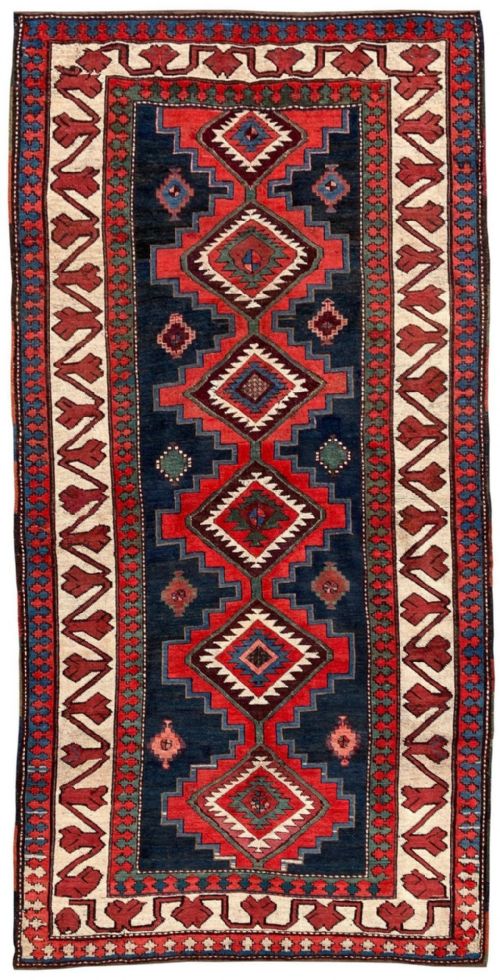
When you search for a tribal wool runner carpet, you examine narrow, elongated textiles designed for hallways and corridors. These pieces originate from village workshops and nomadic confederacies across Persia, the Caucasus, Anatolia, and Central Asia, dating from the nineteenth and early twentieth centuries.
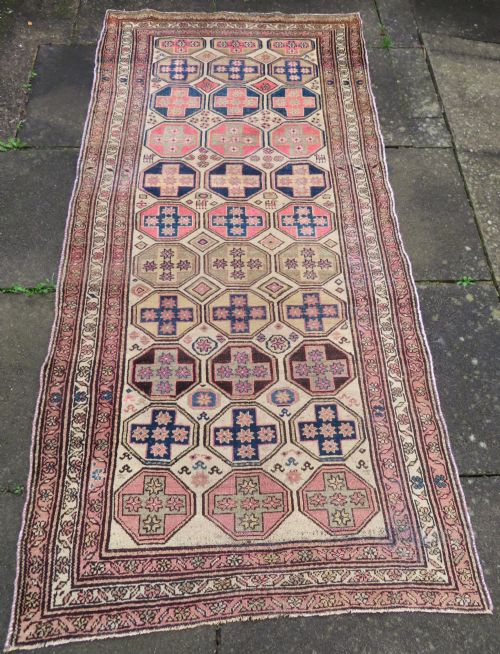
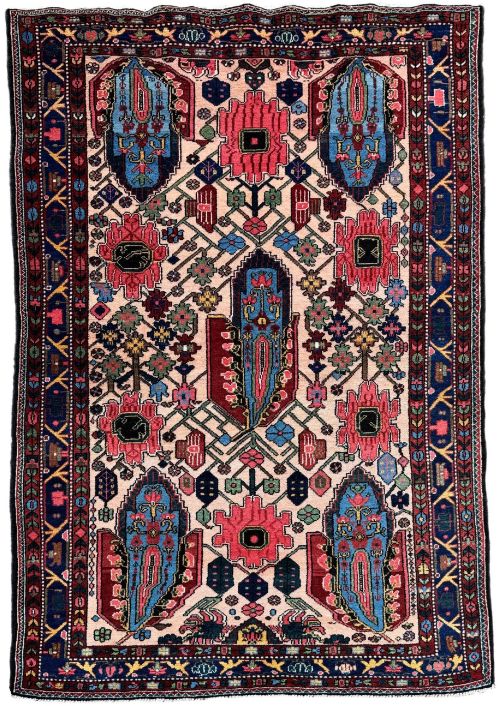
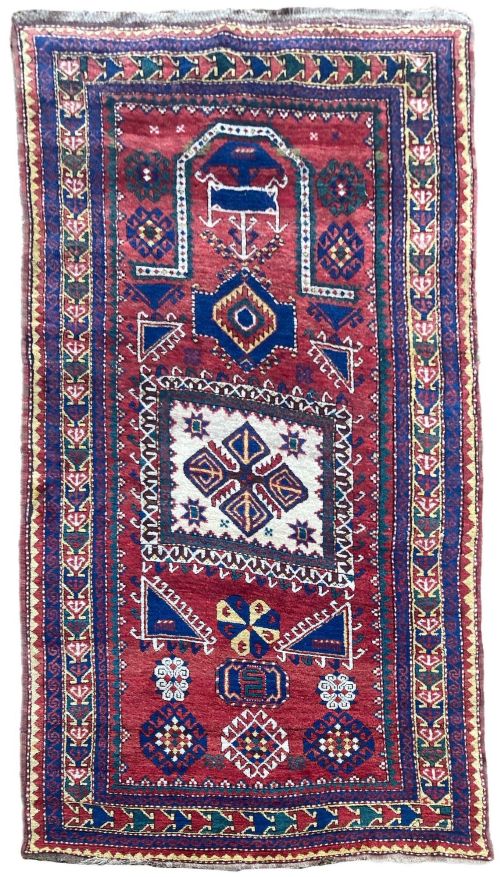
The selections on this page concentrate heavily on Persian and Caucasian village weaving traditions, including Heriz, Kazak, and Kurdish formats. These carpets display characteristic tribal motifs, ranging from geometric guls to lattice designs, executed in long formats suited for heavy traffic areas.
Determinants of quality
Knot density and structural tightness dictate the durability and crispness of the geometric patterns across different examples. Finer knotting allows intricate lattice work and sharp medallion contours to remain distinct.
The integrity of the wool and the depth of the natural dye palette separate standard village weaving from exceptional tribal examples. Resilient wool retains its lanolin and lustre, while complex dye work creates rich tonal shifts across the field.
Tribal Wool Runner Carpet Retail Price Guide 2026
Typical asking prices for tribal wool runner carpet among the pieces listed under this phrase on Sellingantiques today, from the lower quarter to the upper quarter. They describe what is for sale here now, not the wider market.
Materials across the inventory consist primarily of wool, cotton, and occasional camel hair.
Shahsavan·Bakhtiar
The Tribal Wool Runner Carpet Glossary
- Runner
- A long, narrow carpet format specifically proportioned for corridors, hallways, and staircases. These pieces measure significantly longer than they are wide.
- Gul
- A repeating octagonal medallion motif frequently found in Central Asian and Baluch tribal weaving. Each guls represents a specific tribal clan or lineage.
- Mihrab
- An arched design element that mimics the prayer niche found in mosques, identifying the textile as a prayer rug. This motif points toward Mecca during daily devotions.
- Kelim
- A flat-woven carpet or rug produced without a pile by tightly interweaving warp and weft threads. These textiles offer a lightweight alternative to knotted pile carpets.
- Selvedge
- The reinforced side edges of a carpet formed by wrapping the outermost warp threads. Proper finishing prevents the pile from fraying.
Tribal Wool Runner Carpet: Frequently Asked Questions
Where should I place a runner carpet?
These narrow textiles suit hallways, corridors, and long entryways where floor protection and visual warmth matter.
Their elongated proportions also function effectively in narrow kitchens or alongside large beds.
How do I identify a tribal design?
Tribal designs feature geometric motifs, repeating guls, and stylized animal or plant forms rather than intricate floral curves.
Village and nomadic weavers relied on memory and traditional symbolism rather than drawn cartouches.
What materials make up these carpets?
The pile consists of hand-spun sheep wool, occasionally supplemented with camel hair for natural brown and golden tones.
Foundations typically utilise cotton or wool threads to support the knotted structure.
How do I care for an antique wool runner?
Regular gentle vacuuming without a rotating brush bar prevents dirt accumulation within the wool pile.
Professional specialist cleaning every few years maintains the natural lanolin and dye stability.