

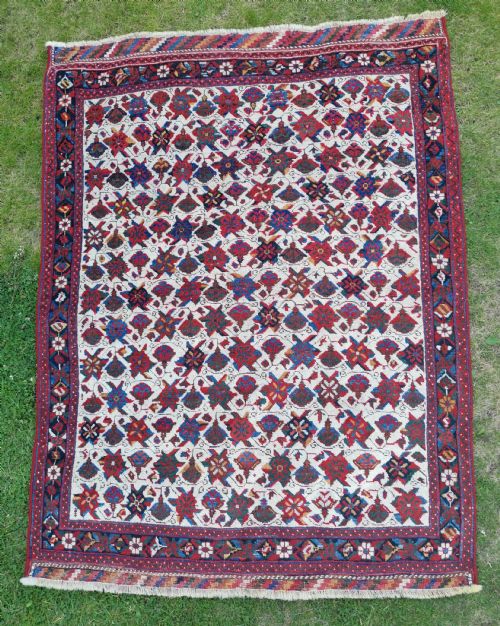
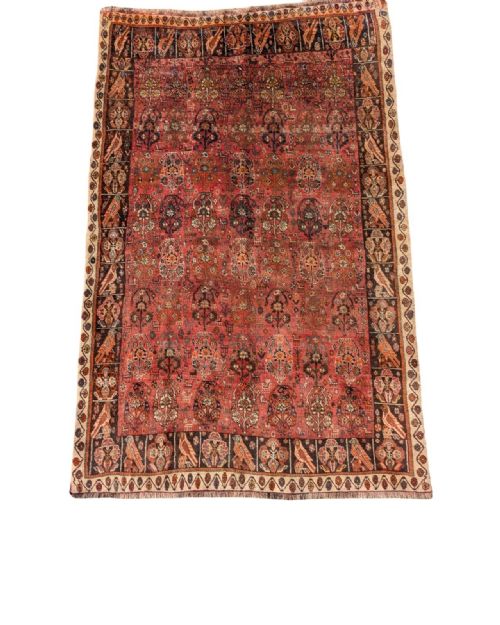
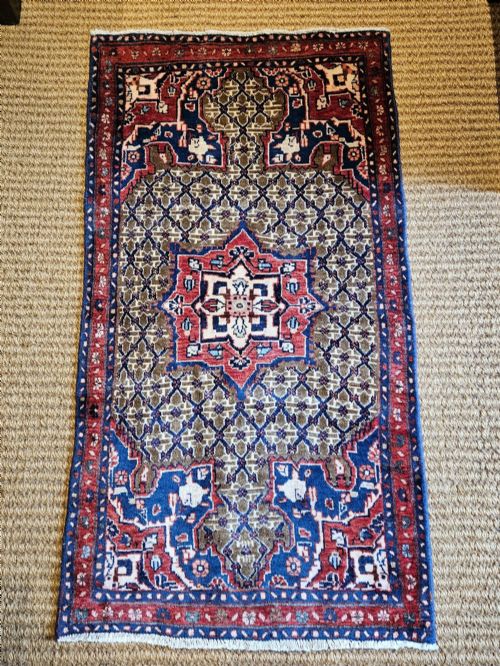
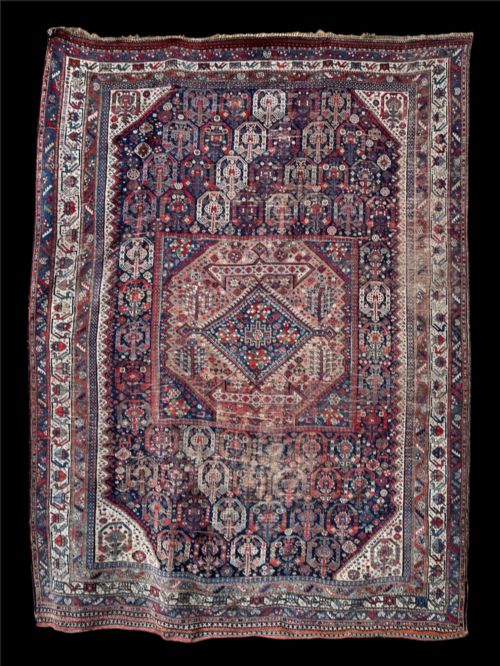


Tribal Wool Floor Mat
A tribal wool floor mat brings texture and historic woven artistry directly to a room through genuine nomadic and village textiles.
Tribal Wool Floor Mat
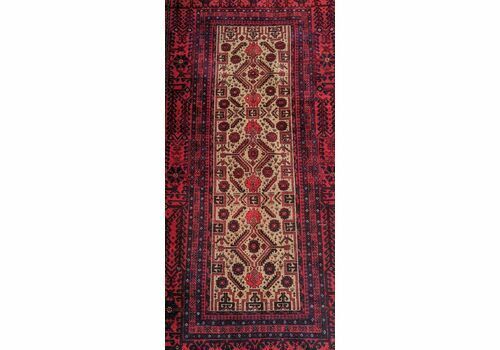
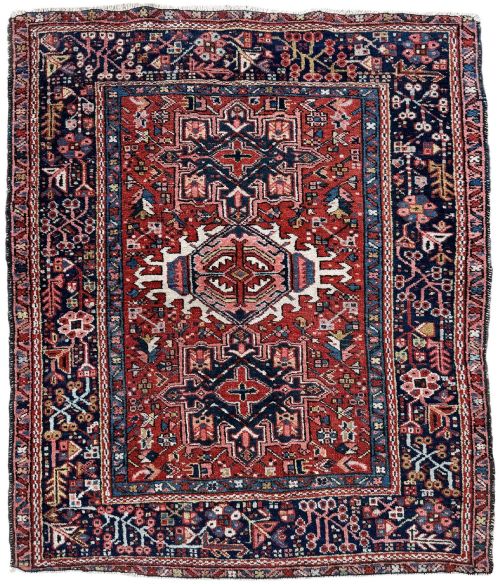
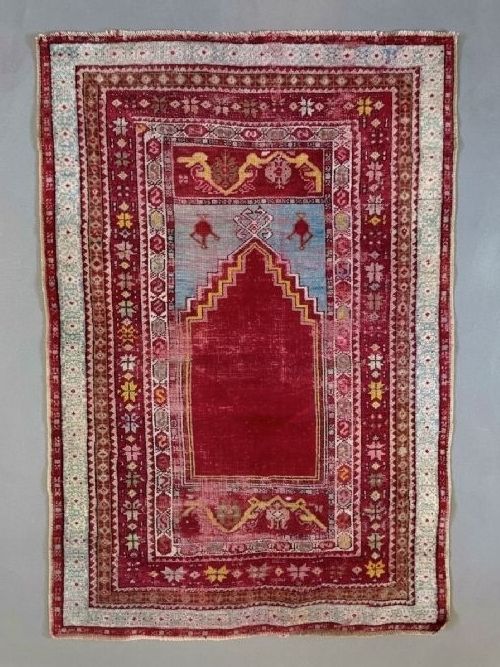
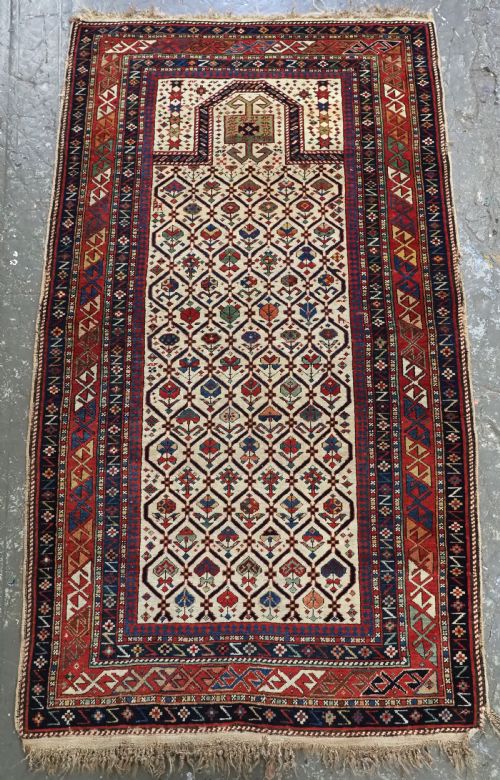
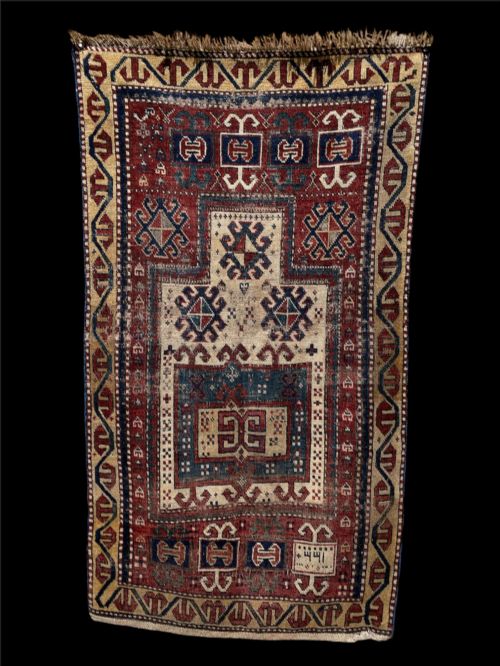
When searching for a tribal wool floor mat, a buyer encounters hand-knotted and flat-woven floor coverings originating from nomadic confederacies and historic villages across Persia, the Caucasus, Anatolia, and Central Asia. These textiles take the form of area rugs, carpets, hallway runners, prayer rugs, and practical saddlebags produced for domestic use rather than commercial export.
The selections available range from nineteenth-century tribal main carpets to smaller hearth-sized rugs and kilims created by specific groups such as the Khamseh, Yomut, Afshar, and Baluch. These pieces serve primarily as functional floor coverings, bringing tangible historic craft into contemporary interiors through traditional geometric and floral lattice designs.
What varies in quality
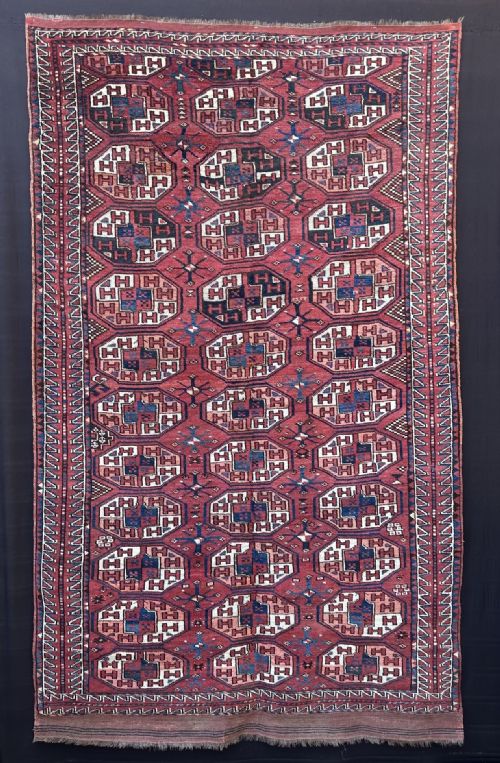
The distinction between tiers of quality rests on the precision of the knotting, the complexity of the design, and the vibrancy achieved by natural dyes. Finer examples display tight, even pile and intricate tribal motifs such as gul designs or medallions that maintain clear geometry across the field.
Another factor is the integrity of the wool itself and the survival of original structural extremities like kilim ends and selvages. Pieces displaying superior material handling and well-preserved structural details represent the upper end of the weaving tradition.
Listings feature wool and cotton materials shaped by natural and vegetable dyes across nineteenth and early twentieth-century periods.
The Tribal Wool Floor Mat Glossary
- Gul
- A repeating medallion or octagonal motif frequently found in Central Asian and Turkmen carpets. It often identifies the specific tribe or clan that produced the textile.
- Soumak
- A flat-weave technique where coloured weft threads are wrapped around the warp threads in a herringbone pattern. This method creates a thicker, sturdier textile without a pile.
- Prayer Rug
- A smaller format rug featuring a mihrab or arch design indicating the direction of prayer. These pieces were utilised for daily devotional purposes in domestic settings.
- Kilim
- A tapestry-woven carpet or rug made without a pile. These flat-weaves are typically lighter and utilise sharp geometric patterns created by interlocking wefts.
- Selvage
- The reinforced side edges of a rug or carpet formed by wrapping extra warp threads. Proper preservation of the original selvage maintains the structural boundary of the weave.
Tribal Wool Floor Mat: Frequently Asked Questions
Where were these floor mats made?
These woven pieces originate from nomadic and village workshops across regions including Persia, the Caucasus, Anatolia, and Central Asia. Distinct tribal confederacies and groups such as the Yomut, Afshar, and Baluch produced them for practical daily use.
Production spans from the nineteenth century into the early twentieth century, reflecting the specific cultural aesthetics and natural materials available to each weaving community.
How do I clean a wool floor mat?
Careful regular vacuuming without a rotating brush roll helps remove loose dirt from the wool pile. Professional specialist cleaning remains essential for addressing deep-seated grime without damaging natural dyes.
Avoiding excessive moisture and direct prolonged sunlight protects the integrity of the hand-spun fibres and vegetable colourants over time.
What is the difference between a kilim and a piled rug?
A piled rug is constructed by individually knotting tufts of wool onto a warp and weft foundation, creating a plush surface. This method provides a soft texture underfoot and allows for detailed pictorial and geometric shading.
A kilim is a flat-woven textile produced without a pile by interlocking the coloured wefts tightly across the warp threads. This results in a lighter, reversible floor covering with crisp, geometric patterning.
How do I identify a tribal design?
Tribal designs typically feature repeating geometric motifs, stepped polygons, stylized animals, and distinctive guls rather than refined court-style florals. These patterns were passed down through generations within specific nomadic groups and woven from memory.
Asymmetry and variations in the wool or natural dye lots often point towards the autonomous, non-commercial nature of tribal weaving traditions.