


Karabagh Area Rug
A karabagh area rug brings bold Caucasian tribal patterns and rich regional character directly to the floor.
Karabagh Area Rug
A karabagh area rug represents the distinct weaving traditions of the Caucasian region, spanning smaller scatter formats up to larger runners, carpets, and kelleh sizes. Most examples you will encounter date from the late nineteenth century through to the early decades of the twentieth century.
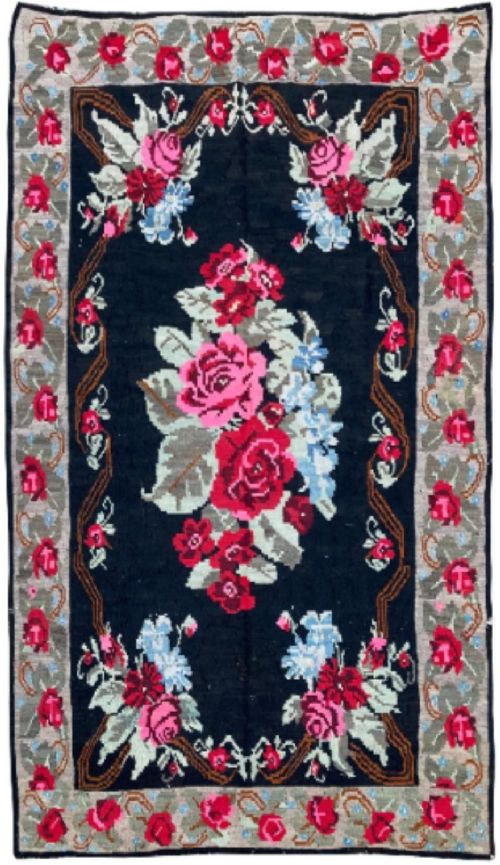
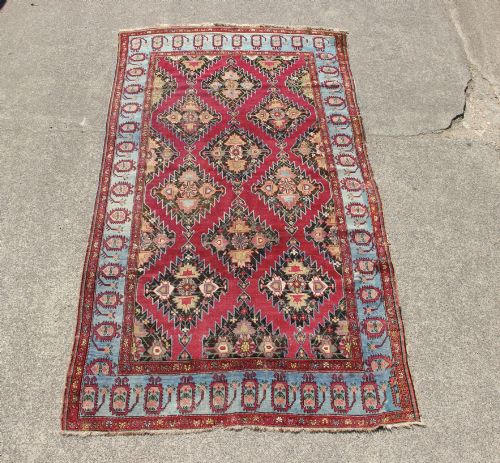
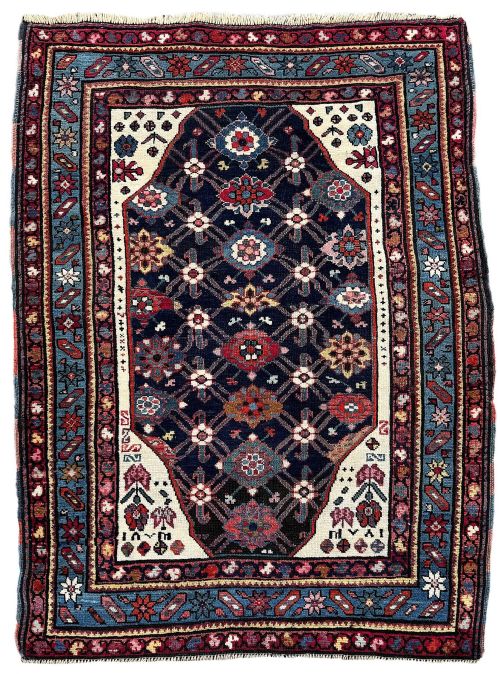
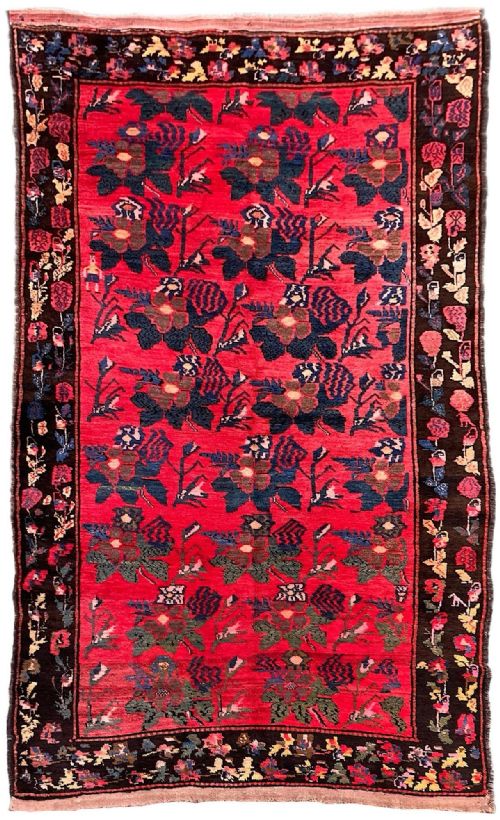
These floor coverings often display traditional Caucasian, tribal, or village designs, including striped boteh motifs, cloud band patterns, and multi-medallion layouts. Certain pieces also incorporate pictorial elements such as people and animals, or follow specific formats like prayer rugs and kilims.
Makers ranged from village weavers working independently to those signing their own names on the piece, creating works within recognised regional styles like Kazak, Chondoresk, and Chelaberd. The resulting variety ensures that each rug holds a distinct visual identity rooted in its historical origin.
How they were made
Weavers constructed these pieces utilising wool for the pile and cotton for the structural foundation. This combination provided the necessary durability and weight for traditional floor use.
The construction techniques relied on hand-knotting and flatweaving methods passed down through generations in Caucasian villages. Natural and traditional dyeing methods produced the striking colours seen across the regional designs.
Keep an eye out for hidden animals and people woven into the wool, proving that village weavers enjoyed surprising their audience.
What varies in quality
Quality in these rugs rests upon the fineness of the knotting and the crispness of the tribal design execution. Tighter structures and well-defined medallion or boteh layouts reflect greater skill from the weaver.
The preservation of the wool pile and the strength of the cotton foundation determine the durability of each piece. Striking colour saturation and balanced proportions further distinguish the finer examples from standard village production.
The Karabagh Area Rug Glossary
- Medallion
- A central ornamental motif placed in the field of a rug. These geometric or floral centerpieces often dictate the symmetry of the surrounding design.
- Boteh
- A stylised almond or pear-shaped motif of Persian origin. It appears frequently in striped arrangements across Caucasian weaving.
- Kilim
- A flatwoven carpet or rug produced without a pile. These pieces rely entirely on the warp and weft threads intersecting to form the pattern.
- Kelleh
- A long, rectangular format of carpet traditionally suited for narrow rooms. They offer an elongated field often containing multiple medallions.
- Prayer rug
- A small rug featuring a mihrab or arch design at one end. It was traditionally used to indicate the direction of prayer.
Karabagh Area Rug: Frequently Asked Questions
How old are these rugs?
Most examples date from the late nineteenth century up to the 1930s. The periods span from nineteenth-century village pieces to early twentieth-century tribal works.
Exact dating relies on stylistic analysis, material wear, and structural characteristics recorded in the weaving.
What materials were used?
The primary materials found in these rugs are wool and cotton. Wool forms the soft pile on the surface, while cotton provides the strong foundation.
This combination ensures both comfort underfoot and structural longevity for daily use.
Are these rugs signed?
Certain village pieces feature a signed name by the weaver woven directly into the design. Such signatures are uncommon but add a direct link to the maker.
Most examples remain unsigned, representing collective village traditions rather than individual master weavers.
How do I care for my rug?
Regular gentle vacuuming without a rotating brush helps remove embedded dust from the wool pile. Professional cleaning suited for antique textiles preserves the integrity of the fibres.
Keeping the rug out of direct sunlight prevents the striking regional colours from fading over time.
What designs do they feature?
The patterns include traditional Caucasian motifs such as triple medallions, cloud bands, and striking striped boteh arrangements. Some pieces also display pictorial elements featuring people and animals.
Styles range from village Kazak types to specific regional variants like Chondoresk and Chelaberd.