




Tribal Patterned Long Rug
A tribal patterned long rug brings warmth and linear rhythm to a narrow hallway or gallery space.
Tribal Patterned Long Rug
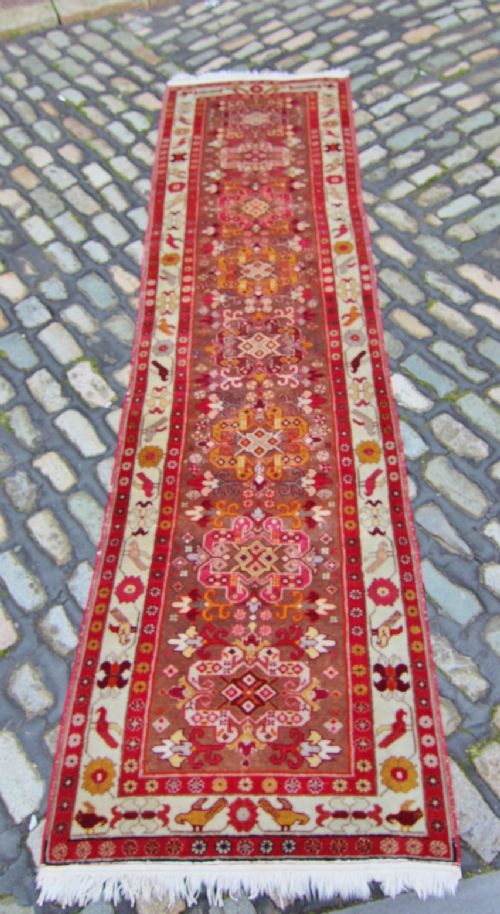
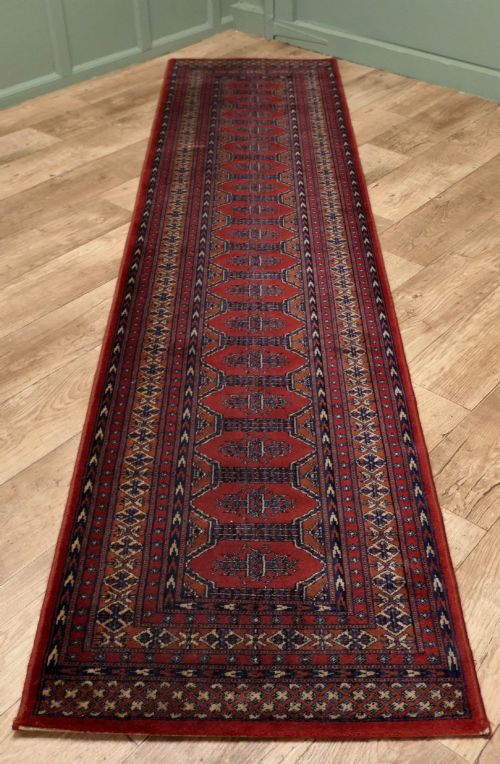
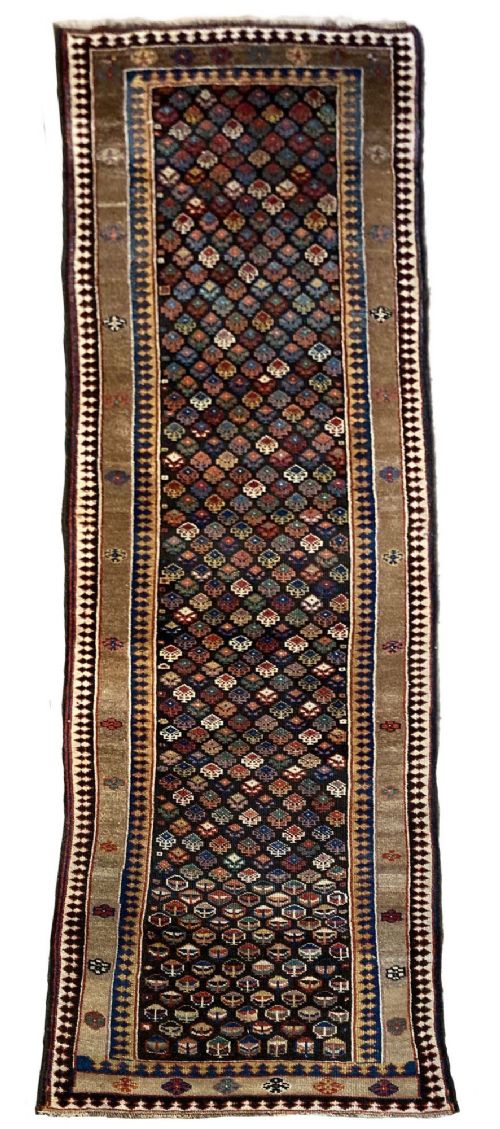
A tribal patterned long rug encompasses narrow runners and extended format carpets woven within nomadic and village traditions. Buyers searching this phrase look for substantial floor coverings that span corridors, landings and long rooms with geometric or stylized motifs.
The selections on this page draw from Persian, Caucasian and Kurdish origins, spanning the nineteenth and early twentieth centuries. Long formats dominate the inventory, frequently manifesting as narrow runners, kelleh carpets and kilim structures.
Nomadic weavers created these floor coverings to withstand practical daily use while expressing cultural motifs specific to their region. The surviving examples present diverse palettes ranging from deep navy blues to olive greens and rich madder reds.
How they were made
These textiles rely primarily on a foundation of wool and cotton, utilising sturdy hand-spun wool for the pile and warps of wool or cotton. The materials provide structural resilience, allowing long formats to lie flat along heavy traffic paths without losing their shape.
Weavers employed traditional knotting and flatweaving techniques, including Soumak and kilim constructions, alongside standard pile methods. Natural dye stuffs infused the wool with saturated tones that develop a soft patina over decades of exposure and wear.
Tribal Patterned Long Rug Retail Price Guide 2026
Typical asking prices for tribal patterned long rug among the pieces listed under this phrase on Sellingantiques today, from the lower quarter to the upper quarter. They describe what is for sale here now, not the wider market.
Listings feature pieces utilising wool and cotton materials, spanning the nineteenth and early twentieth centuries.
What varies in quality
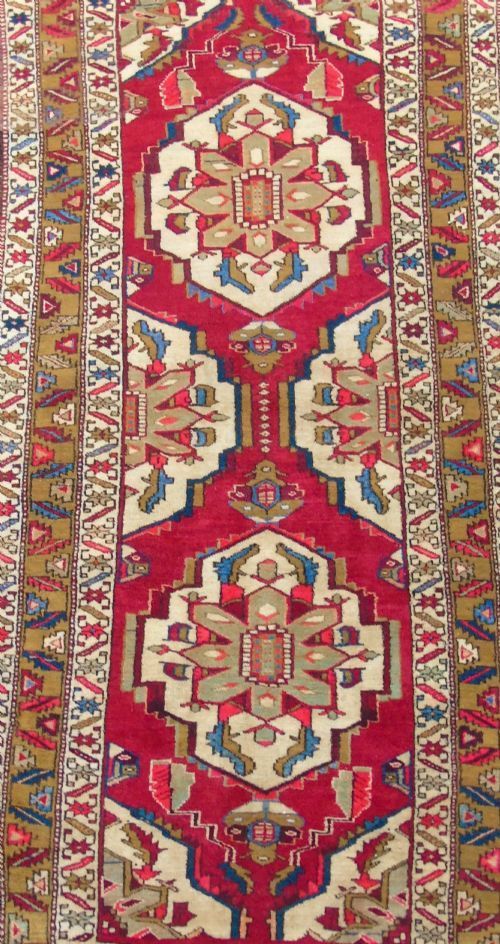
The distinction between standard examples and exceptional pieces rests upon the crispness of the tribal design and the saturation of the dye work. Tighter knot density and finer wool preparation allow intricate motifs like boteh and harshang borders to remain sharp across extended runner lengths.
Proportion and structural integrity also divide the range, as maintaining a straight, narrow line over several metres requires considerable skill from the weaver. The survival of original borders and kilim ends adds structural completeness that elevates certain examples above standard workshop output.
The Tribal Patterned Long Rug Glossary
- Runner
- A long, narrow carpet designed specifically for hallways, corridors and staircases. These formats typically feature an elongated central field enclosed by repeating borders.
- Boteh
- A stylized almond or pear-shaped motif of Persian origin that often appears in repeating rows across tribal rugs. This ancient symbol represents fertility, life and eternity.
- Kilim
- A flatwoven textile produced without a pile by tightly interweaving warp and weft strands. These pieces offer a lightweight structure with distinct geometric patterns visible on both sides.
- Soumak
- A brocade-like flatweaving technique where supplementary decorative threads wrap around the warp yarns. This method creates a textured surface and adds durability to the reverse side of the rug.
- Kelleh
- A large format carpet that is longer than it is wide, serving as an intermediate size between a standard rug and an expansive room-sized carpet.
- Heriz
- A prominent weaving region in northwest Persia known for bold geometric medallions and robust structural wool. Rugs from this tradition utilise durable foundations suited for heavy domestic use.
Tribal Patterned Long Rug: Frequently Asked Questions
Where should I place a long rug?
These narrow formats suit hallways, corridors and bedside spaces where linear floor coverage is required. They protect high-traffic wooden floorboards while introducing pattern and texture to transitional areas.
Ensure you measure the corridor width and length carefully before selection, leaving an even margin of exposed flooring around the perimeter of the textile.
How do I clean an antique wool rug?
Gentle surface cleaning and regular low-suction vacuuming without a rotating brush help maintain the wool pile. Professional textile conservators should handle deep washing to protect natural dyes and fragile foundations.
Avoid chemical spot treatments or excessive moisture, which can weaken old cotton and wool fibres over time.
How do I identify a Kurdish runner?
Kurdish tribal pieces often display saturated colour palettes and expressive geometric patterns rooted in nomadic traditions. Their wool tends to be heavy and resilient, supporting robust knotting across extended runner lengths.
Look for distinctive border arrangements and structural quirks that indicate rural hand-knotting rather than standardised city workshop production.
Do antique runners lie flat on floors?
Handmade wool runners generally settle well onto floor surfaces, though minor ripples can occur due to age and past use. A quality rug underlay keeps the textile secure and prevents slipping in busy corridors.
Professional blocking can correct significant warping if the foundational yarns have tightened unevenly over the decades.