




Vintage Caucasian Hallway Runner
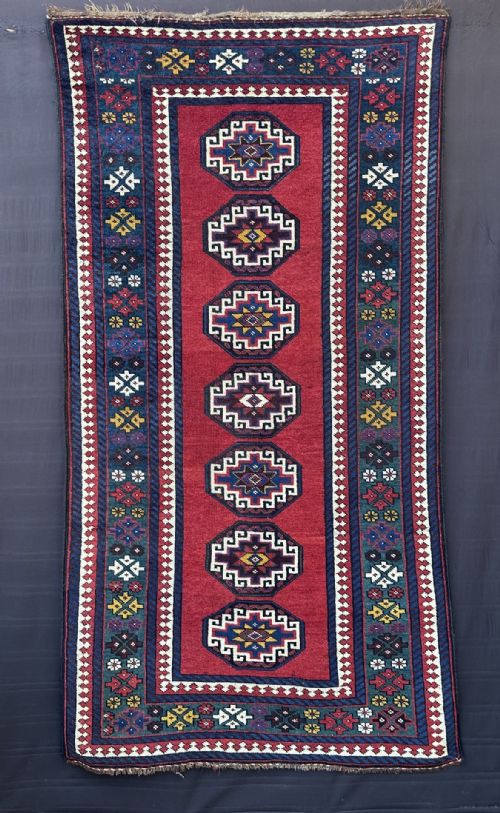
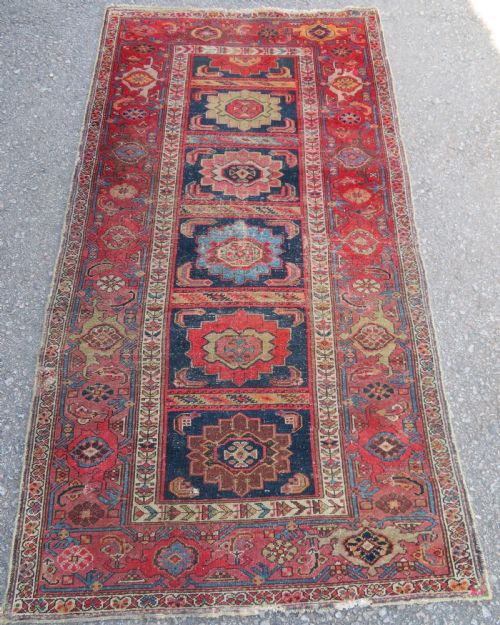
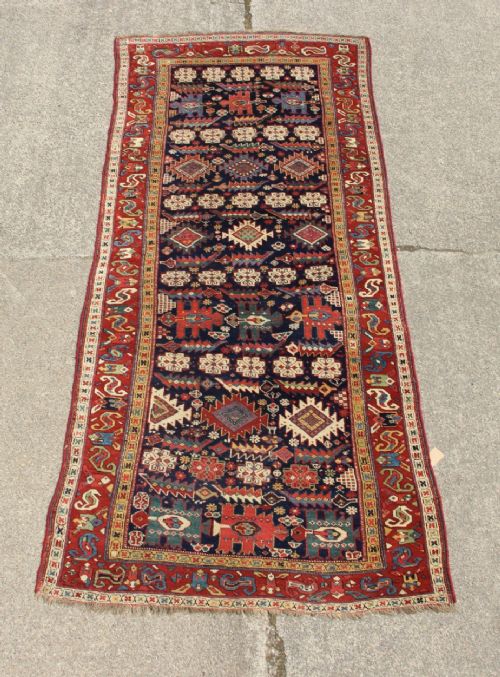
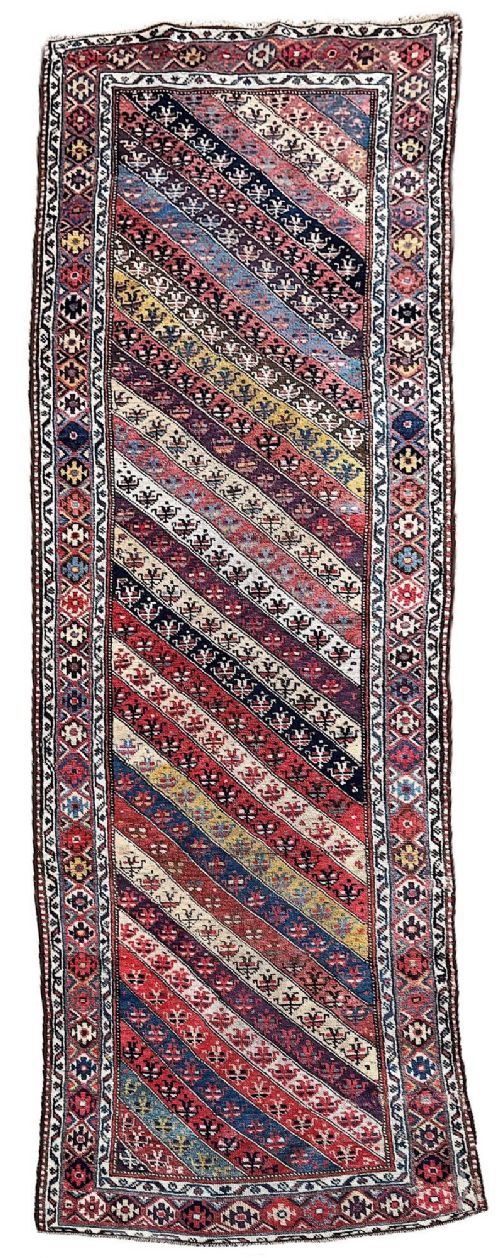
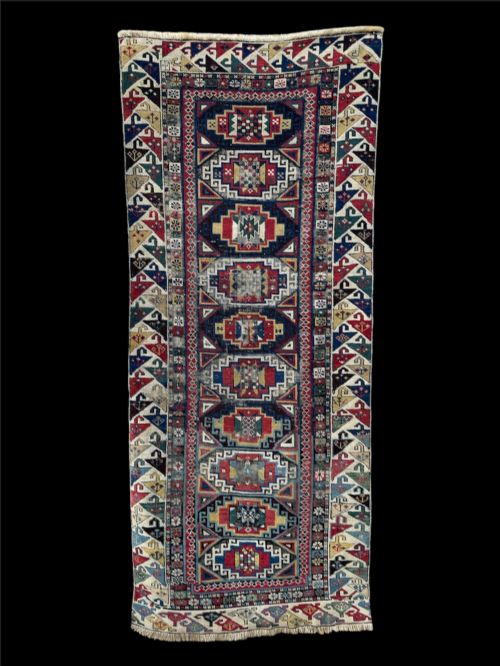
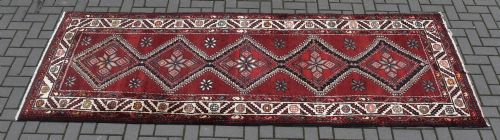
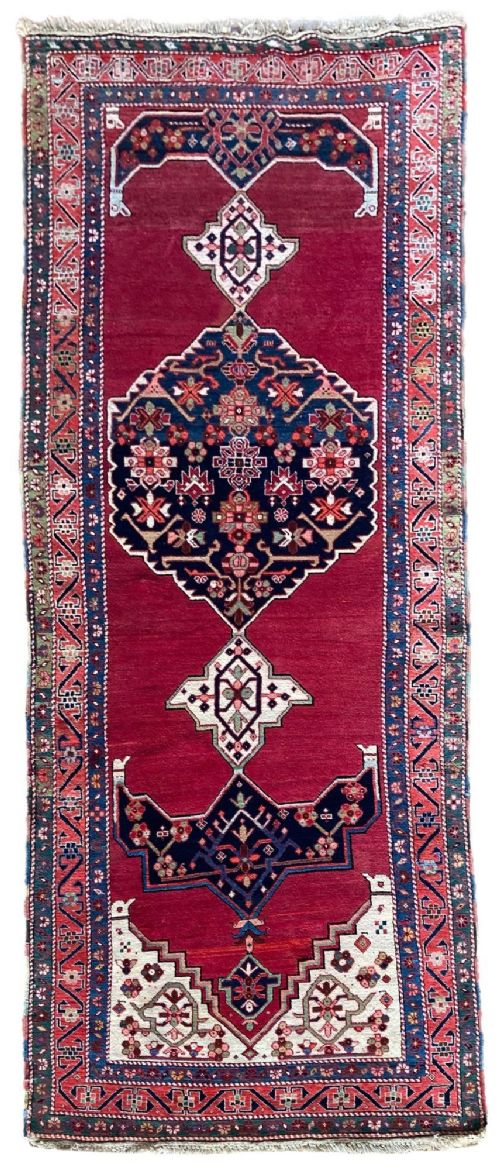
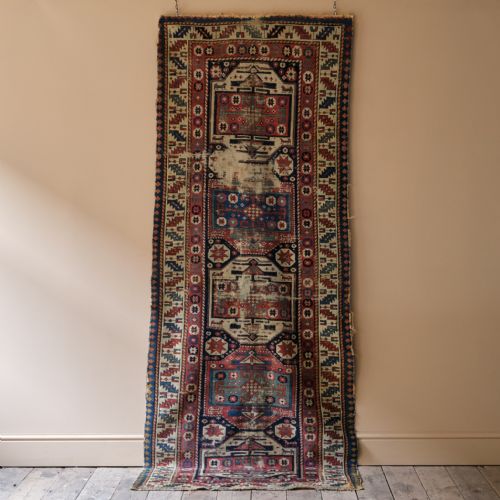
A vintage caucasian hallway runner brings geometric discipline and rich wool warmth to a narrow space.
Vintage Caucasian Hallway Runner
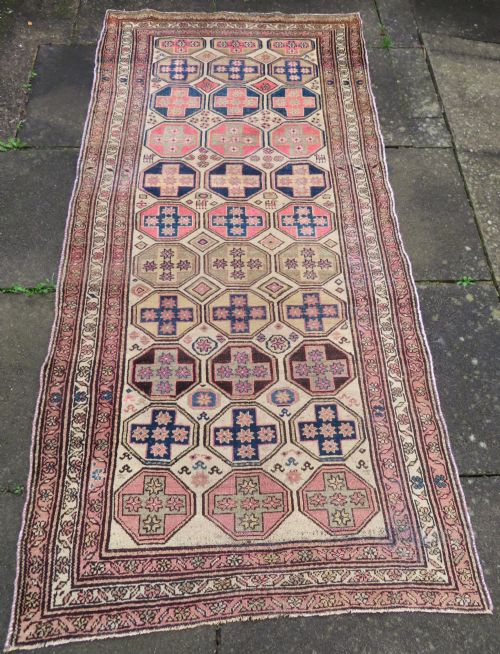
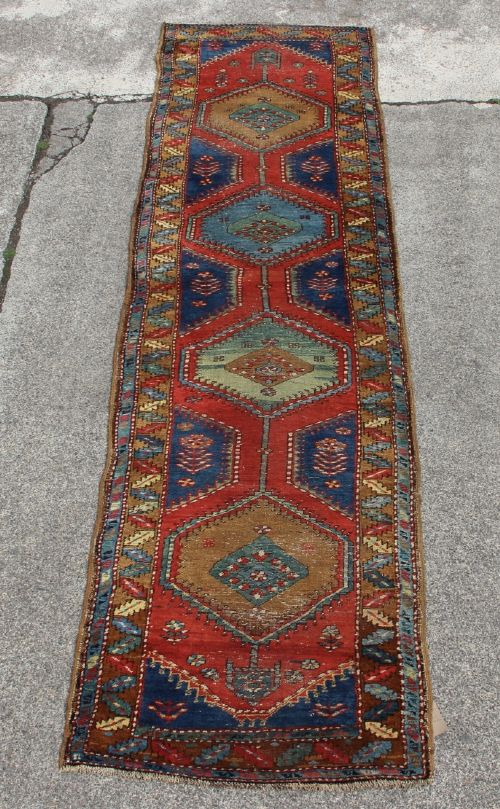
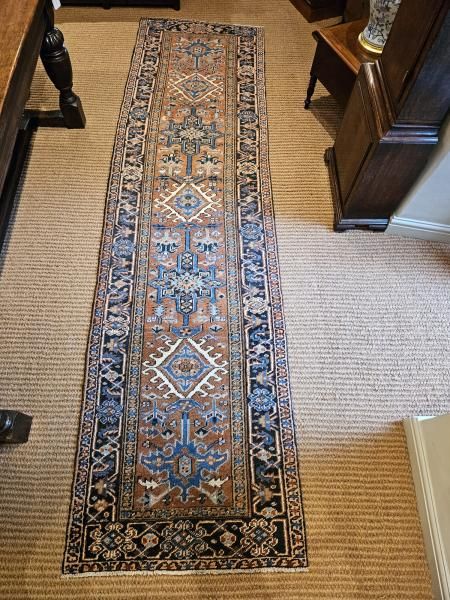
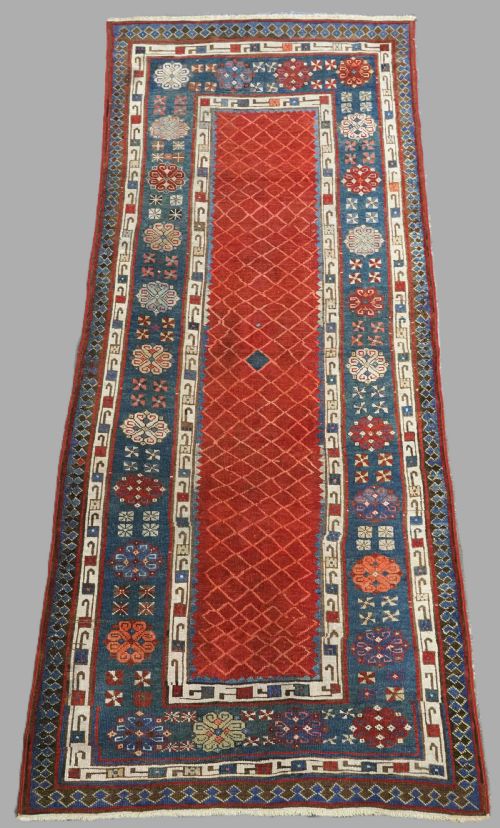
A vintage caucasian hallway runner is a long, narrow floor covering originating from the Caucasus region or neighbouring Persian districts, woven mostly in the late nineteenth and early twentieth centuries. These pieces display strong geometric medallions, repeating boteh motifs, and tribal patterns designed to fit corridors and long landings.
The versions most commonly met here span the years from eighteen seventy to nineteen twenty, taking forms such as Talish, Shirvan, Gendje, and Kazak runners. They utilise traditional hand-knotted techniques passed down through generations of weavers in mountainous tribal communities.
How they were made
Weavers constructed these runners using hand-spun wool for the pile, often combined with cotton foundations for structural stability and occasional use of camel hair for natural tone variations. Natural dyes provided the deep blue grounds and colourful details that define the aesthetic of these regional carpets.
The construction relies on manual knotting on vertical looms, creating dense surfaces designed to endure heavy foot traffic in domestic hallways while maintaining flexibility along the length of the runner.
Listings feature wool, cotton, and camel hair materials across runners dated from the nineteenth century up to nineteen twenty.
What varies in quality
The standard of a runner depends on the crispness of the geometric drawing, the saturation and clarity of the natural dyes, and the fineness of the knotting density across the wool pile. Examples with intact original borders and stable foundation materials represent the higher tier of survival.
Proportion and structural balance also dictate quality, as longer narrow formats require precise tension during weaving to prevent distortion along the corridor length.
The Vintage Caucasian Hallway Runner Glossary
- Runner
- A long, narrow carpet format specifically proportioned for corridors, hallways, and staircases. These pieces measure significantly longer than they are wide.
- Pile
- The vertical or diagonal loops of wool yarn that form the usable surface of the rug. This layer provides cushioning and displays the woven design.
- Boteh
- A traditional almond-shaped or paisley motif representing a floral or cypress symbol. It appears frequently in repeating patterns across tribal carpets.
- Foundation
- The underlying grid of warp and weft threads that supports the knotted wool pile. Cotton and wool serve as the primary structural materials.
- Natural dye
- Colouring matter derived from plants, insects, or minerals rather than synthetic chemicals. These dyes yield rich, complex tones that age gracefully over decades.
Vintage Caucasian Hallway Runner: Frequently Asked Questions
Where should I place a hallway runner?
A vintage caucasian hallway runner fits naturally in narrow corridors, long entrance halls, or alongside bedroom spaces where narrow floor expanses require warmth and texture.
Position the runner away from excessive moisture and utilise a suitable rug underlay to prevent sliding on hard wood or stone floors.
How do I clean an antique wool runner?
Regular gentle vacuuming without a rotating brush roll removes surface dust from the wool pile safely.
Professional specialist cleaning is recommended for deeper maintenance to protect the natural dyes and hand-knotted foundation.
How do I tell different regional styles apart?
Regional styles such as Talish, Shirvan, and Kazak display distinct characteristics in their colour palettes, border designs, and geometric medallion structures.
Talish pieces often feature open blue grounds with narrow borders, whereas Kazak runners typically show bolder, larger geometric forms and brighter polychrome arrangements.
Are these runners durable for daily use?
Hand-knotted wool construction on traditional foundations creates a resilient surface capable of handling regular foot traffic in domestic corridors.
The dense packing of the pile yarn protects the structural integrity of the carpet over many decades of use.