


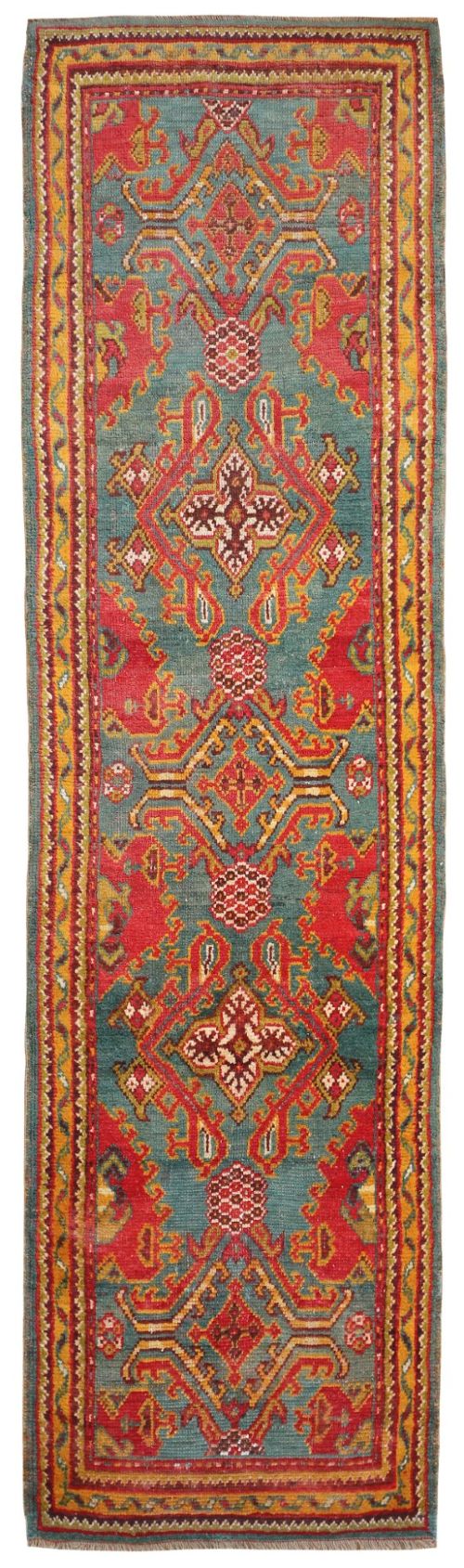
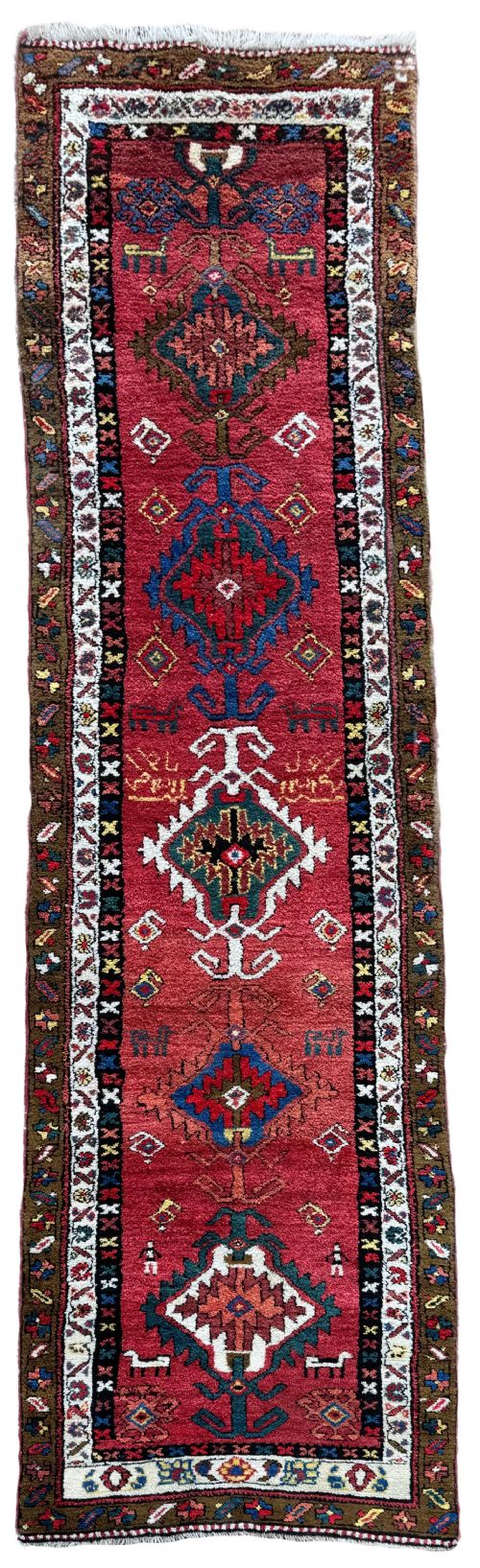
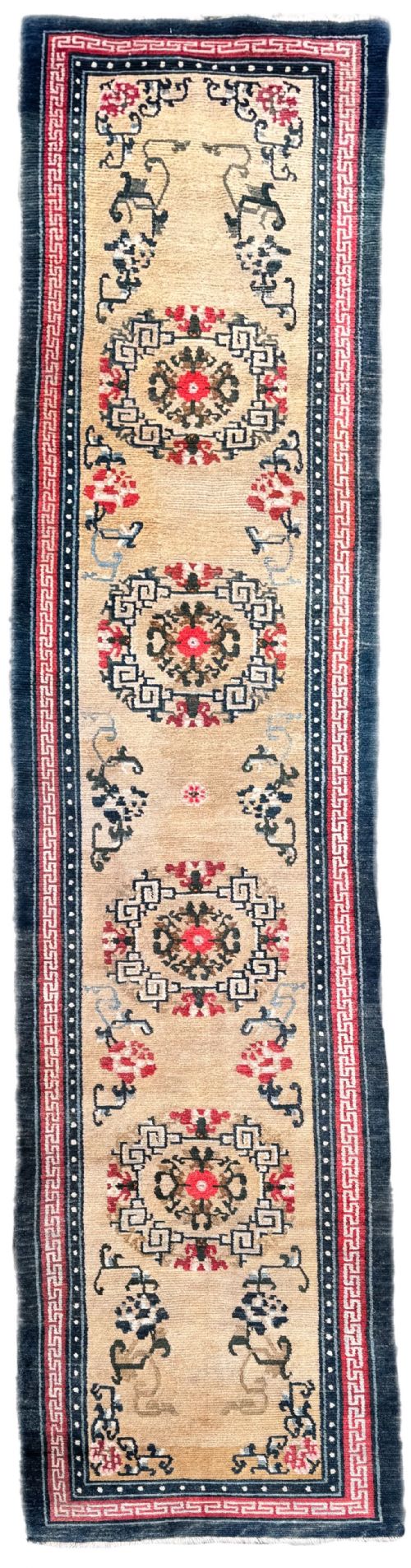

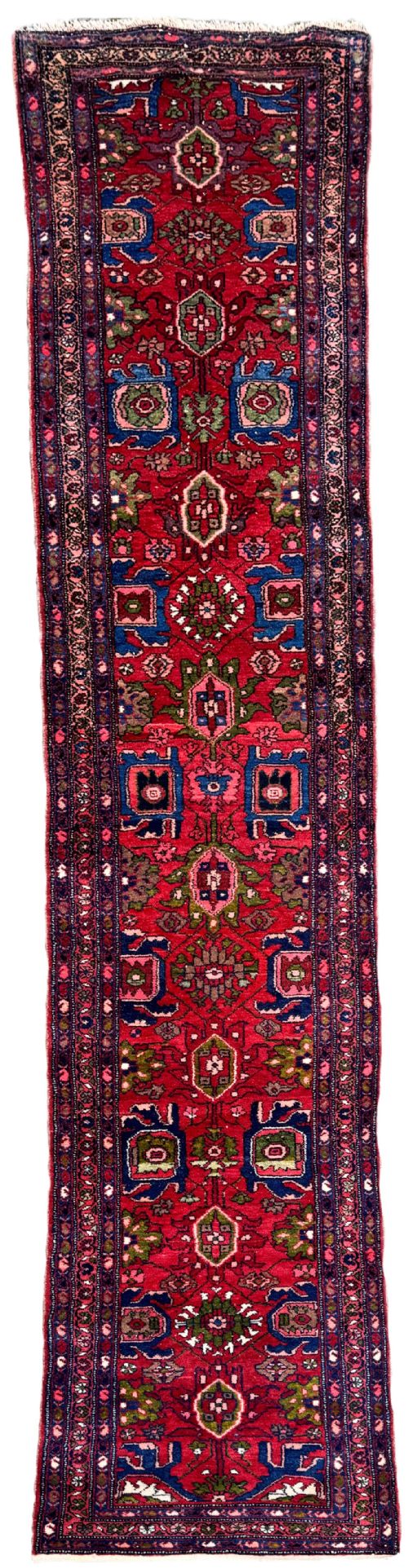

Traditional Hallway Runner Rug
A traditional hallway runner rug grounds a long corridor with centuries of woven pattern, offering enduring durability underfoot.
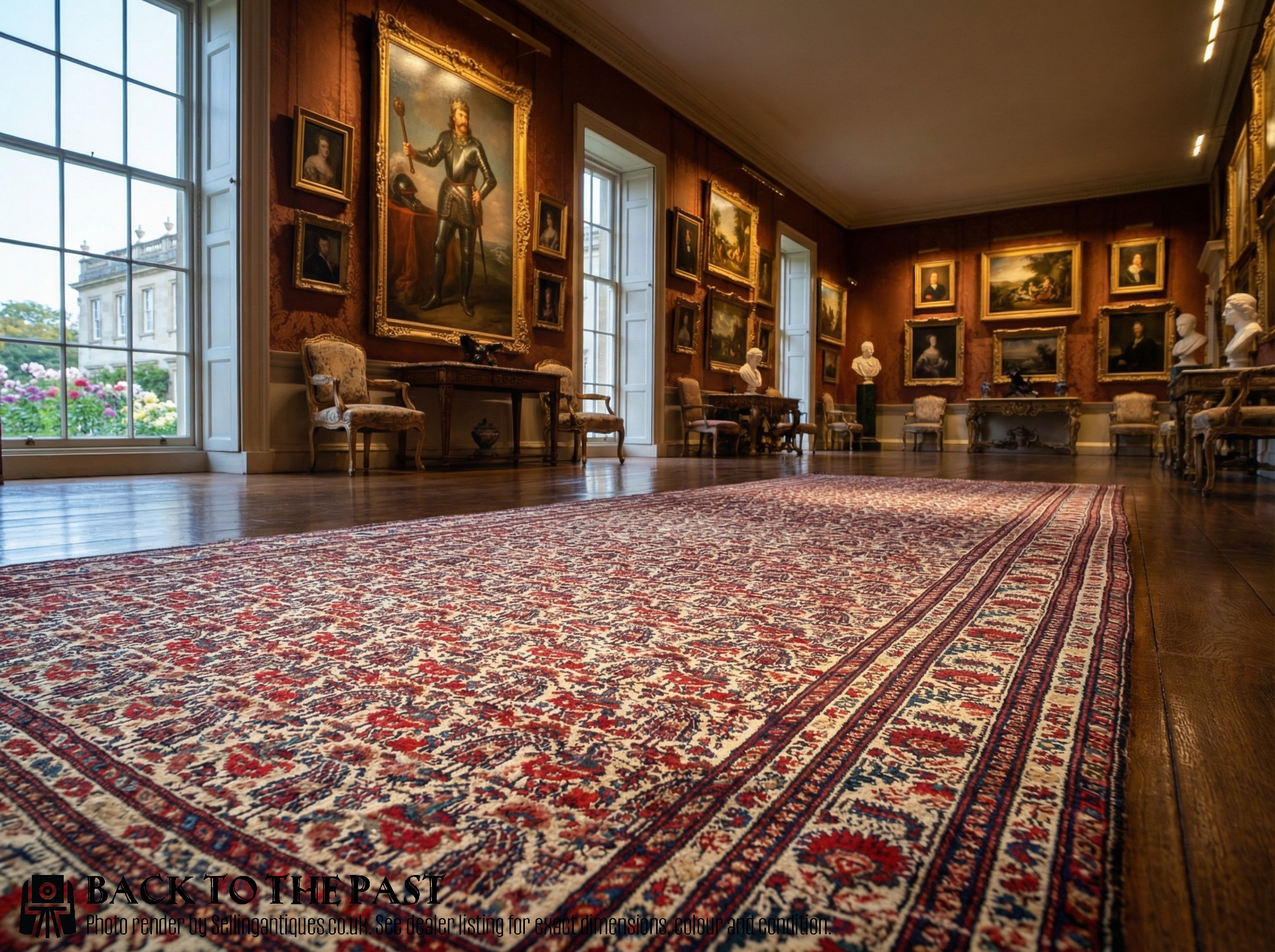
Traditional Hallway Runner Rug
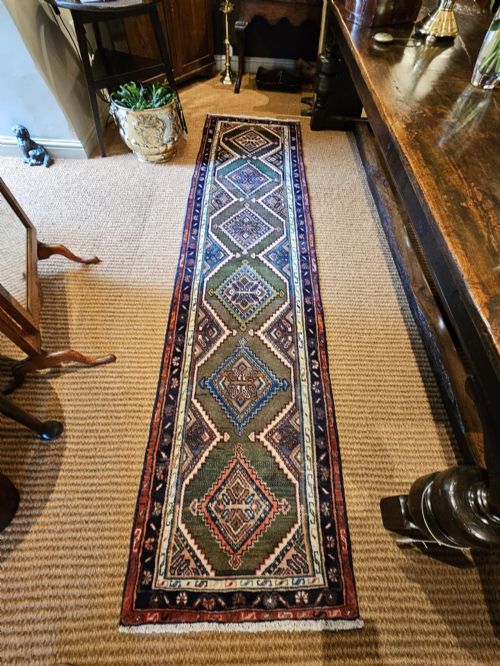
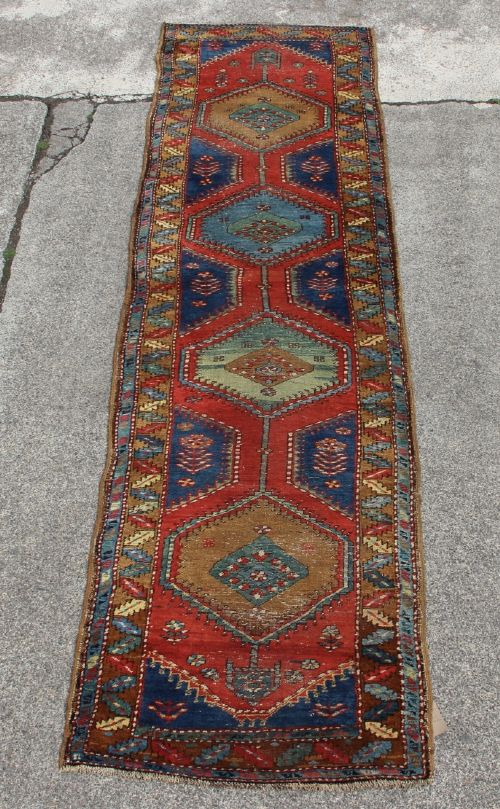
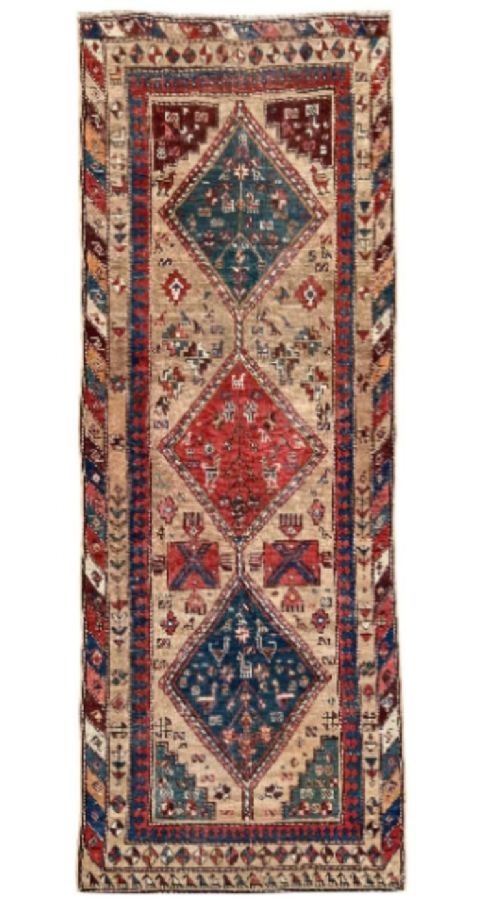
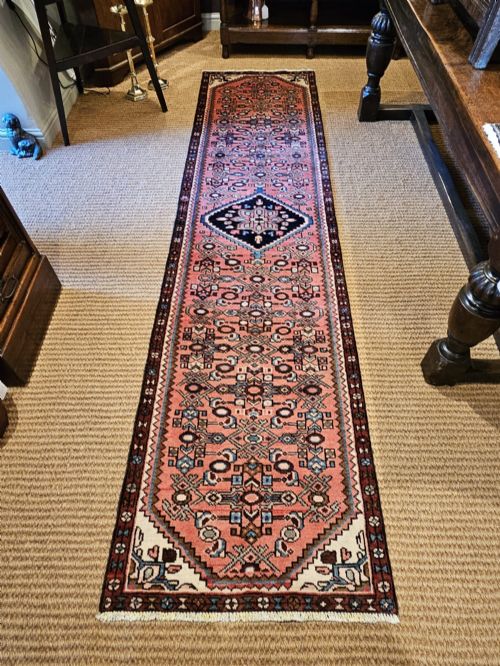
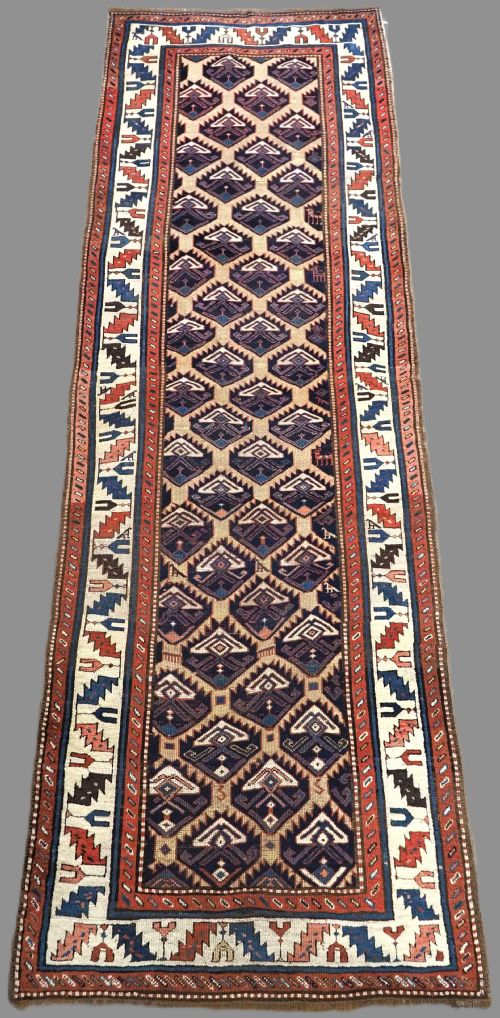
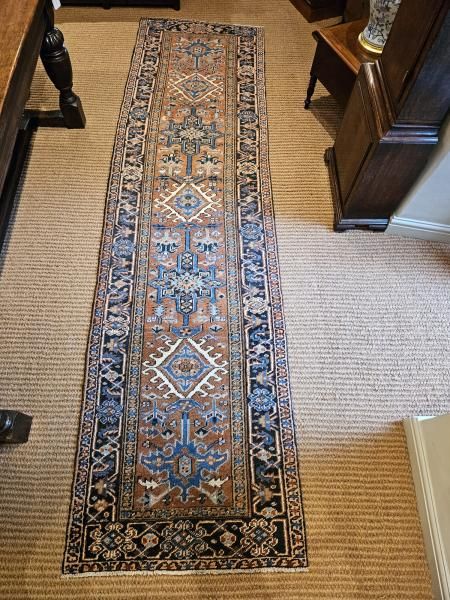
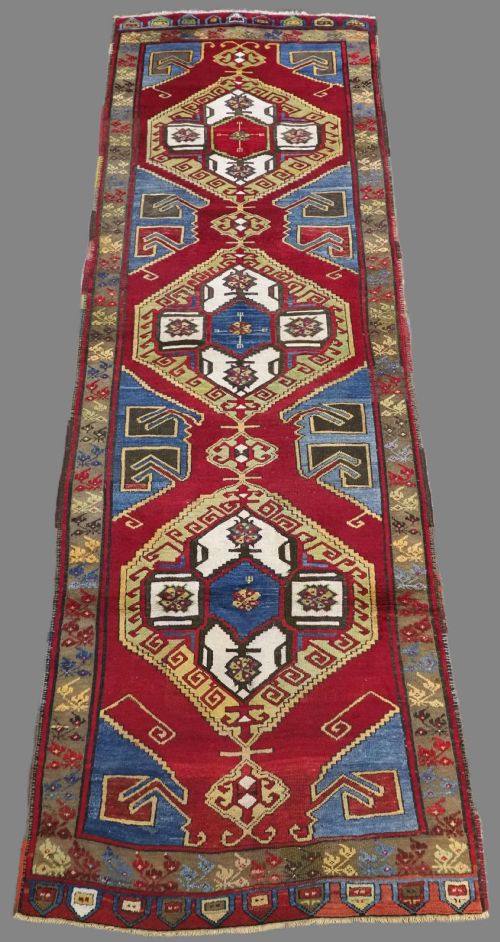
A traditional hallway runner rug brings narrow, elongated proportions to corridors and landings, structured for heavy foot traffic. These pieces span the nineteenth and early twentieth centuries, emerging from workshops and tribal communities across Persia, the Caucasus, Anatolia, and Tibet.
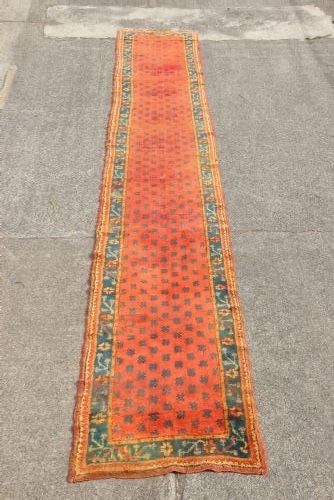
The format is dominated by regional styles such as Heriz, Kurdish, Ushak, and Caucasian Gendje weaves. These runners display precise geometric lattices, tribal motifs, and repeating medallions suited to long spaces.
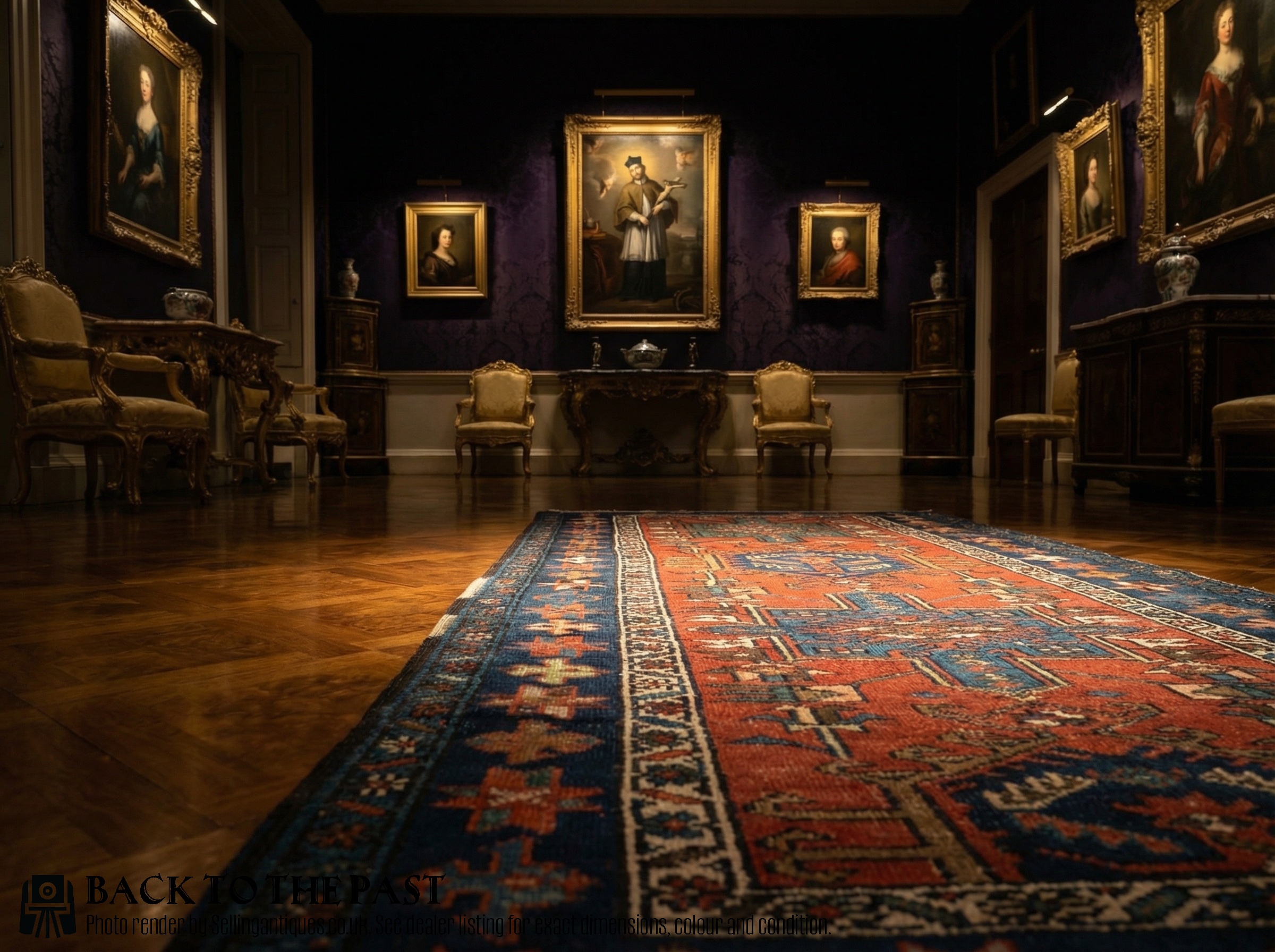
Materials and construction
Construction relies primarily on natural wool and cotton, utilised for pile, warp, and weft threads. Pure wool provides resilient cushioning and rich colour absorption, while cotton forms stable foundational foundations for the woven field.
Weavers handknot these textiles on traditional upright looms, employing structural techniques passed down through generations. The resulting density determines how well the pile withstands daily passage along a hall.
Several antique runners arrive with wonderfully crooked geometries, recording the shifting whims of a weaver working far from a straight ruler.
Gradations in quality
Quality rests upon knot density, the precision of the geometric design, and the vibrancy of the wool. Tighter knotting yields sharper pattern definition and greater resilience against wear.
The integrity of the original borders and selvages distinguishes finer examples. Subtle variations in natural dye batches create depth across the field, separating standard utilitarian pieces from masterworks.
The Traditional Hallway Runner Rug Glossary
- Runner
- A long, narrow carpet format designed specifically for hallways, corridors, and stairs. Its dimensions prioritise linear movement over broad floor coverage.
- Pile
- The upright yarn loops that form the soft surface of the rug. It is shorn to an even height after knotting to reveal the pattern.
- Warp
- The vertical foundation threads stretched lengthwise on the loom. The pile knots are tied directly onto these structural strands.
- Weft
- The horizontal threads passed across the warp strands between rows of knots. They bind the structure together firmly.
- Selvage
- The reinforced outer edge finishing of a rug. It prevents the sides from unravelling and maintains the straight lines of a runner.
Traditional Hallway Runner Rug: Frequently Asked Questions
Where should I place a runner?
These pieces suit high-traffic thoroughfares like corridors, entryways, and wide staircases. Their durable wool construction absorbs impacts from daily footfall.
Position them centrally to guide movement through the home while protecting underlying timber floors.
How do I care for wool pile?
Vacuum gently using suction only, avoiding rotating brush bars that pull at the handspun fibres. Lift the rug periodically to clean underneath and prevent grit accumulation.
Address spills immediately with a damp cloth, blotting rather than rubbing the affected wool pile.
How do I identify regional styles?
Examine the specific geometry, palette, and border arrangements characteristic of weaving centres like Heriz, Ushak, or Kurdish communities. Tribal pieces often display spontaneous medallions and abrash colour shifts.
Compare the knotting structure and wool texture against known regional exemplars from the nineteenth and early twentieth centuries.